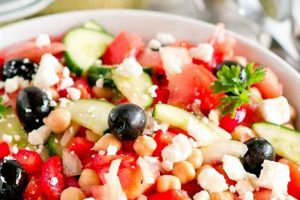
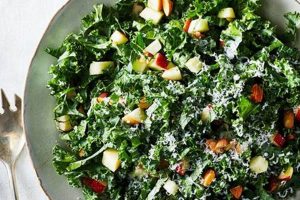
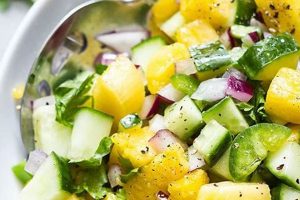
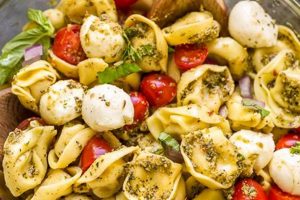
Seasonal salads featuring hearty, cold-weather produce offer vibrant flavors and textures often overlooked during colder months. Examples include combinations of roasted root vegetables like beets and carrots with winter greens such as kale or escarole, citrus fruits for brightness, and additions like nuts, seeds, or dried cranberries for textural contrast. Recipes range from simple combinations with light vinaigrettes to more complex salads incorporating grains, cheeses, or lean proteins.
Consuming fresh produce year-round provides essential vitamins and minerals, boosting the immune system during flu season. Historically, winter salads were methods of preserving the harvest through techniques like pickling and fermenting, evolving into more sophisticated dishes as culinary practices developed. The contemporary emphasis on fresh, seasonal eating reimagines these traditions, incorporating global influences and a wider variety of available ingredients.
Exploring specific seasonal ingredients, flavor combinations, and preparation techniques will provide a deeper understanding of crafting satisfying and nutritious winter salads.
Tips for Crafting Winter Salads
Successful winter salads depend on thoughtful ingredient selection and preparation to balance flavors and textures.
Tip 1: Embrace Roasted Vegetables: Roasting root vegetables like butternut squash, sweet potatoes, and parsnips intensifies their sweetness and creates a desirable textural contrast to raw leafy greens.
Tip 2: Explore Winter Greens: Kale, escarole, radicchio, and frise offer robust flavors and stand up well to heartier dressings. Massaging kale with olive oil tenderizes its leaves.
Tip 3: Incorporate Citrus: Oranges, grapefruits, and mandarins add brightness and acidity, cutting through the richness of roasted vegetables and cheeses. Segments, supremes, or zest can be used.
Tip 4: Add Crunch: Toasted nuts, seeds (such as pumpkin or sunflower), or croutons provide textural contrast and enhance flavor complexity.
Tip 5: Consider Dried Fruits: Dried cranberries, cherries, or apricots contribute sweetness and chewiness. Rehydrate them briefly in warm water or juice for added plumpness.
Tip 6: Utilize Whole Grains: Cooked grains like farro, quinoa, or freekeh add substance and nutritional value.
Tip 7: Experiment with Cheese: Crumbled feta, goat cheese, or shaved Parmesan complement winter flavors. Choose cheeses that provide contrasting textures or flavor profiles.
Tip 8: Don’t Neglect the Dressing: A well-balanced vinaigrette enhances the overall salad experience. Consider incorporating seasonal flavors like maple syrup, pomegranate molasses, or apple cider vinegar.
By following these tips, one can elevate winter salads from simple sides to satisfying main courses showcasing the season’s best produce.
This exploration of winter salad composition provides a foundation for creating flavorful and nutritious meals.
1. Seasonal Ingredients
Seasonal ingredients form the foundation of compelling winter salad recipes. Utilizing produce at its peak ripeness ensures optimal flavor and nutritional value, crucial for creating salads that are both satisfying and healthful during colder months.
- Root Vegetables
Root vegetables, such as beets, carrots, parsnips, and sweet potatoes, offer earthy sweetness and vibrant colors. Roasting intensifies their flavor and creates a desirable textural contrast within the salad. These vegetables provide essential vitamins, minerals, and fiber.
- Winter Greens
Hearty winter greens like kale, escarole, radicchio, and spinach provide a robust base for winter salads. Their slightly bitter or peppery notes balance the sweetness of roasted vegetables or dried fruits. These greens are rich in vitamins A and C, crucial during flu season.
- Citrus Fruits
Citrus fruits, including oranges, grapefruits, mandarins, and lemons, introduce brightness and acidity to winter salads. Their vibrant flavors cut through the richness of other components and add a refreshing element. Citrus fruits are excellent sources of vitamin C and antioxidants.
- Winter Fruits & Nuts
Fruits like pomegranates, pears, and apples, along with nuts like walnuts, pecans, and almonds, contribute textural complexity and distinct flavors. Pomegranates offer juicy bursts of tartness, while pears and apples provide sweetness and crunch. Nuts add healthy fats and protein.
By thoughtfully combining these seasonal ingredients, winter salads transcend simple side dishes and become vibrant, flavorful centerpieces. The interplay of textures, colors, and tastes creates a culinary experience that celebrates the bounty of the colder months.
2. Flavor Combinations

Flavor combinations are essential to crafting compelling winter salads. Balancing contrasting tastes and textures elevates these dishes beyond basic sustenance, offering complex and satisfying culinary experiences. Strategic pairings of sweet, savory, bitter, acidic, and umami elements create depth and intrigue within each bite.
- Sweet and Savory
The interplay of sweet and savory flavors forms a foundational element in many successful winter salads. Roasted root vegetables, such as sweet potatoes or butternut squash, provide inherent sweetness, which is beautifully balanced by savory components like toasted nuts, crumbled cheeses (such as feta or goat cheese), or even small pieces of bacon or pancetta. This balance prevents the salad from becoming overly sweet while enhancing the savory notes.
- Bitter and Bright
The bitterness of winter greens, such as kale or radicchio, finds a natural complement in bright, acidic elements. Citrus fruits, like oranges and grapefruits, or a vinaigrette with lemon juice or vinegar, cut through the bitterness, creating a refreshing contrast. This combination adds complexity and prevents the salad from becoming one-dimensional.
- Earthy and Tangy
Earthy flavors from ingredients like roasted beets or mushrooms are enhanced by tangy counterparts. A pomegranate vinaigrette, crumbled goat cheese, or pickled red onions introduce a welcome acidity that balances the earthiness. This interplay of flavors creates a dynamic and engaging palate experience.
- Creamy and Crunchy
Textural contrast is as important as flavor combinations. Creamy elements, such as avocado, soft cheeses, or a tahini dressing, are complemented by crunchy components like toasted nuts, seeds, or croutons. This interplay of textures adds another layer of interest and keeps the salad from feeling monotonous.
By thoughtfully combining these flavor profiles and textures, winter salads become more than just a collection of ingredients; they transform into dynamic dishes showcasing the season’s bounty. A well-balanced winter salad engages the palate with a symphony of contrasting yet complementary flavors and textures, offering a satisfying and nutritious culinary experience.
3. Textural Contrast
Textural contrast is a critical component of successful winter salad recipes. A variety of textures elevates a salad from simple sustenance to a more engaging culinary experience. The strategic combination of crisp, creamy, crunchy, and chewy elements adds depth and complexity, making each bite more satisfying.
- Crisp Elements
Crisp elements provide a refreshing counterpoint to richer, denser ingredients. Winter greens, such as kale or romaine, offer a foundational crispness. Other options include thinly sliced fennel, shaved Brussels sprouts, or chopped apples or pears. These elements contribute a refreshing lightness and satisfying bite.
- Creamy Components
Creamy textures add richness and a smooth mouthfeel. Avocado, crumbled soft cheeses like goat cheese or feta, or a creamy dressing based on tahini or yogurt contribute a luxurious element that balances the crisp components. These creamy additions also help coat the other ingredients, distributing flavors more evenly.
- Crunchy Additions
Crunchy textures introduce an element of excitement and unexpectedness. Toasted nuts, seeds (like pumpkin or sunflower), croutons, or roasted chickpeas offer a satisfying snap. These elements provide textural variation and often contribute additional flavor and nutritional value.
- Chewy Inclusions
Chewy textures offer a satisfying counterpoint to the other elements. Dried fruits, such as cranberries or apricots (briefly rehydrated for optimal texture), or cooked grains like farro or quinoa introduce a pleasant chewiness. These components often contribute subtle sweetness and enhance the overall complexity of the salad.
The interplay of these various textures creates a dynamic and enjoyable eating experience. A well-composed winter salad strategically balances crisp, creamy, crunchy, and chewy elements, ensuring each bite offers a delightful combination of flavors and textures. This attention to textural detail elevates winter salads from simple sides to satisfying and memorable dishes.
4. Nutritious Choices

Nutrient density is a paramount consideration in winter salad recipes. Colder months often necessitate increased immune support and consistent energy levels, making nutrient-rich foods crucial. Winter salads, built upon seasonal produce, offer an ideal platform for incorporating a diverse range of vitamins, minerals, and antioxidants. For example, dark leafy greens like kale and spinach provide vitamins A and C, crucial for immune function, while roasted root vegetables like sweet potatoes and carrots offer beta-carotene, a precursor to vitamin A, and fiber, promoting digestive health. The inclusion of healthy fats from sources like avocado, nuts, and seeds further enhances nutrient absorption and satiety, contributing to overall well-being.
The strategic selection of ingredients maximizes the nutritional impact of winter salads. Combining various colorful vegetables ensures a broader spectrum of vitamins and minerals. Adding lean protein sources, such as grilled chicken or fish, lentils, or beans, elevates the salad to a complete meal, providing essential amino acids for tissue repair and maintenance. Furthermore, incorporating whole grains like quinoa or farro contributes complex carbohydrates and fiber, promoting sustained energy release and blood sugar regulation. These choices, rooted in nutritional understanding, transform winter salads into potent vehicles for supporting optimal health during colder months.
Prioritizing nutritious choices within winter salad recipes offers significant practical benefits. Consuming nutrient-dense salads regularly supports immune function, aids in weight management, and contributes to increased energy levels. This proactive approach to nutrition can mitigate the health challenges often associated with winter, such as susceptibility to colds and flu, and promote overall vitality. Therefore, understanding the nutritional value of individual ingredients and their synergistic effects within a salad composition empowers individuals to make informed choices that optimize both flavor and well-being.
5. Versatile Recipes

The versatility of winter salad recipes contributes significantly to their appeal. Adaptability to various dietary needs, occasions, and available ingredients ensures these salads remain relevant and enjoyable throughout the colder months. This adaptability stems from the inherent flexibility of salad composition, allowing for creative substitutions and additions without compromising flavor or nutritional value. Exploring the multifaceted nature of this versatility reveals the true potential of winter salads.
- Dietary Adaptations
Winter salad recipes easily accommodate diverse dietary requirements. Vegetarian and vegan adaptations can substitute animal-based proteins with plant-based alternatives like lentils, beans, or tofu. Gluten-free versions utilize quinoa or rice instead of couscous or other gluten-containing grains. Adjusting dressings and toppings allows further customization for specific dietary restrictions, ensuring inclusivity and enjoyment for all.
- Occasional Relevance
From light lunches to elegant dinner party accompaniments, winter salads fit diverse occasions. A simple kale salad with roasted vegetables suits a casual weekday meal, while a more elaborate composed salad with pomegranate seeds and candied pecans elevates a festive gathering. The versatility of ingredients and presentations allows winter salads to transition seamlessly between casual and formal settings.
- Ingredient Substitutions
Seasonal ingredient availability influences recipe adaptability. Substituting specific winter greens or root vegetables based on local availability or personal preference allows for customization without sacrificing flavor or nutritional value. This flexibility ensures recipes remain practical and enjoyable regardless of regional variations or individual preferences.
- Creative Additions & Flavor Profiles
Winter salads provide a canvas for creative additions and diverse flavor profiles. Incorporating roasted nuts, dried fruits, cheeses, or grilled proteins adds complexity and transforms a basic salad into a complete meal. Exploring different dressings, from citrus vinaigrettes to creamy tahini-based options, further expands the range of flavor possibilities, ensuring continued enjoyment and exploration throughout the season.
The adaptability inherent in winter salad recipes underscores their value as a culinary staple. This versatility allows for personalized interpretations, catering to individual tastes and dietary needs while maximizing seasonal ingredient utilization. Whether serving as a light accompaniment or a substantial main course, the adaptable nature of winter salads ensures their continued relevance and enjoyment throughout the colder months.
Frequently Asked Questions
Addressing common inquiries regarding winter salad preparation and ingredient selection provides clarity and facilitates culinary exploration during colder months.
Question 1: How can one prevent winter salads from becoming bland?
Blandness can be avoided by incorporating diverse flavors and textures. Roasted vegetables, toasted nuts, dried fruits, and flavorful cheeses add depth. Bold dressings, such as citrus vinaigrettes or those incorporating Dijon mustard or maple syrup, enhance flavor profiles.
Question 2: What are suitable substitutes for traditional lettuce in winter salads?
Hearty winter greens like kale, escarole, radicchio, or spinach provide robust bases for winter salads and offer nutritional benefits. Roasted root vegetables, such as beets or sweet potatoes, also contribute substantial volume and textural variety.
Question 3: How can winter salads be made more substantial as a main course?
Adding protein and whole grains transforms winter salads into satisfying meals. Grilled chicken or fish, lentils, beans, quinoa, or farro contribute essential nutrients and create a more complete dish.
Question 4: What storage methods best preserve the freshness of winter salad ingredients?
Storing ingredients separately maximizes freshness. Leafy greens should be kept in airtight containers with a paper towel to absorb moisture. Roasted vegetables should be cooled completely before refrigeration. Dressings are best stored separately and added just before serving.
Question 5: How does one balance the sweetness of roasted vegetables in winter salads?
Balancing sweetness requires incorporating contrasting flavors. Bitter greens, tangy dressings (e.g., citrus vinaigrettes), or salty cheeses (e.g., feta) provide counterpoints to the sweetness of roasted vegetables, creating a more complex flavor profile.
Question 6: Can winter salads be prepared in advance for meal prepping?
Components can be prepared in advance, but combining ingredients just before serving maintains optimal texture and prevents sogginess. Store dressings separately and add them immediately before consumption.
Understanding these frequently asked questions facilitates more effective winter salad preparation and encourages culinary creativity during the colder months.
Further exploration of specific winter salad recipes provides practical application of these principles.
Conclusion
Exploration of winter salad ideas and recipes reveals a wealth of culinary possibilities often overlooked during colder months. Strategic utilization of seasonal ingredients, thoughtful flavor combinations, and attention to textural contrast elevate these dishes beyond simple sides. Prioritizing nutrient-dense components transforms winter salads into vehicles for promoting well-being, supporting immune function, and maintaining energy levels. Adaptability to diverse dietary needs and occasions further underscores their value as a culinary staple. Successfully crafting winter salads requires understanding ingredient selection, flavor balancing, and textural interplay.
Culinary innovation within the realm of winter salads offers a pathway to embracing seasonal eating and maximizing nutritional intake. Continued exploration of flavor profiles, ingredient combinations, and creative presentations unlocks the full potential of winter produce. This exploration fosters a deeper appreciation for the bounty of colder months and promotes a more healthful and flavorful approach to winter dining.