Dishes featuring small, oily fish combined with various ingredients like mayonnaise, mustard, herbs, and vegetables constitute a versatile and nutritious meal option. These preparations can range from simple mixtures suitable for a quick lunch to more elaborate creations served as appetizers or part of a larger meal. For example, a basic version might involve flaked fish blended with mayonnaise, celery, and onion, while more complex versions could incorporate ingredients like hard-boiled eggs, olives, capers, or different types of mustard.
As a rich source of omega-3 fatty acids, calcium, and protein, such meals offer significant health benefits. Historically, these small fish have been an important food source in many cultures, particularly in coastal regions where they are readily available. Their affordability and long shelf life (when canned) have further contributed to their popularity throughout history. Preparing them in salads provides a palatable way to incorporate these valuable nutrients into one’s diet.
The following sections will explore various preparation methods, ingredient combinations, and serving suggestions to showcase the versatility and nutritional value offered by this culinary tradition. From classic recipes to innovative variations, readers will discover a range of options to suit diverse tastes and dietary preferences.
Tips for Preparing Sardine Salads
Achieving optimal flavor and texture requires attention to several key elements. The following tips offer guidance for creating delicious and satisfying dishes.
Tip 1: Sardine Selection: Opting for high-quality canned sardines packed in olive oil is recommended. Oil-packed varieties tend to have a richer flavor and smoother texture compared to those packed in water or other liquids. Fresh sardines can also be used, but require careful boning and skinning before incorporation.
Tip 2: Drainage and Flaking: Thorough drainage of the canning liquid is essential to prevent a watery salad. Flaking the fish into desired sizes, whether coarsely or finely, allows for even distribution within the mixture.
Tip 3: Balancing Flavors: The strong flavor of these fish benefits from complementary ingredients. Acidity from lemon juice or vinegar, pungent elements like red onion or capers, and creamy components such as mayonnaise or yogurt contribute to a well-balanced profile.
Tip 4: Fresh Herbs and Spices: Incorporating fresh herbs like parsley, dill, or chives enhances the overall freshness and aroma. A touch of black pepper or a pinch of cayenne pepper can add subtle complexity.
Tip 5: Texture Variation: Adding textural contrast creates a more engaging culinary experience. Chopped celery, bell peppers, or water chestnuts provide a satisfying crunch, while ingredients like hard-boiled eggs offer a different textural dimension.
Tip 6: Chilling Time: Allowing the salad to chill in the refrigerator for at least 30 minutes before serving allows the flavors to meld and enhances the overall taste experience.
Tip 7: Serving Suggestions: These salads can be enjoyed in various ways. They are excellent served on crackers, toast points, lettuce cups, or as a filling for sandwiches and wraps. They can also be a standalone dish.
By following these tips, one can create flavorful and nutritious dishes suitable for a variety of occasions. Attention to detail, from ingredient selection to chilling time, elevates the final product.
The following section will provide specific recipe examples demonstrating these principles in practice, offering readers a practical guide to creating their own culinary masterpieces.
1. High-quality Sardines

The foundation of exceptional sardine salad recipes lies in the selection of high-quality sardines. Ingredient quality directly impacts the final dish’s flavor, texture, and overall appeal. Understanding the characteristics of superior sardines is essential for creating truly satisfying culinary experiences.
- Packing Medium
The packing medium plays a crucial role in preserving sardine quality. Sardines packed in olive oil retain moisture and develop richer, more complex flavors compared to those packed in water, soybean oil, or other liquids. Olive oil also contributes to a smoother, more desirable texture. High-quality olive oil enhances the nutritional profile of the salad by adding healthy fats.
- Sourcing and Sustainability
Sourcing practices significantly influence sardine quality. Sustainably caught sardines from reputable fisheries ensure responsible resource management and minimize environmental impact. These sardines are often handled with greater care, resulting in a higher-quality product. Recipes utilizing sustainably sourced ingredients align with ethical consumption practices.
- Freshness Indicators (if using fresh sardines)
When using fresh sardines, assessing freshness is paramount. Indicators of freshness include bright, clear eyes, firm flesh, and a clean, oceanic aroma. Avoiding fish with dull eyes, soft texture, or a strong fishy odor is critical for optimal flavor and safety. Fresh sardines contribute a delicate, nuanced flavor to salads that canned varieties may not replicate.
- Packaging Integrity
Inspecting the packaging of canned sardines is crucial. Cans should be free from dents, rust, or swelling, which can indicate spoilage or compromised quality. Ensuring packaging integrity safeguards against potential health risks and preserves the intended flavor profile of the sardines within the recipe.
By prioritizing these aspects of sardine selection, one ensures a superior foundation for flavorful and nutritious salads. The quality of the core ingredient directly translates to the overall enjoyment and culinary success of the final dish. A discerning approach to ingredient selection elevates sardine salads from simple fare to refined culinary creations.
2. Flavorful Additions
Flavorful additions play a crucial role in elevating sardine salad recipes beyond simple fare. The inherent richness of sardines necessitates careful balancing and enhancement through complementary ingredients. These additions not only diversify the flavor profile but also contribute to textural complexity, creating a more satisfying culinary experience. The strategic incorporation of flavorful additions transforms the perception of sardine salads from basic sustenance to a sophisticated and enjoyable dish.
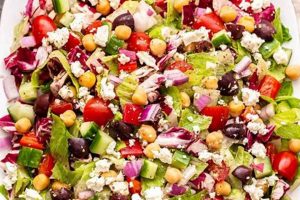
Several categories of flavorful additions contribute distinct characteristics to sardine salads. Acidic elements, such as lemon juice, vinegar, or chopped pickles, cut through the richness of the fish, providing brightness and balance. Pungent ingredients, like capers, red onion, or Dijon mustard, introduce a sharp counterpoint, adding depth and complexity. Creamy components, such as mayonnaise, Greek yogurt, or avocado, provide a smooth, textural contrast and mellow the intensity of the sardines. Fresh herbs, including parsley, dill, chives, or mint, offer a refreshing aromatic dimension. Consider a classic combination of chopped celery, red onion, and parsley mixed with mayonnaise and lemon juice. The celery provides crunch, the red onion offers sharpness, and the parsley contributes freshness, all working in concert to enhance the sardine flavor. Alternatively, incorporating chopped olives, capers, and a Dijon mustard vinaigrette creates a Mediterranean-inspired profile. The brininess of the olives and capers complements the sardines, while the mustard adds a piquant touch.
Understanding the interplay of these flavor categories allows for customization and creative exploration within sardine salad recipes. Balancing these elements prevents any single flavor from dominating, ensuring a harmonious and well-rounded final product. The practical application of this knowledge empowers culinary experimentation, leading to diverse and personalized flavor profiles. Successfully integrating flavorful additions not only enhances the taste of sardine salads but also elevates the perceived value of this often-underappreciated ingredient. This understanding transforms a simple sardine salad into a culinary expression, demonstrating the transformative power of thoughtful ingredient combinations.
3. Textural Variety

Textural variety constitutes a critical element in optimizing sardine salad recipes. The inherent softness of sardines benefits from contrasting textures, creating a more dynamic and engaging culinary experience. A monotonous texture can detract from enjoyment, while a combination of textures enhances the overall appeal. Incorporating ingredients that provide crunch, creaminess, or chewiness elevates the sensory experience of the dish.
Several ingredients introduce desirable textural contrast. Chopped celery, bell peppers, or water chestnuts contribute a satisfying crunch. Hard-boiled eggs, crumbled feta cheese, or diced avocado introduce creaminess. Toasted nuts or seeds, such as slivered almonds or sunflower seeds, provide a delicate crispness. Consider a sardine salad with chopped celery, red onion, and toasted walnuts. The celery offers a crisp counterpoint to the soft sardines, the red onion adds a slight bite, and the walnuts contribute a satisfying crunch. Alternatively, a salad incorporating hard-boiled eggs and crumbled feta cheese provides a creamy contrast, enhancing the overall textural complexity. These combinations demonstrate the practical application of textural variety in enhancing sardine salad recipes.
The strategic inclusion of texturally diverse elements elevates sardine salad recipes from simple to sophisticated. This attention to detail transforms the sensory experience, making the dish more appealing and enjoyable. Understanding the interplay of textures allows for culinary creativity and customization, resulting in a more satisfying and memorable dining experience. Successfully incorporating textural variety not only enhances the enjoyment of sardine salads but also demonstrates culinary expertise and elevates the perceived value of the dish.
4. Proper Seasoning
Proper seasoning significantly impacts the overall success of sardine salad recipes. The inherent strong flavor of sardines necessitates careful balancing through appropriate seasoning choices. Over-seasoning can overwhelm the delicate nuances of other ingredients, while under-seasoning results in a bland and uninspired dish. The judicious use of salt, pepper, and other spices elevates the flavor profile, creating a harmonious and well-rounded culinary experience. Salt enhances the natural flavors of the ingredients, while pepper adds a subtle layer of complexity. Other spices, used sparingly, can introduce unique flavor dimensions that complement the sardines. For example, a pinch of smoked paprika can add a smoky depth, while a touch of cayenne pepper introduces a subtle heat. The interplay of these seasonings creates a balanced flavor profile that enhances the overall enjoyment of the salad.
Achieving proper seasoning requires a nuanced approach. Factors such as the type of sardines used (fresh or canned), the other ingredients incorporated, and personal preference influence seasoning choices. Fresh sardines generally require less seasoning than canned varieties, as their flavor is more delicate. The saltiness of canned sardines must be considered when adding salt to the salad. Furthermore, the other ingredients in the salad, such as olives, capers, or pickled vegetables, contribute their own saltiness and must be factored into the overall seasoning strategy. A practical approach involves tasting the salad throughout the preparation process and adjusting seasonings incrementally. This iterative method allows for precise control over the final flavor profile, ensuring a balanced and delicious outcome. Over-reliance on salt can mask subtle flavors, while insufficient seasoning results in a flat, uninteresting dish. The goal is to enhance, not overpower, the natural flavors of the ingredients.
Mastering the art of proper seasoning elevates sardine salad recipes from simple to sophisticated. This attention to detail demonstrates culinary expertise and enhances the perceived value of the dish. Proper seasoning is not merely an afterthought but a crucial element that transforms the culinary experience. The delicate balance achieved through appropriate seasoning unlocks the full potential of sardine salads, creating a dish that is both flavorful and nuanced. This understanding empowers culinary exploration and allows for the creation of truly exceptional sardine salad recipes.
5. Fresh Herbs
Fresh herbs constitute an essential element in elevating sardine salad recipes. Their aromatic and flavorful contributions provide a refreshing counterpoint to the richness of the sardines, creating a more balanced and nuanced flavor profile. The volatile oils present in fresh herbs release distinctive aromas and flavors that enhance the overall sensory experience. These aromatic compounds interact with the other ingredients, creating a complex interplay of tastes and scents. Incorporating fresh herbs transforms a simple sardine salad into a more sophisticated and flavorful dish. For instance, parsley, with its bright, herbaceous notes, cuts through the richness of the sardines and adds a refreshing element. Dill, with its slightly anise-like flavor, complements the oily fish and adds a subtle complexity. Chives contribute a delicate onion flavor that enhances the savory notes of the salad. Mint, with its cooling properties, provides a refreshing contrast and adds a layer of complexity. Other herbs, such as tarragon or chervil, can also be used to create unique flavor profiles.
The selection and application of fresh herbs significantly impact the final flavor profile of sardine salads. Chopping herbs finely releases more of their volatile oils, intensifying their aromatic contribution. Adding herbs towards the end of the preparation process preserves their delicate flavors and prevents them from becoming wilted or losing their vibrancy. The quantity of herbs used should be carefully considered. Too much can overpower the other flavors, while too little may not provide the desired impact. A practical approach involves starting with a small amount and adjusting according to taste. The choice of herbs can also be tailored to complement other ingredients in the salad. For example, a Mediterranean-inspired sardine salad might benefit from the addition of oregano and basil, while a more classic preparation might utilize parsley and dill.
Integrating fresh herbs into sardine salad recipes demonstrates culinary expertise and elevates the perceived value of the dish. This attention to detail transforms a simple salad into a more refined culinary creation. The judicious use of fresh herbs not only enhances the flavor profile but also contributes to a more visually appealing presentation. The vibrant green hues of fresh herbs provide a welcome contrast to the other ingredients, making the salad more enticing. Understanding the role and impact of fresh herbs empowers culinary creativity, allowing for the development of unique and flavorful sardine salad recipes. This knowledge transforms the perception of sardine salads from basic sustenance to a sophisticated and enjoyable culinary experience. The strategic incorporation of fresh herbs unlocks the full potential of these recipes, showcasing the transformative power of fresh, aromatic ingredients.
6. Efficient Preparation

Efficient preparation is crucial for maximizing the quality and enjoyment of sardine salad recipes. Streamlined processes minimize preparation time without sacrificing flavor or presentation. Organized mise en place, where ingredients are prepped and measured before assembly, significantly reduces overall cooking time. This efficiency allows focus on key flavor-enhancing steps, such as precise seasoning and careful ingredient incorporation. For example, pre-chopping vegetables, draining and flaking sardines, and preparing the dressing in advance expedites the final salad assembly. This approach prevents delays during crucial stages, maintaining the integrity and freshness of ingredients. Efficient preparation also minimizes the likelihood of errors, contributing to a more consistent and successful outcome. Consider the scenario of preparing a sardine salad for a luncheon. Prepping ingredients the night before allows for quick assembly the following day, reducing stress and maximizing time efficiency.
Several practical strategies contribute to efficient sardine salad preparation. Utilizing readily available ingredients, such as canned sardines and pre-washed salad greens, reduces preparation time. Employing time-saving techniques, like using a food processor to chop vegetables or whisking dressings directly in the serving bowl, further streamlines the process. Prioritizing tasks according to their time sensitivity ensures that perishable ingredients are handled promptly, maintaining optimal freshness. For instance, preparing delicate herbs immediately before serving prevents wilting and preserves their vibrant flavors. Similarly, chilling ingredients in advance ensures optimal serving temperature and food safety, contributing to a more enjoyable dining experience. These practical considerations demonstrate the tangible impact of efficient preparation on the final product.
In conclusion, efficient preparation significantly enhances the quality and enjoyment of sardine salad recipes. Streamlined processes, organized mise en place, and strategic time management maximize both flavor and convenience. This efficiency allows for greater focus on crucial flavor-enhancing steps, resulting in a superior culinary outcome. The practical application of these principles transforms the cooking process from a potentially laborious task into a streamlined and enjoyable experience. This understanding highlights the integral connection between efficient preparation and the successful creation of delicious and satisfying sardine salads.
7. Creative Presentation

Creative presentation significantly elevates sardine salad recipes beyond basic sustenance, transforming them into visually appealing and enticing culinary creations. Thoughtful plating and garnishing enhance the perceived value and enjoyment of the dish. Visual appeal stimulates appetite and enhances the overall dining experience. Strategic presentation techniques highlight the freshness and quality of ingredients, encouraging consumption and appreciation. The following facets demonstrate how creative presentation transforms sardine salads into culinary masterpieces.
- Plating Techniques
Utilizing various plating techniques enhances visual appeal. Instead of simply placing the salad in a bowl, consider using individual serving dishes, such as ramekins or small plates. Creating height and dimension on the plate adds visual interest. For example, mounding the salad on a bed of lettuce or using a cookie cutter to create a defined shape adds a touch of elegance. Consider serving the salad on individual endive leaves or using small, hollowed-out tomatoes as containers. These techniques add a touch of sophistication and elevate the presentation.
- Garnishing
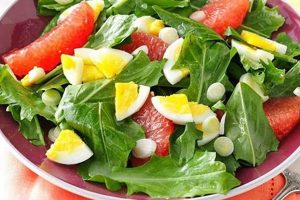
Strategic garnishing enhances both visual appeal and flavor. Fresh herbs, such as sprigs of parsley, dill, or chives, add a vibrant touch of color and freshness. Edible flowers, like pansies or nasturtiums, introduce a touch of elegance and visual interest. Lemon wedges or slices of hard-boiled egg provide contrasting colors and complementary flavors. A sprinkle of paprika or a drizzle of olive oil adds visual appeal and enhances the flavor profile. Garnishes should be carefully selected to complement the flavors of the salad and enhance the overall presentation. Over-garnishing can detract from the dish, so a minimalist approach is often preferred.
- Color Contrast
Employing color contrast creates visual interest and highlights the freshness of ingredients. Sardines, often muted in color, benefit from vibrant accents. Incorporating colorful vegetables, such as red onion, bell peppers, or chopped tomatoes, provides visual contrast and enhances appetite appeal. The strategic placement of these colorful elements creates a visually balanced and appealing presentation. Consider the contrast between the silvery sardines, the deep green of parsley, and the bright red of chopped tomatoes. This interplay of colors creates a visually dynamic and appealing dish.
- Serving Vessels
The choice of serving vessels contributes significantly to the overall presentation. Serving sardine salad in elegant bowls or on individual plates enhances the perceived value of the dish. Using unique serving vessels, such as vintage teacups or small, decorative bowls, adds a touch of whimsy and personality. The serving vessel should complement the style of the salad and the occasion. For a casual gathering, a rustic wooden bowl might be appropriate, while a more formal setting might call for elegant porcelain or glass dishes. The size and shape of the serving vessel should also be considered. A large, shallow bowl is ideal for showcasing the individual ingredients, while smaller, deeper dishes are better suited for individual portions.
Creative presentation transforms sardine salad recipes into visually appealing and enticing culinary experiences. By focusing on plating techniques, garnishing, color contrast, and serving vessels, one elevates the perceived value and enjoyment of the dish. These presentation strategies not only enhance visual appeal but also contribute to a more satisfying and memorable dining experience. The thoughtful application of these techniques demonstrates culinary expertise and transforms a simple sardine salad into a culinary masterpiece.
Frequently Asked Questions about Sardine Salads
This section addresses common inquiries regarding sardine salad preparation, offering practical guidance for optimal results.
Question 1: How can one mitigate the strong flavor of sardines in salads?
Balancing the robust flavor of sardines involves incorporating acidic elements like lemon juice or vinegar, pungent ingredients such as capers or red onion, and creamy components like mayonnaise or yogurt. These additions create a harmonious flavor profile.
Question 2: What are the best types of sardines to use in salad recipes?
Sardines packed in olive oil generally offer superior flavor and texture compared to those packed in water or other liquids. Fresh sardines are also suitable but require boning and skinning.
Question 3: Can sardine salads be prepared in advance?
Advance preparation is possible. However, chilling for at least 30 minutes before serving allows flavors to meld. Avoid excessively long refrigeration, which may impact texture.
Question 4: What are suitable accompaniments for sardine salads?
Sardine salads pair well with crackers, toast points, lettuce cups, or as fillings for sandwiches and wraps. They can also be served as a standalone dish.
Question 5: How can one ensure food safety when using fresh sardines?
When using fresh sardines, prioritize freshness indicators like clear eyes, firm flesh, and a clean aroma. Proper refrigeration and prompt consumption are essential for food safety.
Question 6: What are some ways to add nutritional value to sardine salads?
Incorporating a variety of vegetables, such as chopped celery, bell peppers, or tomatoes, increases nutritional value. Adding ingredients like avocado or nuts further enhances the nutritional profile.
Understanding these key aspects of sardine salad preparation contributes to a more informed and successful culinary experience. Careful attention to ingredient selection, flavor balancing, and food safety practices results in delicious and nutritious dishes.
The following section will offer a collection of curated sardine salad recipes, providing practical examples of the principles discussed throughout this article.
Conclusion
Exploration of sardine salad recipes reveals a versatile culinary landscape offering nutritional and flavorful possibilities. Emphasis on high-quality ingredients, balanced flavor profiles, textural variety, proper seasoning, fresh herbs, efficient preparation, and creative presentation underscores the potential for transforming simple ingredients into sophisticated dishes. From classic combinations to innovative variations, the adaptability of sardine salads accommodates diverse palates and dietary preferences.
Culinary exploration with sardine salad recipes offers a pathway to appreciating the often-overlooked versatility and nutritional value of these small fish. Strategic application of culinary principles elevates sardine salads beyond basic sustenance, transforming them into culinary expressions worthy of exploration and enjoyment. The potential for creativity within this culinary domain remains vast, inviting further experimentation and discovery.