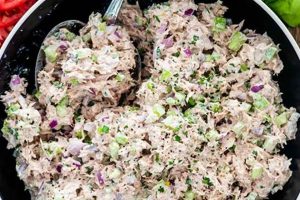
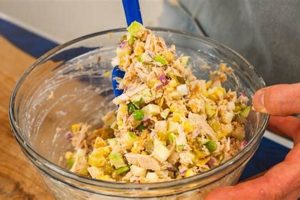
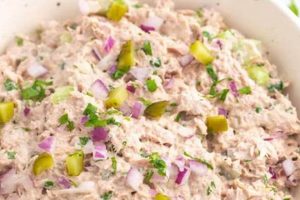
A combination of canned tuna, apples, and other ingredients like mayonnaise, celery, and onion creates a refreshing and protein-rich salad. Variations can include dried fruit, nuts, and different dressings, offering a range of flavor profiles from sweet and savory to tangy and creamy. A simple version might involve canned tuna, diced apple, mayonnaise, and a squeeze of lemon juice, while more complex versions incorporate ingredients like walnuts, grapes, or curry powder.
This type of salad offers a nutritious and convenient meal option. Canned tuna provides protein and omega-3 fatty acids, while apples contribute fiber and vitamins. The dish can be adapted to various dietary needs and preferences, with options for low-fat mayonnaise, Greek yogurt, or dairy-free alternatives. Its versatility extends to serving occasions, suitable for a light lunch, a side dish at a picnic, or a component of a larger meal. Historically, similar combinations of fruit and protein, often featuring fish or poultry, have been culinary staples across cultures.
This exploration will further examine variations of this dish, including specific ingredient combinations, preparation techniques, and nutritional information. Tips for ingredient selection and storage, alongside suggestions for presentation and serving, will also be provided.
Tips for a Delicious Tuna Apple Salad
Creating a flavorful and satisfying tuna apple salad involves careful consideration of ingredients and preparation techniques. The following tips offer guidance for achieving optimal results.
Tip 1: Drain the tuna thoroughly. Excess liquid can make the salad watery and dilute the flavor. Pressing the tuna gently with a fork helps remove excess moisture.
Tip 2: Choose crisp, tart apples. Varieties like Granny Smith, Honeycrisp, or Fuji provide a pleasant contrast to the richness of the tuna. Avoid overripe apples, which can become mushy.
Tip 3: Add a touch of acidity. Lemon juice or apple cider vinegar enhances the flavors and helps prevent the apples from browning. A small amount is sufficient to achieve the desired effect.
Tip 4: Consider incorporating textural elements. Chopped celery, walnuts, or dried cranberries offer a satisfying crunch. Red onion adds a sharp bite.
Tip 5: Select a complementary dressing. Mayonnaise is a classic choice, but Greek yogurt or a vinaigrette offer lighter alternatives. Experiment with different herbs and spices within the dressing to customize the flavor profile.
Tip 6: Chill before serving. Allowing the salad to chill in the refrigerator for at least 30 minutes allows the flavors to meld and enhances the overall experience.
Tip 7: Don’t overmix. Gentle folding preserves the texture of the ingredients. Overmixing can result in a mushy salad.
By following these tips, one can elevate a simple tuna apple salad into a delightful culinary creation. Attention to detail in ingredient selection, preparation, and presentation yields a dish that is both flavorful and visually appealing.
These tips provide a solid foundation for preparing this versatile dish. Experimentation with different flavor combinations and presentation styles further expands the possibilities.
1. Ingredient Quality

Ingredient quality significantly impacts the overall flavor, texture, and nutritional value of a tuna apple salad. Selecting superior ingredients elevates this simple dish from ordinary to exceptional. Compromising on quality can result in a bland, watery, or less nutritious final product.
- Tuna Selection
Opting for high-quality canned tuna packed in water or olive oil, rather than oil, contributes to a cleaner flavor and healthier profile. Albacore tuna offers a delicate flavor, while skipjack provides a firmer texture. Avoiding tuna packed in soy or vegetable oil minimizes unwanted flavors. Fresh tuna, if available and properly handled, presents a premium option.
- Apple Variety
The choice of apple variety influences both the flavor and texture of the salad. Crisp, tart apples such as Granny Smith, Honeycrisp, or Braeburn provide a refreshing contrast to the richness of the tuna. Avoiding mealy or overripe apples prevents a mushy texture. The apple’s sweetness and tartness should complement, not overpower, the other ingredients.
- Freshness of Produce
Utilizing fresh, crisp celery and onion enhances the overall flavor and texture. Wilted or aged produce can impart off-flavors and detract from the salad’s appeal. Proper storage of these ingredients prior to preparation is crucial for maintaining their quality.
- Mayonnaise and Other Additions
Selecting a high-quality mayonnaise, preferably one made with natural ingredients, contributes to a richer, more flavorful salad. Likewise, the choice of additional ingredients, such as nuts, dried fruits, or herbs, should prioritize quality and freshness. Stale nuts or dried fruit can negatively impact the overall flavor and texture.
Careful attention to ingredient quality ensures a tuna apple salad that is not only flavorful and visually appealing but also nutritionally sound. The synergy between high-quality ingredients elevates the final product, demonstrating that even simple dishes benefit from a focus on sourcing the best components. The overall culinary experience is directly related to the quality of each individual element within the recipe.
2. Flavor Balance

Flavor balance is paramount in a successful tuna apple salad recipe. The inherent richness of tuna requires careful counterpoints to prevent an overly heavy or monotonous taste. Apples, with their varying degrees of sweetness and tartness, provide this crucial balance. The interplay of these primary ingredients establishes a foundation upon which other flavors can build. For example, a Granny Smith apple’s tartness offsets tuna’s richness more effectively than a sweeter Red Delicious, requiring less intervention from other acidic elements like lemon juice. This delicate calibration ensures the final product is neither too sweet nor too savory.
Beyond the core ingredients, achieving flavor balance involves strategic use of supporting components. The sharpness of red onion, the subtle bitterness of celery, and the earthiness of walnuts each contribute a distinct layer of flavor. These additions, while seemingly minor, play a crucial role in modulating the overall taste profile. Over-reliance on any single element can disrupt the balance. For instance, excessive onion can overpower the delicate apple and tuna flavors, while too many walnuts can create an excessively nutty profile. A well-balanced tuna apple salad exhibits a harmonious blend of flavors, where no single ingredient dominates.
Understanding the interplay of flavors and textures in a tuna apple salad allows for informed recipe adjustments and substitutions. Dietary restrictions or personal preferences can be accommodated without sacrificing flavor balance. Substituting Greek yogurt for mayonnaise creates a lighter, tangier profile that still complements the apple and tuna. Adding dried cranberries introduces a touch of sweetness while providing textural contrast. Successful adaptations hinge on recognizing how each ingredient contributes to the overall flavor profile and making calculated adjustments to maintain equilibrium. The ultimate goal is a cohesive and enjoyable culinary experience derived from the thoughtful orchestration of individual components.
3. Texture Variation
Texture variation is a critical element in a successful tuna apple salad recipe, elevating it beyond a simple combination of ingredients. A monotonous texture can lead to a less satisfying culinary experience, regardless of how well-balanced the flavors are. A dynamic interplay of textures creates interest and elevates the enjoyment of each bite. This is achieved through a thoughtful combination of ingredients, preparation techniques, and presentation considerations.
- Crunchy Elements
Incorporating crunchy elements provides a textural counterpoint to the softer textures of tuna and apple. Chopped celery, walnuts, or pecans are common choices. These additions provide a satisfying bite and prevent the salad from becoming overly smooth. The degree of crunch can be adjusted by varying the size of the pieces. For example, coarsely chopped walnuts provide a more pronounced crunch than finely diced celery. Consider toasting nuts to amplify their inherent crispness and aroma.
- Soft Components
The soft textures of tuna and apple form the base of the salad. The type of apple influences this texture a softer apple like McIntosh will contribute a different mouthfeel compared to a firmer Honeycrisp. The preparation of the tuna also plays a role. Flaked tuna provides a softer texture than larger chunks. These softer components contrast with the crunchier elements, preventing an overly uniform texture.
- Creamy Binding Agent
The binding agent, typically mayonnaise or a similar dressing, contributes a creamy texture that coats the other ingredients and holds the salad together. The amount of dressing used influences the overall creaminess and moistness. Using too little can result in a dry salad, while too much can create an overly rich and heavy texture. Alternatives like Greek yogurt offer a lighter, tangier creaminess.
- Additional Textural Considerations
Other ingredients can further contribute to textural diversity. Dried cranberries or raisins introduce a chewy element, while grapes offer a juicy burst. Even the way the apple is prepared diced, sliced, or grated affects the final texture. Consider the interplay of these various textures to ensure a balanced and engaging culinary experience. A combination of crunchy, soft, creamy, and chewy elements elevates the overall enjoyment of the salad.
The interplay of these textural elements is crucial for creating a truly satisfying tuna apple salad. A well-executed salad offers a dynamic sensory experience, enhancing both the enjoyment of the flavors and the overall culinary appeal. Balancing the different textures ensures that each bite is interesting and prevents the salad from becoming bland or monotonous.
4. Preparation Method
Preparation methods significantly influence the final quality and flavor profile of tuna apple salad. Careful consideration of each step, from ingredient handling to the final mixing process, ensures optimal results. Overlooking seemingly minor details can compromise the texture, flavor balance, and overall appeal of the dish.
- Ingredient Handling
Proper handling of ingredients is crucial for maximizing flavor and texture. Thoroughly draining the tuna minimizes excess liquid, preventing a watery salad. Apples should be diced or chopped to a consistent size for even distribution and optimal texture. Promptly incorporating the apple after cutting helps prevent browning. If preparing other ingredients like celery or onion, similar attention to size and freshness is important.
- Mixing Technique
The mixing technique impacts the final texture and cohesion of the salad. Gentle folding ensures the ingredients combine without becoming overly mashed. Overmixing can result in a mushy, less appealing salad. The order of ingredient addition can also play a role; typically, the more delicate ingredients, such as the apple, are added towards the end to prevent damage.
- Chilling Time
Allowing the prepared salad to chill in the refrigerator for a period before serving enhances flavor development and melds the individual components into a cohesive whole. Chilling also firms the salad, improving its texture. The optimal chilling time varies depending on the specific recipe and the desired outcome.
- Dressing Incorporation
Proper incorporation of the dressing is essential for flavor distribution and overall texture. Adding the dressing gradually allows for adjustments to the consistency and prevents over-dressing. Ensuring the dressing evenly coats all ingredients contributes to a balanced flavor profile in every bite.
These seemingly straightforward steps in preparation contribute significantly to the final quality of tuna apple salad. Attention to detail at each stage ensures that the flavors meld harmoniously, the textures remain distinct, and the overall dish is appealing and enjoyable. Understanding the impact of each preparation step allows for adjustments based on personal preferences and ingredient variations, ultimately leading to a customized and satisfying culinary experience.
5. Presentation
Presentation plays a significant role in the overall perception and enjoyment of tuna apple salad. While flavor and texture are paramount, visual appeal enhances the dining experience. Thoughtful presentation elevates the dish from a simple meal to a more appealing culinary creation. Considerations range from the serving vessel to the arrangement of ingredients and accompanying garnishes.
- Serving Vessel
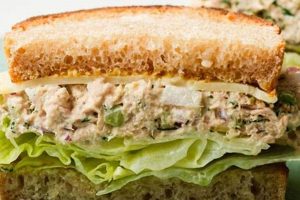
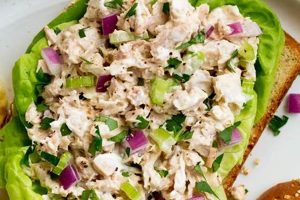
The choice of serving vessel influences the perceived elegance and formality of the dish. A simple bowl suits a casual setting, while a platter or individual ramekins suggest a more refined presentation. Serving the salad on a bed of lettuce adds visual appeal and a contrasting textural element. For sandwiches, the type of bread and its presentation whether sliced, as a wrap, or open-faced contribute to the overall aesthetic.
- Ingredient Arrangement
The arrangement of ingredients within the salad or on the serving vessel contributes to its visual appeal. A considered placement of ingredients, rather than a haphazard toss, demonstrates attention to detail. For example, reserving some of the key ingredients, such as apple slices or chopped nuts, to garnish the top of the salad creates visual interest. Alternatively, layering ingredients in a clear glass bowl showcases their variety and color.
- Garnishes
Garnishes provide an opportunity to enhance the presentation and complement the flavors of the salad. Fresh herbs, such as dill or parsley, add a touch of color and freshness. A sprinkle of paprika or a few capers introduce visual contrast and subtle flavor accents. Lemon wedges or apple slices positioned around the salad offer a refreshing visual and culinary complement.
- Contextual Considerations
The setting and occasion also influence presentation choices. A casual lunch might warrant a simple presentation, while a more formal meal calls for greater attention to detail. Presentation considerations extend beyond individual servings; for larger gatherings, buffet-style presentations require careful arrangement and attention to maintaining the salad’s freshness and visual appeal.
Effective presentation elevates the dining experience, transforming tuna apple salad from a basic dish into a more visually appealing and enjoyable culinary creation. By considering the serving vessel, ingredient arrangement, garnishes, and the overall context, one can enhance the presentation and create a more satisfying experience for the diner. The interplay of visual and culinary elements demonstrates a thoughtful approach to food preparation and enhances appreciation for the dish.
Frequently Asked Questions
This section addresses common inquiries regarding tuna apple salad preparation and variations. Understanding these aspects allows for greater control over the final product, accommodating individual preferences and dietary needs.
Question 1: What type of apple is best suited for tuna apple salad?
Crisp, tart apples like Granny Smith, Honeycrisp, or Braeburn provide a desirable contrast to the richness of the tuna. Sweeter varieties may overpower the other flavors.
Question 2: Can mayonnaise be substituted with a healthier alternative?
Greek yogurt or a light vinaigrette offer healthier alternatives to mayonnaise, contributing a tangy flavor and reducing overall fat content. Avocado can also provide a creamy texture with added nutritional benefits.
Question 3: How can browning of the apple be prevented?
A squeeze of lemon juice or a light coating of apple cider vinegar helps prevent enzymatic browning of the apple after it is cut. Incorporating the apple into the salad promptly also minimizes exposure to air.
Question 4: What can be added to enhance the salad’s texture?
Chopped celery, walnuts, pecans, or dried cranberries offer textural contrast to the softer components. Toasted nuts provide an intensified crunch and aroma.
Question 5: How long can tuna apple salad be stored in the refrigerator?
Properly stored in an airtight container, tuna apple salad typically remains safe to consume for three to five days in the refrigerator. However, quality and flavor may diminish over time.
Question 6: Can this salad be served as a main course or is it strictly a side dish?
While often served as a side dish or light lunch, the salad’s protein and fiber content allows it to function as a main course. Serving it on a bed of greens, accompanied by whole-grain bread, or incorporating additional protein sources like hard-boiled eggs expands its suitability as a more substantial meal.
Addressing these common inquiries promotes a deeper understanding of the versatility and adaptability of tuna apple salad, allowing for customized preparations that meet individual preferences and dietary needs.
The following section offers a selection of varied recipes based on the foundational principles discussed above.
Tuna Apple Salad Recipe
Exploration of the tuna apple salad recipe reveals a dish offering remarkable versatility and nutritional value. Careful ingredient selection, attention to flavor balance and textural contrast, and proper preparation techniques contribute significantly to the final product. From the crispness of the apple to the richness of the tuna, each component plays a vital role in the overall sensory experience. Adaptability to various dietary preferences and serving occasions further underscores the recipe’s enduring appeal.
The potential for customization within this seemingly simple recipe invites culinary creativity. Further exploration of flavor profiles, ingredient combinations, and presentation styles promises continued enjoyment and discovery. Ultimately, the tuna apple salad recipe stands as a testament to the enduring power of fresh ingredients and thoughtful preparation in creating a satisfying and nutritious meal.