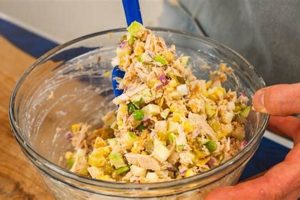
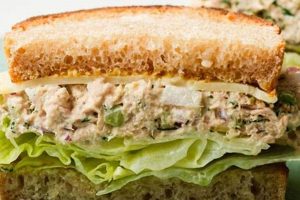
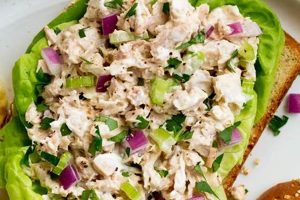
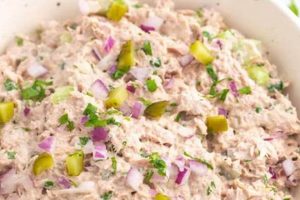
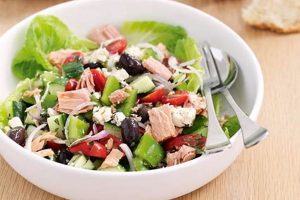
A simple preparation of this dish typically involves canned tuna, mayonnaise, and seasonings. Common additions include celery, onion, and relish. Variations can range from a basic blend to more complex versions incorporating ingredients like hard-boiled eggs, grapes, or nuts.
Quick, affordable, and protein-rich, this type of meal offers a convenient and nutritious option for lunches, snacks, or light dinners. Its adaptability lends itself to diverse palates and dietary needs, as ingredients can be easily adjusted to suit individual preferences or restrictions. Historically, canned tuna became popular in the early 20th century, leading to a surge in the popularity of related dishes as convenient meal solutions.
The following sections will explore variations on this classic dish, offering detailed instructions and tips for creating flavorful and satisfying meals. From classic combinations to innovative twists, a range of options will be presented to cater to every taste.
Tips for a Delicious Tuna Salad
Creating a flavorful and satisfying tuna salad involves more than just combining ingredients. These tips offer guidance on achieving optimal texture, flavor, and overall quality.
Tip 1: Quality Tuna Selection: Opting for high-quality canned tuna, packed in water or oil, significantly impacts the final flavor. Consider solid or chunk light tuna for a firmer texture, or albacore for a milder taste.
Tip 2: Mayonnaise Mastery: Mayonnaise serves as the binder and flavor base. Experiment with different types, such as light, olive oil-based, or even plain Greek yogurt for a healthier alternative. Start with a small amount and add more to achieve desired consistency.
Tip 3: Enhancing Flavor Profiles: Classic additions such as finely diced celery and red onion contribute both texture and flavor complexity. Experiment with other ingredients like chopped pickles, bell peppers, or fresh herbs (dill, parsley, chives) to personalize the taste.
Tip 4: Seasoning Strategies: Salt and freshly ground black pepper are essential. Consider incorporating other seasonings such as garlic powder, onion powder, paprika, or a dash of lemon juice for a brighter flavor profile.
Tip 5: Texture Considerations: Avoid overmixing the salad, as this can result in a mushy texture. Gently fold the ingredients together until just combined. For added crunch, incorporate chopped nuts, water chestnuts, or sunflower seeds.
Tip 6: Proper Chilling: Chilling the prepared salad for at least 30 minutes allows the flavors to meld and enhances the overall taste experience. This step is particularly beneficial when using stronger flavored ingredients.
Tip 7: Serving Suggestions: Tuna salad offers versatility in its presentation. Serve it on bread, crackers, lettuce wraps, or as a filling for sandwiches, wraps, or deviled eggs.
By following these tips, one can elevate a simple tuna salad from ordinary to extraordinary, maximizing flavor and creating a satisfying culinary experience.
In conclusion, preparing a delicious tuna salad is achievable with attention to detail and a few key techniques. Experimentation with flavors and textures allows for personalized variations that cater to individual preferences.
1. Quality Canned Tuna

The foundation of an easy tuna salad recipe rests upon the selection of quality canned tuna. The tuna’s inherent characteristicsflavor, texture, and overall qualitydirectly impact the final dish. Understanding the nuances of canned tuna selection ensures a superior culinary outcome.
- Species and Cut:
Different tuna species offer varying flavor profiles and textures. Albacore, known for its mild flavor and delicate flakes, contrasts with skipjack, which possesses a stronger, more robust taste. The cut, whether solid, chunk, or flaked, influences the salad’s texture. Solid or chunk offer larger pieces, while flaked provides a finer consistency.
- Packing Medium:
Tuna packed in water offers a leaner option, allowing the tuna’s natural flavor to shine. Oil-packed tuna contributes richness and a smoother texture, often enhancing the overall flavor profile. The choice depends on individual dietary preferences and desired salad characteristics.
- Sustainability and Sourcing:
Sustainably sourced tuna ensures responsible fishing practices that protect marine ecosystems. Choosing brands committed to sustainability contributes to ocean health and aligns with ethical consumption practices. Certifications like the Marine Stewardship Council (MSC) label provide guidance for informed choices.
- Freshness and Appearance:
While canned tuna boasts a long shelf life, opting for cans with later expiration dates maximizes freshness. Upon opening, the tuna should exhibit a healthy appearance and a clean, pleasant aroma. Avoid any signs of discoloration or off-putting odors.
The interplay of these factors contributes significantly to the ease and success of a tuna salad recipe. By prioritizing quality canned tuna, one establishes a strong foundation for a flavorful and satisfying dish. Overlooking this crucial element can compromise the overall quality and enjoyment of the final product, highlighting the importance of informed tuna selection.
2. Suitable Mayonnaise

Mayonnaise plays a crucial role in an easy tuna salad recipe, acting as both a binder and a significant flavor component. The choice of mayonnaise directly influences the salad’s texture, richness, and overall palatability. An unsuitable selection can result in a dry, bland, or overly tangy salad, highlighting the importance of careful consideration.
Classic mayonnaise, typically made with oil, egg yolks, and vinegar or lemon juice, offers a balanced flavor profile and creamy texture well-suited for tuna salad. However, variations exist, each contributing unique characteristics. Light mayonnaise, with its lower fat content, results in a lighter salad, while olive oil-based mayonnaise adds a subtle fruity note. Plain Greek yogurt can serve as a healthier alternative, imparting a tangy flavor and increasing protein content. The quantity of mayonnaise also plays a crucial role; too little results in a dry salad, while an excess creates a gloppy consistency. The optimal amount depends on the desired texture and other ingredients. For example, a salad with more vegetables may require additional mayonnaise to maintain moisture.
Understanding the impact of mayonnaise selection ensures a successful and enjoyable tuna salad. Careful consideration of flavor profiles, fat content, and quantity empowers one to create a dish tailored to individual preferences. Ignoring the importance of suitable mayonnaise can compromise the final product, emphasizing its significance within the broader context of an easy tuna salad recipe.
3. Crisp Vegetables

Crisp vegetables contribute significantly to the texture and flavor profile of an easy tuna salad recipe. Their inclusion elevates the dish beyond a simple protein and mayonnaise blend, adding a refreshing counterpoint and preventing a monotonous consistency. The textural contrast between the soft tuna and mayonnaise, and the crunchy vegetables creates a more dynamic and satisfying culinary experience. Celery, a classic choice, offers a mild, slightly bitter flavor and distinct crunch. Red onion introduces a sharp, pungent note and a crisp bite. Bell peppers, available in various colors, contribute sweetness and a satisfying snap. These additions not only enhance the textural complexity but also introduce vitamins, minerals, and dietary fiber, increasing the nutritional value of the salad.
The choice and preparation of vegetables directly impact the final outcome. Limp or soggy vegetables detract from the desired texture and can introduce excess moisture, leading to a watery salad. Proper storage and crisp preparation techniques are essential. Washing and thoroughly drying vegetables before chopping prevents excess moisture. Storing chopped vegetables in airtight containers lined with paper towels helps maintain crispness. Chilling the vegetables before incorporating them into the salad also enhances their crunch. Beyond the classic choices, other crisp vegetables like chopped water chestnuts, jicama, or shredded carrots can offer unique flavor and texture variations. The quantity of vegetables also plays a role in the overall balance; an excess can overwhelm the tuna, while too little diminishes the desired textural contrast.
Integrating crisp vegetables into an easy tuna salad recipe exemplifies a simple yet effective culinary strategy: the interplay of textures and flavors. This principle extends beyond basic tuna salad to countless other dishes, highlighting the importance of considering texture as a key element in recipe development. Understanding the role of crisp vegetables and their proper handling enables the creation of a more satisfying and nutritionally balanced meal, elevating a simple tuna salad from ordinary to extraordinary.
4. Balanced Seasonings
Balanced seasonings are essential for a flavorful easy tuna salad recipe. The inherent flavor of canned tuna, while palatable, benefits significantly from the judicious application of seasonings. A bland or overly seasoned salad diminishes the enjoyment of the dish, underscoring the importance of achieving a harmonious balance. This balance involves not only the types of seasonings used but also their quantities. Salt and freshly ground black pepper serve as the foundation, enhancing the tuna’s natural flavor without masking it. The quantity of salt should be carefully controlled, as over-salting can render the salad unappetizing. Freshly ground black pepper adds a subtle heat and complexity, further enhancing the overall flavor profile. Beyond these fundamental seasonings, other additions can elevate the salad’s complexity.
A touch of acidity, often achieved through a squeeze of lemon juice or a dash of white wine vinegar, brightens the flavors and adds a refreshing element. Garlic powder or onion powder, used sparingly, introduce subtle savory notes without overpowering the delicate tuna flavor. A pinch of paprika, either sweet or smoked, contributes a warm, earthy depth. Fresh herbs, such as dill, parsley, or chives, offer a bright, herbaceous counterpoint, further enhancing the salad’s complexity. In practical application, achieving this balance often involves a process of incremental addition and tasting. Starting with small amounts of each seasoning and gradually increasing them allows for careful control and prevents over-seasoning. The specific balance of seasonings may also be adjusted based on individual preferences and the other ingredients in the salad. For example, a salad containing sweeter elements, such as grapes or dried cranberries, might benefit from a touch more acidity to balance the sweetness.
The impact of balanced seasonings extends beyond mere flavor enhancement. A well-seasoned tuna salad offers a more satisfying and enjoyable culinary experience, demonstrating the interconnectedness of flavor, aroma, and overall enjoyment. The careful consideration and application of seasonings elevate a simple tuna salad recipe from basic sustenance to a more complex and rewarding dish. This principle of balance applies broadly to culinary endeavors, highlighting the importance of understanding and utilizing seasonings effectively to achieve desired flavor profiles.
5. Gentle Mixing
Gentle mixing is a critical step in creating a desirable texture for an easy tuna salad recipe. Overly vigorous mixing can compromise the structural integrity of the ingredients, leading to a less appealing final product. Understanding the rationale behind this technique ensures a more palatable and visually appealing tuna salad.
- Preserving Tuna Texture:
Canned tuna, whether solid or chunk, possesses a delicate structure. Aggressive mixing breaks down these pieces, resulting in a mushy, less desirable texture. Gentle mixing maintains the integrity of the tuna pieces, contributing to a more pleasant mouthfeel. This principle applies equally to other ingredients, such as cooked chicken or salmon, used in similar salad preparations.
- Maintaining Vegetable Crispness:
Incorporated vegetables, such as celery and onion, contribute desirable crispness to tuna salad. Overmixing can crush these vegetables, releasing excess moisture and diminishing their textural contribution. A light hand preserves their structural integrity, ensuring the intended textural contrast within the salad. This consideration is particularly important when using more delicate vegetables like leafy greens or sprouts.
- Mayonnaise Emulsion Stability:
Mayonnaise, the binding agent in tuna salad, relies on a stable emulsion. Vigorous mixing can disrupt this emulsion, leading to a separated or broken sauce. Gentle folding prevents this disruption, ensuring the mayonnaise maintains its creamy consistency and effectively binds the ingredients together. This principle also applies when incorporating other emulsified sauces, such as aioli or dressings, into salads.
- Visual Appeal:
The visual appeal of tuna salad contributes to its overall enjoyment. A gently mixed salad retains distinct ingredient definition, creating a more visually attractive dish. Conversely, an overmixed salad appears homogenous and less appetizing. This consideration is particularly relevant for presentations where the salad is visible, such as open-faced sandwiches or platter arrangements.
The technique of gentle mixing, while seemingly simple, significantly impacts the final quality of an easy tuna salad recipe. By preserving the texture of the ingredients and the stability of the mayonnaise emulsion, gentle mixing ensures a more palatable, visually appealing, and enjoyable culinary experience. This principle extends beyond tuna salad, applying broadly to various dishes where maintaining ingredient integrity is paramount.
6. Proper Chilling
Proper chilling plays a crucial role in enhancing the flavor profile and overall quality of an easy tuna salad recipe. Chilling allows the flavors of the various ingredientstuna, mayonnaise, vegetables, and seasoningsto meld and harmonize, resulting in a more cohesive and complex taste experience. This process occurs through diffusion, where the molecules responsible for flavor migrate and distribute more evenly throughout the mixture during the chilling period. Without sufficient chilling time, the individual flavors remain distinct and less integrated, potentially leading to a less satisfying culinary outcome. A practical example illustrates this principle: a freshly made tuna salad, while edible, often tastes brighter and more balanced after an hour of refrigeration. The flavors become more integrated, and the overall taste experience is enhanced.
Beyond flavor development, proper chilling also impacts the safety and texture of tuna salad. Chilling inhibits the growth of microorganisms, ensuring food safety, particularly crucial for dishes containing mayonnaise, a perishable ingredient. Furthermore, chilling firms the texture of the salad, making it easier to handle and spread, particularly beneficial when serving the salad in sandwiches or wraps. Consider a scenario where tuna salad is prepared for a picnic. Proper chilling not only enhances the flavor but also ensures food safety during transport and consumption, especially in warmer temperatures.
In conclusion, proper chilling is not merely a final step but an integral component of an easy tuna salad recipe. It contributes significantly to flavor development, food safety, and optimal texture. Understanding the scientific principles behind these effects underscores the importance of this often-overlooked step. The practical implications extend to various culinary applications, demonstrating the broader significance of proper chilling in enhancing the quality and enjoyment of prepared dishes.
7. Creative Serving Options
Creative serving options elevate an easy tuna salad recipe from a simple staple to a versatile culinary offering. While the foundational recipe remains consistent, the method of presentation significantly impacts the overall dining experience. This connection between preparation and presentation highlights the potential for culinary creativity, even within the constraints of an easy recipe. Consider the classic tuna salad sandwich: while inherently simple, variations in bread type, additions like lettuce or tomato, and grilling versus toasting transform the basic concept. Similarly, substituting crackers for bread offers a lighter, more textural alternative, demonstrating how serving options diversify the culinary experience.
Beyond the conventional sandwich or cracker presentation, numerous avenues exist for creative expression. Lettuce wraps provide a low-carbohydrate, refreshing alternative, aligning with contemporary dietary trends. Stuffed avocados offer a visually appealing and nutrient-rich option. Incorporating tuna salad into deviled eggs introduces a surprising twist on a classic appetizer. These examples illustrate how creative serving options broaden the appeal and versatility of tuna salad. A simple shift in presentation transforms the dish, catering to diverse palates and dietary preferences. Imagine a summer picnic: serving tuna salad in hollowed-out tomatoes presents a refreshing and visually appealing alternative to traditional sandwiches. Such adaptations showcase the practical significance of creative serving options in enhancing meal presentation and enjoyment.
In summary, creative serving options significantly impact the perception and enjoyment of an easy tuna salad recipe. They transform a basic dish into a versatile culinary tool, adaptable to various occasions and preferences. This connection between recipe and presentation underscores the importance of considering the entire dining experience, not merely the core ingredients. By exploring creative serving options, one unlocks the full potential of even the simplest recipes, maximizing culinary enjoyment and expanding culinary horizons.
Frequently Asked Questions
This section addresses common inquiries regarding easy tuna salad recipes, providing concise and informative responses.
Question 1: What is the best type of canned tuna to use?
Solid or chunk light tuna, packed in water or oil, generally provides the best balance of flavor, texture, and cost-effectiveness. Albacore offers a milder flavor but is often more expensive.
Question 2: How much mayonnaise should be used?
The ideal amount of mayonnaise depends on desired consistency. Start with a small amount and add more incrementally until the desired texture is achieved. Overuse of mayonnaise can result in a salad that is too wet.
Question 3: Can other ingredients be added besides celery and onion?
Numerous ingredients complement tuna salad. Chopped pickles, bell peppers, grapes, hard-boiled eggs, and various herbs all offer potential flavor and texture enhancements.
Question 4: How long can tuna salad be stored in the refrigerator?
Properly stored in an airtight container, tuna salad typically remains safe to consume for three to five days in the refrigerator. Spoilage signs include discoloration, off-odors, or unusual texture.
Question 5: Can tuna salad be frozen?
Freezing is generally not recommended. Mayonnaise-based salads often separate and become watery upon thawing, negatively impacting texture and flavor. Freezing also affects the texture of the tuna itself.
Question 6: What are some healthy variations?
Substituting plain Greek yogurt for a portion of the mayonnaise reduces fat and increases protein. Incorporating more vegetables, such as chopped carrots or bell peppers, further enhances nutritional value. Using whole-grain bread or crackers for serving also contributes to a healthier meal.
Understanding these fundamental aspects facilitates the creation of a successful and enjoyable tuna salad experience. Proper ingredient selection, mindful preparation, and appropriate storage contribute to optimal results.
Beyond these frequently asked questions, further exploration of tuna salad recipes and variations can expand culinary knowledge and inspire culinary creativity.
Easy Tuna Salad Recipe
This exploration of easy tuna salad recipes has highlighted the critical elements contributing to a successful outcome. From the selection of quality canned tuna and suitable mayonnaise to the incorporation of crisp vegetables and balanced seasonings, each component plays a vital role in the final product. Gentle mixing techniques preserve textural integrity, while proper chilling enhances flavor development and ensures food safety. Creative serving options extend the versatility of this simple dish, transforming it from a basic staple into a culinary canvas for personal expression.
Mastery of the easy tuna salad recipe extends beyond mere sustenance; it represents a foundational understanding of culinary principles applicable to a wide range of dishes. The interplay of ingredients, textures, and flavors within this seemingly simple preparation provides a valuable framework for culinary exploration and innovation. Further experimentation with ingredients and presentation offers a pathway to personalized culinary experiences, demonstrating the enduring appeal and adaptability of the easy tuna salad recipe.