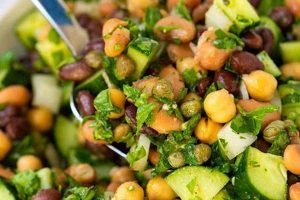
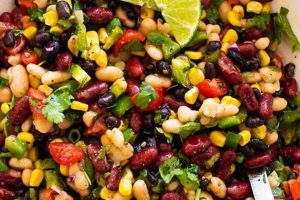
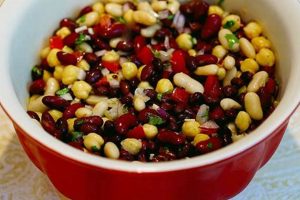
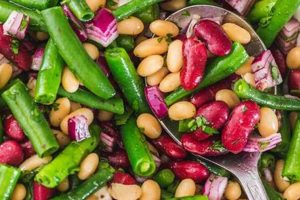
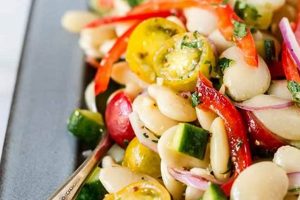
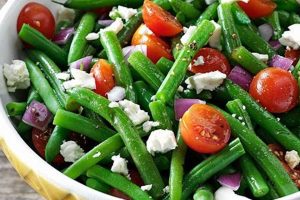
A vibrant and refreshing dish, typically composed of fresh or canned corn kernels, various types of beans (such as black beans, kidney beans, or pinto beans), and other complementary ingredients like diced bell peppers, red onion, and cilantro. A vinaigrette dressing often ties these elements together, creating a flavorful and nutritious meal or side dish. Variations can include additions like avocado, tomatoes, or roasted vegetables.
This type of salad offers a range of nutritional advantages, being a good source of protein, fiber, and complex carbohydrates. Its versatility allows for adaptability to different dietary needs and preferences, making it a suitable option for vegetarian, vegan, and gluten-free diets. Historically, the combined use of corn and beans in culinary traditions reflects their significance as staple crops in various cultures, particularly across the Americas. Their compatibility in terms of flavor and nutritional value has made them a mainstay in numerous cuisines.
This exploration will delve into diverse variations of this culinary combination, offering insights into ingredient selection, preparation techniques, and dressing options. Whether seeking a simple side dish or a more complex main course salad, guidance will be provided to craft a flavorful and nutritious meal.
Tips for Creating a Delicious Corn and Bean Salad
Elevating a simple combination of corn and beans into a culinary masterpiece requires attention to detail and thoughtful ingredient selection. These tips offer guidance for crafting a flavorful and visually appealing salad.
Tip 1: Embrace Fresh Ingredients: Whenever possible, opt for fresh corn kernels cut from the cob and freshly cooked beans. These provide superior texture and flavor compared to canned alternatives.
Tip 2: Balance Textures: Consider incorporating contrasting textures. Crispy bell peppers or red onion can complement the softer textures of beans and corn. Roasted vegetables add another layer of complexity.
Tip 3: Explore Flavor Combinations: Experiment with different herbs and spices. Cilantro, cumin, chili powder, or lime zest can enhance the overall flavor profile.
Tip 4: Dress it Right: The vinaigrette is crucial. A simple lime vinaigrette or a slightly sweeter dressing with honey or maple syrup can complement the other ingredients.
Tip 5: Proper Bean Preparation: If using dried beans, ensure thorough soaking and cooking to achieve optimal tenderness. Rinsing canned beans removes excess sodium and starch.
Tip 6: Timing is Key: To prevent a soggy salad, add the dressing just before serving. This preserves the crispness of the vegetables and maintains the desired texture.
Tip 7: Consider Color: A visually appealing salad enhances the dining experience. Incorporate colorful ingredients like red bell peppers, black beans, and vibrant herbs to create a visually stunning dish.
By following these tips, one can transform a basic combination of ingredients into a memorable and satisfying culinary experience. Attention to detail, from ingredient selection to dressing choice, elevates this simple salad to new heights.
These guidelines provide a starting point for culinary exploration, encouraging experimentation and customization to create a dish that reflects individual tastes and preferences.
1. Ingredient Selection
Ingredient selection forms the foundation of a successful corn and bean salad recipe, impacting flavor, texture, and nutritional value. Careful consideration of each component ensures a balanced and satisfying dish. The following facets highlight key aspects of ingredient selection.
- Type of Corn
Fresh, frozen, or canned corn can be utilized. Fresh corn, when in season, offers optimal sweetness and texture. Frozen corn provides convenience, while canned corn requires thorough rinsing to remove excess sodium. The choice influences the overall flavor profile and preparation time.
- Bean Variety
Diverse bean varieties, including black beans, kidney beans, pinto beans, or cannellini beans, contribute distinct flavors and textures. Black beans offer a rich, earthy flavor, while kidney beans provide a firmer texture. This variety allows for customization based on preference and dietary needs.
- Complementary Vegetables
Incorporating additional vegetables enhances flavor and nutritional value. Diced bell peppers, red onion, chopped celery, or avocado introduce contrasting textures and colors. These additions create a more complex and visually appealing salad.
- Herbs and Spices
Fresh herbs like cilantro, parsley, or mint add brightness and depth of flavor. Spices such as cumin, chili powder, or smoked paprika enhance the overall flavor profile, creating a more nuanced culinary experience.
Strategic ingredient selection elevates the corn and bean salad from a simple combination to a dynamic and flavorful dish. The interplay between the chosen corn, beans, vegetables, and herbs ultimately determines the salad’s character, offering a wide range of culinary possibilities. Understanding these elements allows for informed choices that cater to individual preferences and dietary requirements.
2. Flavor Balancing
Flavor balancing is paramount in a successful corn and bean salad recipe. The inherent sweetness of corn, the earthy notes of beans, and the acidity of the dressing must harmonize to create a cohesive and palatable dish. Without proper balance, one element can overpower the others, resulting in a less satisfying culinary experience. This balance is achieved through careful consideration of each ingredient’s flavor profile and the proportions in which they are combined. For example, the sweetness of corn can be tempered by the savory depth of black beans and the brightness of a lime vinaigrette. Conversely, the earthiness of kidney beans might require a sweeter dressing element, such as a touch of maple syrup, to achieve equilibrium.
The interplay of flavors extends beyond the core ingredients. Complementary vegetables, herbs, and spices contribute to the overall balance. The sharpness of red onion, the herbaceousness of cilantro, and the warmth of cumin can all play a crucial role in enhancing the flavor profile. A salad featuring corn, black beans, red onion, cilantro, and a lime vinaigrette exemplifies a well-balanced combination. The sweetness of the corn is offset by the onion’s pungency and the cilantro’s herbal notes, while the lime vinaigrette provides acidity to tie all the elements together. Alternatively, a salad with corn, kidney beans, roasted red peppers, and a cumin-lime dressing demonstrates a different flavor dynamic. The roasted peppers introduce a smoky sweetness, while the cumin adds an earthy warmth that complements the kidney beans. The lime in the dressing provides a necessary acidic counterpoint.
Mastering flavor balancing in a corn and bean salad requires understanding the interplay of sweet, savory, acidic, and spicy elements. The careful selection and proportioning of ingredients are crucial for creating a dish that is both flavorful and harmonious. By considering the inherent flavors of each component and how they interact, one can craft a salad that offers a complex and satisfying culinary experience. Achieving this balance not only enhances the taste but also elevates the overall enjoyment of the dish, demonstrating the practical significance of this culinary principle.
3. Texture Contrast

Texture contrast significantly contributes to the overall enjoyment of a corn and bean salad recipe. A successful salad engages multiple senses, and textural variety elevates the eating experience beyond mere taste. This contrast prevents monotony and adds complexity, making each bite more interesting. The interplay of textures stimulates the palate, enhancing the perception of flavors and creating a more dynamic culinary experience. Consider the interplay of creamy beans, crisp corn kernels, and crunchy vegetables. Without textural variation, the salad becomes one-dimensional. The addition of crunchy elements, such as diced bell peppers, red onion, or toasted pepitas, provides a counterpoint to the softer textures of the beans and corn.
Several techniques can enhance texture contrast. Roasting vegetables, like bell peppers or zucchini, imparts a smoky flavor and a slightly charred texture. Toasting nuts or seeds adds a satisfying crunch. Even the choice of cornfresh off the cob versus cannedimpacts the final texture. Fresh corn offers a juicier, more substantial bite compared to the softer texture of canned corn. A salad featuring fresh corn, black beans, roasted red peppers, diced red onion, and toasted pepitas exemplifies effective texture contrast. The juicy corn kernels and creamy black beans are complemented by the crisp red onion, the slightly charred red peppers, and the crunchy pepitas. This variety of textures provides a multi-sensory experience that enhances the overall enjoyment of the dish.
Understanding the importance of texture contrast enables the creation of more dynamic and satisfying corn and bean salads. Thoughtful ingredient selection and preparation methods play a crucial role in achieving this balance. A well-executed texture contrast elevates the dish from simple to sophisticated, transforming a basic combination of ingredients into a memorable culinary creation. This principle applies not only to corn and bean salads but also to a wider range of culinary endeavors, highlighting the significance of textural variation in achieving a balanced and enjoyable dining experience.
4. Dressing Choice

Dressing choice is a pivotal element in a corn and bean salad recipe, significantly influencing the final flavor profile and overall enjoyment. The dressing acts as a unifying agent, binding the individual components together and creating a cohesive culinary experience. A well-chosen dressing complements the inherent flavors of the corn and beans, enhancing their natural sweetness and earthiness while adding a contrasting acidic or tangy note. An inappropriate dressing can mask these delicate flavors, resulting in a less satisfying dish. This section explores various facets of dressing selection, highlighting their impact on the overall success of the salad.
- Vinaigrettes
Vinaigrettes, typically composed of oil and vinegar, offer a light and refreshing counterpoint to the richness of beans and corn. The acidity of the vinegar cuts through the sweetness of the corn, creating a balanced flavor profile. A simple vinaigrette with olive oil, lime juice, and a touch of honey provides a classic example. Variations can include additions like Dijon mustard, minced garlic, or herbs such as cilantro or oregano.
- Creamy Dressings
Creamy dressings, such as those based on sour cream, yogurt, or mayonnaise, offer a richer and more decadent alternative. These dressings can provide a textural contrast to the salad’s other components. However, careful consideration must be given to flavor pairings. A creamy cilantro-lime dressing, for instance, can complement the flavors of black beans and corn, while a chipotle-lime dressing might pair better with a southwestern-inspired salad containing pinto beans and roasted corn. Overly rich dressings can overwhelm the delicate flavors of the salad, so moderation is key.
- Herbaceous Dressings
Herbaceous dressings, often based on vinaigrettes or creamy bases, incorporate fresh herbs to add brightness and complexity. Freshly chopped cilantro, parsley, mint, or chives can elevate a simple vinaigrette, creating a more nuanced flavor profile. For example, a parsley-mint vinaigrette with lemon juice and olive oil offers a refreshing option, while a creamy cilantro-lime dressing can add depth and complexity to a salad with black beans and corn.
- Spicy Dressings
Spicy dressings introduce heat and complexity, adding another dimension to the flavor profile. Incorporating ingredients like jalapeos, chipotle peppers, or chili flakes can create a dynamic interplay of flavors. A chipotle-lime vinaigrette offers a smoky heat that complements the sweetness of corn and the earthiness of beans, while a jalapeo-lime dressing adds a fresh, vibrant spice. The level of spice should be balanced with the other flavors in the salad to avoid overpowering the dish.
The choice of dressing significantly impacts the final character of a corn and bean salad. Selecting a dressing that complements the chosen ingredients and balances the overall flavor profile is essential for creating a harmonious and enjoyable culinary experience. From light and tangy vinaigrettes to rich and creamy dressings, the options are diverse, offering ample opportunity for customization and culinary exploration. The interplay between the dressing and the other ingredients elevates the salad from a simple combination to a complex and flavorful dish, showcasing the importance of this key element.
5. Preparation Methods
Preparation methods significantly influence the final quality and flavor profile of a corn and bean salad. Distinct techniques applied to each ingredient contribute to the overall texture, taste, and presentation of the dish. Careful consideration of these methods ensures a harmonious blend of flavors and textures, maximizing the culinary potential of this simple yet versatile salad. The impact of preparation methods extends beyond mere convenience; they directly affect the sensory experience of the final product.
Consider the preparation of beans. Dried beans require soaking and cooking to achieve optimal tenderness and digestibility. Soaking reduces cooking time and helps to break down complex sugars that can cause digestive discomfort. The cooking method itself, whether simmering on the stovetop or using a pressure cooker, impacts the beans’ texture. Overcooked beans become mushy, while undercooked beans remain firm and potentially unpleasant to eat. Canned beans, while convenient, often require rinsing to remove excess sodium and starch, which can negatively affect the salad’s flavor and texture. Similarly, corn preparation choices influence the final dish. Fresh corn, cut from the cob, offers superior sweetness and texture. Grilling or roasting corn kernels before adding them to the salad imparts a smoky depth of flavor. Frozen corn requires thawing and can benefit from a quick saut to enhance its flavor profile. Canned corn, while a viable option, necessitates draining and rinsing to optimize its integration into the salad.
Other vegetables included in the salad also benefit from specific preparation methods. Dicing vegetables uniformly ensures even cooking and distribution of flavors. Roasting vegetables, such as bell peppers or onions, intensifies their sweetness and adds a depth of flavor not achievable through raw preparation. Furthermore, proper handling of herbs and spices is essential. Fresh herbs should be chopped just before adding to the salad to preserve their vibrant flavors and aromas. Premature chopping can lead to oxidation and flavor degradation. Spices, whether used whole or ground, can be toasted briefly to enhance their aromatic complexity. Understanding the impact of these preparation methods allows for informed choices that maximize the flavor and textural complexity of the corn and bean salad. Attention to these details elevates the dish from a simple combination of ingredients to a carefully crafted culinary creation, demonstrating the integral role of preparation in achieving culinary excellence.
6. Nutritional Value
Nutritional value represents a significant aspect of a corn and bean salad recipe, contributing to its appeal as a healthful and satisfying meal option. This dish offers a rich source of essential nutrients, making it a valuable addition to a balanced diet. Understanding the nutritional composition of this salad provides insights into its health benefits and facilitates informed dietary choices.
- Protein Content
The combination of corn and beans provides a substantial amount of protein, essential for building and repairing tissues, supporting immune function, and maintaining healthy metabolism. Beans, specifically, are recognized as a valuable source of plant-based protein. Different bean varieties offer varying protein levels, further enhancing the nutritional profile of the salad. This protein content makes the salad a suitable option for vegetarians, vegans, and individuals seeking to increase their protein intake.
- Fiber Richness
Both corn and beans contribute significant dietary fiber, promoting digestive health, regulating blood sugar levels, and supporting satiety. Fiber aids in preventing constipation, lowering cholesterol levels, and maintaining a healthy gut microbiome. The high fiber content of this salad makes it a filling and satisfying meal option, contributing to weight management efforts.
- Micronutrient Profile
Corn and bean salads offer a range of essential micronutrients, including vitamins and minerals crucial for various bodily functions. Corn provides vitamin C, an antioxidant that supports immune function and collagen production. Beans offer iron, essential for red blood cell production and oxygen transport, and folate, crucial for cell growth and development. The specific micronutrient profile can vary based on the chosen bean and vegetable varieties, further diversifying the nutritional benefits.
- Complex Carbohydrates
The complex carbohydrates found in corn and beans provide sustained energy release, preventing blood sugar spikes and promoting stable energy levels throughout the day. Unlike simple sugars, complex carbohydrates are digested more slowly, providing a more consistent source of fuel for the body. This sustained energy release makes the salad an ideal option for active individuals and those seeking to maintain stable blood sugar control.
The nutritional value of a corn and bean salad reinforces its position as a healthy and versatile meal option. The combination of protein, fiber, micronutrients, and complex carbohydrates contributes to a well-rounded nutritional profile, supporting various aspects of health and well-being. Incorporating this salad into a balanced diet can contribute to improved energy levels, enhanced digestive health, and overall nutritional intake. The specific nutritional content can be further optimized through ingredient selection, allowing for customization based on individual dietary needs and preferences.
7. Serving Suggestions
Serving suggestions provide crucial context for a corn and bean salad recipe, transforming a basic dish into a versatile culinary component. Appropriate presentation enhances the dining experience, impacting perceived value and overall enjoyment. A thoughtfully presented salad signifies care and attention to detail, elevating it beyond a simple side dish. Serving suggestions bridge the gap between recipe and application, demonstrating the salad’s adaptability within various meal structures and culinary contexts. This understanding allows for greater culinary flexibility and encourages creative meal planning.
Consider the difference between presenting the salad as a light lunch, a vibrant side dish, or a component within a larger meal. As a light lunch, the salad might be served with a side of crusty bread or a dollop of plain yogurt. As a vibrant side dish accompanying grilled fish or chicken, the salad provides a refreshing counterpoint to richer flavors. Incorporated into a taco bar or buffet spread, the salad offers a customizable and healthful option for guests. These varied serving suggestions demonstrate the salad’s adaptability, allowing it to complement diverse culinary landscapes. Furthermore, presentation impacts perceived flavor. A salad served in a plain bowl conveys a different message than one artfully arranged on a platter with complementary garnishes. Visual appeal enhances the dining experience, impacting perceived taste and overall satisfaction.
Effective serving suggestions consider the target audience and occasion. A casual backyard barbecue might call for a simple presentation in a large bowl, while a more formal dinner party might warrant individual servings in elegant glassware. The seasonality of ingredients can also inform serving suggestions. A summer corn and bean salad might be served chilled, while a winter version could be served at room temperature or slightly warmed. Understanding the interplay between recipe, presentation, and context allows for a more nuanced and impactful culinary experience. Thoughtful serving suggestions transform a basic corn and bean salad into a versatile culinary asset, suitable for a wide range of occasions and palates. This understanding allows for a deeper appreciation of the recipe’s potential and empowers individuals to utilize it effectively within diverse culinary settings.
Frequently Asked Questions
This section addresses common inquiries regarding corn and bean salad recipes, providing clear and concise information to facilitate successful preparation and enjoyment.
Question 1: Can dried beans be used instead of canned beans?
Dried beans offer enhanced flavor and texture compared to canned varieties. However, they require pre-soaking and cooking, adding to preparation time. Soaking dried beans overnight reduces cooking time and improves digestibility. Thorough cooking ensures optimal tenderness and eliminates potential antinutrients.
Question 2: How can sodium content be reduced when using canned ingredients?
Rinsing canned beans and corn under cold water significantly reduces sodium content. This step removes excess brine and starch, improving the overall flavor and texture of the salad.
Question 3: What methods enhance the flavor of frozen corn?
Thawing frozen corn and subsequently sauting it briefly in a pan with a small amount of oil enhances its flavor and texture. Roasting frozen corn in the oven achieves a similar result, imparting a subtle smoky char.
Question 4: How long can this salad be stored in the refrigerator?
Properly stored in an airtight container, this salad typically remains fresh for up to three days in the refrigerator. Adding the dressing just before serving helps maintain the crispness of the vegetables and prevents the salad from becoming soggy.
Question 5: What are suitable alternatives to lime juice in the vinaigrette?
Lemon juice, red wine vinegar, or apple cider vinegar offer viable alternatives to lime juice in the vinaigrette. The choice depends on the desired flavor profile and the other ingredients in the salad. Each alternative imparts a unique flavor profile that can complement or contrast the sweetness of the corn and the earthiness of the beans.
Question 6: How can this salad be adapted for specific dietary needs, such as gluten-free or vegan diets?
This salad inherently aligns with gluten-free and vegan diets. Ensuring all added ingredients, such as dressings or spices, are also gluten-free and vegan maintains dietary compliance. Specific dietary certifications on packaged ingredients offer further assurance.
Addressing these common inquiries enhances understanding and empowers individuals to create flavorful and nutritious corn and bean salads tailored to individual preferences and dietary requirements.
This comprehensive guide provides a strong foundation for exploring the versatility of corn and bean salad recipes, encouraging culinary creativity and confident experimentation.
Corn and Bean Salad Recipe
Exploration of corn and bean salad recipes reveals a dish adaptable to diverse culinary preferences and nutritional needs. Careful ingredient selection, encompassing fresh produce and complementary components, forms the foundation for a successful outcome. Balancing flavorsthe sweetness of corn, the earthiness of beans, the acidity of dressings, and the addition of herbs and spicescreates a harmonious flavor profile. Texture contrast, achieved through incorporating crunchy vegetables and properly prepared beans, elevates the sensory experience. Nutritional value, stemming from protein, fiber, and micronutrient content, positions this salad as a healthful meal option. Serving suggestions, ranging from light lunches to side dishes, demonstrate versatility.
Culinary exploration extends beyond basic combinations, encouraging experimentation with diverse ingredients and flavor profiles. Understanding the interplay of these elements allows for the creation of personalized variations, reflecting individual tastes and dietary requirements. This adaptable recipe provides a canvas for culinary creativity, empowering individuals to craft flavorful and nutritious meals.