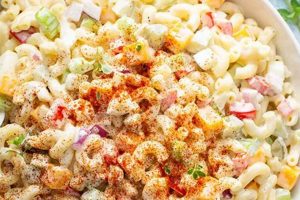
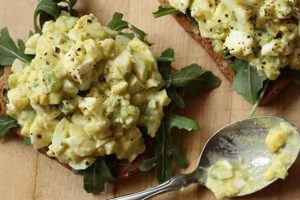
A combination of canned tuna, hard-boiled eggs, and mayonnaise forms the foundation of this classic dish. Often enhanced with celery, onion, relish, and seasonings, the mixture provides a versatile, protein-rich meal option. Variations can include different types of mayonnaise, mustard, or the addition of ingredients like grapes, apples, or nuts. Serving suggestions range from sandwiches and crackers to lettuce wraps or as a filling for tomatoes or avocados.
This easily prepared dish offers a convenient and affordable way to enjoy a balanced meal. Its adaptability allows for customization based on individual preferences and dietary needs. Historically, the accessibility of canned tuna and the relative simplicity of combining ingredients contributed to the dish’s popularity, particularly as a quick lunch or light supper. Its enduring appeal lies in the satisfying combination of flavors and textures, along with its nutritional value.
Further exploration will cover variations on the basic formula, tips for achieving optimal flavor and texture, and suggestions for creative presentation and serving.
Tips for a Superior Tuna and Egg Salad
Elevating tuna and egg salad from simple to exceptional involves attention to detail and a few key techniques. The following tips offer guidance on ingredient selection, preparation methods, and flavor enhancement.
Tip 1: Quality Ingredients Matter: Opting for high-quality canned tuna packed in water or olive oil, rather than oil, contributes to a cleaner flavor profile. Fresh, free-range eggs enhance both taste and nutritional value.
Tip 2: Perfect Egg Cooking: Overcooked eggs can result in a dry, rubbery texture. Aim for a firm, yet still moist, yolk by carefully timing the boiling process and immediately immersing the eggs in cold water after cooking to halt further cooking.
Tip 3: Mindful Chopping: Consistent chopping of ingredients ensures a harmonious texture and prevents large chunks from overwhelming the overall blend. A fine dice for celery and onion creates a pleasant mouthfeel.
Tip 4: Mayonnaise Mastery: The type of mayonnaise significantly impacts the final flavor. Experiment with different varieties, such as classic, light, or flavored options, to achieve the desired richness and tang.
Tip 5: Seasoning Strategically: Freshly ground black pepper, a pinch of salt, and a touch of Dijon mustard can elevate the flavor profile. Herbs like dill or chives add complexity and freshness.
Tip 6: Chill Out: Allowing the mixture to chill in the refrigerator for at least 30 minutes allows the flavors to meld and develop a more cohesive profile.
Tip 7: Creative Serving: Think beyond the sandwich. Tuna and egg salad can be enjoyed in lettuce cups, on crackers, or as a filling for avocados or tomatoes.
By following these tips, one can achieve a tuna and egg salad that is not only flavorful and nutritious but also presents beautifully. Attention to these details elevates a simple dish to a truly satisfying culinary experience.
The following section offers concluding thoughts and encourages exploration of the numerous variations possible with this versatile dish.
1. High-quality canned tuna
Canned tuna represents a foundational ingredient in egg tuna salad, significantly influencing the final dish’s overall quality. Tuna selection should be approached with careful consideration, as the nuances of flavor, texture, and preservation methods contribute meaningfully to the ultimate culinary outcome. Exploring these facets provides a framework for understanding the impact of high-quality canned tuna on the recipe.
- Species and Processing:
Different tuna species, such as albacore, skipjack, and yellowfin, offer distinct flavor profiles and textures. Albacore, often perceived as a higher-quality option, typically exhibits a milder flavor and firmer texture compared to skipjack. Processing methods, such as solid or chunk light, impact the final presentation and mouthfeel within the salad. Solid pack tuna often contains larger pieces of fish, suitable for those who prefer a more substantial texture.
- Packing Liquid:
Tuna packed in water or olive oil presents a cleaner, more neutral flavor profile, allowing the other ingredients in the salad to shine. Oil-packed tuna can impart a stronger, sometimes fishier flavor, which may not complement the delicate egg and mayonnaise components. Draining excess liquid before incorporating the tuna into the salad is crucial, regardless of the packing medium, to prevent a watery consistency.
- Sustainability and Sourcing:
Choosing sustainably sourced tuna ensures responsible fishing practices and supports the long-term health of marine ecosystems. Look for certifications, such as those from the Marine Stewardship Council (MSC), which signify that the tuna has been caught in a manner that minimizes environmental impact. Supporting sustainable fisheries contributes to the preservation of tuna populations for future generations.
- Freshness and Quality Indicators:
Examining the can’s condition offers insights into the tuna’s quality. Avoid cans with dents, rust, or bulging, as these could indicate spoilage. Checking the “best by” date ensures optimal freshness. Upon opening, the tuna should exhibit a clean, firm texture and a fresh aroma. Any off-putting odors should be considered a sign of spoilage.
The careful selection of high-quality canned tuna elevates the egg tuna salad recipe from simple to exceptional. Prioritizing factors such as species, packing liquid, sustainability, and freshness enhances flavor, texture, and overall culinary enjoyment. This attention to ingredient quality ensures a more satisfying and rewarding dining experience.
2. Freshly cooked eggs

The quality of freshly cooked eggs directly impacts the overall success of an egg tuna salad recipe. Properly cooked eggs contribute desirable textural and flavor elements, while overcooked or undercooked eggs can detract significantly from the final product. The coagulation process of egg proteins during cooking plays a crucial role in determining the egg’s final texture. Overcooking results in a dry, rubbery texture, whereas undercooking leads to a runny, unappetizing consistency. Freshly cooked eggs, prepared to the correct doneness, offer a moist, tender texture that complements the other ingredients in the salad. For instance, an egg cooked to a firm, yet still slightly yielding yolk, provides a creamy counterpoint to the flaky tuna and the crispness of added vegetables like celery or onion.
Beyond texture, the flavor profile of freshly cooked eggs enhances the overall taste of the salad. Eggs cooked immediately prior to incorporation into the salad retain a delicate, fresh flavor that integrates seamlessly with the other components. Conversely, eggs cooked significantly in advance can develop a slightly sulfurous odor and taste, negatively impacting the salad’s flavor profile. Practical applications of this understanding include preparing the eggs specifically for the tuna salad, rather than using leftover eggs from a previous meal. This practice ensures optimal freshness and flavor, contributing to a more enjoyable culinary experience. Moreover, precise timing and temperature control during the cooking process guarantee a consistently desirable outcome. Immediately immersing the cooked eggs in an ice bath halts the cooking process, preventing overcooking and preserving the desired texture.
In summary, the significance of freshly cooked eggs in an egg tuna salad recipe lies in their contribution to both texture and flavor. Properly cooked eggs enhance the overall palatability and enjoyment of the dish. Understanding the impact of cooking time and temperature on egg proteins allows for consistent and predictable results. Prioritizing the use of freshly cooked eggs elevates the egg tuna salad from a simple combination of ingredients to a carefully crafted dish that showcases the subtle interplay of flavors and textures. This attention to detail underscores the importance of each component in achieving a truly satisfying culinary outcome.
3. Complementary Seasonings
Complementary seasonings represent a critical component of egg tuna salad recipes, elevating the dish beyond a simple combination of ingredients to a flavorful and balanced culinary experience. Strategic seasoning choices enhance the inherent flavors of tuna and egg, while also adding depth and complexity. Understanding the interplay of various seasonings allows for customization and optimization of the recipe to suit individual preferences.
- Balancing Salt and Acidity:
Salt enhances the natural flavors of the tuna and egg, while acidic elements, such as lemon juice or vinegar, provide brightness and cut through the richness of the mayonnaise. Achieving the correct balance between salt and acidity is crucial for a well-rounded flavor profile. For example, a pinch of sea salt can accentuate the savory notes of the tuna, while a teaspoon of lemon juice adds a refreshing tang. Over-salting can mask the delicate flavors, while insufficient acidity can result in a bland or overly rich salad.
- Enhancing Savory Notes:
Ingredients like Dijon mustard, black pepper, and Worcestershire sauce contribute umami and depth to the salad. Dijon mustard provides a subtle tang and complexity, while freshly ground black pepper adds a touch of spice. Worcestershire sauce, with its blend of savory and fermented flavors, adds a unique dimension. The measured use of these ingredients prevents any single flavor from overpowering the others, ensuring a harmonious blend.
- Adding Aromatic Complexity:
Fresh herbs, such as dill, chives, or parsley, introduce aromatic complexity and freshness. Dill, with its slightly anise-like flavor, complements the tuna particularly well. Chives offer a mild onion flavor, while parsley provides a clean, herbaceous note. These fresh elements brighten the overall flavor profile and add a vibrant touch to the finished dish. Incorporating these herbs towards the end of the preparation process preserves their delicate flavors and aromas.
- Considering Spice and Heat:
A touch of cayenne pepper or a dash of hot sauce can add a welcome kick for those who prefer a spicier salad. These elements should be used judiciously, however, to avoid overwhelming the other flavors. Start with a small amount and adjust to taste, ensuring that the heat complements rather than dominates the overall flavor profile. The choice of spicy element can also introduce nuanced flavors, such as the smoky notes of chipotle powder or the fruity heat of some chili flakes.
The careful selection and application of complementary seasonings transform egg tuna salad from a simple dish to a culinary creation. Balancing salt, acidity, savory notes, aromatic complexity, and heat allows for customization and optimization of flavor, resulting in a more satisfying and enjoyable dining experience. By understanding the role of each seasoning, one can achieve a harmonious blend of flavors that elevates the humble egg tuna salad to new heights.
4. Appropriate Mayonnaise
Mayonnaise serves as a crucial binding agent and flavor component in egg tuna salad, significantly influencing the final product’s texture, taste, and overall quality. Selecting the appropriate mayonnaise requires careful consideration of various factors, including flavor profile, consistency, and fat content. Understanding the interplay of these elements allows for informed decision-making and optimization of the recipe.
- Flavor Profile:
Mayonnaise varieties range from classic to flavored options, each impacting the overall taste of the salad. Classic mayonnaise provides a neutral base, allowing the flavors of the tuna and egg to shine. Flavored mayonnaises, such as those infused with herbs, spices, or citrus, can add complexity and depth, but should be chosen carefully to complement the other ingredients. For example, a lemon-dill mayonnaise could enhance the brightness of the salad, while a chipotle mayonnaise might add a smoky, spicy dimension. The intensity of the chosen flavor should be considered to ensure it harmonizes with the existing flavor profile.
- Consistency and Texture:
Mayonnaise consistency impacts the salad’s final texture. A thicker mayonnaise creates a denser, creamier salad, while a thinner mayonnaise results in a lighter, looser texture. The desired consistency depends on personal preference and intended use. For sandwiches, a slightly thicker mayonnaise may be preferred to prevent the filling from becoming too runny. For salads served on lettuce cups or crackers, a lighter consistency might be more suitable. The consistency also influences the mouthfeel of the salad, impacting the overall sensory experience.
- Fat Content:
Mayonnaise fat content impacts both flavor and texture. Full-fat mayonnaise offers a richer, creamier flavor and a denser texture. Reduced-fat or light mayonnaises provide a lighter option but can sometimes compromise flavor and texture. The choice depends on individual dietary preferences and desired richness. The fat content also interacts with the other ingredients, influencing how they blend and how the flavors meld together. A higher fat content can contribute to a more luxurious mouthfeel, while a lower fat content can result in a lighter, less creamy texture.
- Quantity and Incorporation:
The amount of mayonnaise used directly affects the salad’s moisture level and overall consistency. Too much mayonnaise can result in a soggy salad, while too little can lead to a dry, crumbly texture. The ideal quantity depends on the desired consistency and the moisture content of the other ingredients. Gradual incorporation of the mayonnaise allows for better control over the final texture. Starting with a smaller amount and adding more as needed prevents over-mixing and ensures a well-balanced, evenly coated salad.
Careful consideration of mayonnaise selection significantly impacts the overall quality of egg tuna salad. The interplay of flavor profile, consistency, fat content, and quantity contributes to the final texture, taste, and overall enjoyment of the dish. A well-chosen mayonnaise elevates the salad from a simple combination of ingredients to a carefully crafted culinary experience.
5. Textural Balance
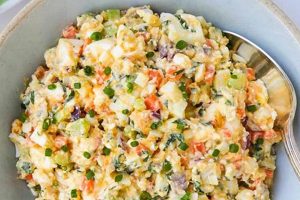
Textural balance constitutes a critical element in a successful egg tuna salad recipe, impacting overall palatability and enjoyment. A harmonious interplay of textures elevates the dish beyond a simple combination of ingredients, creating a more engaging and satisfying sensory experience. The interplay between the soft, flaky tuna, the tender egg, and the creamy mayonnaise establishes a foundational textural profile. However, relying solely on these elements can result in a monotonous mouthfeel. Introducing contrasting textures adds complexity and interest. Finely diced celery contributes a crisp, refreshing counterpoint to the softer elements, while chopped red onion introduces a subtle sharpness and crunch. Nuts, such as chopped walnuts or pecans, offer a satisfying density and richness. Even the inclusion of ingredients like grapes or chopped apple can introduce unexpected bursts of juiciness and textural variation.
The size and shape to which ingredients are cut influence textural perception. Uniformly dicing ingredients ensures even distribution of textures throughout the salad. Larger chunks of tuna or egg provide a more substantial bite, while finely minced ingredients create a smoother, more homogenous texture. The choice of chopping method depends on personal preference and the desired overall textural profile. For example, a coarser chop emphasizes individual ingredient textures, while a finer chop creates a more integrated, cohesive mouthfeel. Balancing these elements prevents any single texture from dominating, ensuring a harmonious and enjoyable eating experience.
Achieving textural balance demonstrates an understanding of the interplay between different ingredients and their contribution to the overall sensory experience. Consideration of texture elevates the egg tuna salad from a simple mixture to a carefully constructed dish, demonstrating culinary expertise and attention to detail. This thoughtful approach to texture enhances enjoyment and contributes to a more satisfying and memorable meal. The practical application of these principles allows for customization and adaptation of the recipe to individual preferences, highlighting the versatility and potential of this classic dish.
6. Proper Chilling

Proper chilling plays a vital role in the overall quality and safety of egg tuna salad. Chilling impacts both flavor development and bacterial growth, making it a crucial step in the preparation process. Lowering the temperature of the mixture after preparation allows the flavors of the various ingredientstuna, egg, mayonnaise, and seasoningsto meld and harmonize. This integration of flavors results in a more cohesive and balanced taste profile, enhancing the overall culinary experience. Moreover, chilling inhibits the growth of bacteria that can cause foodborne illness. Tuna and egg salad, containing perishable ingredients like mayonnaise and eggs, presents a potential breeding ground for bacteria if left at room temperature for extended periods. Chilling effectively slows bacterial growth, minimizing the risk of spoilage and ensuring food safety. For example, leaving egg tuna salad unrefrigerated for more than two hours can lead to a significant increase in bacterial counts, posing a health risk. Conversely, prompt and adequate chilling preserves the salad’s quality and safety, extending its shelf life and maintaining its optimal flavor profile.
The practical significance of proper chilling lies in the preservation of both flavor and food safety. Immediately refrigerating the prepared egg tuna salad after mixing allows the flavors to develop fully while simultaneously mitigating bacterial growth. Maintaining a refrigerator temperature of 40F (4C) or below is crucial for effective chilling. Storing the salad in an airtight container further protects it from contamination and helps maintain its moisture content. These practices contribute to a safer and more enjoyable culinary experience. Failure to properly chill egg tuna salad can lead to undesirable outcomes, such as off-flavors, altered textures, and potential foodborne illness. Understanding the scientific principles behind chilling underscores its importance in the preparation and storage of egg tuna salad, demonstrating a commitment to both culinary excellence and food safety best practices.
In summary, proper chilling is an essential step in preparing egg tuna salad, impacting both its flavor profile and its safety. Chilling allows the diverse flavors to integrate fully, resulting in a more balanced and nuanced taste. Simultaneously, it inhibits bacterial growth, minimizing spoilage and ensuring food safety. Adhering to proper chilling practices demonstrates culinary expertise and a commitment to consumer well-being, maximizing both the flavor and the safety of this popular dish.
7. Versatile Serving Options

The versatility of egg tuna salad extends beyond its simple preparation to encompass a wide array of serving options. This adaptability contributes significantly to the dish’s enduring popularity, offering flexibility for various meal occasions and culinary preferences. Exploring these diverse serving options highlights the potential of egg tuna salad to transcend its traditional role as a sandwich filling.
- Classic Sandwiches:
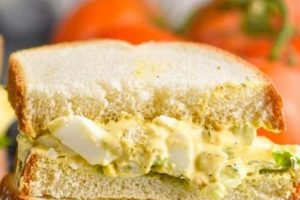
The classic tuna salad sandwich remains a staple for its simplicity and portability. Whether served on white, wheat, or rye bread, toasted or untoasted, the egg tuna salad filling provides a satisfying and protein-rich meal. Variations include adding lettuce, tomato, or onion for added texture and flavor. The sandwich format offers a convenient and familiar way to enjoy egg tuna salad, particularly for lunches or quick meals.
- Wraps and Lettuce Cups:
For a lighter, lower-carbohydrate option, egg tuna salad can be served in wraps or lettuce cups. Using large lettuce leaves, such as romaine or butter lettuce, creates a refreshing and crisp vessel for the salad. Wraps, using tortillas or lavash bread, offer a more substantial alternative. These options cater to diverse dietary preferences and provide a lighter alternative to traditional bread-based sandwiches. They also offer an opportunity to incorporate additional ingredients, such as shredded carrots or sprouts, for added nutritional value and textural complexity.
- Stuffed Vegetables:
Egg tuna salad makes an excellent filling for various vegetables, adding an element of elegance and visual appeal. Hollowed-out tomatoes, avocados, or bell peppers create attractive and flavorful serving vessels. This presentation elevates the dish beyond a simple salad, offering a more sophisticated and visually appealing meal option. Stuffed vegetables also provide a healthy and refreshing alternative to traditional bread or cracker-based servings. The natural flavors of the vegetables complement the tuna and egg salad, creating a harmonious and balanced culinary experience.
- Salads and Bowls:
Incorporating egg tuna salad into a larger salad or bowl adds protein and flavor. A bed of mixed greens, topped with egg tuna salad, chopped vegetables, and a light vinaigrette, creates a complete and balanced meal. This format allows for customization based on individual preferences, incorporating a variety of vegetables, grains, and dressings to create a personalized culinary experience. This versatility makes egg tuna salad a valuable component in creating diverse and nutritious meals. The customizable nature of salad bowls allows for endless variations, catering to a wide range of dietary needs and preferences.
The diverse serving options for egg tuna salad demonstrate its adaptability and versatility. From classic sandwiches to innovative salads and bowls, the possibilities extend far beyond the traditional. This inherent flexibility contributes significantly to the dish’s enduring appeal, offering a convenient and customizable meal solution for various occasions and culinary preferences. By exploring these various serving options, one can discover new and exciting ways to enjoy the classic combination of tuna, egg, and mayonnaise.
Frequently Asked Questions
This section addresses common inquiries regarding egg tuna salad preparation, storage, and variations.
Question 1: How long can egg tuna salad be stored safely in the refrigerator?
Properly stored egg tuna salad typically remains safe for consumption for three to five days in a refrigerator maintained at 40F (4C) or below. Beyond this timeframe, the risk of bacterial growth increases significantly.
Question 2: What are effective strategies for reducing the sodium content in egg tuna salad?
Opting for low-sodium canned tuna, rinsing the tuna under cold water, and using low-sodium mayonnaise significantly reduce the overall sodium content. Additionally, emphasizing fresh herbs and spices over salt enhances flavor while minimizing sodium intake.
Question 3: Can egg tuna salad be frozen for extended storage?
Freezing is not generally recommended for egg tuna salad. The mayonnaise base can separate upon thawing, resulting in an undesirable texture. Freezing can also negatively impact the flavor and texture of the eggs.
Question 4: What are healthy alternatives to mayonnaise in egg tuna salad?
Plain Greek yogurt, mashed avocado, or hummus offer healthier alternatives to traditional mayonnaise, reducing fat and calorie content while providing creamy texture and distinct flavors. These alternatives also introduce additional nutritional benefits.
Question 5: How can one prevent egg tuna salad from becoming watery?
Thoroughly draining the canned tuna and ensuring the eggs are completely dry before chopping helps prevent excess moisture. Adding a small amount of finely chopped celery or red onion can also absorb excess liquid and contribute to a desirable texture.
Question 6: What are some creative variations on the classic egg tuna salad recipe?
Incorporating ingredients such as chopped apples, grapes, walnuts, or dried cranberries introduces textural and flavor complexity. Curry powder, chopped jalapenos, or a squeeze of lime juice can add unique flavor dimensions.
Careful attention to preparation, storage, and ingredient selection ensures a safe and enjoyable egg tuna salad experience. The provided information addresses common concerns and offers guidance for maximizing quality and flavor.
The subsequent section will offer a concluding summary of key takeaways regarding egg tuna salad.
Egg Tuna Salad Recipe
Exploration of the egg tuna salad recipe reveals a dish offering both simplicity and culinary depth. Careful ingredient selection, from high-quality canned tuna to freshly cooked eggs, forms the foundation for a successful outcome. Attention to textural balance, achieved through the incorporation of crisp vegetables or nuts, elevates the sensory experience. Proper seasoning, balancing salt, acidity, and aromatic complexity, enhances the inherent flavors of the core ingredients. Appropriate mayonnaise selection contributes to the desired texture and richness. Proper chilling ensures both food safety and optimal flavor development. Finally, the versatility of serving options, ranging from classic sandwiches to innovative salads and stuffed vegetables, demonstrates the adaptability of this classic dish.
Egg tuna salad, often perceived as a simple meal, offers significant potential for culinary exploration and enjoyment. Understanding the underlying principles of ingredient selection, preparation techniques, and flavor balancing allows for the creation of a truly satisfying culinary experience. This knowledge empowers individuals to elevate the humble egg tuna salad from a basic dish to a carefully crafted expression of culinary expertise.