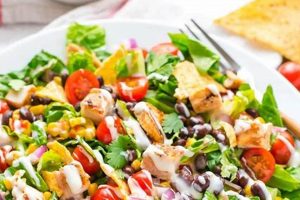
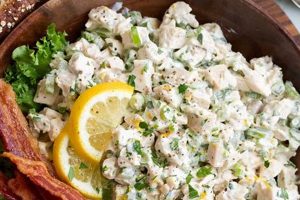
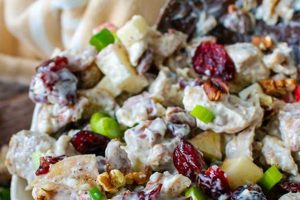
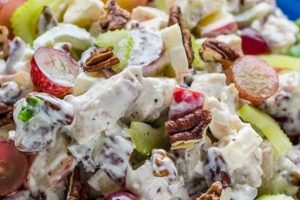
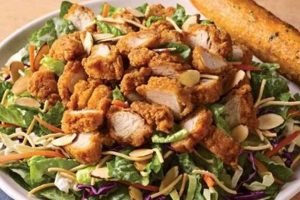
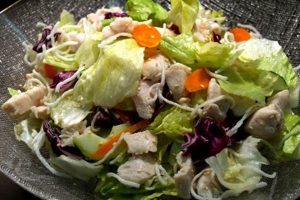
Elevated chicken salads move beyond basic mayonnaise-and-celery combinations, incorporating high-quality ingredients and sophisticated flavor profiles. Examples include salads featuring roasted or grilled chicken, artisanal cheeses, dried fruits, nuts, and unique dressings like lemon-dill vinaigrette or tarragon aioli. These salads can be served on croissants, in lettuce cups, or as part of a larger composed plate.
Such refined preparations offer a versatile and appealing option for various occasions, from casual lunches to elegant gatherings. Historically, chicken salad’s evolution reflects changing culinary trends and ingredient availability. Initially a simple dish born of practicality, its transformation into a more complex and flavorful offering demonstrates the enduring appeal of reinterpreting classic recipes with creativity and a focus on quality.
The following sections will explore specific ingredient combinations, preparation techniques, and presentation suggestions for crafting exceptional chicken salads. Considerations for dietary restrictions and variations suited to different seasons will also be addressed.
Tips for Crafting Exceptional Chicken Salads
Creating a truly elevated chicken salad requires attention to detail and an understanding of flavor pairings. These tips offer guidance for achieving superior results.
Tip 1: Prioritize Chicken Quality: Opting for high-quality chicken, such as free-range or organic, significantly impacts the final flavor. Roasting or grilling chicken specifically for the salad, rather than using pre-cooked or deli chicken, adds depth and complexity.
Tip 2: Balance Textures: Incorporating a variety of textures enhances the sensory experience. Crisp vegetables, crunchy nuts, and creamy cheeses provide contrasting elements that complement the tender chicken.
Tip 3: Explore Flavor Combinations: Moving beyond traditional mayonnaise-based dressings opens up a world of possibilities. Experiment with vinaigrettes, yogurt-based dressings, or aioli infused with herbs and spices.
Tip 4: Season Thoughtfully: Proper seasoning is essential. Freshly ground black pepper, sea salt, and herbs like tarragon, dill, or chives can significantly elevate the flavor profile.
Tip 5: Incorporate Fresh Ingredients: Using fresh, seasonal ingredients whenever possible maximizes flavor and vibrancy. Consider adding ingredients like grapes, berries, or chopped apples for sweetness and texture.
Tip 6: Don’t Overmix: Overmixing can result in a mushy texture. Gently combine the ingredients to ensure the chicken and other components retain their shape and integrity.
Tip 7: Chill Before Serving: Allowing the salad to chill in the refrigerator for at least 30 minutes allows the flavors to meld and enhances the overall experience.
By focusing on quality ingredients, balanced flavors, and thoughtful preparation, one can create truly exceptional chicken salads that impress and delight.
These tips offer a starting point for culinary exploration, encouraging experimentation and adaptation to individual preferences. The possibilities are endless.
1. High-quality Chicken

High-quality chicken serves as the cornerstone of exceptional chicken salad. The chicken’s flavor and texture significantly influence the overall quality of the final dish. Tender, flavorful chicken elevates the salad, while dry, bland chicken diminishes the entire experience. Chicken raised under optimal conditions, with attention to diet and welfare, typically yields a superior product, translating directly into a more delectable salad. For instance, free-range chickens, which enjoy access to open spaces and varied diets, often possess a richer, more nuanced flavor than conventionally raised chickens. Similarly, organic practices, which prioritize natural feed and avoid antibiotics, contribute to both flavor and texture.
This connection between chicken quality and salad outcome extends beyond the immediate taste. The chicken’s texture plays a crucial role in creating a pleasing mouthfeel. High-quality chicken holds its shape well during preparation, preventing a shredded, mushy consistency. This allows the chicken to retain its integrity within the salad, contributing to a more appealing visual presentation and a more satisfying culinary experience. Consider the difference between a salad featuring plump, juicy pieces of roasted chicken breast and one made with pre-cooked, diced chicken that lacks texture and flavor. The former exemplifies the impact of prioritizing high-quality ingredients.
Understanding the profound influence of chicken quality empowers informed ingredient selection, ultimately impacting the success of the final recipe. Investing in superior chicken is an investment in the overall sensory experience. While cost considerations are valid, the discernible difference in flavor, texture, and overall enjoyment justifies prioritizing high-quality chicken for those seeking truly gourmet results. This principle applies not just to chicken salad but extends to culinary endeavors across the board.
2. Flavorful Additions

Flavorful additions distinguish gourmet chicken salad from simpler variations. Strategic incorporation of complementary ingredients elevates the overall sensory experience, transforming a basic dish into a culinary delight. These additions contribute not only to taste but also to texture, aroma, and visual appeal.
- Fruits and Nuts
Fruits, such as grapes, dried cranberries, or chopped apples, introduce sweetness and textural contrast. Nuts, like toasted pecans, walnuts, or slivered almonds, provide crunch and richness. The interplay of sweet and savory elements creates a balanced flavor profile. For example, the tartness of cranberries complements the savory chicken, while the pecans offer a satisfying crunch against the creamy base. These additions enhance the complexity of the salad, moving it beyond the ordinary.
- Herbs and Spices
Fresh herbs, like tarragon, dill, chives, or parsley, impart brightness and aromatic complexity. Spices, such as curry powder or smoked paprika, contribute depth and warmth. The careful selection of herbs and spices enhances the flavor profile of the chicken and other ingredients. For instance, fresh dill adds a refreshing herbal note that pairs well with lemon vinaigrette, while a touch of smoked paprika introduces a subtle smoky undertone. These aromatic elements create a more sophisticated and nuanced culinary experience.
- Cheeses
Crumbled blue cheese, feta, goat cheese, or shredded Gruyre add distinct flavors and textures. These cheeses introduce salty, tangy, or creamy notes that complement the chicken. The choice of cheese significantly impacts the overall character of the salad. Sharp blue cheese provides a pungent counterpoint to the richness of the chicken, while creamy goat cheese offers a milder, tangier alternative. The addition of cheese adds another layer of complexity to the salad, enriching its flavor and texture.
- Vegetables
Beyond the traditional celery, consider incorporating finely diced red onion, bell peppers, or blanched asparagus. These additions introduce color, texture, and subtle flavors that enhance the overall composition. Crisp vegetables provide a refreshing contrast to the richness of the chicken and other ingredients. The slight pungency of red onion adds a sharp note, while the sweetness of bell peppers offers a milder counterpoint. These vegetable additions contribute to a more balanced and visually appealing salad.
These flavorful additions, when combined thoughtfully, transform a simple chicken salad into a gourmet experience. The interplay of textures, aromas, and tastes creates a complex and satisfying dish that appeals to discerning palates. The choice of additions allows for endless variations, enabling culinary creativity and customization based on individual preferences and seasonal availability.
3. Creative Dressings

Creative dressings are essential for elevating chicken salad to gourmet status. Moving beyond traditional mayonnaise opens a world of flavor possibilities, transforming the character of the dish. The dressing acts as a unifying element, binding the ingredients while contributing significantly to the overall taste, texture, and visual appeal. A well-chosen dressing can balance richness, add brightness, and introduce complexity, ultimately determining the salad’s final character.
- Classic Vinaigrettes with a Twist
Classic vinaigrettes, typically a blend of oil and vinegar, offer a lighter, brighter alternative to mayonnaise-based dressings. Adding Dijon mustard provides emulsification and a tangy kick. Incorporating fresh herbs, such as tarragon, dill, or chives, introduces aromatic complexity. A lemon-herb vinaigrette, for example, brightens the flavors of the chicken and other ingredients, while a balsamic vinaigrette adds a subtle sweetness and depth. These variations offer a refreshing counterpoint to richer ingredients like nuts or cheese.
- Creamy Dressings Beyond Mayonnaise
Creamy dressings offer a luxurious mouthfeel but can be reimagined beyond traditional mayonnaise. Greek yogurt provides a tangy, protein-rich base, while avocado adds creaminess and healthy fats. Blending avocado with lime juice, cilantro, and a touch of jalapeo creates a vibrant, flavorful dressing that complements chicken beautifully. Alternatively, combining Greek yogurt with lemon juice, dill, and garlic offers a lighter, brighter alternative to traditional ranch dressing.
- Nut-Based Dressings for Richness and Texture
Nut-based dressings, such as cashew cream or almond butter dressing, introduce a unique richness and texture. Soaking cashews and blending them with water, lemon juice, and nutritional yeast creates a creamy, dairy-free dressing that complements both classic and more adventurous flavor combinations. Similarly, blending almond butter with soy sauce, rice vinegar, and ginger creates an Asian-inspired dressing that adds a savory, umami element to the salad.
- Globally Inspired Dressings
Drawing inspiration from global cuisines expands the flavor horizons of chicken salad. A curry-infused yogurt dressing adds an Indian flair, while a tahini-lemon dressing brings a Middle Eastern twist. These globally inspired dressings introduce unique spice blends and flavor combinations that elevate the salad beyond traditional expectations. For example, a Thai-inspired peanut dressing, made with peanut butter, lime juice, soy sauce, and chili garlic sauce, adds a sweet, spicy, and savory element to the salad.
The choice of dressing significantly impacts the overall flavor profile and character of the chicken salad. By exploring creative dressing options, one can transform a simple chicken salad into a gourmet culinary experience. The dressing acts as the conductor, harmonizing the various ingredients and creating a symphony of flavors and textures. Thoughtful selection and preparation of the dressing elevate the salad from ordinary to extraordinary.
4. Textural Complexity
Textural complexity distinguishes exceptional chicken salads from homogenous mixtures. A combination of contrasting textures elevates the sensory experience, engaging the palate and creating a more dynamic and satisfying culinary experience. This interplay of textures contributes significantly to the perception of “gourmet,” signifying attention to detail and a sophisticated understanding of culinary principles. The strategic incorporation of diverse textural elements elevates a simple chicken salad to a more refined and enjoyable dish.
- Crunchy Elements
Crunchy elements provide a counterpoint to the softer textures of chicken and dressing. Toasted nuts, such as pecans, walnuts, or almonds, offer a satisfying crunch. Seeds, like sunflower or pumpkin seeds, contribute a lighter, more delicate crispness. Croutons or crumbled crackers add a contrasting texture and can also contribute to flavor. These crunchy elements create a dynamic interplay that enhances the overall enjoyment of the salad.
- Creamy Components
Creamy components contribute richness and bind the other ingredients. Avocado, Greek yogurt, or a high-quality mayonnaise provide a smooth, luscious texture that complements the other elements. The creaminess coats the palate, enhancing the perception of flavor and creating a more satisfying mouthfeel. The balance between creamy and crunchy elements is essential for achieving textural complexity.
- Tenderness of Chicken
The tenderness of the chicken itself plays a crucial role in the overall textural experience. Overcooked chicken can become dry and stringy, detracting from the salad’s appeal. Properly cooked chicken, whether roasted, grilled, or poached, should be tender and juicy, providing a pleasant contrast to the other textural elements. The chicken’s texture should harmonize with the other components, creating a balanced and enjoyable experience.
- Freshness from Vegetables
Fresh vegetables contribute not only to flavor but also to texture. Crisp celery, finely diced red onion, or chopped bell peppers add a refreshing crunch and juiciness. Blanched green beans or asparagus offer a slightly softer yet still distinct texture. These fresh elements provide a contrast to the richer, creamier components, enhancing the overall complexity of the salad.
The interplay of these textural elements creates a multi-dimensional sensory experience that defines a truly gourmet chicken salad. The combination of crunchy, creamy, tender, and fresh components elevates the dish beyond a simple mixture of ingredients, transforming it into a culinary creation that engages the palate and satisfies on multiple levels. Achieving this textural complexity demonstrates culinary expertise and attention to detail, signifying a commitment to creating a truly exceptional dining experience.
5. Elegant Presentation

Elegant presentation elevates gourmet chicken salad from a simple dish to a culinary experience. Visual appeal enhances enjoyment, transforming a casual meal into a sophisticated affair. Presentation considerations demonstrate attention to detail and an appreciation for aesthetics, signifying a commitment to creating a truly refined dining experience. The manner in which the salad is served significantly impacts its perceived value and overall enjoyment.
- Plating Techniques
Thoughtful plating techniques enhance the visual appeal of the salad. Instead of simply scooping the salad onto a plate, consider using a ring mold for a more structured presentation. Alternatively, serving the salad in elegant bowls, such as glass or ceramic, adds a touch of sophistication. Garnishing with fresh herbs, edible flowers, or a sprinkle of paprika adds visual interest and enhances the overall presentation.
- Serving Vessels
The choice of serving vessels significantly influences the perception of the salad. Serving the salad in individual ramekins or small glass jars creates a sense of elegance and portion control. Using hollowed-out avocados or tomatoes as vessels adds a unique and visually appealing touch. For a more casual setting, serving the salad on crisp lettuce cups or croissants offers a convenient and attractive option.
- Garnishes and Accoutrements
Garnishes and accoutrements provide the finishing touches that elevate the presentation. A sprig of fresh dill, a sprinkle of toasted nuts, or a drizzle of balsamic glaze adds visual appeal and enhances the flavor profile. Serving the salad with crusty bread, crackers, or crudits complements the textures and offers additional visual interest. These small details demonstrate attention to detail and elevate the dining experience.
- Context and Occasion
The presentation should also consider the context and occasion. For a casual lunch, a simple yet attractive plating may suffice. For a more formal dinner party, a more elaborate presentation, incorporating multiple elements and attention to detail, enhances the overall dining experience. Adapting the presentation to the specific context demonstrates a sophisticated understanding of culinary aesthetics.
Elegant presentation transforms gourmet chicken salad into a visually appealing and enjoyable culinary experience. By considering plating techniques, serving vessels, garnishes, and the overall context, one can elevate a simple dish to a sophisticated and memorable meal. The visual appeal complements the complex flavors and textures, creating a harmonious and satisfying dining experience.
6. Fresh, Seasonal Ingredients
Seasonality significantly impacts the flavor profile and overall quality of gourmet chicken salad. Fresh, seasonal produce offers peak flavor and optimal texture, elevating the salad beyond standard preparations. Utilizing ingredients at their peak ripeness intensifies their inherent sweetness and minimizes the need for excessive seasoning or manipulation. This reliance on natural flavors underscores the gourmet designation, emphasizing quality over quantity and celebrating the inherent flavors of each component. For example, a summer chicken salad featuring ripe tomatoes, sweet corn, and fresh basil offers a vibrant flavor profile unattainable during other seasons. Conversely, an autumnal version incorporating roasted butternut squash, crisp apples, and dried cranberries reflects the season’s distinct flavors.
This commitment to seasonality extends beyond mere flavor enhancement. It also reflects a conscious choice to prioritize freshness and nutritional value. Seasonal ingredients, often locally sourced, travel shorter distances from farm to table, retaining more nutrients and contributing to a more sustainable food system. The incorporation of these vibrant, nutrient-rich ingredients aligns with the broader culinary trend toward healthier, more mindful eating. This focus on quality ingredients not only elevates the flavor profile but also contributes to a more wholesome and satisfying meal. Furthermore, adapting recipes to seasonal availability encourages culinary creativity and exploration, fostering a deeper appreciation for the cyclical nature of food production and consumption.
Incorporating seasonal ingredients offers numerous benefits for gourmet chicken salad creation. The enhanced flavor, nutritional value, and inherent connection to the natural world elevate the dish beyond standard fare. While access to specific ingredients may fluctuate throughout the year, embracing this seasonality encourages culinary adaptability and fosters a deeper understanding of the dynamic relationship between food and the environment. The resulting salads not only taste exceptional but also embody a philosophy of mindful consumption, prioritizing quality, freshness, and the celebration of seasonal bounty.
Frequently Asked Questions
This section addresses common inquiries regarding the preparation and enjoyment of gourmet chicken salad.
Question 1: What distinguishes gourmet chicken salad from standard preparations?
Gourmet chicken salad emphasizes high-quality ingredients, creative flavor combinations, and attention to detail. It prioritizes fresh, often seasonal, produce, premium proteins, and innovative dressings that move beyond basic mayonnaise.
Question 2: How can dryness be prevented in chicken salad?
Dryness can be avoided by using properly cooked, moist chicken. Overcooking should be avoided. Additionally, incorporating creamy ingredients like avocado or Greek yogurt contributes moisture and richness. The dressing should be added gradually to achieve the desired consistency without over-saturating the salad.
Question 3: What are suitable alternatives to mayonnaise-based dressings?
Alternatives to mayonnaise include vinaigrettes (e.g., lemon-herb, balsamic), yogurt-based dressings (e.g., Greek yogurt with dill and garlic), and nut-based dressings (e.g., cashew cream, almond butter). These options offer diverse flavor profiles and textures.
Question 4: How can food safety be ensured when preparing chicken salad?
Food safety involves proper handling and storage of ingredients. Chicken should be cooked to a safe internal temperature. Perishable ingredients should be kept refrigerated until use. The finished salad should be chilled promptly and not left at room temperature for extended periods.
Question 5: How long can chicken salad be stored?
Properly stored chicken salad, refrigerated in an airtight container, typically lasts for three to five days. However, the quality may degrade over time. It is important to assess the salad’s appearance and aroma before consumption.
Question 6: Can chicken salad be frozen?
While freezing is possible, it is generally not recommended for optimal quality. Freezing can negatively affect the texture of the ingredients, particularly mayonnaise-based dressings. Upon thawing, the salad may become watery or separated.
Understanding these aspects allows for informed choices and enhances the overall culinary experience. Prioritizing freshness, quality, and safe handling practices ensures a delightful and satisfying result.
The following section offers specific recipe examples demonstrating these principles in practice.
Gourmet Chicken Salad Recipes
Exploration of gourmet chicken salad recipes reveals that achieving culinary excellence requires careful consideration of several key factors. Ingredient quality, particularly the chicken itself, forms the foundation. Flavorful additions, including fresh produce, nuts, cheeses, herbs, and spices, contribute depth and complexity. Creative dressings, moving beyond traditional mayonnaise, play a crucial role in unifying and elevating the other components. Textural complexity, achieved through a balance of crunchy, creamy, and tender elements, enhances the sensory experience. Elegant presentation elevates the dish from simple fare to a visually appealing culinary creation. Finally, a focus on fresh, seasonal ingredients maximizes flavor and nutritional value while reflecting a commitment to mindful consumption.
Elevating chicken salad to gourmet status represents a culinary journey, not a destination. Continued exploration of flavor profiles, ingredient combinations, and presentation techniques allows for ongoing refinement and personalization. Culinary innovation within this seemingly simple dish demonstrates the potential for creativity and the enduring appeal of classic recipes reimagined with a focus on quality, freshness, and attention to detail. The pursuit of gourmet chicken salad embodies a commitment to culinary excellence, transforming a familiar dish into an extraordinary experience.