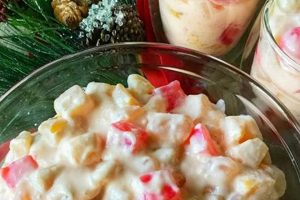
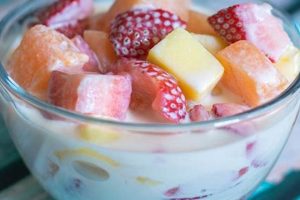
Creating a refreshing and nutritious fruit salad involves selecting a variety of fresh fruits, preparing them appropriately, and combining them in a visually appealing and palatable manner. A simple example involves dicing fruits like strawberries, bananas, and kiwi, then tossing them gently with a light dressing of honey and lime juice.
Fruit salads offer a wealth of nutritional benefits, providing essential vitamins, minerals, and dietary fiber. They serve as a healthy and hydrating snack or dessert and can be adapted to fit various dietary needs and preferences. Historically, the concept of combining various fruits has existed for centuries, evolving from simple preparations to more elaborate and artistic presentations found in modern cuisine.
The subsequent sections will delve deeper into fruit selection, preparation techniques, dressing options, and creative presentation ideas to guide the creation of delectable and visually appealing fruit salads.
Tips for Fruit Salad Preparation
Creating a perfect fruit salad involves attention to detail and thoughtful execution. These tips offer guidance for optimal results.
Tip 1: Select ripe, but firm fruit. Overripe fruit can become mushy and detract from the overall texture and flavor. Slightly underripe fruit will offer a firmer texture and prevent the salad from becoming overly sweet.
Tip 2: Choose a variety of colors and textures. Diversity in color enhances visual appeal, while varied textures provide a more interesting sensory experience. Consider incorporating berries, melon, citrus fruits, and firmer options like apples or pears.
Tip 3: Prepare fruit just before serving. This prevents oxidation and maintains optimal freshness and flavor. If advance preparation is necessary, store cut fruit in airtight containers with a squeeze of lemon juice to minimize browning.
Tip 4: Use sharp knives for clean cuts. Dull knives can crush delicate fruit, leading to uneven pieces and faster spoilage. Clean cuts ensure a professional appearance and maintain fruit integrity.
Tip 5: Consider adding a contrasting element. A sprinkle of chopped nuts, shredded coconut, or a few mint leaves can elevate the flavor profile and add visual interest.
Tip 6: Dress the salad lightly. A simple dressing enhances the natural flavors of the fruit without overpowering them. A light drizzle of honey, a squeeze of citrus juice, or a sprinkle of cinnamon can be excellent choices.
Tip 7: Chill the salad before serving. A chilled fruit salad is more refreshing and enjoyable, especially during warmer months.
By following these tips, one can create a fruit salad that is not only visually appealing but also offers a delightful balance of flavors and textures.
The provided guidance serves as a foundation for crafting fruit salads. Experimentation with different fruit combinations, dressings, and additions is encouraged to discover unique and personalized creations.
1. Fruit Selection

Fruit selection forms the foundation of a successful fruit salad. The choice of fruits directly impacts the final product’s flavor, texture, and visual appeal. Careful consideration of ripeness, variety, and the interplay of flavors is crucial. For instance, incorporating a mix of sweet fruits like berries and melons with tart fruits such as citrus segments or kiwi creates a balanced flavor profile. Including fruits with varying textures, from the soft flesh of a peach to the crisp bite of an apple, adds complexity and interest. Overly ripe or underripe fruit can negatively affect the overall quality, leading to a mushy texture or an underdeveloped flavor.
Optimal fruit selection elevates the sensory experience of the fruit salad. The interplay of contrasting flavors and textures creates a dynamic and enjoyable culinary experience. A well-chosen assortment of fruits offers a broader range of nutrients and vitamins, contributing to the health benefits of the salad. Furthermore, the visual appeal of a fruit salad largely depends on the diversity of colors and shapes of the selected fruits. A vibrant mix of colors entices the appetite and adds to the overall enjoyment.
In conclusion, judicious fruit selection is paramount in crafting a high-quality fruit salad. It determines not only the nutritional value but also the aesthetic appeal and the complex interplay of flavors and textures. Balancing sweetness and tartness, incorporating various textures, and prioritizing freshness ensures a delightful and satisfying culinary creation.
2. Cutting Techniques
Cutting techniques play a pivotal role in fruit salad preparation, impacting both presentation and palatability. Uniformly cut fruit pieces contribute to a visually appealing salad, ensuring even distribution of flavors and textures. Furthermore, the size and shape of the cut fruit influence the eating experience. Bite-sized pieces offer convenience, while larger pieces showcase the individual fruit characteristics. For instance, melon balls add a touch of elegance, while diced fruits blend seamlessly. Conversely, unevenly cut or crushed fruit detracts from visual appeal and can lead to uneven distribution of flavors. Consider a salad with large chunks of apple alongside thinly sliced strawberries: the apple may overpower the delicate flavor of the strawberries.
Different fruits benefit from specific cutting techniques. Soft fruits like berries are best halved or quartered, preserving their delicate structure. Firmer fruits such as apples and pears can be diced, sliced, or shaped into decorative cuts. Melons lend themselves well to scooping or cubing. Understanding these nuances allows for maximizing both aesthetic appeal and flavor preservation. A fruit salad composed entirely of diced fruit might offer a uniform texture but lack visual interest. Incorporating a variety of cuts, such as melon balls, sliced kiwi, and halved grapes, creates a more dynamic and appealing presentation.
Mastery of cutting techniques enhances the overall quality of a fruit salad. Precise cuts contribute to a visually pleasing arrangement, ensure even distribution of flavors, and facilitate comfortable consumption. The choice of cutting technique influences the release of juices and the interaction of flavors, ultimately impacting the sensory experience. Attention to detail in this stage of preparation elevates the fruit salad from a simple mix of ingredients to a carefully crafted culinary creation.
3. Flavor Balancing
Flavor balancing constitutes a crucial element within fruit salad preparation. A successful fruit salad hinges on the harmonious interplay of sweet, tart, and mildly flavored fruits. This balance prevents the dominance of any single flavor, creating a complex and enjoyable sensory experience. The interplay of contrasting flavors adds depth and prevents the salad from becoming monotonous. For instance, the sweetness of ripe strawberries can be balanced by the tartness of kiwi or the subtle tang of pineapple. Ignoring flavor balance can result in a salad that is overwhelmingly sweet or excessively tart, diminishing the overall enjoyment.
Consider the inclusion of fruits with varying levels of acidity. Highly acidic fruits, such as grapefruit or oranges, can be tempered by the inclusion of milder fruits like bananas or melons. This balance prevents the acidity from overpowering the other flavors, creating a more harmonious taste profile. Similarly, the addition of mildly flavored fruits, such as pears or grapes, can provide a subtle sweetness and textural contrast to the bolder flavors of berries or citrus fruits. A fruit salad composed solely of sweet fruits might lack the complexity and depth of flavor offered by a well-balanced combination.
Achieving flavor balance requires careful consideration of the chosen fruits and their respective flavor profiles. Experimentation with different combinations allows for the discovery of unique and personalized flavor profiles. This understanding enables the creation of fruit salads that are not only refreshing and nutritious but also offer a complex and satisfying sensory experience. The strategic combination of flavors elevates the fruit salad from a simple mixture of ingredients to a carefully crafted culinary composition.
4. Presentation Style
Presentation style significantly influences the perceived quality and enjoyment of a fruit salad. Visual appeal stimulates appetite and enhances the overall dining experience. A thoughtfully arranged salad elevates the dish beyond mere sustenance, transforming it into a visually engaging culinary creation. Consider the difference between a haphazardly tossed mixture of fruit and a carefully arranged platter featuring artfully cut fruit and considered color placement. The latter immediately suggests greater care and attention to detail, enhancing anticipation and enjoyment. This connection demonstrates the integral role of presentation in the overall success of a fruit salad.
Several factors contribute to effective fruit salad presentation. The choice of serving vessel, the arrangement of fruit pieces, and the incorporation of garnishes all play a crucial role. A clear glass bowl showcases the vibrant colors and textures of the fruit, while a platter allows for more creative arrangements. Consider arranging fruit slices in a radial pattern or creating a layered effect with contrasting colors. A simple garnish, such as a sprig of mint or a sprinkle of chopped nuts, adds a touch of elegance and elevates the visual appeal. These details demonstrate an understanding of aesthetic principles and contribute to a more sophisticated presentation.
Ultimately, effective fruit salad presentation enhances the sensory experience. A visually appealing salad invites consumption and fosters a greater appreciation for the flavors and textures. The care taken in presentation communicates attention to detail and elevates the perceived value of the dish. This understanding enables the creation of fruit salads that are not only delicious and nutritious but also visually captivating, transforming a simple dish into a memorable culinary experience.
5. Storage Methods
Proper storage methods are essential for maintaining the quality and safety of a fruit salad, extending its lifespan while preserving its fresh flavors, vibrant colors, and optimal texture. Effective storage prevents enzymatic browning, microbial growth, and undesirable changes in texture, ensuring the fruit salad remains appealing and enjoyable. Understanding proper storage techniques is integral to the overall process of creating a successful fruit salad, from initial preparation to final consumption.
- Temperature Control
Maintaining appropriate temperature is crucial for preserving fruit salad freshness. Refrigeration at temperatures between 34F and 40F (1C and 4C) slows down enzymatic activity and microbial growth, thus extending shelf life. Avoid storing fruit salad in excessively cold environments, as freezing can damage cell walls, leading to a mushy texture upon thawing. Room temperature storage should be minimized to prevent rapid spoilage, particularly in warmer climates.
- Air Exposure
Limiting air exposure is essential for preventing oxidation and maintaining the vibrant colors of the fruit. Oxidation, triggered by exposure to air, causes enzymatic browning, which affects the appearance and flavor of the fruit. Storing fruit salad in airtight containers or covering it tightly with plastic wrap minimizes air contact, preserving freshness and preventing discoloration. This practice also helps retain moisture, preventing the fruit from drying out.
- Proper Containers
Selecting appropriate containers plays a vital role in maintaining fruit salad quality. Airtight containers, preferably made of glass or food-grade plastic, are ideal for storage. These containers create a barrier against air and moisture, preserving the fruit’s freshness and preventing contamination. Avoid using reactive metals, such as copper or aluminum, as they can react with the fruit acids, causing undesirable flavor changes and potential discoloration.
- Preparation Timing
Strategic timing of fruit salad preparation contributes to maximizing freshness. Preparing the salad as close to serving time as possible minimizes the duration of storage and ensures optimal quality. If advance preparation is necessary, storing cut fruit separately and combining them just before serving can help maintain individual fruit integrity and prevent premature softening or browning. This approach allows for greater control over the final product’s texture and appearance.
By understanding and implementing these storage methods, one can ensure the longevity and enjoyment of a freshly prepared fruit salad. Proper storage preserves the nutritional value, vibrant colors, and desirable textures of the fruit, maximizing its appeal and contributing to a satisfying culinary experience. These practices represent the final, yet crucial, step in the art of creating a perfect fruit salad.
Frequently Asked Questions
This section addresses common inquiries regarding fruit salad preparation, offering practical guidance and clarifying potential uncertainties.
Question 1: How can enzymatic browning be prevented in cut fruit?
Enzymatic browning, a common occurrence in cut fruit, can be minimized through several methods. Coating cut fruit with acidic solutions, such as lemon or lime juice, inhibits the enzyme responsible for browning. Alternatively, using commercially available anti-browning products offers effective protection against discoloration.
Question 2: What are optimal fruit combinations for a balanced flavor profile?
Balancing sweetness, tartness, and mild flavors contributes to a complex and enjoyable fruit salad. Combining sweet fruits like berries or melons with tart fruits such as citrus segments or pineapple creates a harmonious flavor profile. Adding mildly flavored fruits like grapes or pears provides subtle sweetness and textural variation.
Question 3: How long can fruit salad be safely stored?
Properly stored fruit salad typically remains safe for consumption for three to five days in refrigeration. Airtight containers and refrigeration at appropriate temperatures help maintain quality and prevent spoilage. However, close attention to visual and olfactory cues is recommended. Discarding any fruit exhibiting signs of spoilage is advisable.
Question 4: Can frozen fruit be used in fruit salad?
While fresh fruit is generally preferred, frozen fruit can be incorporated into fruit salads. Thawing frozen fruit thoroughly before adding it to the salad is essential to prevent excess moisture and maintain texture. Certain fruits, such as berries, freeze well and retain their quality upon thawing, making them suitable for inclusion in fruit salads.
Question 5: What are effective methods for adding flavor complexity to a fruit salad?
Flavor complexity can be enhanced through the incorporation of various ingredients. A light dressing of honey or citrus juice adds subtle sweetness or tartness. Sprinkling herbs, such as mint or basil, provides an aromatic dimension. Adding a small amount of grated ginger or a pinch of cinnamon introduces warm spice notes.
Question 6: What are suitable alternatives to traditional sugary dressings?
Healthier dressing alternatives can replace traditional sugary options. A squeeze of citrus juice, a drizzle of honey, or a sprinkle of cinnamon offer natural sweetness and flavor without excessive added sugars. Alternatively, a light dressing made with plain yogurt and a touch of honey provides a creamy texture and subtle sweetness.
Addressing these frequently asked questions offers valuable insights into fruit salad preparation and storage, empowering individuals to create delicious and visually appealing fruit salads while prioritizing food safety and optimal quality. Understanding these elements contributes to a more informed and enjoyable culinary experience.
Further exploration of specific fruit varieties and their individual characteristics is encouraged to expand culinary knowledge and enhance fruit salad creation.
Conclusion
The exploration of fruit salad preparation has revealed the multifaceted nature of this seemingly simple culinary endeavor. From the judicious selection of ripe and varied fruits to the precise application of cutting techniques, each step contributes significantly to the final product. Flavor balancing, achieved through the thoughtful combination of sweet, tart, and mild fruits, elevates the sensory experience. Presentation, encompassing visual arrangement and the choice of serving vessel, further enhances the appeal. Finally, proper storage techniques ensure the preservation of freshness and quality. Each element, when executed with care and attention to detail, contributes to a fruit salad that is not only nutritious but also visually appealing and delectably flavorful.
The creation of a fruit salad extends beyond mere culinary skill; it represents an opportunity for creative expression and an exploration of flavor profiles. Continued experimentation with diverse fruit combinations, innovative cutting techniques, and personalized presentation styles fosters culinary growth and enhances appreciation for the versatility of nature’s bounty. Ultimately, the pursuit of fruit salad mastery represents a journey of continuous discovery, offering a path toward a more vibrant and enriching culinary landscape.