Combining the freshness of seasonal produce with creative culinary approaches, vibrant and flavorful dishes offer a welcome contrast to heavier winter meals. Citrus fruits like oranges, grapefruits, and mandarins, readily available during colder months, provide a tangy burst of flavor and a significant dose of Vitamin C. Pomegranates offer jewel-toned arils and a unique sweet-tart taste, while apples and pears contribute textural complexity and subtle sweetness. Dried fruits, such as cranberries and apricots, can also be incorporated for added depth and chewiness.
These dishes provide an important source of vitamins, minerals, and antioxidants, often lacking in diets during winter due to the limited availability of fresh produce. Historically, preserving techniques like drying and storing allowed individuals to enjoy the benefits of fruits even during colder seasons, laying the foundation for modern interpretations that combine fresh, seasonal ingredients with preserved or stored elements. This focus on incorporating seasonal produce not only maximizes flavor but also promotes sustainable consumption patterns.
Further exploration of this topic will encompass discussions of specific fruit combinations, preparation techniques, dressing options, and creative presentation ideas for both casual and festive occasions. Recipes will range from simple, everyday preparations to more elaborate creations suitable for holiday gatherings, ensuring a broad appeal across culinary experience levels. Nutritional information will also be included to highlight the health benefits of specific ingredients and combinations.
Tips for Creating Delicious Winter Fruit Salads
Elevating seasonal dishes requires attention to detail and an understanding of flavor pairings. The following tips offer guidance for crafting exceptional winter fruit salads.
Tip 1: Embrace Seasonal Citrus: Citrus fruits are at their peak during winter. Incorporating oranges, grapefruits, mandarins, and pomelos provides a vibrant burst of flavor and essential vitamins.
Tip 2: Balance Sweetness and Tartness: Combining sweet fruits like apples and pears with tart elements such as cranberries or pomegranate arils creates a balanced and refreshing flavor profile.
Tip 3: Consider Textural Variety: Incorporating a range of textures enhances the overall dining experience. Combine soft fruits with firmer options and consider adding nuts or seeds for crunch.
Tip 4: Enhance with Herbs and Spices: Fresh mint, ginger, or a sprinkle of cinnamon can complement the natural sweetness of the fruit and add complexity to the flavor profile.
Tip 5: Dress it Up: A simple vinaigrette, a light honey-lime dressing, or a sprinkle of balsamic glaze can elevate the flavors of the salad.
Tip 6: Prepare Ingredients Properly: Segment citrus fruits to remove the pith and membranes for a more pleasant texture. Peel and core apples and pears to prevent browning and ensure even cooking if desired.
Tip 7: Don’t Overcrowd the Bowl: Allow the individual flavors of the fruits to shine by avoiding overcrowding. A well-composed salad provides visual appeal and prevents the fruits from becoming mushy.
By following these tips, one can transform simple ingredients into a vibrant and flavorful culinary experience that showcases the best of winter’s bounty.
These guidelines provide a foundation for creating unique and enjoyable dishes, leading to a deeper appreciation for the versatility and nutritional value of seasonal ingredients. The following section will offer specific recipe examples that put these tips into practice.
1. Seasonal Fruit Selection

Seasonal fruit selection forms the cornerstone of successful winter fruit salad recipes. Utilizing produce at its peak ripeness guarantees optimal flavor and nutritional value. Winter offers a unique array of fruits, including citrus varieties like oranges, grapefruits, and mandarins, alongside pears, pomegranates, and persimmons. Choosing these fruits not only maximizes their taste but also supports sustainable agricultural practices by reducing the need for long-distance transportation and storage. For instance, a winter citrus salad featuring blood oranges, grapefruits, and mandarins offers a vibrant combination of sweet and tart flavors unavailable during other seasons. Conversely, attempting to incorporate summer fruits like berries would require importing them, potentially compromising freshness and flavor while increasing environmental impact.
The availability of specific fruits during winter influences recipe development and culinary creativity. The inherent tartness of citrus fruits provides a counterpoint to the sweetness of pears or dates, allowing for complex flavor profiles. Furthermore, the textural diversity found within winter fruits, from the firm flesh of an apple to the juicy segments of a grapefruit, adds another layer of interest to salads. Consider a salad combining sliced pears, pomegranate arils, and segments of pink grapefruitthe interplay of textures, along with the contrasting sweet, tart, and slightly bitter flavors, creates a more nuanced and satisfying culinary experience than could be achieved with out-of-season ingredients.
Understanding the relationship between seasonal availability and recipe development allows for the creation of dishes that are both flavorful and environmentally conscious. This awareness encourages culinary innovation within the constraints of seasonality, leading to unique flavor combinations and a deeper appreciation for the natural rhythm of agricultural production. Embracing seasonal fruit selection becomes more than just a culinary technique; it represents a mindful approach to food consumption that benefits both individual health and the planet. Choosing locally sourced, in-season fruits minimizes environmental impact and supports local economies while providing access to the most flavorful and nutritious ingredients available. This understanding represents a crucial step towards more sustainable and enjoyable culinary practices.
2. Flavor Balancing

Flavor balancing constitutes a crucial element in crafting successful winter fruit salad recipes. The diverse array of fruits available during winter, each possessing unique flavor profiles ranging from tart to sweet, necessitates careful consideration of their interactions within a dish. A harmonious balance prevents any single flavor from dominating, ensuring a complex and enjoyable sensory experience. This balance can be achieved through strategic combinations of fruits, the incorporation of complementary ingredients, and the judicious use of dressings or seasonings.
The inherent tartness of citrus fruits, abundant in winter, provides a natural counterpoint to the sweetness of other seasonal produce, such as pears or dates. For example, a salad featuring segments of ruby red grapefruit alongside sweet Fuji apples and crumbled goat cheese offers a delightful interplay of tart, sweet, and savory notes. Similarly, the astringency of persimmons can be offset by the inclusion of pomegranate arils and a drizzle of honey, creating a balanced flavor profile that highlights the unique characteristics of each fruit. Ignoring flavor balance can result in a dish that is either overwhelmingly sweet or excessively tart, diminishing the overall enjoyment and potentially masking the subtle nuances of individual ingredients. The judicious use of acid, such as a squeeze of lemon juice or a splash of balsamic vinegar, can brighten the flavors and further enhance the balance within the salad.
Achieving optimal flavor balance requires an understanding of the interplay between different taste profiles and the ability to combine ingredients in a way that creates a harmonious whole. This understanding allows for culinary creativity and the development of winter fruit salads that are not only delicious but also showcase the diversity of flavors available during the colder months. The incorporation of herbs, spices, and other complementary ingredients, such as toasted nuts or crumbled cheese, can further enhance the complexity and depth of flavor. Ultimately, mastering flavor balance elevates winter fruit salads from simple combinations of ingredients to sophisticated culinary creations that offer a truly satisfying and memorable dining experience.
3. Textural Variety
Textural variety significantly contributes to the overall enjoyment of winter fruit salad recipes. A combination of textures elevates the sensory experience beyond simple flavor profiles, creating a more dynamic and engaging culinary experience. This involves incorporating fruits with varying degrees of firmness and incorporating other elements that provide contrasting textures. The interplay of crisp, soft, and chewy elements adds depth and complexity, preventing the salad from feeling monotonous.
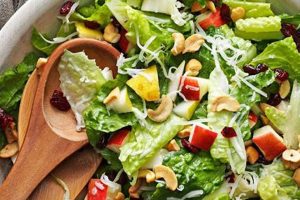
Consider a winter fruit salad featuring crisp apple slices, soft segments of mandarin oranges, and chewy dried cranberries. The contrast in textures creates a more stimulating and satisfying experience than a salad composed solely of, for example, sliced oranges. Adding toasted walnuts or pecans introduces a crunchy element, further enhancing the textural diversity. Similarly, incorporating pomegranate arils provides a burst of juicy texture that complements the firmer fruits. These textural nuances play a crucial role in how the dish is perceived and enjoyed, impacting not only the immediate sensory experience but also the overall satisfaction derived from consuming the salad.
Understanding the importance of textural variety allows for the creation of more complex and satisfying winter fruit salads. Thoughtful consideration of texture alongside flavor profiles unlocks a wider range of culinary possibilities. This awareness elevates the creation of winter fruit salads from a simple assembly of ingredients to a more nuanced culinary endeavor, resulting in dishes that are both delicious and texturally stimulating. Successfully incorporating textural variety demonstrates an understanding of how different elements interact to create a more complete and enjoyable dining experience. This attention to detail ultimately distinguishes a well-composed fruit salad from a basic mixture of ingredients.
4. Complementary Dressings
Complementary dressings play a pivotal role in enhancing winter fruit salad recipes. Dressings provide an additional layer of flavor complexity, balancing the sweetness and tartness of the fruits while adding moisture and contributing to the overall sensory experience. The choice of dressing should consider the specific fruits used and aim to enhance, not mask, their inherent flavors. A light vinaigrette, for instance, complements the delicate flavors of winter citrus fruits without overpowering their natural sweetness and acidity. Conversely, a richer, cream-based dressing might overwhelm a salad composed primarily of citrus segments and pomegranate arils. The interplay between the dressing and the fruit is crucial; the dressing should serve as a unifying element that ties the diverse flavors together, creating a harmonious whole.
Specific examples illustrate the impact of dressing choices. A winter fruit salad composed of pears, cranberries, and walnuts benefits from a maple-balsamic vinaigrette. The sweetness of the maple syrup complements the pears, while the tartness of the balsamic vinegar balances the sweetness of the cranberries and provides a counterpoint to the richness of the walnuts. Alternatively, a citrus-based salad featuring oranges, grapefruits, and mint can be enhanced by a light honey-lime dressing. The honey adds a touch of sweetness, while the lime juice enhances the citrus notes and complements the freshness of the mint. These examples demonstrate how carefully selected dressings elevate the overall flavor profile of the salad, creating a more nuanced and satisfying culinary experience. Incorrect dressing choices can negatively impact the salad, creating clashes of flavor or masking the delicate nuances of the fruit.
Understanding the role of complementary dressings allows for more intentional and successful recipe development. Recognizing the interplay between the dressing and the fruit empowers culinary creativity and allows for the creation of balanced and flavorful winter fruit salads. This understanding necessitates considering the specific characteristics of each fruit and selecting a dressing that enhances rather than detracts from its natural qualities. Mastering the art of complementary dressings elevates winter fruit salads from simple combinations of ingredients to sophisticated culinary creations that offer a more complete and satisfying sensory experience.
5. Presentation Techniques
Presentation techniques significantly influence the perceived value and enjoyment of winter fruit salad recipes. Visual appeal enhances the dining experience, stimulating appetite and creating a sense of anticipation. Thoughtful presentation elevates a simple fruit salad from a basic dish to a visually captivating culinary creation.
- Color and Contrast
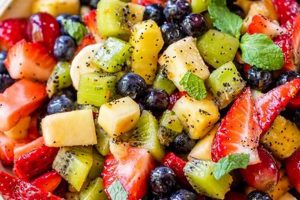
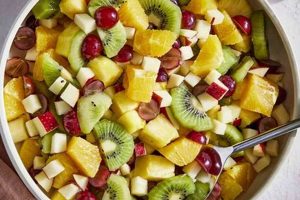
Utilizing the natural vibrancy of winter fruits creates visually appealing salads. Contrasting colors, such as pairing red berries with green grapes or orange segments with pomegranate arils, enhances visual interest and stimulates appetite. A monochromatic presentation, while potentially elegant, may lack the visual dynamism offered by a variety of colors.
- Cutting and Shaping
Uniformly cut fruit pieces create a sense of order and professionalism. Varying the shapes of ingredients adds visual interest. Consider incorporating a mix of sliced, diced, and segmented fruits. Intricate cuts, such as creating citrus supremes or melon balls, add a touch of elegance, particularly for special occasions.
- Arrangement and Plating
Strategic arrangement of ingredients enhances visual appeal. Consider creating patterns or gradients with different colored fruits. Avoid overcrowding the serving dish, allowing each piece of fruit to stand out. Plating on individual dishes offers a more formal presentation, while a large, communal bowl creates a sense of sharing and abundance.
- Garnishes and Finishing Touches
Simple garnishes elevate the presentation. A sprig of mint, a dusting of powdered sugar, or a drizzle of honey adds a touch of elegance and enhances the sensory experience. Edible flowers, such as pansies or violas, provide a vibrant and unexpected touch. However, garnishes should be used sparingly and complement the flavors of the salad, avoiding overpowering the main ingredients.
These presentation techniques, when thoughtfully applied, transform winter fruit salads into visually stunning and appetizing culinary creations. The interplay of color, shape, arrangement, and garnishes elevates the dining experience, demonstrating attention to detail and enhancing the overall enjoyment of these refreshing and nutritious dishes.
Frequently Asked Questions
This section addresses common inquiries regarding the creation and enjoyment of winter fruit salads, offering practical guidance and clarifying potential misconceptions.
Question 1: How can browning of certain fruits, such as apples and pears, be prevented in a winter fruit salad?
Coating cut apples and pears with a small amount of lemon juice or an acidic fruit juice blend helps prevent enzymatic browning and maintains their fresh appearance. Alternatively, submerging the cut fruit in lightly salted water until ready to use can also deter browning.
Question 2: What are suitable alternatives to refined sugar in winter fruit salad dressings?
Honey, maple syrup, or agave nectar offer natural sweetness while adding nuanced flavors. Fruit purees, such as apple or pear sauce, can also contribute sweetness and body to dressings without refined sugar.
Question 3: Can frozen fruit be incorporated into winter fruit salads?
Frozen fruits can be incorporated, but certain considerations apply. Thaw frozen fruit completely before adding it to the salad to prevent excess moisture. Fruits prone to textural changes upon thawing, such as berries, might be best suited for blended dressings or purees rather than as a main component of the salad.
Question 4: How long can a winter fruit salad be stored in the refrigerator?
Properly stored, a winter fruit salad can typically be refrigerated for up to three days. Storing the salad in an airtight container helps maintain freshness and prevents absorption of odors from other refrigerated items. Dressings should ideally be added just before serving to prevent the fruit from becoming soggy.
Question 5: Are canned fruits a suitable option for winter fruit salads?
While canned fruits offer convenience, they often contain added sugar and lack the fresh flavor and texture of seasonal produce. If using canned fruit, opt for varieties packed in water or natural juice, and drain thoroughly before adding to the salad. Rinsing the canned fruit can further reduce residual syrup and enhance its suitability for fresh preparations.
Question 6: How can nutritional value be maximized in a winter fruit salad?
Incorporating a variety of fruits ensures a broader range of vitamins and minerals. Including the peels of certain fruits, such as apples and pears, adds dietary fiber. Nuts and seeds contribute healthy fats and protein. Minimizing added sugars in dressings preserves the natural nutritional benefits of the fruit.
Understanding these aspects optimizes the creation and enjoyment of winter fruit salads, promoting both culinary satisfaction and nutritional well-being.
The following section offers a curated selection of winter fruit salad recipes, demonstrating the practical application of the principles and techniques discussed herein.
Conclusion
Exploration of winter fruit salad recipes reveals the potential for culinary creativity and nutritional value within seasonal constraints. Emphasis on fresh, locally sourced ingredients, balanced flavor profiles, varied textures, and complementary dressings yields dishes that are both healthy and satisfying. Careful consideration of presentation techniques further enhances the dining experience, transforming simple ingredients into visually appealing culinary creations.
Optimal utilization of winter’s bounty offers opportunities to embrace seasonal eating patterns, supporting local agriculture and promoting individual well-being. Continued exploration of flavor combinations and innovative culinary techniques promises further development within this seasonally focused culinary domain.