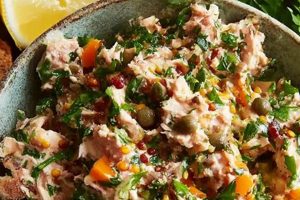
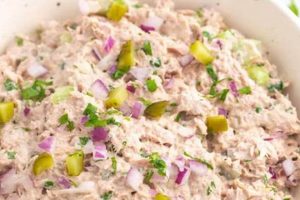
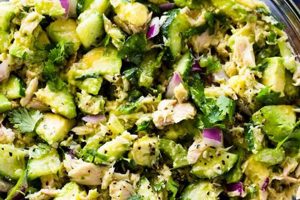
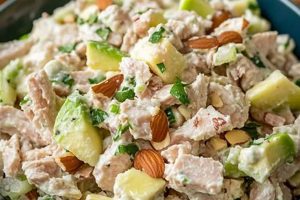
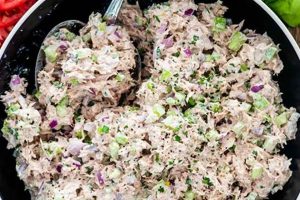
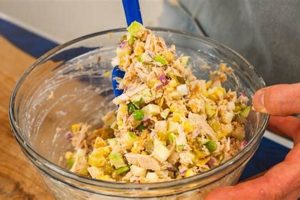
A tuna salad featuring cranberries and emphasizing minimally processed, natural ingredients represents a departure from conventional recipes that may incorporate mayonnaise heavy in saturated fats, refined sugars, or artificial preservatives. This approach prioritizes fresh, wholesome components, offering a nutritionally balanced and flavorful meal option. An example could include wild-caught tuna, dried cranberries, celery, red onion, and a light dressing made with Greek yogurt, lemon juice, and Dijon mustard.
Prioritizing natural, unprocessed foods aligns with contemporary dietary guidelines that emphasize whole foods for optimal health. This style of tuna salad offers a potentially lower calorie, lower fat, and higher protein alternative compared to traditional versions. Furthermore, the incorporation of cranberries introduces antioxidants and a tangy sweetness, enhancing the flavor profile and nutritional value. Historically, tuna salad has been a convenient and affordable meal. Modern iterations, like this cranberry-infused version, elevate the dish by incorporating ingredients that reflect greater health awareness.
The following sections will delve into specific ingredient selections, preparation techniques, nutritional information, and variations for this healthful and flavorful dish. Readers will gain a thorough understanding of how to create this recipe and adapt it to individual preferences and dietary needs.
Tips for Crafting a Superior Cranberry Tuna Salad
Optimizing ingredient selection and preparation techniques elevates this dish from simple to exceptional. The following tips offer guidance for achieving optimal flavor and nutritional value.
Tip 1: Tuna Selection Matters: Opting for high-quality, sustainably sourced tuna, preferably packed in water rather than oil, significantly impacts flavor and minimizes unnecessary fats. Line-caught tuna generally represents a more sustainable choice.
Tip 2: Cranberry Considerations: Dried cranberries provide sweetness and tartness. Sweetened varieties can be balanced with the acidity of lemon juice, while unsweetened cranberries offer a purer flavor.
Tip 3: Freshness is Key: Utilizing fresh herbs, such as dill or parsley, enhances the overall flavor profile and adds nutritional benefits. Freshly squeezed lemon juice brightens the flavor more effectively than bottled juice.
Tip 4: Mayonnaise Alternatives: Greek yogurt or avocado mayonnaise offer healthier alternatives to traditional mayonnaise, reducing saturated fat and adding creaminess.
Tip 5: Texture Enhancement: Incorporating chopped celery, red onion, or walnuts provides textural contrast and complexity.
Tip 6: Seasoning Strategies: Sea salt, black pepper, and Dijon mustard provide a balanced flavor foundation. Experiment with other spices, like paprika or cumin, for unique variations.
Tip 7: Chill Out: Allowing the salad to chill for at least 30 minutes allows the flavors to meld and enhances the overall experience.
By following these recommendations, one can create a tuna salad that is both nutritious and delicious. These simple adjustments maximize flavor, texture, and nutritional value, resulting in a truly satisfying meal.
This exploration of key tips concludes the main discussion regarding optimizing this cranberry tuna salad. The following section provides a concise summary and concluding remarks.
1. High-quality Tuna

High-quality tuna plays a crucial role in a whole foods cranberry tuna salad recipe, significantly impacting the overall flavor, nutritional value, and ethical considerations of the dish. Tuna quality is determined by factors such as species, fishing methods, processing techniques, and freshness. Opting for sustainably sourced tuna, like pole-and-line caught, minimizes environmental impact by reducing bycatch and promoting responsible fishing practices. Choosing tuna packed in water rather than oil reduces unnecessary added fats and preserves the tuna’s natural flavor. Higher-quality tuna typically exhibits a firmer texture and cleaner taste, enhancing the overall sensory experience of the salad. For example, using albacore tuna, known for its delicate flavor, results in a more refined salad compared to using skipjack, which has a stronger, more assertive taste.
The nutritional profile of the salad also benefits from high-quality tuna. Tuna is a rich source of protein and omega-3 fatty acids, which contribute to heart health and overall well-being. Sourcing tuna from reputable suppliers ensures minimal exposure to heavy metals like mercury, a concern with certain tuna species. This focus on quality aligns with the principles of a whole foods approach, prioritizing nutrient-dense, minimally processed ingredients. Practically speaking, investing in high-quality tuna elevates the cranberry tuna salad from a simple lunch to a nutritionally valuable meal. The enhanced flavor profile also makes it a more appealing option, encouraging healthier eating habits.
In summary, prioritizing high-quality tuna significantly contributes to a superior whole foods cranberry tuna salad. It enhances the flavor, nutritional value, and aligns with ethical and sustainable consumption practices. While cost may be a factor, the benefits of choosing higher-quality tuna outweigh the potential price difference, resulting in a more healthful and enjoyable culinary experience. This understanding allows for informed decision-making when selecting ingredients and underscores the interconnectedness of quality ingredients and optimal health outcomes within a whole foods framework.
2. Natural Sweeteners

Natural sweeteners play a crucial role in balancing the flavor profile of a whole foods cranberry tuna salad recipe. Dried cranberries, a key ingredient, often contain added sugar. To maintain alignment with whole foods principles, incorporating natural sweeteners offers a refined sugar alternative. Options such as honey, maple syrup, or dates provide sweetness while contributing additional nutrients and avoiding processed sugars. The subtle sweetness of these natural alternatives complements the tartness of the cranberries and the savory notes of the tuna, creating a more complex and balanced flavor profile. For example, a touch of raw honey can enhance the overall sweetness without overpowering the other ingredients, while a small amount of chopped dates adds a caramel-like depth of flavor. This considered approach to sweetness elevates the dish beyond a simple tuna salad, transforming it into a more nuanced culinary experience.
The choice of natural sweetener also affects the nutritional value of the salad. Refined sugar offers empty calories, whereas natural sweeteners provide trace minerals and antioxidants. Honey, for instance, contains small amounts of vitamins and minerals, and dates are a good source of fiber. This nutritional enhancement aligns with the core principles of a whole foods diet, emphasizing nutrient-dense ingredients. Furthermore, using natural sweeteners can contribute to more stable blood sugar levels compared to refined sugar, benefiting overall metabolic health. From a practical perspective, the subtle flavors of natural sweeteners allow for greater flexibility in recipe customization. The intensity of sweetness can be easily adjusted to individual preferences, enhancing the adaptability of the recipe.
In summary, incorporating natural sweeteners in a whole foods cranberry tuna salad recipe offers significant advantages. They contribute to a more balanced and nuanced flavor profile, enhance the nutritional value of the dish, and align with the principles of a whole foods diet. Choosing natural sweeteners over refined sugar represents a simple yet impactful step towards creating a healthier and more flavorful meal. This understanding allows for informed choices regarding ingredient selection and highlights the significant role even small adjustments can play in achieving optimal health and culinary satisfaction within a whole foods approach.
3. Fresh Ingredients
Fresh ingredients are fundamental to a whole foods cranberry tuna salad recipe, distinguishing it from conventional preparations. Freshness significantly impacts flavor, nutritional value, and overall culinary experience. Utilizing fresh components aligns with the core principles of whole foods cuisine, emphasizing minimally processed, nutrient-rich foods for optimal health and enjoyment.
- Enhanced Flavor Profile
Fresh ingredients contribute vibrant, nuanced flavors that elevate the salad beyond basic tuna salad. Fresh herbs, such as dill, parsley, or chives, offer a brighter, more complex aromatic dimension than dried counterparts. Freshly squeezed lemon juice provides a zesty acidity that surpasses bottled lemon juice. These fresh elements interact synergistically, creating a flavor profile that is both dynamic and balanced. For instance, fresh dill complements the sweetness of cranberries and the savory notes of tuna, resulting in a more sophisticated and satisfying taste experience.
- Nutritional Superiority
Fresh ingredients retain optimal nutrient content. Vitamins, minerals, and antioxidants are often diminished during processing and storage. Fresh produce, such as celery and red onion, offers a richer source of these essential nutrients compared to pre-chopped or pre-packaged alternatives. Freshly squeezed lemon juice, for example, provides a higher concentration of vitamin C than its bottled counterpart. This focus on fresh components maximizes the nutritional benefits of the salad, aligning with the whole foods emphasis on nutrient density.
- Improved Texture and Appearance
Fresh ingredients contribute to a more appealing texture and appearance. Crisp celery and red onion offer a satisfying crunch, contrasting with the softness of the tuna. Fresh herbs provide a vibrant visual appeal, enhancing the overall presentation of the salad. This attention to texture and visual appeal elevates the dining experience, making the salad more enticing and enjoyable. For example, using freshly chopped celery and red onion maintains their crisp texture, enhancing the overall sensory experience of the salad.
- Alignment with Whole Foods Principles
Choosing fresh ingredients reflects a commitment to whole foods principles. Minimally processed foods are prioritized, maximizing nutritional value and avoiding artificial additives, preservatives, and refined sugars. This approach supports overall health and well-being. The focus on fresh ingredients reinforces the connection between food choices and optimal health outcomes, a cornerstone of the whole foods philosophy.
In conclusion, the use of fresh ingredients significantly distinguishes a whole foods cranberry tuna salad recipe. Enhanced flavor, nutritional superiority, improved texture and appearance, and alignment with whole foods principles collectively contribute to a superior culinary experience. This emphasis on freshness not only results in a more delicious and nutritious meal but also reinforces the importance of mindful ingredient selection in achieving optimal health and culinary satisfaction.
4. Healthy Fats
Healthy fats are an essential component of a whole foods cranberry tuna salad recipe, contributing to both nutritional value and palate-pleasing texture. Unlike unhealthy fats, such as trans fats and saturated fats, healthy fats offer numerous health benefits and enhance the overall quality of the dish. Understanding the role and impact of these fats is crucial for crafting a truly wholesome and satisfying meal.
- Sources of Healthy Fats
Incorporating healthy fats into the recipe can be achieved through various ingredient choices. Avocado, a rich source of monounsaturated fats, provides a creamy texture and enhances the salad’s nutritional profile. Extra virgin olive oil, another excellent source of monounsaturated fats, contributes a subtle fruity flavor and further boosts the healthy fat content. Nuts, such as walnuts or almonds, offer a dose of polyunsaturated fats, including omega-3 fatty acids, and provide textural contrast. These options offer diverse ways to integrate beneficial fats into the salad.
- Nutritional Benefits
Healthy fats play a vital role in nutrient absorption, hormone production, and cell function. Including them in the cranberry tuna salad enhances the bioavailability of fat-soluble vitamins present in other ingredients, such as vitamin A from carrots or vitamin K from leafy greens. These fats also contribute to satiety, promoting feelings of fullness and potentially aiding in weight management. Furthermore, omega-3 fatty acids found in certain nuts and oils possess anti-inflammatory properties, contributing to overall health and well-being.
- Flavor and Texture Enhancement
Healthy fats significantly improve the sensory experience of the salad. Avocado adds creaminess and richness, while nuts contribute a satisfying crunch. The subtle flavors of these fats complement the tartness of cranberries and the savory notes of tuna, creating a more balanced and complex flavor profile. This textural and flavor enhancement elevates the dish from a simple salad to a more satisfying and enjoyable meal.
- Replacing Unhealthy Fats
Traditional tuna salad recipes often rely on mayonnaise, which can be high in unhealthy saturated and trans fats. Substituting avocado or a light vinaigrette made with extra virgin olive oil offers a healthier alternative, reducing the intake of detrimental fats while maintaining the desired creamy texture. This substitution aligns with the principles of whole foods cuisine, prioritizing natural, unprocessed ingredients over processed alternatives. It allows individuals to enjoy a classic dish in a more health-conscious manner.
The strategic inclusion of healthy fats in a whole foods cranberry tuna salad recipe significantly enhances its nutritional value and sensory appeal. By selecting appropriate sources and understanding their impact, individuals can create a dish that not only satisfies the palate but also contributes to overall health and well-being. This approach exemplifies the whole foods philosophy, emphasizing the interconnectedness of food choices and optimal health outcomes.
5. Balanced Flavors
Balanced flavors are essential to a successful whole foods cranberry tuna salad recipe. The interplay of sweet, tart, savory, and creamy notes creates a complex and satisfying culinary experience that distinguishes this dish from conventional tuna salad. Achieving this balance requires careful consideration of ingredient selection and proportion, highlighting the importance of each component’s contribution to the overall flavor profile.
- Sweetness from Natural Sources
The sweetness in a whole foods cranberry tuna salad recipe primarily comes from dried cranberries and, optionally, a touch of natural sweetener like honey or maple syrup. This natural sweetness balances the other flavors and avoids the sharp, one-dimensional sweetness of refined sugar. The degree of sweetness can be adjusted to personal preference by choosing cranberries with varying levels of added sugar or by adding a smaller amount of honey or maple syrup. This flexibility allows for customization while adhering to whole foods principles.
- Tartness as a Counterpoint
Tartness provides a crucial counterpoint to the sweetness, preventing the salad from becoming cloying. The cranberries themselves offer a degree of tartness, which can be further enhanced by the addition of freshly squeezed lemon juice. This acidity brightens the overall flavor profile and complements the savory notes of the tuna. The balance between sweetness and tartness is key to achieving a harmonious flavor profile.
- Savory Foundation of Tuna
Tuna provides the savory foundation of the salad. The quality of the tuna significantly impacts the overall flavor. Opting for high-quality, sustainably sourced tuna ensures a clean, savory taste that complements the other ingredients. The savory element grounds the sweetness and tartness, creating a well-rounded flavor experience.
- Creaminess for Texture and Flavor
Creaminess enhances both the texture and flavor of the salad. Healthy fats, such as those found in avocado or a light vinaigrette made with extra virgin olive oil, contribute a luxurious mouthfeel and a subtle richness. This creaminess binds the other ingredients together and adds another layer of complexity to the flavor profile. Greek yogurt can also contribute creaminess while adding a tangy note that complements the other flavors.
The interplay of these four flavor componentssweetness, tartness, savoriness, and creaminessdefines a well-balanced whole foods cranberry tuna salad. Careful attention to ingredient selection and their relative proportions ensures a harmonious blend of flavors, creating a dish that is both nutritious and deeply satisfying. This balanced approach exemplifies the core principles of whole foods cuisine, emphasizing the importance of flavor synergy in creating a truly enjoyable and healthful meal.
6. Proper Chilling
Proper chilling is an essential step in preparing a whole foods cranberry tuna salad recipe, significantly impacting both food safety and flavor development. Chilling allows the flavors of the various ingredientstuna, cranberries, aromatics, and dressingto meld and deepen. This integration creates a more cohesive and nuanced flavor profile compared to a freshly made salad. The cool temperature also enhances the perception of sweetness and tartness, contributing to a more balanced and refreshing taste experience. From a food safety perspective, chilling inhibits bacterial growth, preserving the freshness and quality of the ingredients, particularly crucial for recipes incorporating mayonnaise alternatives like Greek yogurt or avocado, which are more susceptible to spoilage at room temperature. Chilling for at least 30 minutes before serving is recommended to achieve optimal flavor integration and food safety.
The practical significance of proper chilling becomes evident in the final product. A well-chilled cranberry tuna salad exhibits a more harmonious blend of flavors, where the sweetness of the cranberries, the savory notes of the tuna, and the tanginess of the dressing complement each other without any single flavor dominating. The chilled temperature enhances the crispness of ingredients like celery and red onion, contributing to a more enjoyable textural experience. Moreover, proper chilling ensures the salad remains safe for consumption, mitigating the risks associated with bacterial growth. For instance, if preparing the salad for a picnic or outdoor event, adequate chilling becomes paramount to maintaining food safety and preventing spoilage in warmer temperatures.
In conclusion, proper chilling is not merely a final step but a crucial element in crafting a superior whole foods cranberry tuna salad. It contributes significantly to flavor development and food safety, ensuring a more enjoyable and healthful culinary experience. Understanding the impact of chilling allows for informed preparation practices and underscores the attention to detail required to maximize the quality and safety of a dish that prioritizes fresh, whole food ingredients. Neglecting this step can compromise both the flavor profile and the safety of the salad, highlighting its integral role in the overall recipe.
7. Creative Variations
Creative variations within a whole foods cranberry tuna salad recipe demonstrate the versatility of this dish while adhering to core principles of whole foods cuisine. Adaptability allows for personalized flavor profiles and integration of seasonal ingredients, enhancing both nutritional value and culinary enjoyment. Variations stem from ingredient substitutions, additions, and alterations to the basic formula, offering a range of possibilities for customization.
Examples of creative variations include incorporating different nuts and seeds, such as pecans, walnuts, or sunflower seeds, for added texture and nutritional benefits. Substituting dried cranberries with other dried fruits, like cherries or apricots, introduces distinct flavor profiles. Integrating seasonal vegetables, such as chopped bell peppers, cucumbers, or shredded carrots, elevates nutritional content and adds textural complexity. Flavor profiles can be further diversified by incorporating spices like curry powder, cumin, or smoked paprika. These variations not only cater to individual preferences but also provide opportunities to utilize readily available seasonal produce, maximizing freshness and minimizing environmental impact. For individuals with dietary restrictions, creative variations provide solutions. Avocado mayonnaise can be substituted for traditional mayonnaise to reduce saturated fat content. Chickpea pasta can replace traditional bread for a gluten-free alternative, broadening accessibility and inclusivity.
The practical significance of creative variations lies in the ability to transform a standard recipe into a personalized culinary experience. This adaptability promotes long-term dietary adherence, as individuals can adjust the recipe to maintain enjoyment and prevent palate fatigue. Furthermore, creative variations encourage culinary exploration and a deeper understanding of flavor profiles, enhancing overall culinary literacy. Challenges may arise in maintaining balanced flavors and textures when introducing new ingredients. Careful consideration of flavor pairings and textural contrasts ensures the integrity of the dish remains intact. Ultimately, creative variations expand the potential of the whole foods cranberry tuna salad recipe, showcasing its adaptability and positioning it as a versatile and healthful meal option adaptable to individual needs and preferences within the whole foods framework.
Frequently Asked Questions
This section addresses common inquiries regarding whole foods cranberry tuna salad recipes, providing concise and informative responses.
Question 1: What distinguishes a “whole foods” cranberry tuna salad recipe from a conventional one?
A whole foods approach emphasizes natural, minimally processed ingredients. This translates to using fresh produce, high-quality tuna packed in water, natural sweeteners, and healthy fats, while avoiding refined sugars, artificial preservatives, and excessive amounts of unhealthy fats often found in conventional recipes.
Question 2: Can canned tuna truly be considered a “whole food”?
While canned tuna undergoes processing, selecting varieties packed in water and sourced sustainably minimizes the impact. Tuna remains a valuable source of protein and omega-3 fatty acids, aligning with whole foods principles that prioritize nutrient density.
Question 3: How can the sweetness be adjusted without resorting to refined sugar?
Natural sweeteners, such as honey, maple syrup, or dates, offer viable alternatives to refined sugar. Adjusting the quantity of dried cranberries also influences the overall sweetness level. Tasting and adjusting incrementally achieves the desired balance.
Question 4: What can be used as a mayonnaise substitute for a healthier option?
Avocado, Greek yogurt, or a light vinaigrette made with extra virgin olive oil provide healthier alternatives to traditional mayonnaise, reducing saturated fat content and adding beneficial fats and nutrients.
Question 5: How long can this type of tuna salad be stored safely?
Properly stored in an airtight container in the refrigerator, the salad typically remains safe for consumption for up to three to four days. However, close attention to freshness indicators, such as changes in odor or appearance, is crucial.
Question 6: How can this recipe be adapted for different dietary needs or preferences?
The recipe offers flexibility for various dietary needs. Gluten-free bread or lettuce wraps can be used for gluten-free diets. Vegan alternatives to tuna, such as chickpeas or jackfruit, can create a plant-based version. Ingredient quantities can be adjusted to accommodate individual preferences for flavor and texture.
Understanding these key aspects ensures optimal ingredient selection, preparation, and enjoyment of this wholesome dish. Prioritizing quality ingredients and mindful preparation contributes to a nutritionally valuable and satisfying meal.
This concludes the frequently asked questions section. The next section provides a concise recipe overview and concluding remarks.
Whole Foods Cranberry Tuna Salad Recipe
Exploration of the whole foods cranberry tuna salad recipe reveals a departure from conventional preparations, emphasizing ingredient quality and nutritional value. Prioritizing fresh produce, high-quality tuna, natural sweeteners, and healthy fats distinguishes this approach. Careful consideration of flavor balance, proper chilling techniques, and creative variations further enhance the culinary experience. This recipe offers a versatile and adaptable framework for a healthful and satisfying meal.
The significance of this recipe extends beyond a simple meal option. It represents a conscious choice towards healthier eating habits, aligning with whole foods principles that prioritize nutrient-dense, minimally processed ingredients. This mindful approach fosters a deeper understanding of the interconnectedness between food choices and overall well-being, encouraging informed culinary decisions and promoting a more healthful lifestyle. Further exploration of whole foods principles offers continued opportunities for culinary discovery and enhanced nutritional awareness.