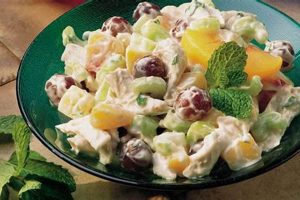
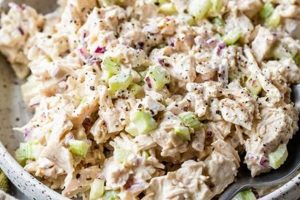
A combination of cooked chicken, typically shredded or diced, mayonnaise, and seasonings forms the base of this dish. The addition of apples and walnuts introduces contrasting textures and flavors: the sweetness and crispness of apples complement the savory chicken, while the walnuts provide a satisfying crunch and earthy notes. Variations may include other ingredients such as grapes, celery, cranberries, or different types of nuts.
This specific combination offers a balanced nutritional profile. Chicken provides protein, apples contribute fiber and vitamins, and walnuts are a source of healthy fats and antioxidants. The blend of flavors and textures makes it a versatile dish, suitable for sandwiches, wraps, salads, or as a standalone appetizer. While the precise origins are difficult to pinpoint, the combination of fruits and nuts with savory protein sources in salads has a long history, evolving alongside culinary traditions and ingredient availability.
Further exploration will cover variations in ingredients, preparation methods, nutritional information, and serving suggestions to provide a comprehensive understanding of this popular dish.
Tips for Preparing Chicken Salad with Apples and Walnuts
Achieving optimal flavor and texture requires attention to detail throughout the preparation process. The following tips offer guidance for creating a superior chicken salad.
Tip 1: Chicken Selection and Preparation: Using high-quality, properly cooked chicken is essential. Roasting or poaching chicken breasts yields optimal flavor and moisture. Avoid overcooking, which can result in dry, stringy meat.
Tip 2: Apple Selection and Preparation: Crisp, tart apples such as Granny Smith or Honeycrisp provide a desirable contrast to the richness of the chicken and mayonnaise. Dice apples into small, uniform pieces to ensure even distribution throughout the salad.
Tip 3: Walnut Preparation: Toasting walnuts enhances their flavor and adds a pleasant crunch. Toast them lightly in a dry pan or oven until fragrant, being careful not to burn them.
Tip 4: Mayonnaise Selection and Incorporation: Use good quality mayonnaise and add it gradually, starting with a smaller amount and adding more as needed to achieve the desired consistency. Over-dressing can make the salad heavy and mask the other flavors.
Tip 5: Seasoning and Flavor Balancing: Seasoning should complement the other ingredients without overpowering them. A simple combination of salt, pepper, and a touch of Dijon mustard often suffices. Consider adding a squeeze of lemon juice for brightness.
Tip 6: Chilling and Serving: Chilling the salad for at least 30 minutes allows the flavors to meld and enhances the overall experience. Serve chilled on bread, crackers, lettuce cups, or as a filling for wraps or sandwiches.
Tip 7: Ingredient Ratios: While recipes offer guidance, adjusting the ratio of ingredients based on personal preference is encouraged. Some may prefer a higher proportion of apples and walnuts, while others may prefer a more chicken-forward salad.
By following these tips, one can consistently create a delicious and satisfying chicken salad with apples and walnuts.
These preparation tips contribute to a more enjoyable culinary experience. The following section will offer serving suggestions and variations to further enhance the versatility of this dish.
1. Chicken (cooked, diced)

Cooked, diced chicken forms the foundation of chicken salad with apples and walnuts, providing the primary protein source and influencing the overall texture and flavor profile. Understanding its preparation and characteristics is crucial for a successful dish.
- Cooking Methods
Various cooking methods impact the chicken’s flavor and texture. Roasting or poaching yield moist, flavorful meat suitable for salad, while boiling can result in a blander, drier outcome. The chosen method significantly affects the final dish’s quality.
- Dicing Technique
Dicing the chicken into uniform pieces ensures even distribution throughout the salad and contributes to a pleasant mouthfeel. Overly large chunks can disrupt the balance, while excessively small pieces may become lost among other ingredients. Proper dicing enhances both presentation and enjoyment.
- Chicken Type
Chicken breast is the most common choice for its leanness and neutral flavor, readily absorbing the flavors of other ingredients. Dark meat, such as thighs, offers a richer flavor and increased moisture but may require careful balancing with other components to avoid overwhelming the salad.
- Quality and Freshness
Using fresh, high-quality chicken is paramount for both flavor and food safety. Proper storage and handling are essential to prevent spoilage and ensure a wholesome final product. The chicken’s quality directly impacts the overall taste and safety of the dish.
The careful selection, preparation, and handling of the chicken contribute significantly to the overall success of the chicken salad. These factors influence not only the nutritional value but also the textural and flavor complexity, ultimately determining the dish’s appeal.
2. Apples (crisp, diced)

Apples contribute a crucial dimension to chicken salad featuring apples and walnuts, impacting texture, flavor, and overall balance. Crisp apple varieties, such as Granny Smith or Honeycrisp, offer a refreshing contrast to the richness of the mayonnaise and savory chicken. Dicing ensures even distribution and a pleasant mouthfeel, preventing large pieces from overwhelming the other ingredients. The apple’s inherent sweetness and slight tartness balance the savory elements, preventing the salad from becoming overly rich. For example, a chicken salad made with Red Delicious apples, which are softer and sweeter, might lack the desired textural contrast and result in an overly sweet profile. Conversely, omitting apples altogether would result in a denser, potentially drier salad, lacking the characteristic brightness and complexity.
Beyond flavor and texture, apples introduce nutritional benefits, adding fiber and vitamins to the dish. This nutritional contribution complements the protein from the chicken and healthy fats from the walnuts. The specific apple variety chosen influences these nutritional aspects. A Granny Smith apple, for instance, offers a higher concentration of vitamin C compared to a Fuji apple. Understanding these nuances allows for informed ingredient selection based on desired nutritional outcomes. Furthermore, the interaction between apples and other ingredients affects shelf life. The acidity in apples can slow enzymatic browning of the other ingredients, contributing to a fresher-looking salad for a longer period. This practical consideration is important for meal preparation and storage.
In summary, the inclusion of crisp, diced apples is integral to a well-balanced and flavorful chicken salad with apples and walnuts. The choice of apple variety influences not only taste and texture but also nutritional value and practical aspects such as storage. Careful consideration of these factors ensures a successful and satisfying culinary experience.
3. Walnuts (toasted, chopped)
Walnuts, specifically toasted and chopped, contribute a significant layer of complexity to chicken salad with apples and walnuts. Toasting intensifies the inherent nutty flavor and creates a desirable crunch, enhancing the overall sensory experience. Chopping ensures even distribution throughout the salad, preventing large pieces from dominating and ensuring each bite contains a balanced mix of ingredients. This textural contrast complements the creamy mayonnaise, tender chicken, and crisp apples. Omitting walnuts would result in a noticeably different texture, lacking the satisfying crunch that elevates the dish. A chicken salad prepared with raw walnuts, for example, would have a softer texture and a less pronounced flavor, diminishing the intended contrast. Similarly, using whole or coarsely chopped walnuts could create an uneven distribution of texture and flavor, impacting the overall enjoyment.
Beyond texture and flavor, walnuts offer nutritional value, providing healthy fats, protein, and antioxidants. These nutritional benefits complement those offered by the chicken and apples, creating a more wholesome and balanced meal. Specifically, the omega-3 fatty acids in walnuts contribute to heart health, a factor often considered in dietary choices. Toasting walnuts, while enhancing flavor, does not significantly diminish these nutritional benefits. However, over-toasting can lead to a burnt flavor and potentially reduce the availability of some nutrients. Therefore, careful control over the toasting process is crucial for maximizing both flavor and nutritional value. This consideration is particularly relevant for those seeking to optimize their dietary intake through thoughtful food choices.
In summary, the inclusion of toasted, chopped walnuts is essential for optimizing the texture, flavor, and nutritional profile of chicken salad with apples and walnuts. Proper toasting and chopping techniques maximize these contributions, ensuring a balanced and satisfying culinary experience. Understanding the impact of walnut preparation on both sensory and nutritional aspects allows for informed choices that align with individual dietary preferences and health goals.
4. Mayonnaise (quality binder)
Mayonnaise serves as the unifying element in chicken salad with apples and walnuts, binding the diverse ingredients into a cohesive whole. Its quality and characteristics significantly influence the final product’s texture, flavor, and overall appeal. Understanding its role beyond simply “holding things together” is essential for creating a successful dish.
- Emulsification and Texture
Mayonnaise, an emulsion of oil and egg yolks, provides the creamy texture characteristic of chicken salad. The stability of this emulsion is crucial. A high-quality mayonnaise maintains its smooth, creamy consistency, coating the ingredients evenly and contributing to a pleasant mouthfeel. A low-quality mayonnaise, prone to separation or thinning, can result in a watery, less appealing salad. The emulsification process directly impacts the final product’s textural integrity.
- Flavor Enhancement and Balance
Mayonnaise contributes a subtle tanginess and richness that complements the other ingredients. Its flavor should enhance, not overpower, the chicken, apples, and walnuts. A mayonnaise with excessive acidity or sweetness can disrupt the delicate balance of flavors. The right mayonnaise enhances the overall flavor profile without masking the individual components.
- Ingredient Compatibility and Binding
The mayonnaise’s ability to effectively bind the ingredients is crucial. It should adhere to the chicken, apples, and walnuts, creating a cohesive mixture that holds its shape without becoming overly dense or greasy. A mayonnaise with poor binding properties will result in a loose, separated salad lacking structural integrity. Effective binding contributes to both the visual appeal and the enjoyment of the dish.
- Overall Quality and Freshness
The quality and freshness of the mayonnaise directly impact the final product’s flavor and shelf life. Using a high-quality, fresh mayonnaise made with good ingredients contributes to a superior taste and prolongs the salad’s freshness. Conversely, using a low-quality or expired mayonnaise can introduce off-flavors and shorten the salad’s shelf life, compromising both taste and safety.
The choice of mayonnaise is integral to the success of chicken salad with apples and walnuts. Its role extends beyond simply binding ingredients; it contributes significantly to the texture, flavor, and overall quality of the dish. Selecting a high-quality mayonnaise ensures a cohesive, flavorful, and enjoyable culinary experience.
5. Seasoning (balanced flavor)

Seasoning plays a critical role in the overall success of a chicken salad recipe with apples and walnuts. It provides depth, complexity, and balance, transforming a simple combination of ingredients into a harmonious and flavorful dish. The interplay of sweet, savory, tart, and salty notes relies heavily on the judicious use of seasonings. A bland or improperly seasoned chicken salad, even with high-quality ingredients, can be underwhelming. Conversely, appropriate seasoning elevates the flavors of each component, creating a synergistic and enjoyable culinary experience. For instance, a touch of salt enhances the sweetness of the apples and the richness of the walnuts, while a hint of black pepper adds a subtle warmth and complexity to the chicken. The balance achieved through proper seasoning is crucial for a truly satisfying result.
The complexity of flavor in chicken salad with apples and walnuts benefits from exploring various seasonings beyond basic salt and pepper. Consider the addition of Dijon mustard for tanginess, onion powder for a subtle savory note, or a pinch of celery seed for an herbaceous touch. Fresh herbs, such as dill or chives, can introduce a bright, fresh element. However, it’s essential to use seasonings judiciously, allowing the natural flavors of the chicken, apples, and walnuts to shine through. Over-seasoning can mask these delicate flavors, resulting in a muddled and less appealing final product. Experimentation is encouraged to discover preferred flavor combinations, but a restrained approach ensures a balanced and harmonious result. A chicken salad overladen with curry powder, for example, would overpower the subtle sweetness of the apples and the delicate nuttiness of the walnuts, demonstrating the importance of balanced seasoning.
Achieving balanced flavor through thoughtful seasoning is fundamental to a successful chicken salad with apples and walnuts. The careful consideration of complementary flavors and the restrained use of seasonings allows the inherent qualities of each ingredient to shine. This understanding empowers culinary exploration and ensures a consistently delicious and satisfying result, showcasing how seemingly simple elements like salt and pepper can significantly impact the final product. Mastery of seasoning transforms a basic recipe into a culinary delight, highlighting the importance of this often-underappreciated aspect of cooking.
6. Serving (chilled, versatile)
Serving temperature and presentation significantly impact the enjoyment of chicken salad with apples and walnuts. Chilling allows the flavors to meld and enhances the refreshing qualities of the dish, particularly beneficial during warmer months. A chilled salad offers a welcome contrast to ambient temperatures, providing a more satisfying sensory experience. Conversely, serving the salad at room temperature can dull the flavors and compromise the crispness of the apples and walnuts. For example, a warm salad may exhibit a less pronounced apple flavor and a softer walnut texture, diminishing the intended contrast and overall appeal.
The versatility of chicken salad with apples and walnuts extends beyond temperature considerations. It functions effectively as a sandwich filling, a component in lettuce wraps, a topping for crackers, or a standalone salad. This adaptability makes it a practical choice for various occasions, from casual lunches to more formal gatherings. Its versatility also allows for creative presentation. Consider serving the salad in scooped-out apples for an aesthetically pleasing presentation, or incorporating it into a larger salad with mixed greens and a light vinaigrette for a lighter meal option. These variations demonstrate its adaptability to diverse culinary contexts.
The interplay between chilling, presentation, and versatility contributes significantly to the overall culinary experience of enjoying chicken salad with apples and walnuts. Understanding these factors allows for informed choices that maximize enjoyment and align with specific dining occasions and individual preferences. Chilling enhances the sensory experience, while versatile presentation options broaden its culinary applications, reinforcing its position as a practical and adaptable dish.
Frequently Asked Questions
This section addresses common inquiries regarding chicken salad incorporating apples and walnuts, offering practical guidance and clarifying potential uncertainties.
Question 1: How long can this chicken salad be stored safely?
Properly stored in an airtight container in the refrigerator, this salad typically remains safe to consume for up to three to five days. Factors influencing shelf life include ingredient freshness and storage temperature consistency.
Question 2: Can other nuts be substituted for walnuts?
While walnuts offer a distinct flavor and texture profile, pecans or almonds provide viable alternatives. Consider the impact on overall flavor and texture when substituting. Pecans offer a sweeter, smoother profile, whereas almonds introduce a slightly more intense crunch.
Question 3: What type of apple is recommended?
Crisp, tart apples such as Granny Smith or Honeycrisp are generally preferred for their textural contrast and balanced sweetness. Softer, sweeter apple varieties may compromise the desired texture and flavor balance.
Question 4: Can a lighter version of this salad be made?
Using Greek yogurt or a reduced-fat mayonnaise in place of traditional mayonnaise effectively reduces the overall fat content. Adjusting the ratio of ingredients, such as increasing the apple and celery content, can further contribute to a lighter profile.
Question 5: How can one prevent the apples from browning?
Tossing the diced apples with a small amount of lemon juice helps prevent enzymatic browning, preserving their appearance and freshness. This step is particularly beneficial when preparing the salad in advance.
Question 6: Can this salad be frozen?
Freezing is generally not recommended, as the mayonnaise base can separate upon thawing, negatively impacting the texture. The apples and walnuts may also lose their desirable crispness upon freezing and thawing.
Addressing these frequently asked questions provides clarity and guidance for preparing and enjoying chicken salad with apples and walnuts successfully. A comprehensive understanding of these aspects ensures a positive culinary experience.
The following section offers variations on the classic recipe, expanding culinary possibilities and catering to diverse palates.
Chicken Salad Recipe with Apples and Walnuts
Exploration of this dish reveals a nuanced interplay of ingredients, preparation techniques, and serving considerations. From the selection of crisp apples and toasted walnuts to the careful balancing of seasonings and the choice of mayonnaise, each component contributes to the final product’s overall success. Proper chilling and versatile presentation options further enhance the dining experience. The frequently asked questions address practical concerns, offering guidance for optimal preparation and storage. The inherent adaptability of this recipe allows for personalized variations while maintaining its core characteristics.
Chicken salad with apples and walnuts exemplifies how seemingly simple ingredients, when combined with culinary knowledge and thoughtful execution, can yield a complex and satisfying dish. Continued exploration of flavor profiles, ingredient combinations, and presentation styles promises further culinary enrichment. This dish represents not merely a recipe, but a canvas for culinary creativity and a testament to the enduring appeal of balanced flavors and textures.