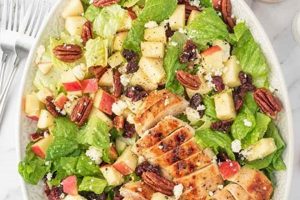
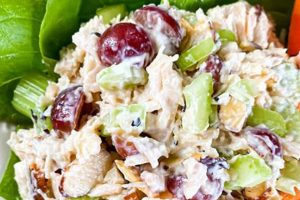
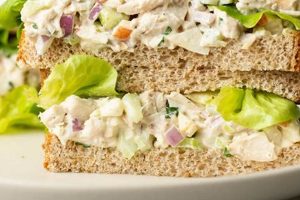
A mixture of cooked chicken, typically shredded or diced, combined with mayonnaise forms the base of this dish. The addition of grapes introduces a sweet and slightly tart element, while almonds provide texture and a nutty flavor. Variations may include other ingredients such as celery, onion, herbs, and spices. This combination offers a balance of protein, healthy fats, and carbohydrates.
This type of salad offers a versatile and convenient meal option. It can be enjoyed as a light lunch, a picnic staple, or served as a filling for sandwiches or wraps. Its adaptability allows for easy customization based on individual preferences and dietary needs. From a nutritional perspective, it provides a good source of lean protein and incorporates the benefits of fruits and nuts. While its precise origin is difficult to pinpoint, the combination of chicken, fruits, and nuts in salads has historical precedents dating back centuries.
Further exploration will detail specific variations, offer tips for optimal preparation, and discuss nutritional aspects in greater depth. This information will equip readers to create and appreciate this classic dish.
Tips for Preparing Chicken Salad with Grapes and Almonds
Optimizing ingredient selection and preparation techniques elevates this classic dish. Attention to detail ensures a flavorful and satisfying culinary experience.
Tip 1: Chicken Selection and Preparation: Poaching or roasting chicken breasts yields optimal flavor and texture. Avoid pre-cooked or deli chicken, as these often contain excess sodium and lack depth of flavor. Allow the chicken to cool completely before shredding or dicing to prevent a mushy texture.
Tip 2: Grape Selection: Seedless red or green grapes offer a pleasant sweetness and visual appeal. Halving or quartering larger grapes ensures even distribution and prevents them from dominating the salad’s texture.
Tip 3: Almond Preparation: Toasting almonds enhances their nutty flavor and provides a satisfying crunch. Slivered or sliced almonds offer optimal size and texture for incorporation into the salad.
Tip 4: Mayonnaise Selection: High-quality mayonnaise contributes significantly to the overall flavor profile. Consider using mayonnaise made with olive oil or avocado oil for a healthier option.
Tip 5: Balancing Flavors: Incorporating finely diced celery and red onion adds complexity and depth. Fresh herbs, such as dill or chives, provide a bright, aromatic element. A touch of lemon juice or Dijon mustard enhances the flavor profile without overpowering the other ingredients.
Tip 6: Seasoning: Seasoning with salt and freshly ground black pepper is crucial. Adjust seasoning to taste after the salad has chilled, as flavors meld and intensify over time.
Tip 7: Chilling: Allowing the salad to chill for at least 30 minutes before serving allows the flavors to meld and enhances the overall experience. This also firms the texture, making it ideal for sandwiches or wraps.
By following these guidelines, one can create a chicken salad that balances flavor, texture, and visual appeal. The result is a dish suitable for various occasions, from casual lunches to more formal gatherings.
These tips provide a foundation for crafting a superior chicken salad. Experimentation with additional ingredients and flavor combinations allows for personalized variations.
1. Chicken (cooked, diced)

Cooked, diced chicken constitutes the foundational ingredient, providing the primary protein source and influencing the overall texture and flavor profile. The cooking method impacts the final result; poaching or roasting preserves moisture and enhances flavor, while boiling can result in a drier, less flavorful outcome. Dicing ensures even distribution throughout the salad and facilitates convenient consumption. The size of the dice influences the perceived texture; smaller pieces create a smoother consistency, while larger pieces offer a more substantial bite.
Consider a scenario where pre-cooked, shredded chicken is utilized. This often results in a drier salad due to the pre-cooking process, which can strip the chicken of its natural moisture. Furthermore, pre-shredded chicken may contain added sodium, impacting the overall flavor balance. In contrast, freshly roasted and diced chicken offers superior moisture retention and flavor, contributing significantly to a more palatable and enjoyable salad. This highlights the crucial role of proper chicken preparation in achieving the desired outcome.
Effective preparation of the chicken significantly impacts the overall quality and enjoyment of the dish. Understanding the nuances of cooking and dicing techniques allows for optimization of both flavor and texture. This foundational element directly influences the success of the recipe, demonstrating its critical role in achieving a balanced and satisfying culinary experience.
2. Mayonnaise (quality binder)

Mayonnaise serves as the unifying element in a chicken salad, binding the diverse ingredients and contributing significantly to the overall texture, flavor, and perceived quality. Its emulsification properties create a creamy consistency that coats the chicken, grapes, and almonds, allowing the flavors to meld harmoniously. The quality of the mayonnaise directly impacts the final result; a high-quality mayonnaise enhances the overall flavor profile, while a lower-quality option can detract from the dish.
- Emulsification and Texture:
Mayonnaise, an emulsion of oil and egg yolks, provides the creamy texture characteristic of a well-made chicken salad. This emulsion coats the other ingredients, preventing the salad from becoming dry and contributing to a smooth, cohesive mouthfeel. A stable emulsion is crucial; a broken emulsion results in a watery, unappetizing salad. The viscosity of the mayonnaise also plays a role, influencing the salad’s overall texture.
- Flavor Enhancement and Balance:
Mayonnaise contributes a subtle tanginess and richness that complements the other ingredients. Its flavor profile interacts with the sweetness of the grapes, the nuttiness of the almonds, and the savory notes of the chicken, creating a balanced and harmonious flavor profile. The specific flavor profile of the mayonnaise, influenced by factors such as the type of oil and vinegar used, can further enhance or detract from the overall flavor experience.
- Ingredient Quality and Overall Perception:
The quality of the mayonnaise directly correlates with the perceived quality of the entire salad. A high-quality mayonnaise, typically made with fresh ingredients and minimal additives, elevates the dish, while a lower-quality mayonnaise can introduce unwanted flavors or textures. This underscores the importance of selecting a mayonnaise that complements and enhances the other ingredients.
- Variations and Customization:
Mayonnaise provides a versatile base that allows for customization and variation. Adding ingredients such as Dijon mustard, lemon juice, or herbs directly to the mayonnaise can further enhance the flavor profile and create unique variations of the classic recipe. The mayonnaise serves as a canvas for flavor experimentation, allowing for personalized adaptations to suit individual preferences.
The selection and utilization of mayonnaise significantly impact the final product. By understanding its role as a binder, flavor enhancer, and textural component, one can optimize the recipe for a superior culinary experience. A carefully chosen, high-quality mayonnaise elevates the chicken salad, transforming it from a simple mixture of ingredients into a cohesive and satisfying dish.
3. Grapes (sweetness, texture)

Grapes contribute a crucial dimension of sweetness and textural contrast to chicken salad, elevating it beyond a simple savory dish. The inherent sweetness of grapes counterbalances the richness of the mayonnaise and the savory notes of the chicken, creating a more complex and balanced flavor profile. This interplay of sweet and savory elements distinguishes the salad, offering a more nuanced and satisfying culinary experience. Furthermore, the grapes’ texture provides a juicy burst that contrasts with the creaminess of the mayonnaise and the crunch of the almonds. This textural diversity adds interest and prevents the salad from becoming monotonous. Imagine a chicken salad without grapes; the result would likely be denser, richer, and lacking the refreshing brightness that the grapes provide.
The choice of grape variety further influences the salad’s character. Red grapes offer a slightly tart sweetness, while green grapes provide a crisper, more refreshing bite. Larger grapes, if used, benefit from halving or quartering to prevent them from overwhelming the other ingredients and to ensure even distribution of sweetness and texture throughout the salad. Consider a scenario where only large, whole grapes are incorporated; their size might disrupt the balance of the salad, creating pockets of excessive sweetness and uneven texture. In contrast, carefully chosen and appropriately sized grapes integrate seamlessly, enhancing both the flavor and textural complexity.
The interplay of sweetness and texture provided by grapes significantly elevates the chicken salad. This seemingly simple addition transforms the dish, adding layers of flavor and textural complexity. Understanding the importance of grape selection and preparation allows for the creation of a more balanced and satisfying culinary experience. The strategic incorporation of grapes underscores the thoughtful composition required to achieve a truly exceptional chicken salad.
4. Almonds (crunch, flavor)

Almonds play a crucial role in a chicken salad recipe with grapes and almonds, contributing both textural complexity and a distinct flavor profile that complements the other ingredients. Their presence elevates the salad from a simple combination of elements to a more nuanced and satisfying dish. The interplay of textures and flavors created by the almonds enhances the overall sensory experience.
- Textural Contrast:
Almonds provide a satisfying crunch that contrasts with the creamy mayonnaise and the tender chicken, preventing the salad from becoming texturally monotonous. This contrast adds interest and elevates the overall eating experience. Imagine biting into a chicken salad without the contrasting crunch of almonds; the texture would be significantly less dynamic and potentially less appealing. The almonds’ crispness adds a welcome layer of complexity.
- Flavor Enhancement:
Almonds possess a characteristic nutty flavor that complements the sweetness of the grapes and the savory notes of the chicken. This flavor profile adds depth and complexity to the overall taste of the salad. The subtle bitterness present in almonds also balances the sweetness, preventing the salad from becoming overly saccharine. This balance of flavors contributes to a more nuanced and enjoyable culinary experience.
- Nutritional Value:
Beyond their textural and flavor contributions, almonds provide nutritional value, adding healthy fats, protein, and fiber to the salad. This nutritional boost enhances the salad’s health benefits, making it a more complete and satisfying meal option. The inclusion of almonds aligns with health-conscious dietary preferences, increasing the salad’s appeal.
- Preparation and Form:
The preparation of the almonds further influences their contribution to the salad. Toasted almonds offer a more intense nutty flavor and enhanced crunch. Slivered, sliced, or chopped almonds provide varying textures and distribute more evenly throughout the salad compared to whole almonds. Consider the difference between whole, untoasted almonds and slivered, toasted almonds; the latter offers a more pronounced flavor and a more manageable texture that integrates seamlessly with the other ingredients.
The inclusion of almonds in a chicken salad recipe with grapes demonstrably enhances the dish across multiple dimensions. Their textural contrast, distinct flavor, nutritional benefits, and versatility in preparation contribute significantly to the overall culinary experience. Understanding the multifaceted role of almonds allows for informed choices regarding their preparation and incorporation, leading to a more balanced, flavorful, and satisfying salad. The strategic use of almonds exemplifies the importance of considering each ingredient’s contribution to the final product.
5. Seasoning (balance, enhancement)
Seasoning plays a pivotal role in a chicken salad recipe with grapes and almonds, significantly impacting the final flavor profile and overall enjoyment. It provides balance by harmonizing the diverse flavorsthe sweetness of grapes, the richness of mayonnaise, the nuttiness of almonds, and the savory character of the chicken. Without proper seasoning, these individual flavors might clash or remain muted, resulting in a less satisfying dish. Seasoning enhances these inherent flavors, bringing them to the forefront and creating a more nuanced and complex taste experience. Consider a scenario where salt is omitted; the salad might taste bland and lackluster, with the sweetness of the grapes overpowering the other flavors. Conversely, excessive salt could mask the delicate flavors of the chicken and nuts, resulting in an unbalanced profile. The judicious use of salt, therefore, acts as a crucial balancing agent, allowing each ingredient’s flavor to shine through.
Beyond salt and pepper, other seasonings can further elevate the chicken salad. A touch of acidity, such as lemon juice or vinegar, can brighten the flavors and cut through the richness of the mayonnaise. Fresh herbs, like dill or chives, introduce aromatic complexity, while spices, such as paprika or cayenne pepper, add warmth and depth. The choice of seasonings allows for customization based on individual preferences and desired flavor profiles. For example, a Mediterranean-inspired chicken salad might benefit from the addition of oregano and feta cheese, while a more traditional approach might utilize celery seed and onion powder. These variations highlight the versatility of seasoning in creating unique and personalized flavor experiences.
Effective seasoning requires careful consideration and a nuanced approach. It’s not merely a matter of adding salt and pepper; it’s about understanding the interplay of flavors and how different seasonings can enhance or detract from the overall balance. The timing of seasoning also plays a role. Seasoning the chicken before incorporating it into the salad ensures that the flavor permeates the meat, while adjusting the seasoning of the entire salad after chilling allows for final flavor adjustments as the ingredients meld. Mastering the art of seasoning elevates the chicken salad from a simple combination of ingredients to a carefully crafted and balanced culinary creation. This attention to detail distinguishes a truly exceptional chicken salad from a mediocre one, underscoring the critical role of seasoning in achieving culinary excellence.
6. Chilling (flavor melding)

Chilling plays a crucial role in the final flavor development of a chicken salad recipe with grapes and almonds. It’s not merely a matter of food safety; chilling allows the diverse flavorsthe savory chicken, sweet grapes, nutty almonds, and creamy mayonnaiseto meld and harmonize, resulting in a more cohesive and nuanced flavor profile. This process of flavor melding elevates the salad from a simple combination of ingredients to a more complex and satisfying culinary experience. The chilling period allows the individual components to interact and integrate, creating a synergistic blend of flavors.
- Flavor Integration and Balance:
Chilling allows the individual flavors of the ingredients to permeate the mayonnaise, creating a more unified and balanced flavor profile. The sweetness of the grapes subtly infuses the mayonnaise, while the savory notes of the chicken and the nutty undertones of the almonds become more integrated. This integration creates a more harmonious and complex flavor experience compared to a freshly made salad where the individual flavors remain distinct.
- Texture Enhancement:
Chilling firms the texture of the chicken salad, making it more palatable and easier to handle, particularly when used as a sandwich filling or served on crackers. The chilling process allows the mayonnaise to thicken slightly, which contributes to a more desirable texture and prevents the salad from becoming watery or runny. This improved texture enhances the overall eating experience.
- Time and Temperature Considerations:
The optimal chilling time allows for adequate flavor melding without compromising the texture or freshness of the ingredients. A chilling period of at least 30 minutes is generally recommended, although longer chilling times, up to a few hours, can further enhance flavor development. Excessive chilling, however, can negatively impact the texture, potentially making the salad too firm. The ideal temperature for chilling is between 35-40F (2-4C), which inhibits bacterial growth while preserving the quality of the ingredients.
- Flavor Perception and Aromatic Development:
The chilling process influences flavor perception by allowing the volatile aromatic compounds within the ingredients to meld and intensify. These compounds contribute significantly to the overall flavor experience. Upon consumption, the chilled salad releases these intensified aromas, enhancing the sensory experience. A freshly made salad, while palatable, may lack the same depth of aromatic complexity that develops during the chilling process.
Chilling, therefore, is not merely a final step but an integral part of crafting a superior chicken salad with grapes and almonds. It’s a crucial stage that allows the individual flavors to meld, the textures to firm, and the aromatic complexity to develop fully. This understanding of the chilling process underscores the importance of time and temperature in achieving the desired flavor profile and optimal textural characteristics. By allowing the salad to chill properly, one elevates the dish from a simple mixture of ingredients to a carefully crafted and balanced culinary creation.
Frequently Asked Questions
This section addresses common inquiries regarding chicken salad preparation, focusing on variations and optimal techniques to ensure a successful culinary outcome.
Question 1: Can alternative nuts be used in place of almonds?
Walnuts, pecans, or cashews offer viable alternatives, each contributing a unique flavor profile and textural nuance. Consider the desired flavor profile when selecting substitutes; walnuts offer a robust, earthy flavor, while pecans provide a buttery sweetness. Cashews, with their mild flavor and creamy texture, offer a more subtle alternative.
Question 2: How can sodium content be reduced?
Sodium reduction can be achieved through several strategies. Using home-cooked chicken allows for control over salt addition during cooking. Lower-sodium mayonnaise options are available commercially. Furthermore, reducing or omitting added salt during preparation minimizes overall sodium content. Fresh herbs and spices can enhance flavor without contributing additional sodium.
Question 3: What are suitable storage practices?
Storing the salad in an airtight container in the refrigerator maintains optimal freshness and quality for up to three days. Avoid freezing, as this negatively impacts the texture and emulsion stability of the mayonnaise. Ensure prompt refrigeration after preparation to minimize bacterial growth.
Question 4: Can different fruits be incorporated?
Apples, dried cranberries, or mandarin oranges can complement the flavor profile. Consider the textural and flavor impact of each fruit; apples provide crispness and tartness, dried cranberries offer chewy sweetness, and mandarin oranges introduce a citrusy burst. Balance sweetness and texture for optimal results.
Question 5: What options exist for those with nut allergies?
Sunflower seeds or pumpkin seeds offer suitable alternatives, providing a similar textural element without the allergenic properties of nuts. Ensure complete absence of nut cross-contamination during preparation and serving for individuals with severe allergies. Labeling the salad clearly indicates the absence of nuts.
Question 6: How can one achieve optimal creaminess?
Creaminess is primarily influenced by the mayonnaise. Using full-fat mayonnaise, rather than low-fat or fat-free versions, provides a richer, creamier texture. Greek yogurt can be incorporated to enhance creaminess while adding a tangy element. Adjusting the mayonnaise-to-chicken ratio also influences the final consistency; a higher mayonnaise proportion results in a creamier salad.
Careful consideration of ingredient selection and preparation techniques ensures a flavorful and enjoyable experience. These guidelines provide a framework for customization based on individual preferences and dietary requirements.
Beyond these frequently asked questions, further exploration can delve into specific recipe variations and advanced preparation techniques, allowing for a more comprehensive understanding of this culinary classic.
Chicken Salad Recipe with Grapes and Almonds
Exploration of this classic dish reveals a carefully orchestrated balance of flavors and textures. From the foundational protein provided by diced chicken to the nuanced sweetness of grapes and the satisfying crunch of almonds, each ingredient contributes a distinct element to the overall composition. The binding role of mayonnaise, the importance of proper seasoning, and the transformative effect of chilling underscore the attention to detail required for optimal preparation. Customization options, including alternative nut selections, fruit variations, and sodium reduction strategies, demonstrate the recipe’s adaptability to individual preferences and dietary needs. Addressing frequent inquiries regarding ingredient substitutions, storage practices, and techniques for achieving optimal creaminess provides a comprehensive understanding of this versatile dish.
The enduring appeal of a chicken salad recipe with grapes and almonds lies in its ability to satisfy a range of palates and occasions. Its adaptable nature allows for continuous refinement and personalized interpretations, ensuring its relevance within the ever-evolving culinary landscape. Further exploration and experimentation promise to uncover new dimensions of flavor and texture, perpetuating the legacy of this timeless classic.