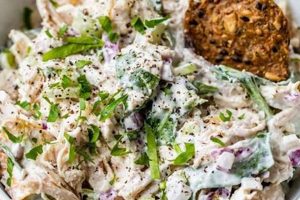
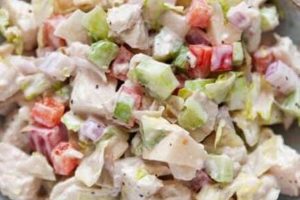
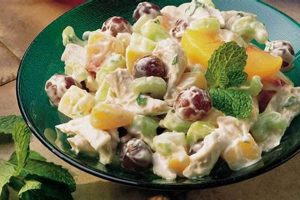
This dish typically combines cooked chicken, dried cranberries, pecans, and a mayonnaise-based dressing. Variations may include celery, red onion, grapes, or apples, offering a blend of sweet, savory, and crunchy textures. A simple version might use plain mayonnaise, while more complex recipes incorporate flavored mayonnaise, yogurt, or sour cream, often seasoned with Dijon mustard, salt, and pepper.
The combination of ingredients offers a nutritionally balanced meal option. Chicken provides protein, cranberries offer antioxidants, and pecans contribute healthy fats and fiber. This salad’s versatility makes it suitable for various occasions, from light lunches and picnics to more formal gatherings. It can be served as a sandwich filling, in lettuce cups, or as a stand-alone salad. The balance of flavors and textures has contributed to its enduring popularity, making it a contemporary classic.
Further exploration will cover variations in ingredients, dressings, and presentation, offering a range of options from quick and easy preparations to more elaborate culinary creations. Nutritional information and suggested pairings will also be provided.
Tips for Cranberry Pecan Chicken Salad
Optimizing ingredient selection and preparation methods elevates this dish from simple to exceptional.
Tip 1: Chicken Selection: Roasting or poaching chicken specifically for the salad yields superior flavor and texture compared to using pre-cooked or deli chicken. Bone-in, skin-on chicken breasts contribute richer flavor.
Tip 2: Cranberry Choice: Dried cranberries offer sweetness and chewiness. Consider using craisins (sweetened dried cranberries) or dried cranberries with less added sugar for better flavor balance.
Tip 3: Pecan Preparation: Toasting pecans enhances their flavor and provides a satisfying crunch. Lightly toast them in a dry pan over medium heat until fragrant.
Tip 4: Mayonnaise Enhancement: Using high-quality mayonnaise elevates the overall flavor. Consider adding a touch of Dijon mustard or plain Greek yogurt for tang and creaminess.
Tip 5: Freshness Enhancement: Incorporating fresh elements like chopped celery, red onion, or apple provides contrasting textures and flavors. A squeeze of fresh lemon juice can brighten the overall taste.
Tip 6: Seasoning Considerations: Salt and freshly ground black pepper are essential. Herbs such as thyme or tarragon can add depth of flavor. Start with small amounts and adjust to taste.
Tip 7: Chilling for Flavor Development: Allowing the salad to chill for at least 30 minutes before serving allows the flavors to meld and enhances the overall experience.
Tip 8: Serving Suggestions: Serve the salad on croissants, in lettuce cups, or with crackers for a complete meal or snack. Consider garnishing with fresh herbs or additional pecans.
Attention to these details ensures a delightful culinary experience, showcasing the harmonious blend of flavors and textures inherent in this dish.
By following these tips, one can create a truly exceptional chicken salad.
1. Chicken Preparation
Chicken preparation significantly influences the final quality of cranberry pecan chicken salad. Several methods exist, each imparting distinct characteristics to the dish. Poaching results in moist, tender chicken with a clean flavor profile, ideal for highlighting the other ingredients. Roasting, on the other hand, develops a deeper, more savory flavor and a slightly firmer texture, adding complexity to the salad. Shredding or dicing the chicken after cooking impacts texture; smaller pieces absorb the dressing more readily, while larger pieces offer more substantial bites.
Choosing the appropriate preparation method depends on the desired outcome. For a lighter, brighter salad, poached and shredded chicken works well. When a richer, more robust flavor is desired, roasted and diced chicken provides a more substantial foundation. Overcooking, regardless of method, results in dry, stringy chicken, detrimental to the salad’s overall appeal. Therefore, careful attention to cooking time and temperature is crucial. Using pre-cooked chicken, while convenient, often compromises flavor and texture, affecting the final product’s quality.
Optimal chicken preparation enhances the balance of flavors and textures within the cranberry pecan chicken salad. Thoughtful consideration of the chosen method allows for tailoring the salad to specific preferences, maximizing enjoyment. This underscores the importance of chicken preparation as a foundational element in crafting a successful dish.
2. Cranberry Selection

Cranberry selection significantly influences the overall balance and flavor profile of cranberry pecan chicken salad. Different cranberry types offer varying levels of sweetness, tartness, and texture, directly impacting the final dish. Common options include dried cranberries, sweetened dried cranberries (often marketed as “craisins”), and fresh cranberries. Dried cranberries provide a chewy texture and concentrated tartness, while sweetened dried cranberries offer a softer texture and a predominantly sweet flavor. Fresh cranberries, although less common in this application, contribute a burst of tartness and a slightly firmer texture.
The choice of cranberry type should complement the other ingredients. For instance, if the dressing leans towards sweetness, using standard dried cranberries balances the sweetness with tartness. Conversely, if the dressing is more savory, sweetened dried cranberries might be preferred. Using fresh cranberries requires careful consideration of their tartness and potential to overpower other flavors. The size and quality of the cranberries also matter. Larger, plumper cranberries offer more textural presence, while smaller, broken pieces might blend seamlessly into the salad.
Careful cranberry selection demonstrates an understanding of flavor dynamics and elevates the cranberry pecan chicken salad beyond a simple combination of ingredients. Consideration of sweetness, tartness, and texture ensures a well-balanced and enjoyable dish. This highlights the importance of cranberry selection as a key component in crafting a successful recipe.
3. Pecan Quality

Pecan quality significantly impacts the overall success of cranberry pecan chicken salad recipes. Fresh, high-quality pecans contribute a desirable buttery flavor and satisfying crunch, enhancing the textural complexity of the salad. Rancid or stale pecans, however, introduce off-flavors and detract from the overall sensory experience. Factors influencing pecan quality include freshness, storage conditions, and variety. Freshly harvested pecans generally possess superior flavor and texture compared to those stored for extended periods. Proper storage in airtight containers, away from heat and light, preserves freshness and prevents oxidation, which leads to rancidity.
Different pecan varieties also exhibit subtle variations in flavor and texture. Some varieties offer a more pronounced buttery flavor, while others possess a sweeter profile. The size and shape of pecan pieces influence texture. Halves or large pieces provide a more substantial crunch, while smaller pieces or chopped pecans offer a finer texture, blending more seamlessly into the salad. Recipes often specify a preferred pecan form based on the desired textural outcome. Selecting high-quality pecans and storing them properly ensures optimal flavor and texture, elevating the cranberry pecan chicken salad from ordinary to exceptional. For example, using premium pecans in a salad served at a catered event enhances perceived quality and contributes to a more positive overall impression. Conversely, using low-quality pecans in a restaurant setting could lead to customer dissatisfaction and negatively impact the establishment’s reputation.
Understanding the relationship between pecan quality and the final product underscores the importance of ingredient selection. Investing in quality ingredients elevates the sensory experience and reflects a commitment to culinary excellence. Challenges may arise from sourcing high-quality pecans consistently, particularly in regions where pecans are not readily available. However, the resulting improvement in flavor and texture justifies the effort. This principle extends beyond cranberry pecan chicken salad to a broader culinary context, highlighting the significance of ingredient quality in achieving optimal culinary results.
4. Dressing Consistency

Dressing consistency plays a crucial role in the overall success of cranberry pecan chicken salad recipes. The dressing serves not only as a flavor enhancer but also as a binding agent, influencing the salad’s texture and overall palatability. An ideal dressing consistency coats the ingredients evenly, allowing flavors to meld without making the salad soggy or overly dry. Understanding the factors contributing to dressing consistency enables informed decisions regarding ingredient selection and preparation techniques.
- Viscosity
Viscosity, the thickness or resistance to flow, determines how well the dressing clings to the other ingredients. A dressing that is too thin will run off the salad, resulting in a watery, unappetizing dish. Conversely, a dressing that is too thick may not distribute evenly, creating pockets of excessive dressing and leaving some ingredients uncoated. Viscosity is influenced by the type and quantity of ingredients used in the dressing. For example, mayonnaise-based dressings tend to be thicker than those made with vinaigrette. The addition of ingredients like Greek yogurt or sour cream can further increase viscosity.
- Emulsification
Emulsification refers to the process of combining two immiscible liquids, such as oil and water, into a stable mixture. In salad dressings, emulsification prevents separation and maintains a uniform consistency. A stable emulsion ensures that the dressing remains cohesive and evenly coats the salad ingredients. Ingredients like egg yolks or mustard act as emulsifiers, helping to bind the oil and water molecules together. A broken emulsion, characterized by separated layers of oil and water, results in an unevenly coated salad and an unpleasant mouthfeel.
- Ingredient Ratios
The ratio of ingredients within the dressing significantly impacts its final consistency. For instance, a higher proportion of mayonnaise to other liquids results in a thicker dressing. Adjusting the ratio of ingredients allows for tailoring the dressing consistency to specific preferences and recipe requirements. Careful measurement and adherence to recipe guidelines ensure consistent results. Experimentation with ingredient ratios can lead to customized dressings that complement the other flavors in the salad.
- Temperature
Temperature affects dressing consistency, particularly for dressings containing ingredients like mayonnaise or butter. Cold temperatures can cause these ingredients to solidify, resulting in a thicker dressing. Conversely, warmer temperatures can thin the dressing, potentially leading to separation or a watery consistency. Serving the salad at the appropriate temperature helps maintain the desired dressing consistency and optimizes the overall dining experience. Considerations for temperature sensitivity apply not only to the dressing itself but also to the storage and serving temperature of the entire salad. For example, storing the salad at too low a temperature may cause the dressing to become overly thick, affecting its ability to coat the ingredients evenly upon serving.
Understanding the interplay of these factors enables the creation of cranberry pecan chicken salad with a dressing consistency that enhances both flavor and texture. A well-balanced dressing consistency contributes significantly to the overall enjoyment of the dish, ensuring a harmonious blend of flavors and a pleasant mouthfeel. From the creamy richness of a mayonnaise-based dressing to the light tang of a vinaigrette, the appropriate consistency elevates the culinary experience, making each bite a delightful combination of sweet, savory, and crunchy elements. Achieving optimal dressing consistency requires attention to detail and an understanding of the underlying principles governing emulsion stability, viscosity, and ingredient interactions. These principles extend beyond cranberry pecan chicken salad, applying to a wide range of culinary applications where dressings and sauces play a crucial role in flavor and texture development.
5. Freshness of Ingredients
Ingredient freshness significantly impacts the quality and overall sensory experience of cranberry pecan chicken salad. Fresh ingredients contribute optimal flavor, texture, and visual appeal, creating a superior culinary outcome. Conversely, using subpar or stale ingredients compromises the dish, resulting in diminished flavor, undesirable textures, and potential food safety concerns. This principle applies across all components of the salad, from the chicken and produce to the pecans and dressing ingredients.
Consider the impact of freshness on individual components. Freshly cooked or roasted chicken offers a moist, tender texture and clean flavor, contrasting sharply with the dry, sometimes off-putting taste of pre-cooked or older chicken. Bright, crisp celery and red onion provide a refreshing crunch and vibrant flavor, while wilted or softened produce detracts from the salad’s appeal. Fresh pecans offer a buttery flavor and satisfying crunch, whereas stale pecans can taste rancid and have a rubbery texture. Even the freshness of mayonnaise and other dressing ingredients matters; using expired or improperly stored ingredients can introduce off-flavors and compromise food safety.
Practical examples illustrate the connection between freshness and quality. Imagine a restaurant serving cranberry pecan chicken salad made with fresh, locally sourced ingredients. The vibrant colors, crisp textures, and balanced flavors create a positive dining experience, potentially leading to repeat customers and positive reviews. Contrast this with a pre-made salad from a grocery store using older ingredients. The dull colors, mushy textures, and less vibrant flavors result in a less satisfying experience. This underscores the importance of prioritizing ingredient freshness, especially in commercial settings where quality directly impacts customer perception and business success. While challenges exist in sourcing and maintaining fresh ingredients, particularly with seasonal variations and supply chain logistics, the benefits in terms of flavor, texture, and overall quality far outweigh the effort involved.
6. Seasoning Balance

Seasoning balance plays a critical role in the overall success of cranberry pecan chicken salad recipes. It directly impacts the final flavor profile, influencing how the individual ingredients interact and contribute to the dish’s complexity. A well-seasoned salad elevates the inherent flavors of the chicken, cranberries, pecans, and other components, creating a harmonious and palatable experience. Conversely, improper seasoning can mask desirable flavors or create an unbalanced, unappetizing result. The interplay of salt, pepper, acidity, and other seasonings determines the final outcome.
Salt enhances the savory notes of the chicken and pecans, while also balancing the sweetness of the cranberries. However, excessive salt can overpower the other flavors, rendering the salad unpleasantly salty. Black pepper adds a subtle spice and depth of flavor, complementing the richness of the pecans and the tartness of the cranberries. Overuse of pepper can create an overpowering heat that detracts from the other ingredients. Acidity, often introduced through lemon juice or vinegar, brightens the flavors and provides a counterpoint to the richness of the mayonnaise-based dressing. Too much acidity can make the salad overly tart, while too little can result in a bland, one-dimensional flavor profile. Other seasonings, such as herbs or spices, can further enhance the flavor profile but require careful consideration to avoid clashes or overpowering the core ingredients. For instance, a hint of thyme can complement the earthiness of the pecans, while a touch of Dijon mustard in the dressing can add a subtle tang that balances the sweetness of the cranberries.
Understanding the impact of seasoning balance allows for informed adjustments based on ingredient variations and personal preferences. For example, if using sweetened dried cranberries, less additional sweetness might be required in the dressing. Conversely, if using tart cranberries, a touch of honey or maple syrup might enhance the flavor balance. Challenges can arise from variations in ingredient quality and individual palates. High-quality ingredients typically require less seasoning to shine, while lower-quality ingredients might need more intervention to achieve a desirable flavor profile. Furthermore, individual taste preferences vary widely, necessitating adjustments based on the target audience or personal consumption. Mastering seasoning balance elevates cranberry pecan chicken salad from a simple combination of ingredients to a complex and nuanced culinary creation. It exemplifies the power of thoughtful seasoning in transforming ordinary dishes into exceptional dining experiences.
Frequently Asked Questions
This section addresses common inquiries regarding cranberry pecan chicken salad recipes, providing concise and informative responses.
Question 1: What type of chicken is best suited for this salad?
While pre-cooked chicken offers convenience, roasting or poaching fresh chicken specifically for the salad yields superior flavor and texture. Bone-in, skin-on chicken breasts contribute richer flavor compared to boneless, skinless options.
Question 2: Can fresh cranberries be substituted for dried cranberries?
Fresh cranberries can be used, but their tartness requires careful balancing within the overall recipe. Adjustments to the dressing’s sweetness or the addition of other complementary ingredients might be necessary to achieve a harmonious flavor profile.
Question 3: How can the salad’s sweetness be adjusted?
Sweetness levels can be adjusted through the choice of cranberries (sweetened or unsweetened dried cranberries) and the addition of sweeteners to the dressing. Honey, maple syrup, or a pinch of sugar can be incorporated to enhance sweetness. Taste and adjust accordingly.
Question 4: What can be used as a mayonnaise substitute?
Plain Greek yogurt or sour cream offer lower-fat alternatives to mayonnaise. These substitutes alter the dressing’s texture and flavor, often resulting in a tangier profile. Avocado can also be used for a vegan alternative. Adjustments to other ingredients might be needed to maintain desired consistency.
Question 5: How long can the salad be stored?
Properly stored in an airtight container in the refrigerator, cranberry pecan chicken salad can typically last for 3-5 days. Observe signs of spoilage, such as off-odors or changes in texture, before consuming. Discard any salad that shows signs of spoilage.
Question 6: Can this salad be frozen?
Freezing is not recommended as it can negatively impact the texture of the ingredients, particularly the mayonnaise-based dressing, leading to a watery consistency upon thawing. The salad is best enjoyed fresh or within a few days of preparation.
Careful consideration of these frequently asked questions enhances understanding of cranberry pecan chicken salad preparation and storage. Addressing these common concerns facilitates successful recipe execution and ensures a satisfying culinary experience.
The following section will explore variations on this classic recipe, showcasing the dish’s adaptability and versatility.
Cranberry Pecan Chicken Salad Recipes
Exploration of cranberry pecan chicken salad recipes reveals the interplay of ingredient selection, preparation methods, and seasoning balance in achieving a harmonious culinary outcome. From the careful selection of fresh, high-quality pecans and cranberries to the nuanced approach to chicken preparation and dressing consistency, each element contributes significantly to the final product. Proper seasoning, balancing salt, pepper, and acidity, further enhances the inherent flavors of the core ingredients. Addressing key considerations, such as ingredient freshness and storage, ensures optimal flavor and texture, elevating the dish from simple to exceptional.
Culinary enthusiasts are encouraged to explore the versatility of cranberry pecan chicken salad recipes, adapting ingredients and techniques to create personalized variations. This classic dish offers a canvas for culinary creativity, allowing for the incorporation of diverse flavors and textures while maintaining its core identity. Continued exploration promises a deeper appreciation for the nuanced interplay of ingredients and techniques, furthering the evolution of this timeless culinary creation.