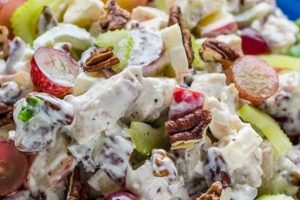
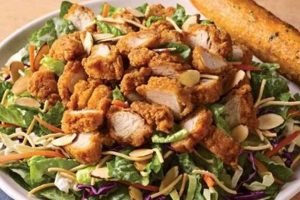
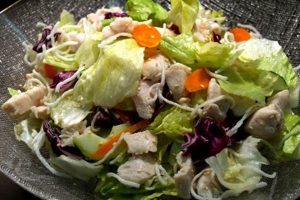
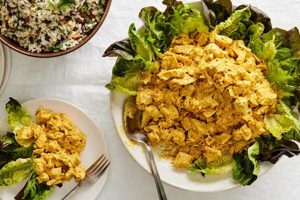
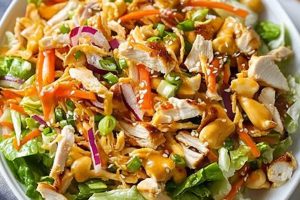
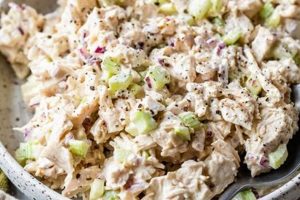
This dish typically combines cooked chicken, dried cranberries, pecans, and a mayonnaise-based dressing. Variations may include celery, red onion, grapes, or apples, offering a blend of sweet, savory, and crunchy textures. It can be served as a sandwich filling, on a bed of lettuce, or as a standalone appetizer.
The combination of ingredients offers a nutritional profile that includes protein from the chicken, antioxidants from the cranberries, and healthy fats from the pecans. The dish’s versatility allows it to be adapted for different dietary needs, with options for using low-fat mayonnaise, Greek yogurt, or alternative sweeteners. Its popularity stems from its refreshing flavor profile, making it a suitable choice for various occasions, from casual lunches to festive gatherings. This adaptable dish has become a staple in many cuisines, demonstrating its enduring appeal.
The following sections will explore various aspects of this culinary creation, including ingredient selection, preparation techniques, and serving suggestions. Additional information will cover nutritional values, variations, and tips for optimal flavor and presentation.
Tips for a Superior Chicken Salad
Elevating this classic dish involves attention to detail and thoughtful ingredient selection. The following tips offer guidance for achieving optimal flavor and texture.
Tip 1: Chicken Selection: Opting for high-quality, properly cooked chicken is paramount. Roasting or grilling a whole chicken or individual breasts offers superior flavor compared to pre-cooked or deli chicken. Allow the chicken to cool completely before shredding or dicing to prevent a mushy texture.
Tip 2: Cranberry Choice: Dried cranberries add a burst of sweetness and tartness. Select plump, moist cranberries without added sugar for the best results.
Tip 3: Pecan Preparation: Toasting pecans enhances their nutty flavor and provides a satisfying crunch. Spread pecans in a single layer on a baking sheet and toast in a preheated oven at 350F (175C) for 5-7 minutes, or until fragrant.
Tip 4: Mayonnaise Matters: The quality of mayonnaise significantly impacts the overall flavor. Consider using a full-fat mayonnaise for a richer, creamier texture. Greek yogurt can be substituted for a lighter, tangier alternative.
Tip 5: Freshness is Key: Incorporating fresh ingredients elevates the salad. Crisp celery and finely diced red onion add contrasting textures and flavors. Seedless grapes or diced apples offer a touch of sweetness and juiciness.
Tip 6: Seasoning Strategies: Proper seasoning balances the flavors. Salt and freshly ground black pepper are essential. A pinch of celery seed or onion powder can enhance the savory notes. A touch of Dijon mustard adds complexity.
Tip 7: Chilling Time: Allowing the salad to chill in the refrigerator for at least 30 minutes allows the flavors to meld and develop. This also firms the salad, making it easier to serve.
By following these tips, one can create a chicken salad that is both flavorful and visually appealing. Attention to these details ensures a satisfying culinary experience.
The following section provides a comprehensive recipe for crafting this delectable dish, incorporating the tips outlined above.
1. Ingredients
Ingredient selection significantly impacts the final quality, flavor profile, and nutritional value of cranberry pecan chicken salad. Each component contributes distinct characteristics, creating a synergistic blend when combined correctly. The interplay of these elements defines the overall culinary experience.
Chicken, the foundational ingredient, provides protein and contributes to the salad’s texture. Using roasted or grilled chicken, as opposed to pre-cooked or deli varieties, offers a more pronounced flavor and improved texture. Cranberries introduce a tart-sweet element, balancing the richness of the chicken and mayonnaise. The choice of dried cranberries, ideally without added sugar, ensures a balanced sweetness. Pecans offer a contrasting textural element and a rich, nutty flavor. Toasting the pecans intensifies their flavor profile and adds a satisfying crunch. Mayonnaise serves as the binding agent and adds a creamy texture. The quality of mayonnaise directly influences the overall flavor and richness of the salad. Fresh ingredients, such as celery and red onion, provide crispness and add depth of flavor. These elements complement the sweetness of the cranberries and the richness of the pecans. Seasoning, including salt, pepper, and potentially other spices like celery seed, enhances the overall flavor profile and balances the sweetness and tartness of other ingredients.
Careful consideration of each ingredient’s quality and preparation contributes to the overall success of the recipe. For example, using fresh, high-quality ingredients, properly cooked chicken, and toasted pecans elevates the final product. Conversely, using subpar ingredients or neglecting proper preparation techniques can result in a less satisfying outcome. Understanding the role and importance of each ingredient allows for informed choices and a more flavorful and enjoyable culinary experience.
2. Preparation
Preparation plays a crucial role in the final outcome of a cranberry pecan chicken salad recipe. Methodical preparation ensures optimal flavor development and textural balance. Several key stages contribute to the overall quality of the dish. These stages include ingredient preparation, combining ingredients, chilling, and presentation.
Ingredient preparation involves individual steps for each component. Chicken should be cooked thoroughly and cooled before shredding or dicing. Pecans benefit from toasting to enhance their flavor and add crunch. Fresh ingredients, such as celery and red onion, should be finely chopped for even distribution throughout the salad. Dried cranberries can be plumped by soaking in warm water for a few minutes before adding to the mixture. These individual preparations create a foundation for a well-balanced and flavorful salad. For example, neglecting to toast the pecans can result in a less pronounced nutty flavor and a softer texture, while using pre-cooked or deli chicken may compromise the overall flavor depth compared to using freshly roasted or grilled chicken.
Combining ingredients requires careful attention to proportions and proper mixing techniques. The mayonnaise-based dressing should be added gradually to prevent an overly wet salad. Gentle folding ensures the ingredients are evenly distributed without crushing delicate components like the cranberries. Chilling the salad allows the flavors to meld, resulting in a more cohesive taste profile. This also firms the salad, facilitating easier handling during service. Presentation, while often overlooked, contributes significantly to the overall dining experience. Serving the salad on a bed of crisp lettuce, garnished with fresh herbs, elevates the visual appeal and adds a touch of freshness. Therefore, careful preparation, from individual ingredient processing to the final plating, significantly impacts the enjoyment of this classic dish.
3. Flavor Balance

Flavor balance is paramount in a successful cranberry pecan chicken salad recipe. The dish relies on a harmonious interplay of sweet, savory, tart, and rich elements. The sweetness of dried cranberries, the savory notes of the chicken and pecans, the tartness of the cranberries, and the richness of the mayonnaise must complement each other without any single flavor dominating. An imbalance can result in a dish that is overly sweet, excessively tart, or bland. For example, using cranberries with added sugar can overpower the other flavors, while insufficient mayonnaise can lead to a dry, less flavorful salad. Conversely, too much mayonnaise can mask the other subtle nuances.
Achieving this balance involves careful ingredient selection and measured proportions. Opting for dried cranberries without added sugar allows for better control over sweetness. Toasting the pecans enhances their natural nutty flavor, adding depth to the savory profile. Using high-quality mayonnaise contributes richness and creaminess, binding the ingredients together without overpowering them. Fresh ingredients, such as celery and red onion, provide a crisp, clean counterpoint to the richer elements. Seasoning, including salt and pepper, plays a crucial role in enhancing and unifying the various flavors. A pinch of salt enhances the sweetness of the cranberries, while pepper adds a subtle layer of complexity. The overall goal is to create a symphony of flavors that work in concert, rather than competing for dominance.
Understanding the interplay of these flavors allows for adjustments based on personal preferences. Those who prefer a tangier salad may increase the amount of cranberries or add a splash of lemon juice. Those who prefer a sweeter profile might add a touch of honey or maple syrup. Mastering flavor balance elevates this simple dish from ordinary to extraordinary, creating a nuanced and satisfying culinary experience. It transforms a basic combination of ingredients into a complex and well-rounded dish. This understanding allows for greater control over the final product and ensures a consistently delicious outcome.
4. Texture
Texture plays a vital role in the overall enjoyment of cranberry pecan chicken salad. The dish offers a compelling interplay of contrasting textures, creating a multi-sensory experience. The tenderness of the chicken provides a foundation, while the crisp snap of celery and red onion offers a refreshing contrast. The chewiness of dried cranberries and the satisfying crunch of toasted pecans add further complexity. This combination of textures keeps the palate engaged and prevents the salad from feeling monotonous. A harmonious textural balance ensures each bite offers a variety of sensations, contributing to a more satisfying culinary experience. For instance, if the pecans are not toasted, their texture becomes soft, diminishing their textural contribution and impacting the overall enjoyment. Conversely, overly large chunks of chicken can disrupt the balance, making it difficult to achieve a cohesive blend of textures in each bite.
The desired textural profile can be achieved through careful ingredient preparation and selection. Dicing the chicken into uniform pieces ensures even distribution and a consistent texture throughout the salad. Finely chopping the celery and red onion creates a pleasant crispness without overwhelming the other ingredients. Selecting plump, moist cranberries adds a chewy element, contrasting with the crunch of the pecans. The creamy consistency of the mayonnaise binds the ingredients together while adding a smooth, velvety texture. Over-mixing, however, can result in a mushy texture, diminishing the individual contributions of each component. Therefore, attention to detail during preparation is crucial for achieving the desired textural complexity.
Understanding the importance of texture in this dish allows for informed choices that enhance the overall culinary experience. Consideration of ingredient size, preparation methods, and the balance of contrasting textures are essential for creating a well-rounded and satisfying cranberry pecan chicken salad. Achieving textural harmony elevates the dish beyond a simple combination of ingredients, transforming it into a dynamic and engaging culinary creation.
5. Presentation

Presentation elevates cranberry pecan chicken salad from a simple mixture to a visually appealing dish. Thoughtful presentation enhances the dining experience, stimulating appetite and adding an element of sophistication. While flavor and texture remain paramount, visual appeal significantly contributes to overall enjoyment. Presentation should complement the flavors and textures, creating a harmonious and engaging sensory experience.
- Serving Vessel
The choice of serving vessel significantly influences perception. A classic approach involves serving the salad on a bed of crisp lettuce leaves within a shallow bowl or platter. Alternatively, using hollowed-out bread bowls adds a rustic touch. For individual portions, small ramekins or elegant serving spoons offer a refined presentation. The serving vessel should complement the salad’s colors and textures, creating a visually balanced composition. For example, a white bowl enhances the vibrant colors of the cranberries and pecans, while a rustic wooden bowl complements a more casual setting. Consider the occasion and the desired aesthetic when selecting the serving vessel.
- Garnishing
Garnishes provide visual interest and can enhance flavor. Fresh herbs, such as sprigs of parsley or dill, add a touch of freshness and color. Toasted pecan halves or a sprinkle of dried cranberries offer textural and visual echoes of the salad’s ingredients. A light dusting of paprika adds a pop of color and a subtle smoky note. However, garnishes should be used sparingly to avoid overwhelming the salad’s primary elements. They should complement, not compete with, the existing flavors and textures.
- Accompaniments
Carefully chosen accompaniments enhance the overall dining experience. Crackers or crusty bread offer a textural contrast and a vehicle for enjoying the salad. Fresh fruit slices, such as grapes or apple wedges, provide a refreshing counterpoint to the richness of the salad. A small side salad of mixed greens adds a light and healthy element. Consider the overall flavor profile and occasion when selecting accompaniments.
- Plating Techniques
Plating techniques can transform a simple scoop of salad into an elegant presentation. Using an ice cream scoop creates uniform portions and adds a touch of whimsy. A slotted spoon allows for draining excess mayonnaise, resulting in a cleaner presentation. Arranging the salad on a bed of lettuce leaves adds height and visual interest. Attention to detail, even in seemingly simple aspects like portion size and placement, demonstrates care and elevates the perceived value of the dish.
Effective presentation enhances the appeal of cranberry pecan chicken salad, creating a more enjoyable dining experience. By considering the serving vessel, garnishes, accompaniments, and plating techniques, one can elevate this simple dish to a visually stunning and flavorful culinary creation. Thoughtful presentation demonstrates attention to detail and transforms a casual meal into a more memorable occasion. It adds value beyond the basic ingredients, creating a more complete and satisfying sensory experience.
Frequently Asked Questions
This section addresses common inquiries regarding preparation, storage, and variations of cranberry pecan chicken salad. Clarity on these points can enhance culinary success and address potential concerns.
Question 1: What type of chicken is best suited for this recipe?
While pre-cooked chicken can be used, roasting or grilling fresh chicken breasts or a whole chicken yields superior flavor and texture. The enhanced flavor profile contributes significantly to the overall quality of the salad.
Question 2: How can one prevent the salad from becoming overly moist?
Excess moisture can result from using an excessive amount of mayonnaise or not allowing sufficient draining time for ingredients like celery. Adding the mayonnaise gradually and allowing chopped ingredients to rest in a colander before incorporating them into the salad minimizes excess moisture. Thorough draining prevents a watery consistency.
Question 3: Can this salad be prepared in advance?
The salad can be prepared up to two days in advance. Storing it in an airtight container in the refrigerator allows the flavors to meld. However, adding fresh ingredients, such as grapes or apple slices, immediately before serving is recommended to maintain optimal texture and prevent them from becoming soggy.
Question 4: What are suitable alternatives to mayonnaise?
Greek yogurt or a combination of Greek yogurt and mayonnaise offer a lighter alternative while retaining creaminess. Avocado mayonnaise provides a richer, subtly flavored option. These alternatives cater to varying dietary preferences and offer nuanced flavor profiles.
Question 5: How can one adapt the recipe for specific dietary restrictions?
Gluten-free adaptations can be achieved by using gluten-free bread or crackers for serving. Dairy-free options include substituting the mayonnaise with a dairy-free alternative and ensuring any other added ingredients are dairy-free. Adjustments to ingredients accommodate dietary needs without compromising flavor.
Question 6: How long can the salad be stored?
Properly stored in an airtight container in the refrigerator, the salad can be kept for up to three days. Beyond this timeframe, quality and safety may be compromised. Adherence to appropriate storage practices maintains freshness and prevents spoilage.
These responses provide practical guidance for successful preparation and storage. Understanding these aspects contributes to a more enjoyable culinary experience.
The following section offers a collection of recipe variations, expanding culinary possibilities and providing inspiration for personalized creations.
Cranberry Pecan Chicken Salad Recipe
This exploration has provided a comprehensive overview of the elements contributing to a successful cranberry pecan chicken salad recipe. From ingredient selection and preparation techniques to flavor balance, texture, and presentation, each aspect plays a crucial role in the final outcome. Emphasis has been placed on the importance of using fresh, high-quality ingredients and employing proper techniques to achieve optimal flavor and texture. The interplay of sweet, savory, and crunchy elements creates a balanced and satisfying culinary experience. Furthermore, the adaptability of this recipe allows for customization based on individual preferences and dietary needs.
The enduring appeal of this dish lies in its versatility and the harmonious blend of flavors and textures. Continued exploration of variations and presentation styles offers opportunities for culinary creativity. Careful attention to detail, from ingredient selection to final presentation, elevates this classic recipe to a truly memorable dining experience. This understanding empowers culinary enthusiasts to create a dish that is both delicious and visually appealing, solidifying its place as a timeless classic.