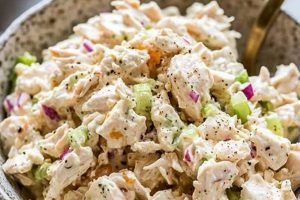
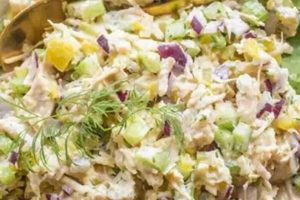
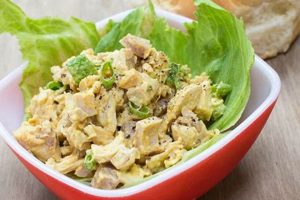
A superior canned chicken salad recipe aims to elevate the convenience of canned chicken into a flavorful and satisfying dish. Such a recipe typically involves combining canned chicken with mayonnaise, celery, onion, and seasonings, though variations can incorporate grapes, nuts, or other ingredients. An example might include using Greek yogurt for a healthier twist or adding curry powder for a unique flavor profile.
Developing a high-quality recipe using canned chicken offers several advantages. It provides a quick and easy meal option, particularly beneficial for busy individuals or those with limited cooking resources. Furthermore, a well-crafted recipe can transform a simple pantry staple into a surprisingly delicious and nutritious meal. Historically, canned chicken salad has served as a practical and affordable dish, gaining popularity alongside the rise of convenience foods in the 20th century. Its adaptability continues to make it a relevant and versatile option in modern kitchens.
This article will explore various aspects of creating outstanding canned chicken salad, including selecting the best ingredients, mastering essential techniques, and exploring innovative variations to suit diverse palates.
Tips for an Exceptional Canned Chicken Salad
Elevating canned chicken salad from ordinary to extraordinary involves attention to detail and a few key techniques. The following tips offer guidance on creating a dish that maximizes flavor and texture.
Tip 1: Drain and rinse the chicken thoroughly. This removes excess liquid and any lingering metallic taste from the canning process, resulting in a cleaner flavor profile.
Tip 2: Opt for high-quality mayonnaise. The mayonnaise serves as the foundation of the salad’s flavor, so selecting a premium brand or making homemade mayonnaise can significantly enhance the overall taste.
Tip 3: Add texture with finely diced celery and onion. These classic additions provide a satisfying crunch and contribute to the salad’s overall freshness.
Tip 4: Season thoughtfully. Salt, pepper, and a touch of paprika are standard seasonings, but consider experimenting with dill, chives, or curry powder for added depth.
Tip 5: Incorporate other ingredients strategically. Grapes, dried cranberries, chopped walnuts, or apples can introduce sweetness and textural complexity.
Tip 6: Don’t overmix. Overmixing can result in a mushy texture. Gently combine ingredients until just incorporated.
Tip 7: Chill before serving. Chilling allows the flavors to meld and enhances the salad’s refreshing qualities.
By following these tips, one can transform simple canned chicken into a truly delightful and satisfying culinary experience. Attention to these details ensures optimal flavor, texture, and overall enjoyment.
These tips provide a strong foundation for crafting exceptional canned chicken salad. The following section will explore variations and serving suggestions to further inspire culinary creativity.
1. High-Quality Ingredients

The pursuit of a superlative canned chicken salad hinges significantly on the selection of premium ingredients. Ingredient quality directly impacts the final dish’s flavor, texture, and overall appeal. Understanding the role of each component allows for informed decisions that elevate the recipe from satisfactory to exceptional.
- Canned Chicken Selection
Opting for high-quality canned chicken, preferably packed in water rather than oil, is paramount. Chunk white meat offers a cleaner flavor and better texture compared to shredded varieties. Examining sodium content is also advisable, as lower sodium options provide greater flexibility in seasoning the final salad. The chicken’s quality establishes the base upon which all other flavors build.
- Mayonnaise Matters
Mayonnaise serves as the binding agent and a significant flavor component. Choosing a premium brand made with real eggs and minimal additives contributes a richer, more authentic taste. Alternatively, homemade mayonnaise allows for complete control over ingredients and flavor profiles, offering a potential advantage for discerning palates. The mayonnaise selection profoundly influences the salad’s overall richness and creaminess.
- Fresh Produce Enhancement
The crispness and freshness of produce like celery and onion play a crucial role. Selecting crisp, firm celery stalks and pungent onions enhances the salad’s textural and flavor complexity. Proper storage and thorough washing are essential to maintaining the produce’s quality and maximizing its contribution to the final dish. Fresh, vibrant produce provides a counterpoint to the richness of the other ingredients.
- Seasoning Significance
Even seemingly minor ingredients like salt, pepper, and other seasonings can dramatically affect the outcome. Using fresh, high-quality spices ensures optimal flavor impact. Experimenting with different herbs and spices, such as dill, paprika, or curry powder, allows for personalized flavor profiles and adds depth to the salad. Thoughtful seasoning elevates the overall taste experience.
By prioritizing high-quality ingredients across the board, one ensures a final product that surpasses expectations. The interplay of these carefully selected components contributes to a canned chicken salad that is not merely convenient but truly delicious and satisfying. This attention to detail transforms a simple dish into a culinary highlight.
2. Balanced Flavor Profile

A balanced flavor profile is paramount in crafting a superlative canned chicken salad. It distinguishes a merely adequate salad from a truly exceptional one. This balance involves harmonizing contrasting tastessweet, sour, salty, savory, and sometimes spicyto create a complex and satisfying whole. Achieving this requires careful consideration of each ingredient’s contribution and how they interact within the overall composition.
- The Foundation: Savory Base
The inherent savory nature of chicken provides the foundational flavor. High-quality canned chicken, minimally processed and packed in water, offers a clean canvas upon which to build other flavors. Avoiding overly seasoned or flavored varieties allows for greater control over the final profile. This neutral base allows complementary ingredients to shine without being overpowered.
- Acidity: A Bright Counterpoint
Introducing acidity provides a crucial counterbalance to the richness of the mayonnaise and the savory chicken. A squeeze of lemon juice or a touch of apple cider vinegar brightens the flavor, preventing the salad from becoming heavy or cloying. This tartness also helps to cut through the fattiness of the mayonnaise, creating a more refreshing experience. Dill pickles, finely chopped, can also contribute desirable acidity and texture.
- Sweetness: A Subtle Complement
A touch of sweetness adds depth and complexity. Finely diced grapes, dried cranberries, or chopped apples offer subtle sweetness without overpowering the other flavors. The sweetness should complement, not dominate, the overall profile, enhancing the savory and acidic notes. The choice of sweet element also influences the final texture, with grapes adding juiciness and dried cranberries providing chewiness.
- Texture and Aromatics: Enhancing the Experience
Crunchy elements like finely diced celery and red onion contribute textural contrast and introduce aromatic complexity. The celery’s vegetal notes and the onion’s pungency add layers of flavor beyond the primary components. These elements also contribute to the overall sensory experience, providing a satisfying bite. Toasted nuts, such as pecans or walnuts, can also be incorporated to enhance textural and flavor dimensions.
A truly exceptional canned chicken salad hinges on the careful orchestration of these flavor components. The interplay of savory, acidic, sweet, and aromatic elements creates a harmonious and nuanced profile that elevates the dish beyond mere convenience. By understanding and manipulating these elements, one can transform simple ingredients into a culinary delight. The goal is a symphony of flavors, each playing its part to create a balanced and memorable experience.
3. Appropriate Texture
Texture plays a crucial role in a successful canned chicken salad recipe. A desirable texture offers a balance between creaminess from the mayonnaise, tender chicken pieces, and contrasting crispness from vegetables. A homogenous, mushy consistency detracts from the overall enjoyment. The interplay of textures enhances the sensory experience, making each bite more engaging. Consider the difference between a salad with finely diced celery and onion versus one where these elements are coarsely chopped or absent. The former offers a pleasant crunch, while the latter may feel monotonous or overly smooth.
Achieving the appropriate texture requires attention to several factors. Dicing ingredients uniformly ensures even distribution and prevents pockets of excessive mayonnaise or large, unwieldy pieces of chicken or vegetables. Overmixing can break down the ingredients, leading to a less desirable, paste-like consistency. Gentle folding ensures the components are combined without compromising their structural integrity. The size and shape of the chicken pieces also contribute to the final texture. Chunk chicken offers a more substantial bite than shredded chicken, which can become stringy and less appealing.
Understanding the impact of ingredient preparation and mixing techniques on the final texture is essential for creating a superior canned chicken salad. The goal is a balanced, multi-dimensional texture that complements the flavor profile. This attention to textural detail elevates the dish from simple to sophisticated, ensuring a more satisfying culinary experience. A well-executed texture enhances the perception of freshness and quality, contributing significantly to the overall impression of the “best” canned chicken salad.
4. Proper Chilling
Proper chilling is integral to achieving a “best can chicken salad recipe” designation. Chilling is not merely a storage step; it’s a crucial element that significantly impacts the final product’s flavor and texture. This process allows the diverse flavors to meld and harmonize, resulting in a more cohesive and nuanced taste experience. Furthermore, chilling firms the salad, improving its handling and presentation, particularly when served on sandwiches or crackers.
- Flavor Development
Chilling allows the individual flavors of the ingredientschicken, mayonnaise, celery, onion, seasoningsto blend and mature. Similar to marinating, the cool temperature slows down chemical reactions, allowing a more gradual and integrated flavor development. This results in a more complex and balanced flavor profile compared to a freshly made, unchilled salad. The flavors become less distinct and more harmonious, contributing to a richer overall taste.
- Texture Enhancement
Chilling firms the mayonnaise and other ingredients, improving the salad’s overall texture. This is particularly important for salads containing ingredients like grapes or apples, which can release excess moisture over time. Chilling helps maintain the desired consistency, preventing the salad from becoming watery or soggy. A firmer texture also makes the salad easier to handle and serve, whether scooped onto bread or presented as a standalone dish.
- Food Safety
Maintaining appropriate food safety standards is paramount, especially with perishable ingredients like mayonnaise and chicken. Proper chilling inhibits bacterial growth, minimizing the risk of foodborne illness. Adhering to recommended chilling times and temperatures ensures consumer safety and maintains the salad’s quality. This is particularly critical for large batches or salads prepared in advance for events or gatherings.
- Serving Temperature
Serving the chicken salad chilled enhances its refreshing qualities, making it particularly appealing in warmer weather. The cool temperature provides a pleasant contrast to the richness of the mayonnaise and the savory flavors of the other ingredients. This contributes to a more enjoyable sensory experience, enhancing the perception of freshness and quality.
In conclusion, proper chilling is not merely a final step but an essential component of achieving a truly exceptional canned chicken salad. Its impact on flavor development, texture enhancement, and food safety is undeniable. By understanding and implementing proper chilling techniques, one ensures that the final product not only tastes its best but also meets the highest standards of quality and safety, solidifying its status as a “best can chicken salad recipe.”
5. Creative Variations

The concept of “best” is inherently subjective, influenced by individual preferences and cultural contexts. Therefore, creative variations play a crucial role in achieving a “best can chicken salad recipe” by offering adaptability and personalization. A foundational recipe provides a solid base, but creative variations allow for customization, transforming a standard dish into a unique culinary expression. These variations can cater to dietary restrictions, explore diverse flavor profiles, or simply add an element of novelty to a familiar dish.
Consider incorporating dried cranberries and pecans for a sweet and savory profile. Alternatively, a curry powder infusion can transform the salad into an entirely different culinary experience. Substituting Greek yogurt for a portion of the mayonnaise offers a healthier, tangier twist while still maintaining a creamy texture. These examples demonstrate how seemingly minor adjustments can significantly alter the final product, allowing cooks to tailor the recipe to specific tastes or dietary needs. The ability to adapt a base recipe highlights the practical significance of creative variations. It allows the same core ingredients to serve diverse purposes and satisfy a wider range of palates.
In conclusion, creative variations are not merely optional additions; they are essential components in achieving a “best can chicken salad recipe.” They empower individuals to personalize the dish, catering to specific preferences and dietary requirements. This adaptability is key to the enduring popularity of canned chicken salad, ensuring its continued relevance in diverse culinary landscapes. The ability to experiment and adapt provides a pathway to discover novel flavor combinations and elevates the dish beyond a simple convenience food to a culinary canvas for individual expression.
Frequently Asked Questions
This section addresses common inquiries regarding the creation of superior canned chicken salad, offering practical guidance and clarifying potential points of confusion. Understanding these frequently asked questions can empower individuals to achieve optimal results and maximize their culinary experience.
Question 1: How can one mitigate the sometimes metallic taste associated with canned chicken?
Thoroughly draining and rinsing the chicken under cold water is crucial. This process removes excess liquid and residual metallic flavors from the canning process. Opting for high-quality canned chicken packed in water, rather than oil, can also minimize any unwanted aftertaste.
Question 2: What is the best type of mayonnaise to use?
While personal preference plays a role, using a high-quality mayonnaise made with real eggs and minimal additives generally yields superior results. Homemade mayonnaise provides complete control over ingredients and allows for customized flavor profiles. Experimentation is encouraged to determine the optimal mayonnaise for individual palates.
Question 3: How can one prevent the salad from becoming overly watery?
Ensuring all ingredients, especially the chicken and vegetables, are thoroughly drained is essential. Properly chilling the salad also helps to firm the ingredients and prevent excess moisture from accumulating. If watery consistency persists, incorporating a small amount of finely diced celery or a thickening agent like a teaspoon of plain Greek yogurt can help absorb excess liquid.
Question 4: How long can canned chicken salad be stored safely in the refrigerator?
Properly stored in an airtight container, canned chicken salad typically remains safe to consume for three to five days in the refrigerator. However, observing any changes in appearance, smell, or texture is crucial. When in doubt, err on the side of caution and discard the salad.
Question 5: Can frozen chicken be used in canned chicken salad?
While not ideal, frozen chicken can be used as a substitute for canned chicken. It is essential to ensure the chicken is fully thawed and thoroughly cooked before incorporating it into the salad. The texture of previously frozen chicken may differ slightly from canned chicken, potentially resulting in a less firm salad.
Question 6: How can one elevate canned chicken salad beyond the basic recipe?
Experimenting with various add-ins and seasonings is key to creating unique and flavorful variations. Consider incorporating ingredients like grapes, dried cranberries, nuts, apples, or herbs. Curry powder, Dijon mustard, or a touch of hot sauce can introduce exciting flavor dimensions. The possibilities are vast, limited only by culinary imagination.
By addressing these common questions, individuals can approach the creation of canned chicken salad with greater confidence and understanding, maximizing their chances of achieving a truly “best” outcome.
The following section offers a collection of diverse recipe variations to further inspire culinary exploration and customization.
Conclusion
This exploration of crafting a superior canned chicken salad recipe has highlighted the critical interplay of ingredient quality, balanced flavor profiles, appropriate texture, proper chilling techniques, and the potential for creative variations. Emphasis has been placed on understanding how each component contributes to the overall culinary experience, transforming a simple convenience food into a truly satisfying dish. From selecting premium canned chicken and mayonnaise to incorporating fresh, vibrant produce and carefully balancing seasonings, each step plays a vital role in achieving optimal results.
Ultimately, the pursuit of the “best” canned chicken salad recipe is a journey of culinary discovery. While established guidelines provide a solid foundation, personal preferences and creative exploration drive innovation and allow for endless possibilities. One is encouraged to experiment with diverse flavor combinations, textures, and presentation styles to unlock the full potential of this versatile dish. The “best” rendition is not a fixed endpoint but rather an evolving expression of individual taste and culinary creativity.