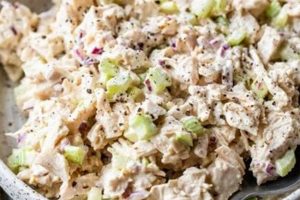
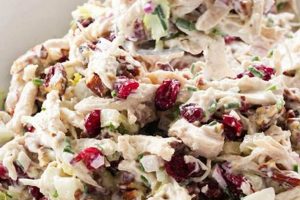
A flavorful dish combining cooked chicken with a blend of Mexican-inspired ingredients, often including ingredients like jalapeos, chipotle peppers, cumin, and lime. Variations can incorporate beans, corn, avocado, cilantro, and other vegetables. It can be served cold as a salad or used as a filling for tacos, burritos, or sandwiches.
This type of dish offers a balance of protein, fiber, and healthy fats. The customizable nature allows for adjustments to cater to various dietary needs and preferences, from low-carb to vegetarian adaptations. Its vibrant flavors and adaptable serving styles make it suitable for casual meals, picnics, and potlucks. Historically, the fusion of culinary traditions has led to such innovative dishes, reflecting the exchange of cultural influences and ingredients.
The following sections will explore various aspects of creating this dish, from selecting the right ingredients and spice levels to preparing the chicken and assembling the salad for optimal flavor and presentation. Different regional variations and serving suggestions will also be discussed.
Tips for a Delicious Mexican-Inspired Chicken Salad with a Kick
Achieving a balanced flavor profile and desirable texture requires careful consideration of several factors. These tips offer guidance for creating a successful dish.
Tip 1: Control Heat Levels: Adjust the amount of chili peppers or spices like chipotle powder or cayenne pepper to achieve the desired level of spiciness. Start with a smaller quantity and gradually increase to taste. Consider using milder peppers like poblanos or Anaheims along with a touch of jalapeo for a more balanced heat.
Tip 2: Marinate the Chicken: Marinating the chicken in a mixture of lime juice, spices, and oil before cooking infuses it with flavor and helps keep it moist. Even a short 30-minute marination can significantly enhance the taste.
Tip 3: Optimize Chicken Texture: Avoid overcooking the chicken, as this can result in a dry, stringy texture. Grilling, baking, or poaching are recommended cooking methods for retaining moisture. Shred or dice the chicken into bite-sized pieces for optimal salad integration.
Tip 4: Balance Flavors: Balance the heat of the chili peppers with the acidity of lime juice and the richness of avocado. A touch of sweetness from corn or a sprinkle of cilantro can add depth and complexity to the overall flavor profile.
Tip 5: Consider Textural Variety: Introduce textural contrast by incorporating crunchy elements such as chopped romaine lettuce, tortilla strips, or pepitas. Creamy elements like avocado or a dollop of Greek yogurt or sour cream can also enhance the mouthfeel.
Tip 6: Enhance with Fresh Herbs: Fresh cilantro, parsley, or oregano can brighten the flavors and add a refreshing aroma to the salad.
Tip 7: Customize the Serving: This versatile dish can be enjoyed in various ways. Serve it as a traditional salad, use it as a filling for tacos or burritos, or layer it on toasted bread for a flavorful sandwich.
By following these guidelines, one can create a flavorful and satisfying dish that caters to individual preferences. Attention to detail in ingredient selection, spice level, and cooking techniques elevates the dining experience.
The concluding section will offer variations and adaptations for specific dietary needs and preferences, further enriching the possibilities of this versatile dish.
1. Chicken Preparation

Chicken preparation plays a vital role in the final outcome of a spicy Mexican chicken salad. The cooking method and handling of the chicken directly influence the texture, flavor absorption, and overall enjoyment of the dish. Several techniques can be employed, each offering distinct advantages. Grilling imparts a smoky char and enhances the inherent flavors of the chicken, complementing the spices in the salad. Baking provides a simple and consistent method, ensuring even cooking. Poaching results in a tender and moist product, ideal for shredding and readily absorbing the flavors of the marinade or dressing. Alternatively, using pre-cooked rotisserie chicken offers convenience while still providing a flavorful foundation. Improperly cooked chicken, whether overcooked resulting in dryness or undercooked posing health risks, can negatively impact the overall quality of the salad. For instance, dry, overcooked chicken will not absorb the flavors of the dressing as effectively, leading to a less satisfying experience. Conversely, succulent, properly cooked chicken provides a pleasing texture and readily absorbs the vibrant flavors of the Mexican spices and other ingredients.
Selecting the appropriate preparation method depends on the desired outcome and available resources. Grilling adds a layer of complexity but requires specific equipment and attention. Baking offers simplicity but may not provide the same depth of flavor. Poaching preserves moisture but requires careful temperature control. Utilizing rotisserie chicken sacrifices some control over seasoning but provides a convenient shortcut. Considering the overall flavor profile and desired texture helps determine the most suitable technique. A salad emphasizing smoky flavors may benefit from grilled chicken, while a salad focusing on the bright, fresh ingredients might benefit from poached or rotisserie chicken.
Proper chicken preparation is essential for a successful spicy Mexican chicken salad. Choosing the right cooking method and ensuring proper handling of the chicken significantly contribute to the dish’s overall quality. The chosen method impacts not only the flavor and texture of the chicken itself but also how well it integrates with the other ingredients and absorbs the dressing, ultimately influencing the overall dining experience. Careful consideration of these factors leads to a more flavorful, satisfying, and enjoyable culinary outcome.
2. Spice Blend
The spice blend forms the foundation of a spicy Mexican chicken salad, directly influencing its flavor profile and overall character. A carefully selected and balanced combination of spices distinguishes this dish from other chicken salads. The blend typically incorporates chili powder for foundational heat, cumin for earthy warmth, smoked paprika for depth, and oregano for a touch of herbal complexity. Additional spices like cayenne pepper, chipotle powder, or ancho powder can be incorporated to adjust the heat level and introduce nuanced smoky or earthy notes. The interplay of these spices creates a complex flavor profile that complements the other ingredients. For instance, the warmth of cumin enhances the savory notes of the chicken, while the smokiness of paprika adds depth to the overall flavor experience. The specific blend and proportions of spices can be adjusted to cater to individual preferences, ranging from mildly spiced to intensely fiery.
The quality and freshness of the spices significantly impact the final result. Freshly ground spices offer a more vibrant and pronounced flavor compared to pre-ground options, which can lose their potency over time. The proper storage of spices in airtight containers in a cool, dark place helps preserve their freshness and flavor. The method of incorporating the spices also plays a role. Blooming the spices in oil before adding other ingredients releases their aromatic compounds and enhances their impact on the overall flavor profile. Furthermore, the spice blend can be used to marinate the chicken, allowing it to absorb the flavors more deeply. Consider a blend incorporating cumin, chili powder, smoked paprika, oregano, garlic powder, and onion powder as a foundational base. Adding a pinch of cayenne pepper or chipotle powder elevates the heat, while a touch of coriander can add a citrusy note. Experimentation with different spice combinations allows for customization and discovery of unique flavor profiles.
Careful consideration of the spice blend is crucial for achieving the desired flavor profile in a spicy Mexican chicken salad. The quality, freshness, and proper incorporation of spices significantly impact the dish’s overall taste. Selecting a well-balanced blend and adjusting the proportions to suit individual preferences ensures a satisfying and flavorful culinary experience. Mastery of the spice blend elevates the dish beyond a simple chicken salad, transforming it into a flavorful exploration of Mexican-inspired cuisine.
3. Fresh Ingredients

Fresh ingredients are essential for a vibrant and flavorful spicy Mexican chicken salad. Their quality and proper handling significantly influence the overall taste, texture, and aroma of the dish, elevating it beyond a simple combination of ingredients to a culinary experience. Utilizing fresh produce not only enhances the flavor profile but also contributes to the nutritional value and overall appeal.
- Produce Selection
Selecting ripe and unblemished produce is crucial. Tomatoes provide juiciness and acidity, balancing the richness of the chicken and the heat of the spices. Avocados contribute creaminess and healthy fats, while onions and cilantro offer sharpness and freshness. Examples include ripe Roma tomatoes for their firm texture and balanced sweetness, Hass avocados for their creamy texture and rich flavor, and red onion for its pungent bite. Compromising on the quality of produce can result in a bland or less flavorful salad.
- Herb Integration
Fresh herbs play a critical role in enhancing the flavor profile. Cilantro, a staple in Mexican cuisine, provides a bright, citrusy aroma and flavor that complements the spices. Other herbs, such as oregano or parsley, can also be incorporated to add depth and complexity. Using dried herbs as a substitute can result in a less vibrant and nuanced flavor profile. Freshly chopped cilantro adds a refreshing element that balances the richness of the chicken and the heat of the spices.
- Citrus Enhancement
Freshly squeezed lime juice provides essential acidity, balancing the richness of the chicken and the heat of the spices. It also helps to brighten the flavors of the other ingredients and adds a refreshing tang. Using bottled lime juice often results in a less vibrant and authentic flavor. The zest of the lime can also be added to further enhance the citrus notes. The acidity of the lime juice also helps to “cook” the chicken in a ceviche-like manner if it is added while the chicken is still warm.
- Proper Handling and Storage
Proper handling and storage of fresh ingredients are crucial for maintaining their quality and preventing spoilage. Washing produce thoroughly and storing it correctly helps preserve its freshness and prevent bacterial growth. Refrigerating cut produce in airtight containers helps maintain its crispness and prevents oxidation. For example, storing chopped avocados with the pit or adding a layer of lime juice helps prevent browning. Improper storage can lead to wilted or spoiled ingredients, negatively impacting the overall flavor and quality of the salad.
The careful selection, preparation, and incorporation of fresh ingredients contribute significantly to a spicy Mexican chicken salad’s vibrant flavor profile, appealing texture, and overall culinary appeal. The interplay of fresh produce, herbs, and citrus elements elevates the dish, transforming it into a refreshing and flavorful experience that showcases the essence of Mexican-inspired cuisine. Neglecting the quality or proper handling of these ingredients can compromise the final product, resulting in a less satisfying outcome. Attention to these details ensures a truly exceptional and authentic culinary experience.
4. Texture Variations

Texture variations play a crucial role in the overall enjoyment of a spicy Mexican chicken salad. A balance of textures creates a more engaging and satisfying culinary experience. The interplay of contrasting textures elevates the dish beyond a simple combination of ingredients, adding depth and complexity to each bite.
- Crunchy Elements
Crunchy elements provide a satisfying contrast to the softer textures of the chicken and other ingredients. Examples include tortilla strips, crushed tortilla chips, chopped romaine lettuce, pepitas (pumpkin seeds), or toasted nuts. These additions create a textural counterpoint that enhances the overall eating experience. Toasted pepitas, for instance, offer a nutty flavor and a satisfying crunch, complementing the spiciness of the salad. The absence of crunchy elements can result in a one-dimensional textural experience.
- Creamy Components
Creamy components contribute richness and a smooth mouthfeel, balancing the heat and other flavors. Examples include avocado, sour cream, Greek yogurt, or a creamy dressing. Avocado, with its healthy fats and smooth texture, provides a cooling contrast to the spiciness of the salad. Incorporating a dollop of Greek yogurt adds a tangy creaminess that complements the other flavors. The absence of creamy elements can lead to a less balanced and potentially drier salad.
- Chicken Texture
The texture of the chicken itself is another critical factor. Shredded chicken provides a softer texture that readily absorbs the flavors of the dressing, while diced chicken offers a slightly more substantial bite. The choice between shredded or diced chicken depends on personal preference and the overall composition of the salad. Overcooked chicken, regardless of whether it’s shredded or diced, can result in a dry and less enjoyable texture.
- Ingredient Size and Shape
The size and shape of the other ingredients also contribute to textural variation. Dicing ingredients like tomatoes and onions into smaller pieces creates a more uniform texture, while leaving them in larger chunks offers a more varied bite. The interplay of different sizes and shapes contributes to a more dynamic and interesting mouthfeel. For instance, larger chunks of avocado provide a contrasting creaminess, while finely diced onions offer a more subtle textural element.
The careful consideration of texture variations is essential for crafting a well-balanced and enjoyable spicy Mexican chicken salad. The interplay of crunchy, creamy, and varied textures elevates the dish, creating a more dynamic and satisfying culinary experience. A harmonious balance of textures enhances the flavor profile and overall enjoyment of this vibrant and flavorful dish. The strategic inclusion of contrasting textures ensures a memorable and satisfying meal.
5. Serving Options

Serving options significantly influence the versatility and enjoyment of a spicy Mexican chicken salad recipe. The adaptability of this dish allows for a range of presentations, each offering a distinct dining experience. The chosen serving method impacts not only the presentation but also how the flavors and textures interact, ultimately affecting the overall culinary experience.
Traditional presentation involves serving the salad chilled on a bed of lettuce, often romaine or iceberg. This approach emphasizes the fresh ingredients and provides a refreshing contrast to the spiciness of the chicken. Alternatively, the salad can be served in a more substantial format, such as within a scooped-out avocado half, enhancing the creamy element and providing a visually appealing presentation. For a lighter option, the salad can be served over mixed greens with a vinaigrette, emphasizing the fresh and vibrant components. Using the salad as a filling for tacos, burritos, or tostadas provides a more portable and convenient meal option. The spiciness of the chicken complements the other fillings and adds a flavorful dimension to these handheld options. Similarly, utilizing the salad as a sandwich filling offers a satisfying and flavorful lunch or light dinner choice. The creamy texture of the salad contrasts nicely with the crispness of the bread, creating a balanced and enjoyable eating experience.
Selecting appropriate serving options enhances the adaptability and enjoyment of spicy Mexican chicken salad. Consideration of the occasion, desired level of formality, and individual preferences guides these choices. A casual gathering might call for a simple lettuce-based presentation, while a more formal setting might benefit from a more elaborate presentation, such as within avocado halves. Understanding the interplay between serving options and the overall culinary experience elevates the dish beyond a simple recipe, transforming it into a customizable and adaptable culinary creation. Whether served as a light salad, a hearty sandwich filling, or a convenient taco component, the versatility of this dish allows for a tailored culinary experience that caters to a variety of tastes and occasions.
6. Flavor Balance

Flavor balance is paramount in a successful spicy Mexican chicken salad recipe. It distinguishes a genuinely enjoyable dish from one that is simply spicy or bland. This balance involves the careful interplay of different taste profiles spicy, acidic, savory, and creamy working in harmony to create a complex and satisfying culinary experience. A well-balanced flavor profile ensures that no single element overwhelms the others, resulting in a harmonious and nuanced taste.
- Heat Management
Managing the heat level is crucial. The spiciness should be present but not overpowering, allowing the other flavors to shine through. The type and quantity of chili peppers used, whether jalapeos, chipotles, or habaneros, directly influence the heat level. Balancing the heat with other elements is essential. For instance, excessive heat can be tempered by the richness of avocado or the tanginess of lime juice. A dish relying solely on heat lacks complexity and can be unpleasant.
- Acidity’s Role
Acidity plays a vital role in cutting through the richness of the chicken and other ingredients. Lime juice is a common source of acidity in Mexican cuisine, providing a bright, citrusy note that balances the heat and other flavors. Other acidic elements, such as vinegar or tomatoes, can also contribute to this balance. Without sufficient acidity, the salad can feel heavy and unbalanced. The acidity also helps to preserve the freshness of the ingredients.
- Savory Depth
Savory depth comes from the chicken itself, as well as other ingredients like beans, corn, or spices such as cumin and coriander. These elements provide a grounding base for the other flavors, preventing the salad from tasting too sweet or acidic. The savory notes enhance the complexity of the dish, adding depth and richness. A lack of savory elements can result in a dish that feels incomplete or lacking substance.
- Creamy Texture and Flavor
Creamy elements contribute not only to texture but also to flavor. Avocado, sour cream, or Greek yogurt add a richness and smoothness that complements the other flavors and helps to balance the heat. The creamy texture also provides a satisfying mouthfeel. Overuse of creamy elements, however, can mask the other flavors and make the salad feel heavy. A balanced approach ensures that the creaminess enhances rather than overpowers the dish.
Achieving flavor balance in a spicy Mexican chicken salad involves the careful orchestration of these key elements. The interplay of heat, acidity, savory notes, and creamy textures creates a symphony of flavors that elevates the dish beyond a simple combination of ingredients. Each element plays a specific role, contributing to a harmonious and satisfying culinary experience. A well-balanced salad offers a complex and nuanced taste, showcasing the vibrant flavors of Mexican cuisine while ensuring that no single element dominates the overall profile. It is this careful attention to flavor balance that transforms a simple chicken salad into a truly memorable and enjoyable dish.
Frequently Asked Questions
This section addresses common inquiries regarding the preparation and enjoyment of spicy Mexican chicken salad.
Question 1: How can spice levels be adjusted?
Spice levels can be adjusted by varying the amount of chili peppers or chili powder used in the recipe. Start with a smaller amount and gradually increase to taste. Substituting milder peppers, such as poblanos, for hotter varieties like jalapeos offers another method of heat control.
Question 2: What are suitable alternatives to chicken?
For those seeking alternatives to chicken, shredded or diced turkey breast or cooked chickpeas offer comparable textures and readily absorb flavors. Tofu, while requiring careful seasoning, can also function as a plant-based alternative. These substitutions cater to dietary preferences and restrictions without compromising the overall culinary experience.
Question 3: What are storage recommendations for this salad?
Proper storage maintains freshness and flavor. Store the salad in an airtight container in the refrigerator for up to three days. Avoid storing the salad with avocado incorporated, as this can lead to browning. If using avocado, add it just before serving.
Question 4: Can this dish be prepared in advance?
Many components can be prepared in advance. Chicken can be cooked and spices blended a day ahead. Chopping vegetables and preparing other ingredients beforehand streamlines the final assembly process. Combine all ingredients just before serving to maintain optimal freshness and prevent premature softening of crunchy elements.
Question 5: How can one prevent a soggy salad?
Preventing a soggy salad requires managing moisture content. Ensure the chicken is thoroughly dried after cooking. Add dressings or creamy components just before serving. If adding high-moisture ingredients like tomatoes, consider draining them beforehand to remove excess liquid. Incorporating crunchy elements provides textural contrast and absorbs some moisture.
Question 6: What are complementary side dishes?
This salad pairs well with various side dishes. Traditional accompaniments include rice, black beans, and grilled corn. A lighter option involves serving the salad with a simple green salad dressed with a light vinaigrette. Chips and salsa or guacamole offer a more casual complement.
Understanding these key considerations allows for successful preparation and enjoyment of a flavorful and satisfying dish. Adjusting recipes to individual needs and preferences further enhances the culinary experience.
The following section offers variations and adaptations, catering to specific dietary needs and preferences, thereby enriching the possibilities of this versatile dish.
Spicy Mexican Chicken Salad Recipe
Exploration of this vibrant dish reveals the interplay of various culinary elements. Careful consideration of chicken preparation, spice blend composition, fresh ingredient selection, textural variations, serving options, and flavor balance contributes to a successful outcome. Each component plays a crucial role in the final product, influencing the overall taste, texture, and presentation. From the careful selection of spices to the proper handling of fresh ingredients, attention to detail elevates this dish beyond a simple salad, transforming it into a flavorful representation of Mexican-inspired cuisine. The versatility of this recipe allows for adaptation to individual preferences and dietary needs, further broadening its culinary appeal.
Mastery of this dish lies not only in following a prescribed recipe but also in understanding the underlying principles that govern flavor and texture. Experimentation with different spice combinations, ingredient variations, and serving styles allows for personalized interpretations, fostering culinary creativity and a deeper appreciation for the art of balanced flavors. This exploration encourages a shift from simply consuming a recipe to actively engaging with its components, fostering a more profound connection with the culinary experience. Further exploration of regional variations and culinary traditions promises to enrich and expand the possibilities of this versatile and flavorful dish.