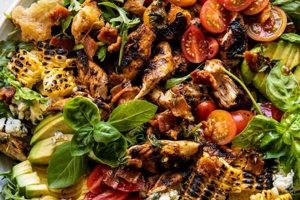
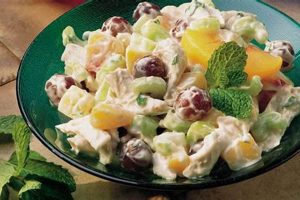
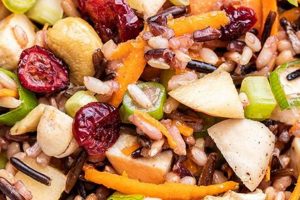
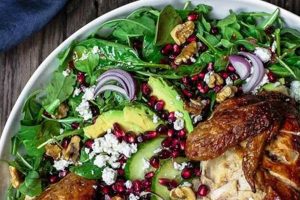
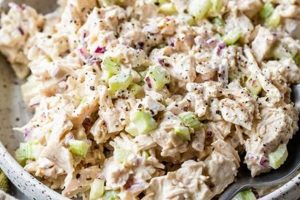
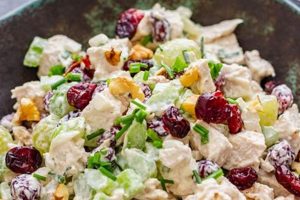
This dish combines cooked pasta with a mixture typically consisting of shredded or diced chicken, mayonnaise, and various other ingredients. Celery, onion, grapes, nuts, and seasonings are common additions, creating a cold, creamy, and flavorful meal. Variations can include different pasta shapes, dressings, and additions like dried cranberries or apples.
A pasta-based chicken salad offers a versatile and convenient meal option. Its adaptable nature allows for customization to individual preferences and dietary needs. The dish can be served as a light lunch, a side dish at a picnic or potluck, or a component of a larger buffet. Historically, chicken salad emerged as a popular dish in the mid-19th century, evolving alongside refrigeration technology which enabled safe storage of mayonnaise-based dishes. This evolution led to diverse interpretations, including the incorporation of pasta.
Further exploration of this culinary concept will encompass discussions on ingredient selection, preparation techniques, variations, and serving suggestions. Nutritional information and tips for optimizing flavor and texture will also be provided.
Tips for a Perfect Pasta Chicken Salad
Achieving a well-balanced and flavorful pasta chicken salad requires attention to detail throughout the preparation process. These tips offer guidance for optimal results.
Tip 1: Pasta Selection: Opt for short, sturdy pasta shapes like rotini, farfalle, or penne. These hold their shape well and capture the dressing effectively. Avoid long, thin noodles that can become tangled and difficult to manage.
Tip 2: Chicken Preparation: Utilize cooked chicken, either roasted, poached, or grilled. Ensure the chicken is cooled completely before combining with other ingredients to prevent the mayonnaise from separating. Dicing or shredding the chicken into bite-sized pieces provides a pleasant texture.
Tip 3: Mayonnaise Matters: High-quality mayonnaise forms the foundation of the dressing. Consider using full-fat mayonnaise for a richer flavor, or opt for lighter versions to reduce overall fat content. Greek yogurt can also be incorporated to add tang and creaminess.
Tip 4: Flavorful Enhancements: Incorporate fresh herbs like dill, parsley, or chives for a vibrant flavor boost. Adding finely diced celery and red onion provides a satisfying crunch. Consider incorporating dried cranberries, grapes, or chopped apples for sweetness and textural contrast.
Tip 5: Seasoning Strategically: Season the salad with salt, pepper, and other spices like paprika or garlic powder to enhance the overall flavor profile. Taste and adjust seasonings as needed. A touch of lemon juice or vinegar can brighten the flavors.
Tip 6: Chilling Time: Allow the salad to chill in the refrigerator for at least 30 minutes before serving. This allows the flavors to meld and the pasta to absorb the dressing, resulting in a more cohesive and flavorful dish.
Tip 7: Serving Suggestions: Serve the pasta chicken salad on its own, in lettuce cups, on bread or croissants for sandwiches, or as a filling for wraps. Garnish with fresh herbs or a sprinkle of chopped nuts for added visual appeal.
By following these tips, one can create a pasta chicken salad that is both delicious and visually appealing. The combination of well-chosen ingredients and careful preparation techniques ensures a satisfying culinary experience.
This foundation of knowledge allows for a confident approach to recipe experimentation and customization. The following section will present a selection of recipe variations.
1. Chilled Cooked Chicken

Chilled cooked chicken forms the foundational protein component of chicken salad with pasta recipes. Its preparation and temperature significantly influence the dish’s overall quality, impacting both flavor and food safety. Understanding the nuances of using chilled cooked chicken is essential for achieving optimal results.
- Food Safety:
Using chilled chicken mitigates bacterial growth, a critical concern with mayonnaise-based salads. Cooling the chicken thoroughly before incorporating it into the salad prevents the mayonnaise from separating due to heat, maintaining the desired texture and preventing potential spoilage.
- Texture Optimization:
Chilled chicken offers a firmer texture, contributing to a more pleasant mouthfeel in the final dish. Warm chicken tends to become mushy when mixed with other ingredients, resulting in a less appealing consistency.
- Flavor Enhancement:
Chilling allows the chicken’s flavors to meld and deepen. This enhanced flavor profile contributes to a more complex and satisfying overall taste in the pasta salad.
- Preparation Versatility:
Various cooking methods, including roasting, poaching, grilling, or using pre-cooked rotisserie chicken, offer flexibility in flavor profiles and convenience. Regardless of the method, ensuring the chicken is properly chilled remains paramount.
The use of chilled cooked chicken demonstrates a crucial understanding of food safety and culinary technique. This practice directly contributes to the successful creation of a palatable and safe chicken salad with pasta. The controlled temperature preserves the integrity of the mayonnaise, enhances the chicken’s texture, and allows its flavors to fully develop, ultimately resulting in a superior culinary experience.
2. Cooked Pasta (Short Shapes)

Cooked pasta provides the foundational carbohydrate element in a chicken salad with pasta recipe. The choice of pasta shape significantly influences the dish’s overall success. Short pasta shapes offer distinct advantages in this context, contributing to both the texture and practicality of the salad.
- Sauce Adherence:
Short, textured pasta shapes, such as rotini, farfalle, or penne, offer a larger surface area for capturing and holding the mayonnaise-based dressing. This ensures even distribution of flavor throughout the salad, preventing pooling of the dressing at the bottom of the bowl.
- Ease of Handling:
Short pasta shapes are easier to manage and serve compared to long, thin noodles, which can become tangled and unwieldy in a salad setting. This practicality contributes to a more pleasant dining experience.
- Textural Contrast:
The firm texture of cooked pasta provides a satisfying contrast to the softer textures of the chicken and other ingredients. This textural diversity enhances the overall eating experience, creating a more dynamic and enjoyable mouthfeel.
- Visual Appeal:
Distinct pasta shapes add visual interest to the salad. The variety of shapes, coupled with the colors of other ingredients, creates a more appealing and appetizing presentation.
The careful selection of short, cooked pasta shapes elevates the chicken salad with pasta recipe beyond a simple mixture of ingredients. The chosen pasta contributes significantly to the dishs textural complexity, ease of serving, and overall enjoyment. The interplay between the pasta and other components creates a cohesive and satisfying culinary experience.
3. Mayonnaise-based dressing

Mayonnaise-based dressing serves as a critical binding agent and flavor enhancer in chicken salad with pasta recipes. Its creamy texture coats the pasta and other ingredients, creating a cohesive mixture while contributing a rich, tangy flavor profile. The emulsification properties of mayonnaise allow it to hold the disparate ingredients together, preventing a watery or separated salad. This characteristic is crucial for both the textural integrity and visual appeal of the dish. For example, a classic chicken salad often incorporates mayonnaise as the primary dressing component, providing the characteristic creamy texture and tangy flavor that complements the chicken and other ingredients. Without a proper mayonnaise-based dressing, the salad becomes dry and lacks the cohesive binding necessary for a satisfying culinary experience.
The versatility of mayonnaise allows for customization of the dressing to suit individual preferences and dietary needs. Adding ingredients like Dijon mustard, lemon juice, or herbs can introduce complexity and depth to the flavor profile. Reduced-fat or vegan mayonnaise options can accommodate dietary restrictions while still providing the necessary emulsification and binding properties. Consider the addition of Greek yogurt to the mayonnaise base; this not only adds a tangy element but also increases the protein content and reduces the overall fat content compared to using mayonnaise alone. These variations demonstrate the adaptability of mayonnaise-based dressings in achieving diverse flavor profiles and accommodating specific dietary requirements.
Understanding the function and impact of mayonnaise-based dressings is essential for creating a successful chicken salad with pasta recipe. The dressing not only binds the ingredients together but also significantly contributes to the overall flavor profile and textural experience. From classic recipes to innovative variations, mayonnaise remains a fundamental element, influencing the final product’s success. Challenges may arise when balancing flavor, texture, and dietary considerations. However, careful selection and modification of the mayonnaise base ultimately determine the overall quality and enjoyment of the dish.
4. Fresh Vegetables (Celery, Onion)
Fresh vegetables, particularly celery and onion, contribute significantly to the flavor and textural complexity of chicken salad with pasta recipes. These ingredients introduce a crisp, refreshing counterpoint to the richness of the mayonnaise and the protein density of the chicken. Their inclusion elevates the dish beyond a simple combination of ingredients, creating a more dynamic and satisfying culinary experience. This exploration will examine the multifaceted contributions of these fresh vegetables.
- Flavor Enhancement:
Celery offers a subtly herbaceous, slightly bitter flavor that balances the richness of the mayonnaise and chicken. Onion, depending on the variety, can provide a sharp, pungent bite or a milder sweetness, adding depth and complexity to the overall flavor profile. The combination of these flavors creates a more nuanced and balanced taste experience.
- Textural Contrast:
The crisp, crunchy texture of celery and onion provides a welcome contrast to the softer textures of the chicken, pasta, and mayonnaise. This textural variation elevates the dish’s sensory appeal, making each bite more engaging and enjoyable.
- Nutritional Value:
Celery and onion contribute essential vitamins and minerals, enhancing the nutritional value of the dish. Celery is a good source of vitamin K and potassium, while onions offer vitamin C and antioxidants. These nutritional benefits complement the protein and carbohydrates from the chicken and pasta, creating a more balanced and wholesome meal.
- Aromatic Complexity:
The aromatic compounds present in celery and onion further enhance the sensory experience of the dish. These volatile compounds contribute to the overall aroma and flavor profile, creating a more appealing and appetizing sensory experience. For example, the sulfur compounds in onions contribute to their pungent aroma and characteristic flavor, adding a distinct dimension to the salad.
The inclusion of fresh vegetables like celery and onion demonstrates an understanding of flavor balance, textural interplay, and nutritional value within the context of a chicken salad with pasta recipe. These seemingly simple ingredients play a crucial role in elevating the dish from a basic combination of components to a more complex and satisfying culinary creation. Their contributions extend beyond mere flavor and texture, impacting the overall nutritional profile and aromatic complexity. The careful consideration of these elements ultimately distinguishes a well-composed chicken salad with pasta from a less inspired rendition.
5. Flavorful additions (grapes, nuts)
Flavorful additions, such as grapes and nuts, play a crucial role in elevating chicken salad with pasta recipes beyond basic culinary compositions. These ingredients introduce layers of complexity, impacting texture, flavor, and overall sensory appeal. Their strategic incorporation enhances the dish’s balance and provides a more satisfying culinary experience.
- Textural Contrast:
Grapes, with their smooth, juicy texture, offer a refreshing contrast to the crunch of nuts and the other ingredients. This interplay of textures creates a more dynamic and enjoyable mouthfeel. The snap of a grape against the crunch of an almond, for instance, adds a multi-dimensional textural element.
- Flavor Complexity:
The sweetness of grapes complements the savory notes of the chicken and mayonnaise, while nuts contribute earthy, buttery, or slightly bitter flavors depending on the variety. This interplay of sweet and savory notes creates a more balanced and nuanced flavor profile. For example, the sweetness of red grapes can offset the sharpness of red onion, while toasted walnuts add a depth of flavor that complements the chicken.
- Nutritional Enhancement:
Both grapes and nuts offer nutritional benefits. Grapes provide antioxidants and vitamins, while nuts contribute healthy fats, protein, and fiber. These additions enhance the overall nutritional value of the dish. Walnuts, for example, are a good source of omega-3 fatty acids, while grapes contain resveratrol, a beneficial antioxidant.
- Visual Appeal:
The vibrant colors of grapes, whether green, red, or black, add visual interest to the salad. The varied shapes and colors of nuts, from slivered almonds to chopped pecans, further enhance the presentation. This visual appeal contributes to a more appetizing and enjoyable dining experience.
The considered inclusion of flavorful additions like grapes and nuts demonstrates a sophisticated understanding of culinary balance. These elements contribute not only to the taste and texture of the chicken salad with pasta but also to its nutritional value and visual presentation. The interplay of these components elevates the dish from a simple combination of ingredients to a more complex and satisfying culinary experience. The absence of these additions would result in a less nuanced and potentially less satisfying dish, highlighting their importance in achieving a well-rounded and enjoyable chicken salad with pasta recipe.
6. Seasoning (salt, pepper)
Seasoning, primarily with salt and pepper, plays a critical role in the overall success of a chicken salad with pasta recipe. These seemingly simple ingredients profoundly impact the final dish, influencing flavor perception and enhancing the other components’ contributions. Salt enhances the inherent flavors of the chicken, vegetables, and dressing, while pepper adds a subtle layer of complexity and depth. The interplay between these seasonings creates a balanced flavor profile that elevates the dish beyond a bland mixture of ingredients. For example, salt amplifies the sweetness of grapes and the savory notes of the chicken, while pepper adds a subtle warmth that complements the creamy mayonnaise-based dressing. Without proper seasoning, the individual flavors become muted, and the overall experience lacks vibrancy.
The specific type of salt and pepper used can further influence the final outcome. Kosher salt, with its larger crystals, offers more controlled salting, preventing over-seasoning. Freshly ground black pepper provides a more robust and aromatic flavor compared to pre-ground pepper. The quantity of seasoning should be adjusted according to individual preferences and the other ingredients’ inherent saltiness. Over-salting can overwhelm the other flavors, while under-seasoning results in a bland and unappetizing dish. Consider using a small amount of sea salt to enhance the brininess of the chicken and a touch of white pepper for a cleaner, less assertive peppery flavor. These nuanced choices demonstrate the significant impact seasoning choices can have on the final product.
Proper seasoning with salt and pepper is fundamental to achieving a well-balanced and flavorful chicken salad with pasta. These seasonings act not merely as flavor enhancers but as integral components that unlock the full potential of the other ingredients. Understanding the role and impact of salt and pepper allows for precise control over the final flavor profile, ensuring a satisfying and enjoyable culinary experience. The challenges lie in achieving the correct balance and selecting appropriate types of salt and pepper for the desired outcome. However, attention to this detail elevates the dish from a simple mixture to a carefully crafted culinary creation.
7. Chilling Time
Chilling time represents a crucial step in optimizing chicken salad with pasta recipes, significantly impacting flavor development, food safety, and overall textural integrity. This period of refrigeration allows the diverse flavors of the individual ingredients to meld and harmonize, creating a more cohesive and complex flavor profile. The chilled environment also inhibits bacterial growth, a critical consideration for mayonnaise-based salads. Furthermore, chilling firms the pasta and other components, enhancing the textural contrast and preventing a mushy consistency.
The practical significance of chilling time becomes evident when comparing a freshly made salad to one that has been refrigerated for an appropriate duration. A freshly made salad, while palatable, often presents disjointed flavors where individual components, such as the chicken, celery, or grapes, remain distinct rather than contributing to a unified taste experience. After chilling, these flavors blend harmoniously, creating a more balanced and nuanced flavor profile. For instance, the sweetness of the grapes subtly permeates the other ingredients, while the savory notes of the chicken become more pronounced. This melding of flavors enhances the overall culinary experience, distinguishing a well-crafted chicken salad from a hastily assembled mixture. Moreover, chilling allows the pasta to absorb the dressing more effectively, further enhancing the flavor distribution and preventing a watery or diluted final product. The textural benefits are also apparent, as chilling solidifies the mayonnaise, creating a creamier consistency and preventing separation, and firms the pasta and other components, resulting in a more pleasing mouthfeel.
Chilling time, therefore, is not merely a passive waiting period but an active and essential stage in the preparation of chicken salad with pasta. It represents a crucial step that elevates the dish by promoting flavor development, ensuring food safety, and optimizing textural qualities. Challenges may arise in balancing optimal chilling time with practical scheduling considerations. However, understanding the significant impact of this step underscores its importance in achieving a superior culinary outcome. The absence of sufficient chilling time compromises the final product’s flavor, texture, and safety, highlighting the crucial role this step plays in creating a truly satisfying and enjoyable chicken salad with pasta recipe.
Frequently Asked Questions
This section addresses common inquiries regarding chicken salad with pasta recipes, providing clear and concise information to ensure optimal preparation and enjoyment.
Question 1: What type of pasta is best suited for chicken salad?
Short, sturdy pasta shapes like rotini, farfalle, penne, or shells are recommended. These shapes hold their form well and effectively capture the dressing.
Question 2: Can rotisserie chicken be used in this recipe?
Rotisserie chicken offers a convenient and flavorful option for chicken salad. Ensure the chicken is cooled completely before incorporating it into the salad.
Question 3: How long can chicken salad with pasta be stored in the refrigerator?
Properly stored in an airtight container, chicken salad with pasta can be refrigerated for up to 3-4 days. Always check for spoilage before consuming.
Question 4: What are some alternatives to mayonnaise in the dressing?
Greek yogurt or a combination of Greek yogurt and mayonnaise can be used to create a lighter dressing while still maintaining creaminess. Avocado can also be used for a vegan option.
Question 5: Can this salad be frozen?
Freezing chicken salad with pasta is not recommended. Freezing negatively impacts the texture of both the pasta and the mayonnaise-based dressing, resulting in a less desirable consistency upon thawing.
Question 6: How can the nutritional value of this salad be increased?
Incorporating additional vegetables, such as chopped bell peppers, cucumbers, or shredded carrots, can increase the vitamin and mineral content. Adding legumes, such as chickpeas or black beans, can boost protein and fiber.
Addressing these common questions provides a foundation for confidently approaching chicken salad with pasta recipes. Understanding these aspects ensures optimal results and allows for informed adjustments based on individual preferences and dietary needs.
This FAQ section concludes the comprehensive guide on chicken salad with pasta recipes. Experimentation and adaptation are encouraged within this framework to create personalized variations that cater to individual tastes and dietary requirements.
Chicken Salad with Pasta Recipe
Exploration of chicken salad with pasta recipes reveals a dish offering versatility and adaptability. Key elements, including chilled cooked chicken, specific pasta shapes, a balanced mayonnaise-based dressing, fresh vegetables, flavorful additions, strategic seasoning, and appropriate chilling time, contribute significantly to the final product’s success. Understanding the interplay of these components allows for informed choices regarding ingredient selection, preparation techniques, and customization options. Considerations regarding food safety, textural complexity, and flavor optimization guide the creation of a well-rounded and satisfying culinary experience.
Culinary exploration requires continuous refinement and adaptation. Chicken salad with pasta recipes provide a framework for creative expression within established culinary principles. The dish’s adaptable nature encourages experimentation, enabling the development of personalized variations that reflect individual preferences and dietary needs. This ongoing evolution ensures the enduring appeal of chicken salad with pasta within the broader culinary landscape.