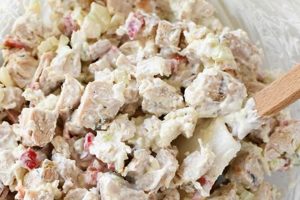
A dish combining cooked chicken, broccoli florets, and a binding agent such as mayonnaise, often incorporates additional ingredients like dried cranberries, sunflower seeds, red onion, or grapes. Variations exist, including those using Greek yogurt for a lighter dressing, or adding other vegetables like celery or carrots. A typical preparation involves chopping or shredding the chicken, blanching the broccoli, and combining all ingredients in a bowl.
This type of salad offers a nutritious and flavorful meal option. It provides a good source of protein from the chicken, vitamins and fiber from the broccoli, and healthy fats depending on the chosen dressing. Its adaptable nature allows for customization to individual dietary needs and preferences. As a relatively modern dish, it reflects evolving culinary trends toward lighter, healthier meals incorporating fresh produce and lean protein. The dish’s versatility makes it suitable for picnics, potlucks, quick lunches, or a light dinner.
Further exploration will cover variations on this dish, including specific ingredient combinations, preparation methods, and nutritional information. Tips for achieving optimal flavor and texture will also be discussed.
Tips for a Superior Salad
Optimizing ingredient selection and preparation techniques enhances the final product, resulting in a more flavorful and satisfying culinary experience.
Tip 1: Blanch the Broccoli: Briefly submerging broccoli florets in boiling water, followed by an immediate ice bath, preserves vibrant color and crisp texture while mitigating strong flavors.
Tip 2: Utilize High-Quality Chicken: Roasting or grilling a whole chicken offers superior flavor compared to pre-cooked options. Alternatively, poaching chicken breasts results in tender, flavorful meat suitable for this application.
Tip 3: Tailor the Dressing: While mayonnaise provides a classic base, Greek yogurt offers a lighter, tangier alternative. Experimenting with different herbs, spices, and acidic elements like lemon juice or vinegar allows for personalized flavor profiles.
Tip 4: Incorporate Textural Variety: Adding ingredients like toasted nuts, dried cranberries, or sunflower seeds provides textural contrast and enhances the overall sensory experience.
Tip 5: Balance Flavors: Consider the sweetness of added fruits like grapes or raisins and balance them with savory elements like red onion or Dijon mustard.
Tip 6: Chill Thoroughly: Allowing the salad to chill in the refrigerator for at least 30 minutes allows flavors to meld and enhances the overall dining experience.
Tip 7: Serve Strategically: Consider serving this salad on a bed of lettuce, within a croissant, or as a filling for bell peppers for presentation and added nutritional value.
Attention to these details elevates a simple combination of ingredients into a noteworthy dish, enhancing both nutritional value and culinary enjoyment. These techniques ensure a consistently delicious and satisfying result.
By following these guidelines, consistent preparation of a high-quality salad is achievable. Further discussion will explore variations and adaptations suitable for specific dietary needs and preferences.
1. Fresh Ingredients

Ingredient quality significantly impacts the overall flavor and nutritional value of a broccoli chicken salad. Freshness plays a crucial role in achieving optimal taste, texture, and overall culinary satisfaction. Prioritizing fresh components elevates this dish from simple to exceptional.
- Fresh Broccoli
Broccoli, a key component, should exhibit a vibrant green color with firm, compact florets. Avoid broccoli with yellowing florets or a wilted appearance. Fresh broccoli offers a crisp texture and a slightly sweet, earthy flavor that complements the other ingredients. Its freshness ensures maximum nutritional benefit, contributing vitamins, minerals, and fiber to the salad.
- High-Quality Chicken
Chicken contributes protein and influences the overall taste profile. Freshly cooked chicken, whether roasted, grilled, or poached, offers superior flavor and texture compared to pre-cooked or processed options. Selecting high-quality chicken ensures optimal taste and texture, contributing to a more satisfying culinary experience.
- Crisp Produce
Additional produce, such as red onion, celery, or grapes, should be crisp and vibrant. Limp or browning produce detracts from both the aesthetic appeal and the flavor of the salad. Crisp produce provides textural contrast and enhances the overall freshness of the dish.
- Recently Purchased Pantry Staples
Even pantry staples like mayonnaise, dried cranberries, or sunflower seeds benefit from attention to freshness. Using recently purchased items ensures optimal flavor and texture, enhancing the overall quality of the finished product. Rancid oils or stale nuts can negatively impact the taste and texture of the salad.
By prioritizing fresh ingredients, the resulting broccoli chicken salad maximizes flavor, texture, and nutritional value. Emphasis on quality components ensures a superior culinary experience, highlighting the inherent flavors of each element and creating a cohesive, satisfying dish.
2. Balanced Flavors

Flavor balance constitutes a critical element in a successful broccoli chicken salad recipe. The inherent flavors of the core ingredientsbroccoli and chickenoffer a relatively neutral palate. Therefore, achieving a compelling and enjoyable culinary experience necessitates careful consideration of contrasting and complementary flavors. A well-balanced salad avoids monotony, offering a complex and satisfying taste profile.
Consider the slight bitterness of broccoli. This characteristic requires counterbalance, often achieved through sweetness from dried cranberries or grapes, and tanginess from a vinaigrette or creamy dressing. The savory element of chicken benefits from the introduction of aromatics, such as red onion or shallots, and the subtle heat of spices like black pepper or Dijon mustard. These contrasting elements create a dynamic interplay, preventing any single flavor from dominating and ensuring a multi-dimensional sensory experience. For example, a salad incorporating Greek yogurt dressing, toasted pecans, and dried cranberries balances the tanginess of the yogurt with the sweetness of the cranberries and the richness of the pecans, all while complementing the savory chicken and slightly bitter broccoli.
Achieving flavor balance requires not only the inclusion of diverse flavors but also careful attention to proportions. An excess of sweetness can overpower the other flavors, while too much acidity can make the salad unpalatable. The goal is to create a harmonious blend where each element contributes to the overall taste profile without overwhelming the others. Practical application involves mindful ingredient selection and tasting throughout the preparation process. Adjustments to the dressing, spices, or other components allow for fine-tuning the balance, ensuring a delicious and satisfying end product. Mastery of flavor balance elevates this simple salad to a sophisticated and enjoyable dish.
3. Proper Cooking Techniques

Proper cooking techniques are essential for creating a high-quality broccoli chicken salad. These techniques ensure optimal texture and flavor, maximizing the potential of each ingredient. From the preparation of the chicken to the handling of the broccoli, the application of correct culinary methods significantly influences the final product’s overall appeal.
- Chicken Preparation
Chicken, a primary component, requires careful cooking to achieve desired tenderness and flavor. Overcooked chicken becomes dry and stringy, detracting from the salad’s overall quality. Methods such as poaching or grilling offer precise control over the cooking process, ensuring moist, flavorful results. Poaching, for instance, involves gently simmering chicken breasts in liquid, resulting in tender, flavorful meat ideal for shredding or dicing. Grilling imparts a smoky char, adding depth of flavor. Irrespective of the method, achieving a safe internal temperature while preserving moisture remains paramount.
- Broccoli Blanching
Blanching, a crucial step in broccoli preparation, involves briefly submerging the florets in boiling water followed by an immediate ice bath. This process preserves the broccoli’s vibrant green color and crisp texture while mitigating strong flavors. Blanching also halts enzymatic activity that can lead to nutrient degradation during storage. Properly blanched broccoli retains its structural integrity within the salad, contributing a pleasant textural contrast to the other ingredients.
- Ingredient Incorporation Timing
The timing of ingredient incorporation plays a critical role in the salad’s final quality. Adding ingredients like dried cranberries or toasted nuts too early can lead to sogginess, diminishing their textural contribution. These components are best incorporated just before serving to maintain their crispness and distinct flavors. Understanding the properties of each ingredient and how they react over time is essential for achieving optimal texture and flavor balance.
- Cooling and Chilling
Allowing the salad to chill thoroughly in the refrigerator after preparation allows the flavors to meld and enhances the overall dining experience. Chilling also improves food safety by inhibiting bacterial growth. The cold temperature solidifies the fats in the dressing, contributing to a creamier texture and a more cohesive final product. Optimal chilling time allows for full flavor development and ensures a refreshing and satisfying culinary experience.
Mastery of these cooking techniques contributes significantly to a superior broccoli chicken salad. Careful attention to chicken preparation, broccoli blanching, ingredient incorporation timing, and proper chilling methods elevates this simple dish, resulting in a flavorful, texturally appealing, and ultimately satisfying culinary creation.
4. Textural Variety
Textural variety constitutes a significant factor influencing the overall enjoyment of a broccoli chicken salad recipe. A combination of textures elevates the sensory experience beyond the simple perception of flavor. The interplay of contrasting texturescrunchy, creamy, soft, and chewycreates a more dynamic and satisfying dish. This complexity prevents the palate from becoming fatigued and encourages continued enjoyment.
Consider the primary components: tender chicken and crisp-tender broccoli. While these offer a foundational textural contrast, further diversification amplifies the salad’s appeal. Incorporating ingredients like toasted nuts (almonds, walnuts, or pecans) introduces a satisfying crunch. Adding dried cranberries or raisins provides a chewy element and a burst of sweetness. Sunflower seeds contribute a subtle nuttiness and a unique textural layer. Even the dressing, whether a creamy mayonnaise-based version or a lighter vinaigrette, plays a role in the overall textural profile. A creamy dressing coats the ingredients, providing a smooth counterpoint to the other textures, while a vinaigrette offers a lighter, less cohesive mouthfeel.
The practical significance of understanding textural variety lies in the ability to manipulate ingredients and preparation methods to achieve a desired outcome. Dicing the chicken into larger pieces creates a more substantial chew, while shredding it results in a finer texture that integrates more readily with the other components. Blanching the broccoli to the perfect point of crisp-tenderness ensures it retains its structure without becoming mushy. Toasted nuts offer a more pronounced crunch than raw nuts. These seemingly minor adjustments significantly influence the overall sensory experience, transforming a simple salad into a multi-dimensional culinary creation. Careful consideration of textural variety elevates the broccoli chicken salad from a basic dish to a more complex and satisfying culinary experience.
5. Versatile Serving Options

The adaptability of broccoli chicken salad contributes significantly to its appeal. Offering a range of serving options expands its utility beyond a standard side or light meal, increasing suitability for diverse occasions and individual preferences. This versatility allows for creative presentations and integration into various meal structures.
- Traditional Presentation
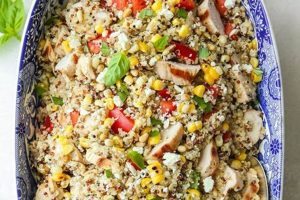
Served in a bowl or on a bed of lettuce, this classic approach emphasizes simplicity and allows the flavors of the salad to take center stage. This presentation suits casual meals, potlucks, or quick lunches. It allows for easy portion control and highlights the salad’s vibrant colors and textures.
- Sandwich Filling
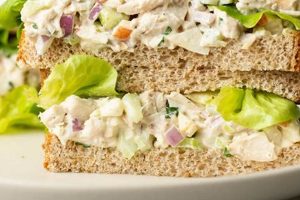
As a sandwich filling, broccoli chicken salad offers a nutritious and flavorful alternative to traditional deli meats. Used in croissants, wraps, or between slices of whole-wheat bread, it provides a portable and satisfying meal. This option caters to busy schedules and on-the-go lunches, offering a convenient way to enjoy the salad’s nutritional benefits.
- Stuffed Vegetables
Utilizing halved bell peppers or avocado halves as vessels transforms the salad into a visually appealing and nutritionally dense meal. This approach adds another layer of flavor and texture while increasing the dish’s overall nutritional value. Stuffed vegetables offer an elegant presentation suitable for both casual and slightly more formal dining occasions.
- Appetizer Option
Served in small portions on crackers, endive leaves, or cucumber slices, the salad functions as a refreshing and flavorful appetizer. This format offers a lighter alternative to traditional appetizers, providing a healthy and satisfying start to a meal. These bite-sized portions are ideal for parties, gatherings, or even a light snack.
The inherent versatility of broccoli chicken salad enhances its appeal and broadens its culinary applications. These various serving options underscore its adaptability, solidifying its position as a practical and enjoyable dish suitable for a wide range of dining experiences. Whether served as a simple side, a hearty sandwich filling, or an elegant appetizer, the adaptability of this salad allows for creative expression and personalized enjoyment.
Frequently Asked Questions
This section addresses common inquiries regarding broccoli chicken salad preparation, storage, and variations. Clarification on these points aims to facilitate successful preparation and enjoyment of this versatile dish.
Question 1: What is the best way to prevent broccoli from becoming mushy in the salad?
Blanching the broccoli briefly in boiling water, followed by an immediate ice water bath, helps maintain its crisp-tender texture and prevents overcooking. This process also preserves the broccoli’s vibrant green color.
Question 2: Can Greek yogurt be substituted for mayonnaise in the dressing?
Greek yogurt provides a lighter, tangier alternative to mayonnaise. It reduces overall calorie and fat content while adding a distinct flavor profile. Adjustments to seasonings may be necessary to achieve desired flavor balance.
Question 3: How long can broccoli chicken salad be stored in the refrigerator?
Properly stored in an airtight container, the salad typically remains fresh for three to five days in the refrigerator. However, consuming it within two days is recommended for optimal flavor and texture.
Question 4: What can be added to increase the salad’s protein content?
Adding ingredients like chopped nuts, seeds (sunflower, pumpkin, or chia), or cooked quinoa or lentils increases protein content and enhances nutritional value. These additions also contribute textural variety.
Question 5: How can the salad be adapted for specific dietary restrictions, such as gluten-free or dairy-free?
Gluten-free adaptations involve ensuring all added ingredients, such as dressings or seasonings, are certified gluten-free. For dairy-free versions, alternatives like dairy-free mayonnaise or yogurt can be substituted. Careful ingredient selection is crucial.
Question 6: Can other vegetables be added to this salad?
The recipe readily accommodates other vegetables. Chopped celery, bell peppers, shredded carrots, or diced red onion complement the existing flavors and add nutritional value and textural complexity.
Understanding these common points of inquiry facilitates successful preparation and enjoyment of this versatile and nutritious dish. Addressing these aspects contributes to a more informed and satisfying culinary experience.
The following section will explore variations on the classic broccoli chicken salad recipe, offering creative adaptations and flavor combinations.
Broccoli Chicken Salad Recipe
Exploration of this recipe reveals its adaptability and nutritional value. From ingredient selection and preparation techniques to flavor balancing and serving options, understanding the nuances of this dish allows for consistent creation of a satisfying and healthful meal. Proper cooking techniques, such as blanching broccoli and selecting high-quality chicken, contribute significantly to the final product. The interplay of textures and flavors, achieved through thoughtful ingredient combinations, elevates this simple salad beyond basic sustenance.
Mastery of this recipe provides a foundation for culinary exploration. Adaptability allows for personalized variations catering to individual preferences and dietary needs. Continued experimentation with ingredients and serving methods encourages creative expression in the kitchen, further enhancing appreciation for this versatile and nutritious dish. This exploration serves as a starting point for continued culinary discovery, emphasizing the potential of simple ingredients to create satisfying and healthful meals.