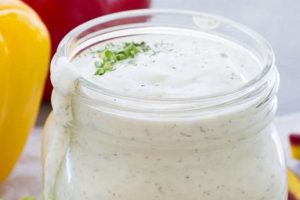
Instructions for preparing this classic emulsion typically include ingredients such as olive oil, garlic, lemon juice, egg yolk, Worcestershire sauce, anchovies, Parmesan cheese, and black pepper. Variations exist, substituting ingredients like Dijon mustard for anchovies or simplifying the process by omitting the raw egg. A typical preparation involves emulsifying the ingredients, often by gradually whisking the oil into the other components.
A well-executed emulsion provides a creamy, flavorful coating for romaine lettuce, croutons, and Parmesan cheese, creating a balanced dish. From its purported origin in Tijuana, Mexico, in the 1920s, the preparation has become a ubiquitous offering in restaurants worldwide, demonstrating the enduring appeal of its rich, savory profile. Understanding the principles of emulsification and the role of each ingredient allows for customization and consistent results, whether in a professional kitchen or a home setting.
The following sections will delve into the specific ingredients, techniques, and variations that contribute to a successful outcome, offering both classic approaches and innovative adaptations.
Tips for Crafting Exceptional Caesar Salad Dressing
Achieving a balanced and flavorful Caesar salad dressing requires attention to detail and an understanding of the interplay between ingredients. These tips offer guidance for consistent, high-quality results.
Tip 1: Emulsify Thoroughly: A stable emulsion is crucial for a creamy texture. Gradual addition of oil while whisking vigorously creates a smooth, cohesive dressing that clings to the salad ingredients. A blender or food processor can also be employed for efficient emulsification.
Tip 2: Balance Acidity: Lemon juice provides essential brightness. Taste and adjust the amount according to the desired level of tartness. A small amount of red wine vinegar can add complexity.
Tip 3: Garlic Integration: Freshly minced or grated garlic offers the most pungent flavor. For a milder flavor, the garlic can be briefly steeped in the lemon juice before incorporating other ingredients.
Tip 4: Anchovy Consideration: Anchovy paste or fillets provide the characteristic umami depth. Adjust the quantity to suit individual preferences. Finely minced anchovies can be incorporated directly, while paste offers a more subtle and evenly distributed flavor.
Tip 5: Quality Parmesan: Freshly grated Parmesan cheese adds a salty, savory dimension. Avoid pre-grated cheese, which often contains cellulose and may not melt smoothly into the dressing.
Tip 6: Seasoning Adjustment: Freshly ground black pepper enhances the overall flavor profile. Taste and adjust seasoning throughout the preparation process, adding salt judiciously as Parmesan contributes saltiness.
Tip 7: Egg Safety: When using raw egg yolks, ensure the eggs are fresh and pasteurized to minimize risk. Alternatively, substitute a coddled egg yolk or omit the egg altogether for a vegan adaptation.
By following these guidelines, one can consistently create a Caesar salad dressing that delivers the desired balance of creamy texture, savory depth, and bright acidity.
By understanding the nuances of ingredient selection and preparation techniques, one can elevate this classic dressing to new heights.
1. Ingredients

The quality and combination of ingredients directly determine the character of a Caesar salad dressing. Careful selection and proper handling are crucial for achieving the desired balance of flavors and textures. Understanding the role of each component allows for informed substitutions and creative adaptations.
- Oil:
Typically, extra virgin olive oil provides the base, contributing richness and a subtle fruity flavor. Variations may include other oils like avocado or grapeseed oil, impacting the final flavor and texture. The quality of the oil significantly influences the dressing’s overall taste.
- Acid:
Lemon juice is the primary source of acidity, providing brightness and balancing the richness of the oil and other ingredients. Lime juice or a combination of citrus juices can offer subtle variations. The level of acidity affects the overall taste and the emulsion’s stability.
- Umami Agents:
Anchovies, either paste or fillets, are the traditional source of umami, lending a savory depth. Worcestershire sauce often complements the anchovy flavor. Alternatives include Parmesan cheese, miso paste, or fish sauce, each contributing a unique nuance. The choice of umami agent significantly impacts the dressing’s complexity.
- Emulsifiers:
Raw or coddled egg yolks are classic emulsifiers, binding the oil and water-based ingredients into a stable, creamy dressing. Dijon mustard, mayonnaise, or pureed avocado can serve as alternatives, impacting the texture and richness.
The interplay of these ingredients defines the final flavor profile of the Caesar salad dressing. Adjusting proportions and incorporating variations allows for customization and exploration of diverse flavor combinations, ranging from classic to innovative interpretations.
2. Emulsification

Emulsification is fundamental to achieving the desired texture and stability in Caesar salad dressing. This process involves combining two immiscible liquids, typically oil and an aqueous solution, into a stable mixture. The resulting emulsion provides the characteristic creamy consistency that coats the salad ingredients effectively.
- Temporary Emulsions:
Simple whisking of oil and vinegar creates a temporary emulsion, where the two liquids briefly combine but quickly separate. This illustrates the inherent instability of oil and water mixtures without an emulsifying agent. In Caesar dressing, a temporary emulsion would result in an oily, uneven coating.
- Permanent Emulsions:
Permanent emulsions, like mayonnaise and traditional Caesar dressing, utilize emulsifying agents to create a stable mixture. These agents, such as egg yolks, contain molecules with both hydrophilic (water-attracting) and lipophilic (oil-attracting) ends. This allows them to bridge the gap between oil and water, creating a stable, homogenous mixture.
- Emulsifying Agents in Caesar Dressing:
The lecithin in egg yolks is a powerful emulsifier, enabling the creation of a stable, creamy Caesar dressing. Other emulsifiers, like Dijon mustard or mayonnaise, can also achieve a stable emulsion, albeit with slightly different textural and flavor characteristics.
- Factors Affecting Emulsion Stability:
Vigorous whisking or the use of a blender provides the mechanical energy necessary to disperse the oil droplets evenly within the aqueous phase. Temperature also plays a role; extreme temperatures can destabilize the emulsion. Understanding these factors ensures a consistent, high-quality dressing.
Successful emulsification is essential for a Caesar salad dressing that exhibits the desired creamy texture, clings to the salad components, and delivers a harmonious blend of flavors. Mastering this technique is paramount to crafting an exceptional Caesar salad experience.
3. Flavor Balance

Flavor balance is paramount in crafting a successful Caesar salad dressing. It’s the intricate interplay of tastesprimarily salty, sour, umami, and subtly sweetthat elevates the dressing beyond a simple condiment to a complex and satisfying component of the dish. Achieving this balance requires careful consideration of ingredient proportions and an understanding of how each element contributes to the overall flavor profile.
- Saltiness:
Salt, primarily derived from Parmesan cheese and anchovies, provides the foundational savory backbone of the dressing. It enhances other flavors and balances the acidity. Over-salting can easily overwhelm the other nuances, while insufficient salt results in a bland dressing. The type of Parmesan (e.g., Parmigiano-Reggiano, Grana Padano) influences the intensity of saltiness due to variations in aging and production methods. Careful tasting and adjustment are essential to achieve the appropriate level of saltiness.
- Acidity:
Acidity, typically from lemon juice, introduces brightness and cuts through the richness of the oil and cheese. It provides a refreshing counterpoint to the savory elements. Too much acidity can make the dressing sharp and unpleasant, while too little can result in a heavy, overly rich experience. Freshly squeezed lemon juice offers superior flavor compared to bottled varieties. The variety of lemon and its ripeness also contribute to variations in acidity.
- Umami:
Umami, the savory “fifth taste,” adds depth and complexity. Anchovies, Worcestershire sauce, or even a touch of Dijon mustard contribute this element. Umami enhances the overall flavor profile and complements both the saltiness and acidity. Too much umami can create an overly fishy or pungent flavor, while too little can leave the dressing lacking dimension. The quality and type of anchovy product significantly influence the umami profile.
- Sweetness (subtle):
While not a dominant flavor, a touch of sweetness can round out the other tastes and create a more harmonious profile. A small amount of honey or maple syrup can achieve this, although traditional recipes often omit added sweeteners. The subtle sweetness balances the acidity and saltiness, preventing the dressing from being overly sharp or savory. Over-sweetening, however, can clash with the other flavors and detract from the classic Caesar profile.
The harmonious integration of these four elements is what defines a truly exceptional Caesar salad dressing. Each ingredient plays a crucial role, and adjustments to their proportions allow for customization to suit individual preferences. A well-balanced dressing not only enhances the flavor of the romaine lettuce but also complements the other classic components like croutons and Parmesan cheese, creating a unified and satisfying culinary experience.
4. Variations
The classic Caesar salad dressing, while iconic, lends itself to numerous variations, reflecting evolving tastes and dietary preferences. These adaptations demonstrate the inherent flexibility of the recipe, allowing for customization while retaining the fundamental character of the dressing. Understanding the core components and their roles allows for informed experimentation and the creation of unique flavor profiles.
One common variation involves the egg. Traditional recipes utilize raw egg yolks for their emulsification properties and rich flavor. However, concerns about salmonella have led to adaptations using coddled egg yolks, pasteurized eggs, or omitting eggs altogether. Substituting mayonnaise or Dijon mustard provides emulsification while altering the flavor profile. Vegan versions often incorporate blended cashews or silken tofu for creaminess. These changes cater to dietary restrictions and safety concerns without sacrificing the creamy texture.
Another area of variation lies in the umami component. While anchovies provide the traditional savory depth, variations explore alternatives like Worcestershire sauce, fish sauce, miso paste, or capers. These substitutions offer nuanced flavor differences, catering to those who dislike anchovies or prefer a milder umami note. Roasted garlic can be used in place of raw garlic, imparting a mellower, sweeter flavor to the dressing. Furthermore, the type of oil can be modified; avocado oil offers a mild flavor and creamy texture, while walnut oil adds a distinctive nutty note.
Exploring these variations allows for the creation of dressings tailored to specific preferences and dietary needs. From vegan adaptations to variations emphasizing specific flavor profiles, understanding the interplay of ingredients empowers culinary creativity. While the classic recipe provides a foundational blueprint, the possibility of variations ensures the Caesar salad dressing remains a dynamic and adaptable culinary staple.
5. Techniques

Specific techniques employed during preparation significantly influence the final quality and character of Caesar salad dressing. From the method of emulsification to the incorporation of ingredients, these techniques impact texture, flavor development, and overall balance. Mastery of these methods allows for consistent results and the ability to tailor the dressing to specific preferences.
- Emulsification Method:
The method used to emulsify the dressing dictates its texture and stability. Traditional hand-whisking creates a light, airy emulsion, requiring gradual addition of oil to prevent separation. A blender or food processor produces a thicker, more stable emulsion due to the higher shearing forces. The chosen method impacts the final consistency and mouthfeel of the dressing.
- Ingredient Incorporation:
The order and method of ingredient incorporation affect flavor development and emulsion stability. Adding garlic to the acid first allows for mellowing of its pungency. Gradual addition of oil while whisking ensures proper emulsification. Incorporating Parmesan at the end prevents clumping and ensures even distribution. These steps contribute to a balanced and harmonious flavor profile.
- Temperature Control:
Temperature plays a crucial role in emulsion stability and flavor perception. Using room temperature ingredients facilitates emulsification and prevents the oil from solidifying. Chilling the dressing before serving enhances flavor integration and provides a refreshing contrast to the other salad components. Careful attention to temperature ensures both a stable emulsion and optimal flavor delivery.
- Seasoning Adjustment:
Seasoning throughout the preparation process allows for adjustments based on ingredient variations and personal preference. Tasting and adjusting salt, pepper, and acidity levels ensures a balanced and well-rounded flavor profile. This iterative process is crucial for achieving a dressing that complements the other salad components and satisfies individual palates.
Mastery of these techniques elevates Caesar salad dressing preparation from a simple task to a culinary art. Understanding the impact of each step on the final product allows for precise control over texture, flavor, and overall quality. By refining these techniques, one can consistently create a Caesar salad dressing that is both flavorful and visually appealing.
Frequently Asked Questions
This section addresses common inquiries regarding Caesar salad dressing preparation, offering concise and informative responses to clarify potential uncertainties and enhance understanding.
Question 1: What is the purpose of using raw egg yolk in traditional Caesar dressing?
Raw egg yolk serves as an emulsifier, binding the oil and water-based ingredients into a stable, creamy dressing. It also contributes richness and a unique flavor. However, due to food safety concerns, alternatives like coddled egg yolks or pasteurized eggs are frequently used.
Question 2: How can one achieve a stable emulsion when making Caesar dressing?
A stable emulsion requires gradual addition of oil while whisking vigorously. This disperses the oil droplets evenly within the aqueous phase, preventing separation. Using a blender or food processor also aids in creating a stable emulsion due to its higher shearing forces.
Question 3: What can be used as a substitute for anchovies?
Alternatives to anchovies include Worcestershire sauce, fish sauce, miso paste, or capers. These ingredients offer varying degrees of umami and saltiness, catering to different flavor preferences and dietary restrictions.
Question 4: How can the pungency of raw garlic be mitigated in the dressing?
Macerating minced garlic in lemon juice for a short period before incorporating it into the other ingredients helps mellow its raw sharpness. Roasting the garlic beforehand offers a sweeter, less pungent flavor.
Question 5: What factors contribute to a balanced flavor profile in Caesar dressing?
Balancing the saltiness (from Parmesan and anchovies), acidity (from lemon juice), umami (from anchovies or substitutes), and subtle sweetness (if any) is crucial. Careful tasting and adjustment of these elements throughout the preparation process ensure a harmonious final flavor.
Question 6: Can Caesar dressing be made without eggs?
Yes, egg-free versions often utilize mayonnaise, Dijon mustard, or blended cashews or silken tofu to create a creamy texture and emulsify the dressing. These adaptations cater to vegan diets and egg allergies.
Understanding these fundamental aspects of Caesar salad dressing preparation empowers individuals to create delicious and customized versions while adhering to safety guidelines and personal preferences.
For further exploration, the following section provides specific recipe examples incorporating these principles.
Recipes for Caesar Salad Dressing
Exploration of Caesar salad dressing recipes reveals a balance of art and science. From the careful emulsification process to the nuanced interplay of salty, sour, and umami flavors, the creation of this classic dressing hinges on a combination of technique and high-quality ingredients. Whether adhering to a traditional approach or embracing innovative variations, understanding the fundamental principles ensures consistent, flavorful results. The adaptability of Caesar salad dressing recipes allows for customization based on dietary preferences and desired flavor profiles, highlighting its enduring appeal and versatility.
Culinary evolution relies on both adherence to established techniques and exploration of innovative adaptations. Caesar salad dressing, with its rich history and adaptable nature, exemplifies this principle. Continued exploration of ingredient combinations and preparation methods promises to further enrich the culinary landscape and ensure the ongoing enjoyment of this classic dressing for generations to come.