A vibrant and flavorful complement to the sweetness of mango, a well-crafted vinaigrette enhances the overall salad experience. This typically involves a balance of sweet, sour, and savory elements, often achieved through ingredients like lime juice, fish sauce, ginger, chili, and a touch of sweetener. For example, a simple combination of fresh lime juice, honey, and a pinch of red pepper flakes can create a bright and zesty dressing that perfectly accentuates the tropical flavors of a mango salad.
The right blend of flavors elevates the simple combination of mango and other salad ingredients, transforming it into a complex and satisfying dish. Historically, mangoes have been paired with various savory and spicy elements in Southeast Asian cuisine, reflecting the region’s diverse culinary heritage. A properly prepared vinaigrette not only adds flavor but also contributes to the textural complexity of the salad, creating a more enjoyable sensory experience.
This exploration will delve into various options for creating these complementary flavors, ranging from classic combinations to more innovative approaches, offering a range of options for every palate and occasion.
Tips for Crafting the Perfect Mango Salad Vinaigrette
Creating a harmonious balance of flavors is crucial for a successful mango salad. These tips offer guidance for achieving optimal results.
Tip 1: Balance Sweet and Sour: The inherent sweetness of mango requires a counterpoint. Lime juice, vinegar, or even a touch of tamarind paste can provide the necessary acidity. Taste and adjust accordingly, aiming for a vibrant contrast.
Tip 2: Embrace Umami: Fish sauce, soy sauce, or a pinch of MSG can add depth and complexity. Start with a small amount and increase gradually to avoid overpowering the delicate mango flavor.
Tip 3: Consider Texture: Minced ginger, shallots, or chilies offer textural contrast and bursts of flavor. Toasted sesame seeds or chopped peanuts can further enhance the sensory experience.
Tip 4: Fresh Herbs Elevate: Cilantro, mint, or basil can add a refreshing herbal note. Choose herbs that complement the other flavor components of the dressing.
Tip 5: Oil Selection Matters: A neutral oil like grapeseed or avocado oil allows the other flavors to shine. Alternatively, a flavorful oil like toasted sesame oil can be used sparingly for a distinctive taste.
Tip 6: Emulsification is Key: Whisking the dressing vigorously creates a stable emulsion, preventing separation and ensuring a cohesive flavor profile.
Tip 7: Taste and Adjust: Palates vary, so tasting and adjusting the dressing throughout the preparation process is essential. This ensures the final flavor profile aligns with individual preferences.
By following these guidelines, one can create a vinaigrette that perfectly complements the natural sweetness of mango and elevates the salad to new heights of flavor and texture.
These insights provide a foundation for crafting delectable mango salad dressings, opening up a world of culinary possibilities.
1. Flavor Balance
Flavor balance is paramount in a successful mango salad dressing. The inherent sweetness of mango necessitates a careful interplay of contrasting and complementary tastes. A well-balanced dressing elevates the mango’s flavor profile without overpowering its delicate nature.
- Sweetness and Acidity
The interplay between sweetness and acidity forms the foundation of a balanced mango salad dressing. The mango’s sweetness is tempered by acidic elements like lime juice, vinegar, or even a touch of tamarind. This dynamic tension prevents the salad from being cloyingly sweet and creates a refreshing vibrancy. For example, a dressing with a higher proportion of lime juice would suit a sweeter mango variety, while a less acidic dressing might complement a less ripe, tarter mango.
- Savory and Spicy Notes
Savory and spicy elements add depth and complexity to the dressing, preventing it from being one-dimensional. Ingredients like fish sauce, soy sauce, ginger, and chili flakes introduce umami and heat, balancing the sweetness and acidity. A touch of fish sauce can lend a subtle savory depth, while a pinch of chili flakes introduces a pleasant warmth. The balance of these elements creates a more nuanced and satisfying flavor profile.
- Herbal and Aromatic Infusions
Fresh herbs and aromatics contribute another layer of complexity. Cilantro, mint, basil, and ginger introduce refreshing herbal notes and subtle spice. These additions can enhance the overall aroma and flavor of the salad, creating a more engaging sensory experience. For instance, the bright, citrusy aroma of cilantro complements the tropical sweetness of mango, while mint adds a cooling counterpoint.
- The Role of Fat
The type and amount of fat in the dressing also contribute to flavor balance. While a neutral oil like grapeseed allows other flavors to shine, a small amount of a more flavorful oil, such as toasted sesame oil, can add a unique dimension. The fat also carries the flavors of the other ingredients, ensuring they coat the mango and other salad components evenly. The right fat content creates a harmonious blend and enhances the overall palate experience.
These facets of flavor balance work synergistically to create a dressing that enhances the mango’s natural sweetness and transforms a simple salad into a complex and satisfying culinary experience. The careful consideration of each element results in a harmonious blend of flavors, textures, and aromas that elevate the mango salad to a new level of enjoyment.
2. Texture Enhancement
Texture enhancement plays a vital role in elevating a mango salad from simple to exceptional. While flavor provides the foundation, textural contrast creates a more engaging and satisfying sensory experience. The interplay of textures within the salad, significantly influenced by the dressing, contributes to its overall appeal.
A creamy, smooth dressing may benefit from added textural elements to prevent monotony. Toasted nuts, such as macadamia nuts or cashews, offer a satisfying crunch. Seeds, like sesame or pumpkin seeds, provide a delicate crispness. These additions not only introduce textural variety but also contribute complementary flavors. For instance, the buttery richness of macadamia nuts pairs well with mango’s sweetness, while toasted sesame seeds offer a nutty depth.
Crisp vegetables within the salad itself, such as julienned carrots, bell peppers, or shredded cabbage, provide further textural contrast. The dressing acts as a unifying element, coating these diverse textures and binding them together. A slightly thicker vinaigrette, perhaps incorporating a touch of honey or tahini, can effectively cling to these varied components, ensuring a cohesive and enjoyable bite. The interplay of creamy dressing, crunchy nuts, crisp vegetables, and soft mango creates a dynamic and multi-dimensional textural experience.
Beyond the ingredients themselves, the method of preparation influences texture. Roughly chopped nuts offer a more robust crunch, while finely diced ingredients provide a subtle textural variation. The dressing’s viscosity plays a role as well; a thinner dressing allows for individual textures to stand out, while a thicker dressing creates a more integrated textural experience. Understanding these nuances allows for precise control over the final product, ensuring a harmonious balance of textures and flavors.
In conclusion, careful consideration of texture enhancement significantly impacts the overall enjoyment of a mango salad. The strategic incorporation of contrasting textures within both the dressing and the salad itself elevates the dish from palatable to truly memorable. This attention to detail distinguishes a well-crafted mango salad from a more rudimentary rendition.
3. Ingredient Quality

Ingredient quality directly impacts the final flavor profile of a mango salad dressing. Utilizing fresh, ripe mangoes is paramount; their sweetness and aroma form the foundation of the dish. Substandard mangoes, whether underripe or overripe, compromise the balance of the entire salad. Similarly, fresh herbs, such as cilantro, mint, or basil, must be vibrant and fragrant. Wilted or dried herbs lack the essential oils that contribute to a bright, refreshing dressing. The use of high-quality ingredients ensures the dressing elevates rather than detracts from the overall culinary experience. For example, using fresh-squeezed lime juice provides a brighter, more nuanced acidity compared to bottled lime juice, enhancing the flavor complexity.
Further emphasizing the importance of ingredient quality, consider the impact of the oil selected for the vinaigrette. Extra virgin olive oil, with its robust flavor, might overpower the delicate mango, while a neutral oil like grapeseed or avocado oil allows the other flavors to shine. Similarly, fresh ginger, grated finely, offers a vibrant zing that dried ginger cannot replicate. The quality of these individual components contributes significantly to the final product, demonstrating that a superior mango salad dressing requires more than just a proper recipe; it demands careful sourcing of ingredients. Choosing premium ingredients ensures that the nuanced flavors and aromas are fully expressed, resulting in a more complex and enjoyable salad.
Ultimately, the pursuit of ingredient quality showcases a commitment to culinary excellence in mango salad preparation. While a recipe provides a blueprint, it is the quality of the ingredients that determines the final result. This understanding underscores the importance of sourcing the freshest, highest-quality ingredients possible. Challenges may arise in sourcing specific ingredients depending on location and seasonality; however, prioritizing quality remains crucial for a truly exceptional mango salad. This dedication to ingredient quality elevates the dish beyond a simple combination of ingredients, transforming it into a culinary expression of flavor and freshness.
4. Acidity Level

Acidity plays a crucial role in balancing the sweetness of mango in a salad. The correct level of acidity enhances the other flavors in the dressing and prevents the salad from becoming cloyingly sweet. Careful consideration of acidity is essential for a well-balanced and refreshing mango salad.
- Sources of Acidity
Various ingredients contribute acidity to mango salad dressings. Common choices include citrus juices like lime or lemon, vinegars such as rice vinegar or apple cider vinegar, and even tamarind paste. Each option offers a unique flavor profile and level of tartness. Lime juice provides a bright, citrusy acidity, while rice vinegar offers a milder, slightly sweet tang. Tamarind paste contributes a more complex, earthy sourness. The selection depends on the desired flavor profile and the other ingredients in the dressing.
- Balancing Sweetness
The primary function of acidity in a mango salad dressing is to balance the inherent sweetness of the fruit. Without sufficient acidity, the salad can taste overly sweet and lack complexity. The right balance of sweet and sour creates a more dynamic and refreshing flavor profile. For example, a dressing with a higher acidity level complements a sweeter mango variety, while a less acidic dressing might be preferable for a less ripe, tarter mango. This careful calibration ensures a harmonious balance.
- Enhancing Other Flavors
Beyond balancing sweetness, acidity enhances the other flavors in the dressing. It brightens the flavors of herbs, spices, and other aromatics, creating a more vibrant and complex taste. The acidity also helps to lift the flavors, making them more pronounced and perceptible. For example, in a dressing with ginger and chili, the acidity amplifies the spiciness and warmth, creating a more layered sensory experience.
- Impact on Texture and Preservation
Acidity also plays a subtle role in the texture and preservation of the salad. The acid in the dressing can help to maintain the firmness of the mango and other ingredients, preventing them from becoming mushy. Additionally, the acidic environment can inhibit bacterial growth, contributing to the salad’s overall freshness. This preservation effect is particularly important in warmer climates or when the salad is prepared in advance.
Precise control over acidity is therefore a defining characteristic of a well-crafted mango salad dressing. The interplay between acidity and sweetness, its impact on other flavors, and its contributions to texture and preservation highlight its crucial role. A properly balanced acidity level elevates the mango salad from a simple dish to a sophisticated culinary creation.
5. Visual Appeal

Visual appeal significantly enhances the dining experience of a mango salad. While flavor and texture are paramount, the presentation contributes to the overall perception and enjoyment of the dish. A visually appealing salad entices the palate and elevates the culinary experience beyond mere sustenance.
- Color Vibrancy
Color plays a key role in the visual appeal of a mango salad. The vibrant orange or yellow of ripe mango provides a natural foundation. This can be further enhanced by incorporating contrasting colors, such as the deep green of cilantro, the rich purple of red onion, or the bright red of bell peppers. The dressing itself can also contribute to the color palette. A vibrant green cilantro-lime dressing or a deep orange turmeric vinaigrette can further enhance the visual appeal. The strategic use of color creates a visually stimulating and appetizing presentation.
- Arrangement and Composition
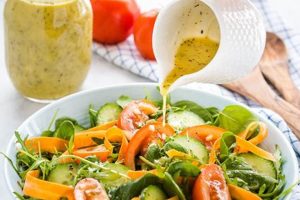
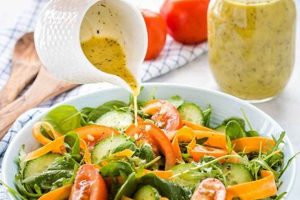
The arrangement of the salad components contributes significantly to its visual appeal. Thoughtful placement of ingredients creates a more engaging presentation. Consider arranging the mango slices artfully, rather than simply tossing them in a bowl. A bed of greens can provide a backdrop for the more colorful ingredients, while a sprinkle of chopped nuts or seeds adds visual texture. The dressing can be drizzled over the salad rather than mixed in, allowing its color and texture to contribute to the overall visual composition. A well-composed salad is more visually enticing and demonstrates attention to detail.
- Garnish and Finishing Touches
Garnishes provide the finishing touches that elevate a mango salad’s visual appeal. A sprig of fresh mint, a sprinkle of toasted sesame seeds, or a scattering of edible flowers can add a touch of elegance and enhance the overall presentation. These small details demonstrate care and attention, transforming a simple salad into a visually stunning creation. The garnish should complement the existing colors and flavors, enhancing the overall composition without overpowering the other elements.
- Serving Vessel and Context
The choice of serving vessel also influences the visual appeal. A simple white bowl allows the vibrant colors of the salad to stand out, while a more rustic wooden bowl can create a different aesthetic. The context in which the salad is served, whether a casual lunch or a formal dinner, also influences the presentation. Consider the overall table setting and the other dishes being served. A cohesive presentation enhances the overall dining experience.
By considering these elements of visual appeal, one can elevate a mango salad from a simple dish to a visually stunning culinary creation. The interplay of color, arrangement, garnish, and serving context contributes to a more engaging and satisfying dining experience. This attention to visual detail enhances the overall enjoyment and demonstrates a commitment to culinary excellence.
Frequently Asked Questions
This section addresses common inquiries regarding the preparation and nuances of mango salad dressings.
Question 1: What is the ideal balance of sweet and sour in a mango salad dressing?
The ideal balance depends on the sweetness of the mango variety and personal preference. Generally, a 2:1 ratio of sweet to sour provides a good starting point, but adjustments may be necessary based on the specific ingredients and desired flavor profile. Tasting and adjusting throughout the process is recommended.
Question 2: Can bottled lime juice be used instead of fresh?
While bottled lime juice can be used in a pinch, fresh lime juice is always preferred. Freshly squeezed lime juice offers a brighter, more nuanced acidity and aroma that significantly enhances the overall flavor profile of the dressing. Bottled juice often contains preservatives and additives that can detract from the fresh, vibrant taste.
Question 3: How long can mango salad dressing be stored?
Properly stored in an airtight container in the refrigerator, mango salad dressing can typically last for up to three days. However, the freshness of the herbs and other ingredients will impact its longevity. It’s best to consume the dressing within 48 hours for optimal flavor and quality.
Question 4: What type of oil is best suited for mango salad dressing?
Neutral oils like grapeseed or avocado oil are generally preferred as they allow the other flavors in the dressing to shine. However, small amounts of flavorful oils like toasted sesame oil can be incorporated to add depth and complexity. Avoid using oils with strong flavors that could overpower the delicate mango.
Question 5: Can the dressing be made ahead of time?
The dressing can be made ahead of time and stored separately. However, it’s generally recommended to add the dressing to the salad just before serving to prevent the mango and other ingredients from becoming soggy. This preserves the texture and ensures the best possible flavor and presentation.
Question 6: What can be substituted for fish sauce if a vegetarian option is desired?
For a vegetarian alternative to fish sauce, soy sauce or tamari can provide a similar umami depth. Alternatively, a combination of Worcestershire sauce (ensure it’s vegetarian) and a pinch of salt can also create a savory base. Adjusting the amounts of other ingredients, such as lime juice and sweetener, might be necessary to achieve the desired balance.
Understanding these nuances ensures a more successful outcome when preparing a mango salad dressing. Attention to detail and thoughtful consideration of each element contribute to a more refined and enjoyable culinary experience.
The subsequent sections will explore specific recipe variations and offer further insights into crafting the perfect mango salad dressing.
Dressing for Mango Salad Recipe
Optimal mango salad preparation hinges on a carefully crafted dressing. Exploration of this topic reveals the importance of balancing sweetness with acidity, incorporating textural elements, and utilizing high-quality ingredients. Acidity levels must be precisely calibrated to enhance the mango’s natural sweetness while preventing an overly sweet result. Visual appeal, often overlooked, significantly contributes to the overall dining experience. Consideration of these factors transforms a simple combination of ingredients into a cohesive and satisfying culinary creation. A well-executed dressing elevates the mango salad beyond a basic dish, showcasing the potential for complexity and nuance within this seemingly simple preparation.
Culinary exploration continuously evolves. Further experimentation with flavor profiles, textural components, and presentation styles offers continued opportunity for refinement and innovation within the realm of mango salad dressings. The potential for culinary discovery remains vast, encouraging ongoing exploration and a deeper appreciation for the subtle artistry within even the simplest of dishes. This pursuit of culinary excellence transforms the act of preparing a mango salad from a routine task into an engaging and rewarding culinary endeavor.