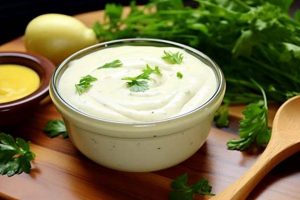
High-quality dressings specifically designed for Greek salads typically emphasize fresh, vibrant flavors. These often include extra virgin olive oil, lemon juice, red wine vinegar, oregano, garlic, and sometimes Dijon mustard. A well-executed dressing elevates the simple ingredients of a Greek salad tomatoes, cucumbers, onions, olives, and feta cheese creating a cohesive and satisfying culinary experience. For instance, a balanced dressing might use a 2:1 ratio of olive oil to lemon juice, with a pinch of oregano and minced garlic for a classic taste.
The pursuit of exceptional Greek salad dressings reflects a broader appreciation for Mediterranean cuisine and its emphasis on fresh, wholesome ingredients. A properly prepared dressing not only enhances the flavor of individual components but also contributes to the salad’s overall nutritional value by providing healthy fats and antioxidants. Historically, olive oil and vinegar-based dressings have been staples in Mediterranean diets, celebrated for their simplicity and health benefits. The evolution of these basic dressings has led to countless variations, including those specifically tailored to complement the flavors of a Greek salad.
Exploring various approaches to crafting these dressings allows for customization based on individual preferences and dietary needs. Factors such as ingredient sourcing, preparation techniques, and variations in flavor profiles contribute to the diverse landscape of Greek salad dressings. From traditional recipes to modern interpretations, understanding these nuances leads to a deeper appreciation of this culinary staple.
Tips for Crafting Exceptional Greek Salad Dressings
Creating a memorable Greek salad dressing involves attention to detail and a balance of flavors. These tips offer guidance for achieving optimal results.
Tip 1: Prioritize High-Quality Olive Oil: The foundation of any excellent Greek salad dressing is extra virgin olive oil. Opt for a robust, flavorful oil with a low acidity level. This contributes significantly to the dressing’s overall taste and texture.
Tip 2: Freshly Squeezed Lemon Juice is Essential: Bottled lemon juice often contains additives that can negatively impact the dressing’s brightness. Freshly squeezed lemon juice provides a clean, vibrant acidity that complements the other ingredients.
Tip 3: Balance Acidity with Sweetness (Optional): A touch of sweetness can balance the acidity of the lemon juice and vinegar. A small amount of honey or maple syrup can achieve this without overpowering the other flavors.
Tip 4: Use Dried Oregano for Authentic Flavor: Dried oregano offers a more concentrated, traditional flavor profile compared to fresh oregano in this specific application. Crushing the dried oregano between your fingers before adding it to the dressing helps release its aromatic oils.
Tip 5: Emulsify Thoroughly: Proper emulsification ensures that the oil and vinegar combine into a cohesive, creamy dressing that clings to the salad ingredients. Whisk vigorously or use a blender to achieve a smooth, stable emulsion.
Tip 6: Seasoning is Key: Salt and freshly ground black pepper are crucial elements. Taste and adjust seasoning as needed to enhance the overall flavor profile of the dressing. Consider a pinch of sea salt or kosher salt for enhanced minerality.
Tip 7: Allow Flavors to Meld: Preparing the dressing at least 30 minutes before serving allows the flavors to meld and develop, resulting in a more complex and harmonious taste.
By following these tips, one can create a Greek salad dressing that elevates the entire dining experience. The result offers a balanced and flavorful complement to the fresh ingredients of the salad.
Considering these elements allows for a comprehensive understanding of what constitutes a truly exceptional Greek salad dressing.
1. Fresh, High-Quality Ingredients

Exceptional Greek salad dressings rely heavily on the quality of their core components. Fresh, high-quality ingredients contribute significantly to the overall flavor, aroma, and nutritional value of the dressing, ultimately impacting the final culinary experience.
- Extra Virgin Olive Oil
The cornerstone of any good Greek salad dressing is high-quality extra virgin olive oil. Opting for an oil with a robust flavor profile, low acidity, and a designated origin, like Kalamata, enhances the dressing’s complexity. Using a subpar olive oil can result in a flat or even unpleasant taste, diminishing the entire dish’s quality.
- Freshly Squeezed Lemon Juice
Freshly squeezed lemon juice provides a brightness and vibrancy that bottled varieties often lack. The natural acidity of fresh lemons balances the richness of the olive oil, contributing to the dressing’s overall freshness. Bottled lemon juice can contain preservatives and additives that negatively alter the flavor profile.
- Fresh Herbs and Spices
Using fresh herbs, like oregano and mint, elevates the aromatic complexity of the dressing. Similarly, freshly ground black pepper adds a depth of flavor that pre-ground pepper cannot replicate. Dried herbs can be used when fresh are unavailable but should be high-quality and stored properly to retain their flavor.
- In-Season Produce (for the Salad Itself)
While not a dressing ingredient, the freshness of the salad’s components significantly interacts with the dressing. Ripe, in-season tomatoes, cucumbers, and onions offer optimal flavor and texture, allowing the dressing to complement them effectively. Out-of-season produce often lacks the vibrancy needed to create a truly exceptional salad.
The interplay of these fresh, high-quality ingredients forms the bedrock of a truly exceptional Greek salad dressing. Prioritizing these components elevates the sensory experience, demonstrating a commitment to both flavor and quality. The difference between a dressing crafted with premium ingredients and one made with subpar alternatives is readily apparent in the final product.
2. Proper Balance of Acidity
Acidity plays a crucial role in defining the character of a Greek salad dressing. The correct balance brightens the flavors of the vegetables, enhances the richness of the olive oil, and creates a more enjoyable culinary experience. A dressing that is too acidic can be sharp and overpowering, while one that lacks acidity can taste bland and flat. Achieving this balance is essential for crafting dressings that complement, rather than overpower, the other salad components.
- Sources of Acidity
Primary acidity in Greek salad dressings typically comes from lemon juice or red wine vinegar. Lemon juice offers a brighter, more citrus-forward acidity, while red wine vinegar contributes a more mellow, slightly tangy flavor. The choice between these, or a combination of both, influences the dressing’s overall profile. Other acidic elements, such as a splash of white wine vinegar or even a touch of sumac, can also contribute to the balance. The specific type and amount of acid used should be carefully considered based on the desired flavor profile.
- Balancing Acidity with Other Flavors
The perceived acidity of a dressing can be modulated by incorporating other flavor elements. A touch of sweetness, from a small amount of honey or maple syrup, can soften the sharpness of the acid. Similarly, the richness of the olive oil plays a role in balancing the acidity. Herbs and spices, like oregano, dill, or garlic, can also contribute to a more rounded flavor profile, preventing the acidity from dominating.
- Impact of Acidity on the Salad Ingredients
The acidity of the dressing interacts directly with the salad’s ingredients. It can soften the texture of vegetables like onions and cucumbers, while also enhancing their flavors. The acidity also helps to preserve the vibrant colors of the vegetables, preventing them from browning. Overly acidic dressings, however, can have the opposite effect, causing the vegetables to become soggy or lose their crispness.
- Adjusting Acidity Based on Personal Preference
Taste preferences regarding acidity vary. Some individuals prefer a more pronounced tang, while others favor a milder acidity. The ability to adjust the acidity of a dressing allows for customization based on individual preferences. Tasting and adjusting the dressing as it is prepared allows for fine-tuning the balance to achieve the desired outcome.
Mastering the balance of acidity is essential for creating a truly exceptional Greek salad dressing. It impacts not only the taste of the dressing itself but also how it interacts with the other salad ingredients. A well-balanced dressing elevates the entire dish, demonstrating a nuanced understanding of flavor dynamics and a commitment to culinary excellence.
3. Authentic Greek Flavors

Authenticity in Greek salad dressings hinges on the careful selection and application of traditional ingredients. These flavors, deeply rooted in the culinary heritage of Greece, contribute significantly to the creation of exceptional dressings. The connection between authentic Greek flavors and high-quality dressings is undeniable. Specific ingredients, employed in traditional ways, create a flavor profile instantly recognizable and appreciated as genuinely Greek. For instance, the use of dried Greek oregano, as opposed to other oregano varieties, imparts a distinct, pungent aroma that defines the character of the dressing. Similarly, the inclusion of Kalamata olives or their brine introduces a salty, briny depth that complements the other flavors. Excluding these key components, or substituting them with non-traditional alternatives, compromises the authenticity of the dressing and detracts from the overall experience.
Achieving authenticity requires understanding the nuanced roles of various ingredients. Lemon juice, for example, provides brightness and acidity, balancing the richness of extra virgin olive oil. Fresh or dried dill can add a subtly herbaceous note, while a touch of garlic introduces a savory complexity. These flavors work in concert to create a harmonious balance, characteristic of traditional Greek cuisine. The quality of these ingredients also plays a vital role. Using premium extra virgin olive oil with a distinct flavor profile, sourcing high-quality dried herbs, and opting for fresh, locally grown produce when possible, all contribute to the authenticity and overall quality of the dressing. Conversely, using inferior ingredients or pre-packaged spice blends can result in a dressing that lacks the depth and complexity of a truly authentic Greek preparation.
Ultimately, the pursuit of authentic Greek flavors elevates Greek salad dressings from simple condiments to culinary experiences. It demonstrates a respect for tradition and a commitment to quality. Understanding the role of these authentic flavors enables the creation of dressings that not only taste exceptional but also accurately represent the rich culinary heritage of Greece. Furthermore, it allows for a deeper appreciation of the cultural significance of food and its ability to connect individuals to specific places and traditions. The mindful selection and application of these ingredients, combined with an understanding of their historical and cultural context, results in dressings that are both delicious and genuinely representative of Greek culinary traditions.
4. Effective Emulsification Technique

Effective emulsification is crucial for creating high-quality Greek salad dressings. A stable emulsion prevents the oil and vinegar components from separating, ensuring a smooth, cohesive texture that clings to the salad ingredients. This impacts not only the dressing’s appearance and mouthfeel but also how the flavors are perceived and distributed throughout the salad. A properly emulsified dressing delivers a more consistent and enjoyable sensory experience.
- Temporary vs. Permanent Emulsions
Greek salad dressings typically utilize temporary emulsions, where the oil and vinegar eventually separate. This is acceptable and even desirable in some cases, as it allows the individual flavors of the oil and vinegar to shine through. Permanent emulsions, achieved through the addition of emulsifying agents like egg yolks or mustard, create a thicker, creamier texture but can mask the delicate flavors of the other ingredients.
- Whisking Technique
Vigorous whisking is the most common method for creating a temporary emulsion in Greek salad dressings. Slowly drizzling the oil into the vinegar while whisking constantly creates small droplets of oil suspended in the vinegar. This increases the surface area of the oil, allowing it to coat the salad ingredients more effectively and distribute the flavor evenly. A properly whisked dressing appears smooth and slightly thickened.
- Blender Emulsification
Using a blender offers a more efficient, albeit less traditional, method for emulsifying Greek salad dressings. A blender creates smaller oil droplets than whisking, resulting in a more stable emulsion. However, over-blending can incorporate too much air, leading to a frothy texture that may not be desirable. Blending also increases the risk of over-emulsifying, creating a dressing that is too thick or creamy.
- Factors Affecting Emulsion Stability
Several factors influence the stability of a temporary emulsion. The ratio of oil to vinegar plays a significant role; a higher proportion of oil generally leads to a more stable emulsion. Temperature also affects stability; warmer temperatures can cause the emulsion to break down more quickly. Finally, the presence of emulsifying agents, even in small amounts, can significantly increase the emulsion’s lifespan. Ingredients like Dijon mustard, honey, or even a small amount of mashed garlic can act as natural emulsifiers.
The emulsification technique directly impacts the overall quality and enjoyment of a Greek salad. A well-emulsified dressing enhances the sensory experience by creating a smooth, cohesive texture that evenly distributes flavors throughout the salad. Understanding the principles of emulsification, and applying the appropriate technique based on the desired outcome, allows for greater control over the final product and contributes significantly to crafting truly exceptional Greek salad dressings.
5. Appropriate Seasoning

Appropriate seasoning is fundamental to crafting exceptional Greek salad dressings. It elevates the inherent flavors of the fresh ingredients and creates a balanced, harmonious taste profile. Salt, primarily, enhances the sweetness of ripe tomatoes and cucumbers, while also tempering the acidity of the lemon juice or vinegar. Freshly ground black pepper adds a subtle complexity and depth, further enhancing the overall sensory experience. The absence of proper seasoning, or an imbalance in its application, can result in a dressing that tastes flat, dull, or overly acidic. For instance, a dressing lacking sufficient salt may fail to highlight the natural sweetness of the vegetables, while excessive pepper can overpower the delicate flavors of the olive oil and herbs. The precise balance of salt and pepper, tailored to individual palates and the specific ingredients used, is critical for achieving optimal results. Furthermore, the type of salt used can influence the final outcome. Sea salt, with its inherent minerality, can add a nuanced complexity, while kosher salt offers a clean, neutral flavor. Experimentation with different salt varieties can further refine the dressing’s taste profile.
Beyond basic salt and pepper, other seasonings can further enhance a Greek salad dressing. A pinch of dried oregano, beyond its use in the dressing itself, can be sprinkled directly onto the salad to amplify the herbal notes. A small amount of garlic powder can contribute a subtle savory depth, while a touch of red pepper flakes introduces a hint of heat. However, restraint is key when incorporating additional seasonings. The goal is to complement, not overpower, the core flavors of the dressing and the salad ingredients. Over-seasoning can result in a muddled flavor profile, obscuring the freshness of the produce and the delicate balance of the dressing. The judicious use of additional seasonings, carefully chosen to harmonize with the existing flavors, can elevate a simple Greek salad dressing to a new level of culinary sophistication. This attention to detail demonstrates a commitment to creating a well-balanced and flavorful dish, highlighting the importance of appropriate seasoning in achieving culinary excellence.
In conclusion, appropriate seasoning is an essential component of any high-quality Greek salad dressing. It amplifies the natural flavors of the ingredients, creates balance, and adds depth and complexity to the overall taste profile. Careful consideration of the type and amount of seasoning, along with an understanding of how it interacts with the other ingredients, is crucial for crafting truly exceptional dressings. Mastering this element elevates the sensory experience, demonstrating a nuanced understanding of flavor dynamics and a commitment to culinary excellence. Its the difference between a simple condiment and a truly memorable culinary creation.
Frequently Asked Questions about Greek Salad Dressings
This section addresses common inquiries regarding the preparation and enjoyment of high-quality Greek salad dressings.
Question 1: What is the ideal ratio of olive oil to vinegar in a Greek salad dressing?
A commonly preferred ratio is 2:1 or 3:1 olive oil to vinegar. However, optimal proportions depend on individual taste preferences and the specific type of vinegar used. Red wine vinegar typically requires less oil compared to a stronger white wine vinegar.
Question 2: Can bottled lemon juice be substituted for fresh lemon juice?
While bottled lemon juice can be used in a pinch, fresh lemon juice is strongly recommended. It offers a brighter, more natural flavor profile that significantly enhances the dressing’s overall quality. Bottled lemon juice often contains additives that can negatively affect the taste.
Question 3: What type of oregano is best suited for Greek salad dressing?
Dried Greek oregano is traditionally preferred, offering a more robust and pungent flavor than other oregano varieties. Ensure it is high-quality and stored properly to maintain its potency.
Question 4: How can one prevent the dressing from separating?
Greek salad dressings are typically temporary emulsions, meaning separation is natural. Vigorous whisking before serving or adding a small amount of Dijon mustard can help create a more stable emulsion, albeit temporarily.
Question 5: How long can Greek salad dressing be stored?
Homemade Greek salad dressing, without fresh herbs, can typically be stored in an airtight container in the refrigerator for up to one week. Dressings containing fresh herbs are best consumed within a few days.
Question 6: Can other herbs be used besides oregano?
While oregano is traditional, other herbs like fresh dill, mint, or thyme can complement a Greek salad dressing. However, using these should be considered a variation on the classic recipe, not a substitute for the characteristic flavor of oregano.
Understanding these common points of inquiry allows for more informed choices regarding ingredient selection, preparation techniques, and storage practices. Ultimately, this knowledge contributes to a more satisfying culinary experience when crafting and enjoying Greek salad dressings.
Beyond these frequently asked questions, further exploration of specific recipe variations and advanced techniques can lead to even greater mastery in the art of creating exceptional Greek salad dressings.
Best Greek Salad Dressing Recipes
Exceptional Greek salad dressing recipes prioritize fresh, high-quality ingredients and a harmonious balance of flavors. The foundation rests upon premium extra virgin olive oil, vibrant lemon juice, and the distinct pungency of dried Greek oregano. Proper emulsification techniques, whether through vigorous whisking or the utilization of a blender, ensure a cohesive texture that complements the salad’s components. Appropriate seasoning with salt and pepper, balanced with the potential addition of other complementary herbs and spices, elevates the overall sensory experience. Authenticity remains paramount, emphasizing traditional ingredients and methods to achieve a truly representative flavor profile.
The pursuit of crafting superior Greek salad dressings represents a dedication to culinary excellence. It signifies an appreciation for the nuanced interplay of flavors and the transformative potential of simple, fresh ingredients. Further exploration of regional variations and individual preferences offers a pathway to continuous refinement and a deeper understanding of this culinary staple. Ultimately, the quest for the best Greek salad dressing recipe is an ongoing journey, driven by a passion for flavor and a commitment to creating truly exceptional dining experiences.