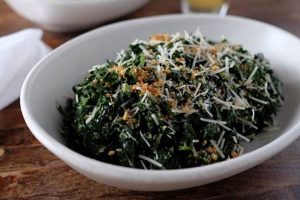
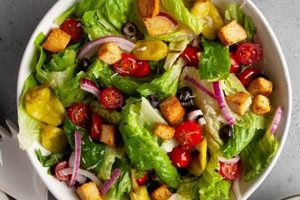
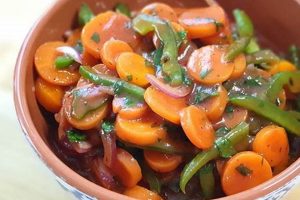
Dishes combining fresh, raw ingredients with diverse dressings and flavors characterize the culinary landscape of salads across the African continent. These recipes often showcase regional produce, grains, legumes, and occasionally proteins, creating vibrant and nutritious meals. Examples include Moroccan carrot salad with cumin and cilantro, Algerian potato salad with olives and harissa, and West African black-eyed pea salad with a palm oil vinaigrette.
The significance of these culinary traditions lies in their adaptability, affordability, and nutritional value. Utilizing readily available, often locally sourced ingredients, these salads contribute to food security while offering a diverse range of vitamins and minerals. Historically, they represent a blend of indigenous knowledge and cultural influences, reflecting trade routes and agricultural practices. They provide valuable insight into regional climates and culinary preferences, serving as a testament to generations of culinary innovation.
Further exploration will showcase specific regional variations, highlighting key ingredients and preparation techniques. The following sections will delve into the unique flavors and cultural contexts of North African, East African, West African, Central African, and Southern African salads, offering a comprehensive overview of this rich culinary heritage.
Tips for Exploring African Salads
Successfully navigating the diverse world of African salads requires an understanding of key ingredients and techniques. These tips offer guidance for both preparation and appreciation of this vibrant culinary tradition.
Tip 1: Embrace Regional Variations: African cuisine varies significantly by region. Research specific areas of interest, such as North African, West African, or East African salads, to understand unique flavor profiles and ingredient combinations.
Tip 2: Prioritize Fresh, Local Produce: Seasonal ingredients are crucial for authentic flavors. Seek out farmers’ markets or specialty grocers for high-quality produce representative of the region being explored.
Tip 3: Experiment with Spices and Herbs: African salads often feature bold flavors. Explore the use of spices like cumin, coriander, ginger, and berbere, as well as fresh herbs like cilantro, parsley, and mint.
Tip 4: Understand the Role of Grains and Legumes: Many African salads incorporate grains like couscous, quinoa, or bulgur, and legumes such as chickpeas, black-eyed peas, or lentils for added texture and nutritional value.
Tip 5: Explore Different Dressing Styles: From simple lemon vinaigrettes to complex spice blends, dressings play a vital role. Research traditional dressing recipes to complement the chosen salad ingredients.
Tip 6: Consider Texture and Flavor Combinations: Balance contrasting textures and flavors for a more complex and satisfying experience. Combine crunchy vegetables with soft grains, and pair spicy elements with cooling herbs or yogurt.
Tip 7: Respect Culinary Traditions: Research the cultural significance of specific ingredients and preparation methods to gain a deeper appreciation for the culinary heritage.
By following these guidelines, one can gain a deeper appreciation for the diverse and flavorful world of African salads, unlocking a culinary experience that is both nutritious and culturally enriching.
This exploration of key tips provides a foundation for understanding the nuances of African salad preparation. The following section will offer a curated selection of recipes to further inspire culinary exploration.
1. Fresh, Seasonal Ingredients

The emphasis on fresh, seasonal ingredients forms a cornerstone of African salad traditions. Availability dictates recipe development, resulting in dishes deeply connected to local environments and agricultural cycles. This connection ensures optimal flavor and nutritional value while minimizing environmental impact.
- Regional Availability:
African climates vary significantly, leading to diverse seasonal produce. North African salads might feature tomatoes, cucumbers, and citrus fruits in the cooler months, while West African salads showcase mangoes, avocados, and leafy greens during their respective seasons. This regional specificity contributes to the unique character of each salad tradition.
- Market-Driven Cuisine:
Traditional African markets play a central role in shaping salad recipes. Chefs and home cooks alike prioritize readily available produce, ensuring freshness and affordability. This market-driven approach fosters culinary creativity within the constraints of seasonal availability.
- Nutritional Value and Flavor:
Produce harvested at its peak offers optimal nutritional content and flavor. Utilizing seasonal ingredients maximizes the vitamin and mineral intake of these salads, contributing to healthy diets. Furthermore, the natural ripeness of in-season produce intensifies the flavors, creating vibrant and satisfying dishes.
- Sustainability and Environmental Impact:
Prioritizing locally sourced, seasonal ingredients reduces transportation needs and supports local farmers. This focus on seasonality minimizes the environmental impact associated with long-distance shipping and storage, promoting a more sustainable food system.
The reliance on fresh, seasonal ingredients in African salads underscores a deep connection between food, culture, and environment. This approach not only results in flavorful and nutritious meals but also reflects a commitment to sustainable practices and a celebration of regional diversity. By understanding the role of seasonality, one can gain a deeper appreciation for the complexities and nuances of African culinary traditions.
2. Regional Variations

Regional variations are fundamental to understanding the diversity within African salads. Geographic location, climate, and cultural influences dictate ingredient availability and culinary practices, resulting in distinct flavor profiles and preparation techniques across the continent. This regional specificity allows for a nuanced exploration of African cuisine, moving beyond generalized notions to appreciate the unique characteristics of each area.
North African salads, for example, often feature ingredients like olives, dates, and citrus fruits, reflecting the Mediterranean climate and historical trade routes. Spices such as cumin, coriander, and harissa paste contribute to the characteristic flavors of the region. In contrast, West African salads might showcase ingredients like peanuts, palm oil, and cassava, highlighting the tropical climate and agricultural practices of the area. Spices like ginger, scotch bonnet peppers, and alligator pepper create distinct flavor profiles. These examples demonstrate how regional variations manifest in ingredient selection and flavor combinations.
Understanding these regional nuances offers practical significance for culinary exploration. Recipes tailored to specific regions provide valuable insight into cultural traditions and historical context. Furthermore, awareness of regional variations allows for more informed ingredient selection and substitution, ensuring authentic flavors and culinary success. Recognizing the interconnectedness of geography, climate, culture, and cuisine enriches the appreciation of African salads as a diverse and dynamic culinary tradition.
3. Spice and Herb Blends

Spice and herb blends are integral to the diverse flavor profiles found in African salads. These blends, often unique to specific regions or ethnic groups, contribute complexity and depth beyond individual components. Their presence signifies more than mere seasoning; they reflect cultural heritage, environmental adaptation, and culinary ingenuity. For example, the North African spice blend ras el hanout, incorporating ingredients like cumin, coriander, turmeric, and cinnamon, lends a warm, aromatic complexity to Moroccan carrot salads. Similarly, the West African use of ginger, garlic, and chili peppers in suya spice creates a fiery, savory dimension in salads featuring grilled meats or roasted vegetables. These examples demonstrate the transformative power of spice blends in shaping distinct regional flavors.
The strategic use of spice and herb blends serves multiple functions beyond flavor enhancement. In warmer climates, certain spices possess antimicrobial properties, contributing to food preservation in the absence of refrigeration. Additionally, specific herbs and spices offer digestive benefits, aiding in the breakdown of complex carbohydrates and proteins often found in legume-rich salads. Furthermore, the distinct aromas and flavors of these blends contribute to the sensory experience of dining, enhancing enjoyment and cultural appreciation. Consider the earthy, pungent notes of berbere spice in Ethiopian lentil salads, or the bright, citrusy flavors imparted by preserved lemons in Tunisian chickpea salads. These sensory details elevate the culinary experience, connecting diners to the cultural context of the dish.
Understanding the role of spice and herb blends is crucial for accurately representing and appreciating the nuances of African salads. Recipes omitting or substituting these key components risk misrepresenting authentic flavors and cultural significance. Careful attention to traditional spice combinations allows for a more profound culinary experience, connecting the act of cooking and eating to broader cultural and historical narratives. This awareness empowers culinary exploration, facilitating a deeper understanding of the diverse regional traditions within African cuisine.
4. Grains and Legumes

Grains and legumes constitute significant components in many African salad recipes, contributing nutritional value, textural diversity, and flavor complexity. Their inclusion reflects agricultural practices, regional dietary staples, and culinary ingenuity across the continent. Understanding their role is crucial for appreciating the multifaceted nature of African salads.
- Nutritional Foundation:
Grains like couscous, millet, and sorghum provide carbohydrates for energy, while legumes such as black-eyed peas, chickpeas, and lentils offer protein and fiber. This combination creates a nutritionally balanced foundation for salads, essential in regions where meat consumption may be less frequent. For example, a West African salad might combine black-eyed peas with bulgur wheat for a complete protein source.
- Textural Enhancement:
Grains and legumes introduce textural variety to salads, contrasting with the crispness of fresh vegetables. Couscous adds a light, fluffy texture, while lentils offer a more substantial, earthy chewiness. This interplay of textures enhances the sensory experience of the dish. Consider a North African salad with chickpeas and chopped cucumbers, showcasing a contrast between creamy and crunchy elements.
- Flavor Absorption and Enhancement:
Grains and legumes readily absorb flavors from dressings and spices, contributing to the overall complexity of the salad. Quinoa, with its mild, nutty flavor, acts as a canvas for bold dressings, while lentils absorb the spices in a tagine-inspired salad. This absorption enhances the flavor profile and creates a cohesive culinary experience.
- Cultural Significance:
Specific grains and legumes hold cultural significance in various African regions. In North Africa, couscous features prominently in celebratory dishes, while black-eyed peas symbolize prosperity in some West African cultures. Their presence in salads reflects these traditions and connects the dish to broader cultural narratives. For instance, serving a couscous salad during a special occasion in Morocco reinforces cultural heritage.
The incorporation of grains and legumes in African salads exemplifies resourcefulness and culinary innovation. These ingredients not only provide essential nutrients and textural diversity but also contribute to the unique flavor profiles and cultural significance of regional dishes. Their presence underscores the connection between agriculture, culinary traditions, and cultural identity across the African continent.
5. Unique Dressing Styles
Dressing styles in African salads contribute significantly to their diverse flavor profiles, reflecting regional preferences, ingredient availability, and cultural influences. These dressings move beyond simple vinaigrettes, often incorporating complex spice blends, fermented ingredients, and unique flavor combinations that elevate the salad from a simple side dish to a culinary centerpiece. Understanding these unique dressing styles is crucial for appreciating the nuances and complexities of African cuisine.
- Citrus and Spice Combinations:
North African salads frequently feature dressings that combine citrus juices, such as lemon or orange, with aromatic spices like cumin, coriander, and paprika. This bright, acidic base complements the flavors of fresh vegetables and herbs while adding a depth of flavor. For instance, a Moroccan carrot salad might be dressed with a lemon-cumin vinaigrette.
- Peanut and Palm Oil Dressings:
West African cuisine often utilizes rich and flavorful dressings based on peanut butter or palm oil. These dressings provide a creamy texture and nutty flavor that complements ingredients like leafy greens, grilled meats, and roasted vegetables. A Ghanaian black-eyed pea salad might feature a peanut-based dressing spiced with ginger and chilies.
- Fermented Flavors:
Several regions incorporate fermented ingredients into salad dressings, adding a unique tangy and complex dimension. For example, Ogiri, a fermented locust bean paste popular in West Africa, adds an umami richness to dressings, while preserved lemons, a staple in North African cuisine, contribute a salty, citrusy complexity. These fermented elements reflect resourcefulness and culinary innovation.
- Herb and Chili Infusions:
Fresh herbs and chilies feature prominently in many African salad dressings, adding vibrancy and depth of flavor. A Zimbabwean tomato and onion salad might be dressed with a simple vinaigrette infused with fresh cilantro and green chilies, providing a refreshing counterpoint to the sweetness of the tomatoes. These simple yet effective combinations highlight the importance of fresh ingredients.
The diversity of dressing styles within African salads underscores the continent’s rich culinary heritage. From the bright citrus notes of North Africa to the earthy, nutty flavors of West Africa, these dressings contribute significantly to the unique character of each regional cuisine. Exploring these variations offers a deeper understanding of the complex interplay between ingredients, flavors, and cultural influences that define African salad traditions.
6. Cultural Significance

Cultural significance plays a vital role in shaping the ingredients, preparation methods, and consumption of salads within African culinary traditions. These dishes often represent more than mere sustenance; they embody cultural identity, historical narratives, and social values. Understanding this connection enriches appreciation for the diverse culinary landscape of the African continent.
Specific ingredients often carry symbolic meaning. For instance, in some West African cultures, black-eyed peas symbolize prosperity and are included in salads during New Year celebrations. Similarly, the use of grains like millet or sorghum in salads can reflect agricultural traditions and regional dietary staples. Preparation methods, such as hand-grinding spices or using traditional mortars and pestles, further connect the dish to ancestral practices. Salads served during specific ceremonies or festivals, like the couscous salads prominent in North African celebrations, reinforce communal bonds and cultural heritage. These examples demonstrate how cultural significance intertwines with culinary practice.
Recognizing the cultural context of African salads offers practical significance for culinary exploration. It fosters respect for culinary heritage and promotes a deeper understanding of the diverse traditions across the continent. Furthermore, awareness of cultural nuances enhances the dining experience, connecting the act of consuming food to broader cultural narratives. This understanding empowers individuals to engage with African cuisine in a more meaningful and informed manner, appreciating not only the flavors but also the rich cultural tapestry they represent.
7. Nutritional Benefits

Nutritional benefits are a key aspect of African salad recipes, reflecting the diverse and nutrient-rich ingredients utilized across the continent. These salads offer a valuable source of vitamins, minerals, fiber, and antioxidants, contributing to healthy diets and overall well-being. Understanding these nutritional advantages provides further insight into the importance of these culinary traditions.
- Vitamin and Mineral Richness
African salads often incorporate a wide array of colorful vegetables and fruits, providing a rich source of essential vitamins and minerals. Leafy greens offer vitamins A and K, while tomatoes contribute vitamin C and lycopene. The inclusion of fruits like mangoes or citrus adds further vitamin C and other antioxidants. These nutrients support immune function, vision health, and overall cellular function.
- Fiber Content and Digestive Health
The inclusion of legumes, whole grains, and vegetables in African salads contributes significant dietary fiber. Fiber promotes healthy digestion, regulates blood sugar levels, and supports gut health. This high fiber content can contribute to satiety, aiding in weight management. For example, black-eyed peas in a West African salad provide both soluble and insoluble fiber.
- Healthy Fats and Antioxidants
Certain African salad recipes incorporate ingredients rich in healthy fats and antioxidants. Avocados offer monounsaturated fats, beneficial for heart health, while nuts and seeds provide polyunsaturated fats and vitamin E. These components, along with the antioxidants found in colorful vegetables, contribute to cellular health and protect against oxidative stress.
- Adaptability for Dietary Needs
The versatility of African salads allows for adaptation to various dietary needs. Vegetarian and vegan options abound, with legumes providing a valuable source of plant-based protein. Gluten-free variations are easily achievable by substituting grains like couscous or bulgur with quinoa or millet. This adaptability makes these salads accessible to a wide range of individuals with diverse dietary requirements.
The nutritional benefits of African salads highlight the importance of these culinary traditions in promoting health and well-being. The combination of fresh, locally sourced ingredients, diverse flavors, and adaptable recipes makes these salads a valuable component of a balanced and nutritious diet. By understanding the nutritional advantages, individuals can further appreciate the significance of these dishes within African culinary culture.
Frequently Asked Questions about African Salads
This section addresses common inquiries regarding the diverse world of African salads, providing clarity and dispelling potential misconceptions.
Question 1: Are all African salads vegetarian?
While many African salads focus on plant-based ingredients, some incorporate meat, poultry, or fish. North African salads might include grilled chicken or lamb, while some West African variations feature smoked fish or beef. The inclusion of animal protein varies by region and specific recipe.
Question 2: Are African salads spicy?
Spice levels vary significantly depending on regional preferences and specific ingredients. North African salads often incorporate warm spices like cumin and coriander, while West African salads might feature chilies like scotch bonnets. However, many milder options exist, utilizing fresh herbs and citrus for flavor.
Question 3: Where can authentic African salad ingredients be found?
Specialty grocery stores, international markets, and online retailers often carry ingredients specific to African cuisine. Farmers’ markets can also provide seasonal produce relevant to certain regions. Substitutions are sometimes possible, but research is recommended to ensure accurate flavor profiles.
Question 4: How are African salads traditionally served?
Serving styles vary by region and occasion. Some salads function as side dishes accompanying main courses, while others constitute complete meals. Salads may be served warm or cold, depending on the recipe. Research specific regional traditions for greater understanding.
Question 5: What are some common misconceptions about African salads?
One common misconception is that African cuisine is monolithic. Significant regional variations exist, resulting in diverse salad traditions. Another misconception is that all African salads are simple. Many involve complex spice blends, fermentation processes, and intricate flavor combinations.
Question 6: How can one learn more about regional variations in African salads?
Cookbooks specializing in African cuisine, online resources, and cultural centers offer valuable information. Engaging with local African communities can provide firsthand knowledge and insights into specific culinary traditions. Culinary tourism also offers experiential learning opportunities.
Addressing these common questions provides a foundation for deeper exploration of African salad traditions. Further research into specific regions and recipes will enhance understanding and appreciation for this diverse culinary landscape.
The following section offers a curated selection of recipes to guide practical exploration of these culinary traditions.
Conclusion
Exploration of regional variations within African salad traditions reveals a complex interplay of ingredients, flavors, and cultural influences. From the spice-infused salads of North Africa to the legume-rich dishes of West Africa, each region showcases unique culinary practices shaped by climate, agriculture, and historical context. The emphasis on fresh, seasonal ingredients underscores a deep connection to the environment, while the incorporation of grains, legumes, and distinctive dressing styles contributes nutritional value and culinary complexity. Recognizing the cultural significance embedded within these dishes enhances appreciation for the diverse heritage they represent.
Further investigation into specific regional recipes and culinary techniques offers continued opportunities for discovery and deeper understanding. The vibrant and evolving nature of African cuisine warrants ongoing exploration, promising a rich culinary journey for those seeking authentic flavors and cultural insights. Preservation and celebration of these diverse culinary traditions remain essential for safeguarding cultural heritage and promoting a more nuanced understanding of African foodways.