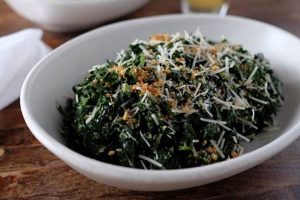
A simple salad inspired by Italian cuisine typically features fresh, readily available ingredients like crisp lettuce, ripe tomatoes, cucumbers, bell peppers, red onion, and olives. Often topped with a basic vinaigrette of olive oil, vinegar, and seasonings like oregano, basil, garlic, salt, and pepper, this type of salad offers a refreshing and flavorful accompaniment to various meals. Variations may incorporate ingredients such as artichoke hearts, pepperoncini, or chickpeas. A foundational element of the Mediterranean diet, it exemplifies the emphasis on fresh produce and simple, healthy preparations.
Such salads provide a convenient and nutritious option for quick meals and gatherings. The emphasis on fresh vegetables contributes valuable vitamins, minerals, and fiber to the diet. The customizable nature of the dish allows for adjustments to personal preferences and dietary needs, making it a versatile choice for a wide range of individuals. Historically, similar salads have been enjoyed for centuries in Italy, reflecting the region’s abundant agricultural resources and culinary traditions. Their enduring popularity speaks to their refreshing simplicity and adaptability.
The following sections will explore variations on this theme, offering guidance on ingredient selection, preparation techniques, and dressing options. Nutritional information and tips for maximizing flavor will also be discussed.
Tips for a Delicious Italian-Inspired Salad
Creating a vibrant and flavorful salad requires attention to detail and an understanding of ingredient combinations. The following tips provide guidance for achieving optimal results.
Tip 1: Use High-Quality Olive Oil: The foundation of a good Italian-style dressing is extra virgin olive oil. Opt for a robust, flavorful oil to enhance the overall taste.
Tip 2: Season Ingredients Individually: Rather than just seasoning the entire salad, season individual components like tomatoes and onions separately to maximize their flavor profiles.
Tip 3: Add Fresh Herbs: Fresh herbs like basil, oregano, or parsley elevate the salad’s aroma and taste. Add them just before serving to preserve their vibrancy.
Tip 4: Don’t Overcrowd the Bowl: Avoid overcrowding the salad bowl, which can bruise delicate greens. Toss gently to combine ingredients without compacting them.
Tip 5: Balance Flavors: Achieve a harmonious balance of flavors by incorporating sweet, salty, acidic, and bitter elements. Consider adding a touch of sweetness with balsamic glaze or a hint of bitterness with pepperoncini.
Tip 6: Use Freshly Cracked Black Pepper: Freshly cracked black pepper adds a more pronounced and complex flavor compared to pre-ground pepper.
Tip 7: Allow Ingredients to Come to Room Temperature: Letting refrigerated ingredients like tomatoes and cucumbers come to room temperature before assembling the salad enhances their flavor and texture.
By following these suggestions, one can ensure a flavorful and enjoyable culinary experience. Attention to these details elevates the salad from simple to exceptional.
The insights provided in this guide offer a comprehensive foundation for creating a delightful Italian-inspired salad. Experimentation with different ingredient combinations and dressings allows for personalized variations.
1. Fresh, High-Quality Ingredients
The success of an easy Italian salad hinges directly on the quality of its ingredients. Fresh, ripe produce provides the foundation of flavor, texture, and overall enjoyment. The inherent simplicity of the dish amplifies the importance of each component. Subpar ingredients cannot be masked by complex sauces or cooking techniques. For example, a bland, out-of-season tomato will detract significantly from the salad’s taste, whereas a vine-ripened, locally sourced tomato will contribute vibrant sweetness and juiciness. Similarly, wilted lettuce will create an unpleasant textural experience, while crisp, fresh greens offer a satisfying crunch.
This principle extends to all elements of the salad. High-quality olive oil provides a nuanced flavor profile that complements the fresh vegetables. Freshly cracked black pepper offers a more robust aroma and taste compared to pre-ground pepper. Even the simplest ingredients, like salt, benefit from careful selection; sea salt or kosher salt often offer a cleaner, brighter salinity compared to standard table salt. The practical significance of prioritizing ingredient quality becomes immediately apparent in the final product. A salad constructed with fresh, vibrant ingredients will be noticeably more appealing and flavorful.
Prioritizing fresh, high-quality ingredients elevates a simple Italian salad from ordinary to exceptional. While convenience may tempt one to utilize subpar produce or pre-packaged dressings, the difference in the final result is undeniable. The investment in quality yields a significantly more rewarding culinary experience, underscoring the essential connection between ingredient quality and the overall success of this straightforward dish.
2. Simple Vinaigrette
A simple vinaigrette is integral to an easy Italian salad recipe, serving as a crucial bridge between individual ingredients, unifying their flavors into a cohesive whole. The vinaigrette’s simplicity is key; it allows the fresh, high-quality ingredients to shine without being masked by overly complex flavors. A basic vinaigrette, typically composed of olive oil, vinegar, and seasonings, provides a bright, acidic counterpoint to the sweetness of ripe tomatoes and the subtle bitterness of greens. This balance is essential for a successful Italian salad. Imagine a salad composed of excellent tomatoes, cucumbers, and onions, but dressed with a heavy, creamy dressing. The fresh flavors would be obscured, the overall effect muddied. The simple vinaigrette, in contrast, enhances the natural flavors of the ingredients.
The practical application of this principle is straightforward. One might utilize a 3:1 ratio of olive oil to red wine vinegar, whisking in a pinch of dried oregano, salt, and freshly cracked black pepper. This uncomplicated dressing provides a balanced flavor profile, allowing the inherent qualities of the fresh produce to take center stage. Furthermore, the simplicity of the vinaigrette contributes to the “easy” aspect of the recipe. It requires minimal ingredients and preparation time, aligning perfectly with the goal of a quick, refreshing meal. One can easily adjust the vinaigrette’s acidity and flavor profile by experimenting with different types of vinegar, such as balsamic or white wine vinegar, or by incorporating additional herbs like basil or thyme.
The connection between a simple vinaigrette and an easy Italian salad recipe is thus fundamental. The vinaigrette’s uncomplicated nature enhances rather than masks the flavors of fresh, high-quality ingredients, creating a balanced and harmonious culinary experience. This understanding empowers individuals to create delicious, healthy salads with minimal effort, demonstrating the significant impact of thoughtful ingredient selection and preparation. The simplicity of the vinaigrette is not a limitation, but rather a strength, enabling the creation of a dish that is both easy to prepare and deeply satisfying.
3. Crisp Lettuce

Crisp lettuce forms the textural and structural foundation of an easy Italian salad. Its refreshing crunch offers a counterpoint to the softer textures of other ingredients like tomatoes and cucumbers. This textural contrast is essential for a balanced sensory experience. Imagine a salad composed solely of soft, yielding ingredients; the absence of a contrasting texture would create a less appealing, potentially monotonous experience. Crisp lettuce provides this necessary textural diversity. Romaine, with its sturdy leaves and satisfying crunch, exemplifies a suitable choice. Butter lettuce, while delicate and flavorful, might not hold up as well under the weight of other ingredients and dressing, potentially becoming wilted and soggy. The choice of lettuce directly impacts the overall enjoyment of the salad.
Furthermore, the structural integrity of crisp lettuce is crucial. It creates a bed for the other ingredients, preventing them from becoming compacted at the bottom of the bowl. This ensures an even distribution of flavors and textures throughout each bite. Consider the practical implications: a bed of wilted lettuce would result in a salad where the dressing pools at the bottom, leaving the upper ingredients dry and the lower ingredients overly saturated. Crisp lettuce mitigates this issue, facilitating an even distribution of dressing and a more harmonious blend of flavors. This structural role contributes significantly to the ease of preparation and consumption, aligning with the “easy” aspect of the recipe. Choosing a lettuce variety like romaine, with its robust leaves, ensures the salad maintains its structural integrity, even after being dressed and tossed.
The connection between crisp lettuce and an easy Italian salad recipe is therefore multifaceted, impacting both the textural complexity and the structural integrity of the dish. Selecting an appropriate lettuce variety, such as romaine, ensures a balanced and enjoyable culinary experience. This seemingly simple choice has significant practical implications, underscoring the attention to detail required for creating even the simplest of dishes. The crispness of the lettuce contributes significantly to the overall freshness and appeal of the salad, ultimately determining its success.
4. Ripe Tomatoes

Ripe tomatoes constitute an essential element of an easy Italian salad, contributing significantly to its flavor profile, visual appeal, and overall culinary success. Their sweetness and juiciness provide a crucial balance to the other ingredients, while their vibrant color enhances the salad’s aesthetic presentation. Understanding the role of ripe tomatoes in this context illuminates their importance in achieving a simple yet satisfying dish.
- Flavor Contribution
Ripe tomatoes offer a burst of sweetness and umami that complements the other ingredients in an Italian salad. The natural acidity of tomatoes also provides balance to the richness of the olive oil and the potential bitterness of certain greens. Consider the difference between a pale, out-of-season tomato and a deep red, vine-ripened tomato. The latter, bursting with flavor, elevates the salad significantly, whereas the former adds little more than texture. This distinction highlights the critical importance of selecting ripe, flavorful tomatoes for optimal results. The sweetness of the tomato interacts harmoniously with the peppery notes of the arugula and the tanginess of the vinaigrette, creating a complex and balanced flavor profile.
- Visual Appeal
The vibrant red hue of ripe tomatoes contributes significantly to the visual appeal of an Italian salad, adding a pop of color that entices the appetite. This visual element plays a crucial role in the overall dining experience, enhancing the perceived freshness and palatability of the dish. A salad composed solely of green ingredients, while potentially nutritious, may appear less visually appealing. The inclusion of ripe, red tomatoes adds a dimension of visual interest, making the salad more attractive and inviting. This visual element is especially important in a simple salad where the aesthetic presentation relies heavily on the natural colors of the ingredients.
- Textural Contrast
The soft, yielding texture of ripe tomatoes offers a pleasing contrast to the crispness of the lettuce and other vegetables in an Italian salad. This textural diversity enhances the sensory experience, making each bite more interesting and enjoyable. Imagine a salad composed solely of crunchy ingredients. While the crunch might be initially satisfying, it could quickly become monotonous. The inclusion of soft, juicy tomatoes adds a textural dimension that prevents this monotony. The interplay of crisp and soft textures elevates the salad beyond a simple combination of ingredients to a more complex and engaging culinary experience.
- Nutritional Value
Beyond their flavor and aesthetic contributions, ripe tomatoes provide essential nutrients, aligning with the health-conscious nature of many Italian-inspired salads. They are a good source of vitamins A and C, as well as the antioxidant lycopene, which has been linked to various health benefits. This nutritional component enhances the overall value of the salad, making it not only a delicious but also a healthful choice. Incorporating ripe tomatoes into a simple salad contributes valuable micronutrients without requiring complex preparation or cooking methods, further reinforcing the “easy” aspect of the recipe.
The convergence of these facetsflavor, visual appeal, textural contrast, and nutritional valueunderscores the significance of ripe tomatoes within an easy Italian salad recipe. Their presence elevates the dish from a simple combination of ingredients to a balanced, flavorful, and visually appealing culinary experience. The selection of ripe, high-quality tomatoes is therefore not merely a suggestion but a critical step in achieving a truly successful and satisfying Italian salad.
5. Aromatic Herbs

Aromatic herbs constitute a defining element of an easy Italian salad recipe, contributing depth, complexity, and a distinctive Mediterranean character. Their presence elevates the salad beyond a simple combination of vegetables, transforming it into a vibrant sensory experience. Fresh herbs provide a crucial aromatic dimension, stimulating the olfactory senses and enhancing the overall enjoyment of the dish. This aromatic contribution distinguishes an Italian-inspired salad from other simple salad variations. Consider the difference between a salad dressed solely with oil and vinegar and one infused with the fragrant notes of fresh basil or oregano. The latter offers a more complex and nuanced flavor profile, demonstrating the transformative power of aromatic herbs.
Specific herbs commonly associated with Italian cuisine, such as basil, oregano, and parsley, contribute distinct flavor profiles. Basil imparts a sweet, slightly peppery aroma, while oregano offers a more pungent, earthy note. Parsley, with its clean, fresh taste, provides a balancing element. The strategic use of these herbs can significantly enhance the complexity of the salad. For example, a combination of basil and oregano creates a classic Italian flavor profile, while the addition of parsley adds a refreshing counterpoint. Furthermore, the quantity of herbs used influences the final outcome. A light sprinkle of oregano might provide a subtle background note, while a more generous amount creates a bolder, more assertive flavor. This flexibility allows for customization based on individual preferences and the specific ingredients in the salad.
The integration of aromatic herbs into an easy Italian salad recipe offers significant practical advantages. Fresh herbs can be easily incorporated, requiring minimal preparation. Chopping fresh basil or sprinkling dried oregano takes mere seconds yet significantly impacts the final result. This ease of use aligns perfectly with the concept of an “easy” recipe, demonstrating that impactful flavor enhancements do not necessitate complex procedures. Furthermore, the use of fresh herbs contributes to the overall freshness and vibrancy of the salad, reinforcing its healthy and appealing qualities. Understanding the role and impact of aromatic herbs empowers individuals to create flavorful, aromatic salads with minimal effort, underscoring the essential connection between simple ingredients and exceptional culinary experiences. This knowledge transforms the act of making a salad from a perfunctory task to an opportunity for culinary creativity.
6. Optional additions (olives, cheese)
Optional additions, such as olives and cheese, provide opportunities to personalize an easy Italian salad recipe, expanding its flavor profile and textural complexity. While not essential to the core concept of the salad, these additions offer avenues for customization, catering to individual preferences and dietary needs. Understanding the roles and implications of these optional components enhances one’s ability to create a truly satisfying and personalized culinary experience.
- Olives
Olives contribute a salty, briny, and sometimes slightly bitter flavor dimension to an Italian salad. Different olive varieties, such as Kalamata, Castelvetrano, or Cerignola, offer distinct flavor profiles, ranging from intensely salty to buttery and mild. Kalamata olives, for instance, introduce a robust, briny character, while Castelvetrano olives offer a milder, nuttier flavor. This variety allows individuals to tailor the salad to their specific taste preferences. Furthermore, the textural contrast provided by olives, with their firm yet yielding texture, enhances the overall sensory experience of the salad.
- Cheese
Cheese introduces a creamy, savory element, enriching the flavor profile and adding another layer of textural complexity. Fresh mozzarella, with its delicate milky flavor and soft texture, complements the fresh vegetables beautifully. Parmesan, with its sharp, nutty notes and hard texture, provides a bolder counterpoint. Provolone, offering a slightly smoky flavor and semi-hard texture, represents another compelling option. The choice of cheese depends on individual preferences and the desired intensity of flavor. Crumbled feta, with its tangy, salty character, presents yet another possibility, potentially aligning with specific regional variations of Italian-inspired salads.
- Other Savory Additions
Beyond olives and cheese, other savory additions can further personalize an Italian salad. Artichoke hearts, marinated mushrooms, roasted red peppers, or pepperoncini offer distinct flavor profiles and textural elements. Artichoke hearts provide a slightly tangy and vegetal note, while marinated mushrooms contribute an earthy richness. Roasted red peppers introduce a smoky sweetness, and pepperoncini add a touch of heat and tang. These additions allow for a wide range of flavor combinations, enabling individuals to create unique and personalized salads.
- Balancing Flavors and Textures
The strategic selection and combination of optional additions can significantly impact the overall balance and complexity of the salad. Adding both salty olives and creamy cheese might create an overly rich experience. Incorporating a combination of olives, artichoke hearts, and a sprinkle of parmesan, however, could offer a more balanced and nuanced flavor profile. Careful consideration of the interplay of flavors and textures among these optional additions is essential for creating a harmonious and satisfying salad.
The inclusion of optional additions like olives and cheese allows for a high degree of personalization within the framework of an easy Italian salad recipe. These additions enhance the flavor profile, textural complexity, and overall enjoyment of the salad, demonstrating that simplicity does not necessitate a lack of variety or depth. By understanding the specific contributions of each optional ingredient, individuals can create customized salads that cater to their unique preferences, elevating a simple dish to a truly personalized culinary experience. This flexibility makes the easy Italian salad a versatile and adaptable option for various occasions and individual tastes.
7. Easy Preparation
Ease of preparation is a defining characteristic of the easy Italian salad recipe, directly influencing its appeal and practicality. This attribute distinguishes it from more complex salad variations, making it a convenient and accessible option for everyday meals and casual gatherings. The following facets illustrate how simplified preparation methods contribute to the recipe’s overall “easiness.”
- Minimal Pre-Preparation Requirements
The recipe typically requires minimal pre-preparation, relying primarily on fresh, readily available ingredients. Washing and chopping vegetables constitute the bulk of the preparation process, eliminating the need for elaborate cooking techniques or specialized equipment. This simplicity contributes to the recipe’s accessibility, making it suitable for individuals with limited cooking experience or time constraints. For example, using pre-washed salad mixes further streamlines the process, reducing preparation time significantly. This aspect differentiates the easy Italian salad from more complex salads that might involve marinating, roasting, or grilling ingredients, thus requiring more advanced culinary skills and time investment.
- Quick Assembly
The assembly of the salad is inherently straightforward. Once the vegetables are washed and chopped, they are simply combined in a bowl and tossed with the vinaigrette. This rapid assembly process reinforces the recipe’s convenience, making it an ideal choice for quick lunches, weeknight dinners, or impromptu gatherings. The absence of intricate layering, specific ingredient arrangements, or complex plating techniques further simplifies the process, allowing for a quick and efficient creation of a visually appealing and flavorful salad.
- Adaptability and Flexibility
The easy Italian salad recipe offers inherent adaptability, accommodating ingredient substitutions and variations based on individual preferences and available resources. The absence of rigid ingredient requirements allows for flexibility, enabling individuals to utilize whatever fresh produce they have on hand. This adaptability extends to the vinaigrette as well; variations in the type of vinegar or the addition of herbs can easily be incorporated without compromising the fundamental simplicity of the recipe. This flexibility distinguishes the easy Italian salad from recipes with precise ingredient lists and specific preparation instructions, where deviations can significantly impact the final outcome.
- Minimal Cleanup
The straightforward preparation process translates to minimal cleanup, further enhancing the recipe’s convenience. The use of minimal equipment and the absence of complex cooking techniques reduce the number of dishes and utensils required, streamlining the post-meal cleanup process. This aspect contributes to the recipe’s overall practicality, making it an appealing option for busy individuals seeking to minimize kitchen workload. The easy cleanup also makes the Italian salad suitable for outdoor gatherings or picnics, where dishwashing facilities might be limited.
The convergence of these facetsminimal pre-preparation requirements, quick assembly, adaptability, and minimal cleanupunderscores the emphasis on ease of preparation within the easy Italian salad recipe. This focus on simplicity distinguishes it from more complex salad variations, making it a practical and accessible option for a wide range of individuals and occasions. The ease of preparation, combined with the use of fresh, flavorful ingredients, results in a dish that is both convenient and satisfying, exemplifying the potential for culinary excellence within the realm of simple, everyday meals.
Frequently Asked Questions
This section addresses common inquiries regarding easy Italian salad recipes, providing concise and informative responses.
Question 1: Can pre-washed salad mixes be used?
Pre-washed salad mixes offer convenience and are perfectly acceptable. However, inspect the mix for any wilted or damaged leaves before use. Consider adding additional greens, such as romaine or arugula, for enhanced texture and flavor complexity.
Question 2: What type of vinegar is best suited for the vinaigrette?
Red wine vinegar is a classic choice, providing a balanced acidity. White wine vinegar offers a milder, slightly sweeter alternative. Balsamic vinegar adds a richer, more complex flavor profile. Experimentation with different vinegars is encouraged to discover personal preferences.
Question 3: Can dried herbs be substituted for fresh herbs?
While fresh herbs offer optimal flavor, dried herbs can be substituted in a pinch. Use approximately one-third the amount of dried herbs compared to fresh. Ensure the dried herbs are not past their expiration date, as this significantly impacts their potency and flavor.
Question 4: How long can the salad be stored in the refrigerator?
It is best to consume the salad immediately after preparation for optimal texture and flavor. If storage is necessary, store the salad without the dressing and add it just before serving. Refrigerated storage beyond 24 hours is not recommended.
Question 5: How can one adapt the recipe for dietary restrictions, such as veganism?
Omitting cheese easily creates a vegan-friendly version. Nutritional yeast can provide a cheesy flavor alternative. Ensure all other ingredients, such as the vinaigrette, align with vegan dietary guidelines.
Question 6: What are some suitable additions beyond olives and cheese?
Roasted red peppers, artichoke hearts, pepperoncini, chickpeas, sun-dried tomatoes, and marinated mushrooms can further enhance the salad’s flavor and nutritional profile. These additions offer diverse flavors and textures, providing opportunities for customization and exploration.
Understanding these common inquiries allows for greater flexibility and confidence in preparing an easy Italian salad. Adapting the recipe to suit personal preferences and dietary needs ensures a consistently satisfying and enjoyable culinary experience.
The following section offers a collection of easy Italian salad recipe variations, providing further inspiration and guidance.
Easy Italian Salad Recipe
Exploration of the easy Italian salad recipe reveals a dish characterized by simplicity, adaptability, and fresh, vibrant flavors. High-quality ingredients, including crisp lettuce, ripe tomatoes, and a simple vinaigrette, form the foundation of this culinary staple. Aromatic herbs and optional additions, such as olives and cheese, provide opportunities for customization and flavor expansion. The ease of preparation makes this recipe a practical choice for various occasions, from everyday meals to casual gatherings. An understanding of ingredient selection, vinaigrette preparation, and optional additions empowers culinary exploration within this seemingly simple framework. The inherent adaptability of the recipe allows for variations to accommodate individual preferences and dietary requirements.
The enduring appeal of the easy Italian salad recipe lies in its balance of simplicity and flavor. Continued exploration of ingredient combinations and regional variations offers opportunities for culinary discovery. This seemingly simple dish embodies the potential for culinary excellence through careful selection and preparation of fresh, high-quality ingredients. Appreciation for the nuanced interplay of flavors and textures within the easy Italian salad recipe elevates it beyond a mere side dish to a celebration of fresh, seasonal ingredients.