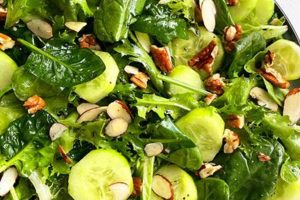
Simple versions of this classic salad typically involve readily available ingredients and streamlined preparation methods. For example, a simplified Caesar might use pre-washed romaine lettuce, bottled dressing, and croutons, omitting traditional steps like coddling eggs for the dressing or making croutons from scratch. These adaptations allow for quick assembly, making the salad accessible for weeknight meals or casual gatherings.
Accessible Caesar salad variations offer convenience without sacrificing flavor. They introduce a beloved dish to a broader audience, including those with limited cooking experience or time. While the original Caesar salad, created in Tijuana, Mexico, in the 1920s, involved a more complex preparation, simplified versions maintain the core elements of romaine lettuce, Parmesan cheese, and a creamy, savory dressing. This democratization of the recipe allows more people to enjoy the vibrant flavors and satisfying textures of the Caesar salad.
The following sections will explore specific ingredient choices, preparation techniques, and serving suggestions for creating delicious and effortless Caesar salads. Variations will be presented to accommodate different dietary needs and preferences, showcasing the versatility of this adaptable dish.
Tips for Simplified Caesar Salad Preparation
Streamlining the Caesar salad creation process allows for efficient preparation without compromising flavor. These tips offer guidance on optimizing ingredients and techniques for a consistently satisfying result.
Tip 1: Romaine Selection and Preparation: Opt for crisp, dark green romaine hearts. Thoroughly wash and dry the leaves to prevent a watery salad. Larger leaves can be torn into bite-sized pieces; smaller leaves can be left whole.
Tip 2: Dressing Efficiency: High-quality store-bought Caesar dressings offer a convenient alternative to homemade versions. Consider using dressings with reduced fat or sodium content for a healthier option.
Tip 3: Crouton Considerations: Pre-made croutons save time and effort. Crunchy, seasoned varieties complement the creamy dressing and crisp lettuce. Alternatively, day-old bread can be quickly toasted and cubed for a homemade touch.
Tip 4: Parmesan Simplicity: Grated Parmesan cheese offers convenience. Look for finely grated options to ensure even distribution throughout the salad.
Tip 5: Protein Additions: Grilled chicken breast, salmon, or shrimp elevate the salad into a more substantial meal. Pre-cooked or leftover proteins further simplify preparation.
Tip 6: Flavor Enhancement: A squeeze of fresh lemon juice can brighten the flavors of the salad. Freshly cracked black pepper adds a subtle layer of complexity.
Tip 7: Assembly and Serving: Add the dressing just before serving to prevent the lettuce from wilting. Toss gently to coat the ingredients evenly. Serve immediately for optimal freshness and texture.
Employing these strategies results in a delicious and convenient Caesar salad experience. Adaptability remains key; these tips serve as a foundation for personalized variations based on individual preferences and dietary needs.
By understanding the core elements and employing efficient techniques, one can consistently create a satisfying and enjoyable Caesar salad experience with minimal effort.
1. Simple Ingredients

The ease of a Caesar salad recipe directly correlates with the simplicity of its ingredients. Recipes emphasizing readily available components minimize preparation time and complexity. For example, using pre-washed romaine lettuce eliminates the need for washing and drying, while bottled Caesar dressing bypasses the multi-step process of creating a dressing from scratch. Pre-made croutons further streamline the process. This reliance on simple ingredients allows for quick assembly, making the salad a practical option for busy schedules or impromptu meals.
Furthermore, the accessibility of simple ingredients democratizes the Caesar salad, making it achievable for individuals with varying culinary skill levels. Using common pantry staples or readily available grocery items eliminates the need for specialized ingredients or equipment. This accessibility expands the potential audience for the recipe, promoting wider enjoyment of this classic dish. The choice of simple ingredients also often translates to cost-effectiveness, making the salad a budget-friendly meal option.
In summary, simple ingredients form the cornerstone of easy Caesar salad recipes. Their availability, ease of use, and affordability contribute significantly to the recipe’s convenience and accessibility. While variations exist, the core principle remains: streamlined ingredients lead to streamlined preparation. Understanding this connection allows for efficient meal planning and expands culinary possibilities for a wider range of individuals.
2. Quick Preparation

Quick preparation forms a central pillar of easy Caesar salad recipes. The time investment required directly influences a recipe’s accessibility and practicality. Simplified versions prioritize efficiency by minimizing active preparation steps. For instance, pre-washed and chopped romaine lettuce eliminates the need for washing, drying, and chopping, significantly reducing preparation time. Similarly, utilizing pre-made croutons and bottled dressing streamlines the process, allowing for rapid assembly.
The emphasis on quick preparation caters to contemporary lifestyles often characterized by limited time for meal preparation. A rapidly assembled salad becomes a viable option for weeknight dinners, quick lunches, or impromptu gatherings. This speed and convenience broaden the appeal of the Caesar salad beyond traditional settings, making it a practical choice for busy individuals or families. Furthermore, the reduced preparation time minimizes the perceived effort associated with cooking, potentially encouraging more frequent consumption of fresh salads and contributing to healthier dietary choices. For example, a Caesar salad can be assembled in under 10 minutes using pre-prepared ingredients, compared to the 30 minutes or more required for a traditional version involving homemade dressing and croutons.
In conclusion, the connection between quick preparation and easy Caesar salad recipes is fundamental. Prioritizing speed and efficiency through ingredient selection and streamlined techniques enhances the recipe’s practicality and accessibility. This allows the Caesar salad to fit seamlessly into modern life’s demands, promoting healthier eating habits without sacrificing flavor or enjoyment. This understanding empowers individuals to incorporate fresh, nutritious meals into their routines even with limited time availability.
3. Adaptable Flavors
Adaptable flavors represent a key advantage of easy Caesar salad recipes, transforming a classic dish into a versatile culinary canvas. This adaptability stems from the salad’s simple core structure, allowing for ingredient variations and flavor modifications without compromising the fundamental character of the dish. Exploring this adaptability reveals the potential for personalized Caesar salads tailored to individual preferences and dietary needs.
- Ingredient Swaps
Ingredient substitutions offer a primary avenue for flavor adaptation. Traditional romaine lettuce can be complemented or replaced with other greens like kale or spinach, introducing subtle flavor shifts and textural variations. Different cheeses, such as Asiago or Pecorino Romano, can replace or augment Parmesan, offering sharper or nuttier notes. These ingredient swaps allow for customization based on preference and ingredient availability, expanding the culinary possibilities of the Caesar salad. For example, using smoked salmon instead of grilled chicken introduces a smoky, savory dimension, while roasted chickpeas offer a plant-based protein alternative with a distinct nutty flavor.
- Dressing Variations
The dressing serves as a significant flavor driver in a Caesar salad. While classic Caesar dressing provides a creamy, tangy foundation, variations abound. Adding ingredients like roasted garlic, Dijon mustard, or anchovy paste to bottled dressings can introduce nuanced flavor complexities. Alternatively, exploring different dressing styles, such as a lighter vinaigrette or a creamy avocado-based dressing, can dramatically alter the overall flavor profile. These variations allow for a broader spectrum of taste experiences, ranging from traditional to innovative. A lemon-herb vinaigrette, for example, offers a brighter, more herbaceous counterpoint to the richness of the cheese and croutons.
- Additions and Toppings
Incorporating various additions and toppings further enhances the adaptability of easy Caesar salads. Grilled chicken, shrimp, or tofu provide substantial protein options, while additions like avocado, cherry tomatoes, or roasted vegetables introduce complementary flavors and textures. Toppings such as toasted nuts, seeds, or dried cranberries offer textural contrasts and subtle flavor nuances. These additions transform the salad from a side dish to a complete meal, increasing its nutritional value and expanding its culinary appeal. For instance, adding crispy bacon bits introduces a smoky, salty element, while toasted pine nuts contribute a delicate nutty flavor and satisfying crunch.
- Spice and Herb Integration
Integrating spices and herbs provides another layer of flavor customization. A dash of smoked paprika adds a smoky depth, while fresh herbs like dill or chives introduce bright, herbaceous notes. Incorporating spices and herbs allows for tailored flavor profiles, aligning the salad with specific cuisine preferences or dietary restrictions. For example, using a blend of Italian herbs evokes Mediterranean flavors, while a sprinkle of chili flakes adds a spicy kick. These subtle yet impactful additions further exemplify the adaptability of the Caesar salad, allowing for creative exploration and personalized taste experiences.
In summary, the adaptability of easy Caesar salad recipes extends beyond simple convenience. It offers a platform for culinary creativity, allowing for personalized variations that cater to individual preferences and dietary needs. By embracing ingredient swaps, dressing variations, additions, and spice/herb integration, individuals can transform a classic dish into a unique culinary expression, enhancing both flavor and nutritional value. This adaptability ensures that the Caesar salad remains a relevant and enjoyable dish, capable of satisfying a wide range of palates and dietary requirements.
4. Minimal Cleanup

Minimal cleanup contributes significantly to the “easy” aspect of Caesar salad recipes. The ease of post-meal cleanup directly impacts the overall convenience of a recipe, particularly for weeknight meals or casual dining. Simplified Caesar salad recipes often minimize cleanup through strategic ingredient choices and preparation methods. Using pre-washed and pre-chopped romaine lettuce eliminates the need to wash and chop, reducing both preparation time and the number of dishes used. Similarly, employing bottled dressings eliminates the need for whisks, bowls, and measuring tools associated with homemade dressings. Choosing pre-made croutons further contributes to this efficiency.
The impact of minimal cleanup extends beyond mere convenience. Reduced dishwashing translates to water conservation and decreased use of cleaning agents, aligning with environmentally conscious practices. This aspect also contributes to the overall appeal of easy Caesar salads, making them a practical choice for individuals seeking to minimize time spent on kitchen chores. For example, preparing a Caesar salad with pre-washed ingredients and bottled dressing may only require a single serving bowl and utensils, significantly reducing cleanup compared to a more complex version involving homemade components.
In conclusion, minimal cleanup represents a crucial component of easy Caesar salad recipes. Streamlined ingredient choices and preparation methods minimize dishwashing and contribute to overall convenience. This efficiency not only saves time and effort but also aligns with sustainable practices. Understanding this connection reinforces the practicality and appeal of simplified Caesar salad recipes, making them an attractive option for individuals seeking efficient and enjoyable meal solutions.
5. Satisfying Results

Satisfying results represent a critical component of easy Caesar salad recipes, demonstrating that convenience does not necessitate compromise on flavor or enjoyment. The perceived satisfaction derived from a meal influences future food choices and contributes significantly to overall dietary habits. Easy Caesar salad recipes strive to deliver a pleasurable culinary experience despite simplified preparation methods. This outcome hinges on several factors: the quality of ingredients, the balance of flavors, and the overall textural experience.
The selection of fresh, high-quality ingredients directly impacts the final result. Crisp romaine lettuce, flavorful dressing, and crunchy croutons contribute to a satisfying textural and flavor profile. A well-balanced Caesar salad features a harmonious interplay of creamy, tangy, salty, and savory elements, creating a complex and enjoyable taste experience. The portion size also plays a role in satisfaction; an adequately sized salad provides a feeling of fullness and contentment. For example, a simple Caesar salad made with fresh romaine hearts, a high-quality bottled dressing, and crunchy homemade croutons can deliver a surprisingly satisfying and flavorful experience despite minimal preparation time.
The practical significance of achieving satisfying results with easy Caesar salad recipes is multifaceted. Consistently positive experiences encourage the incorporation of salads into regular meal rotations, contributing to healthier eating patterns. The ease of preparation further reinforces this habit, reducing barriers to healthy food choices. Moreover, achieving satisfying results with simplified recipes can inspire culinary confidence, encouraging individuals to explore other simple yet flavorful dishes. This connection between ease of preparation and satisfying outcomes underscores the potential of easy Caesar salad recipes to promote both enjoyment and nutritional well-being. The ability to create a delicious and satisfying meal with minimal effort empowers individuals to prioritize healthy eating without sacrificing flavor or enjoyment, contributing to a more positive and sustainable relationship with food.
Frequently Asked Questions about Easy Caesar Salad Recipes
This section addresses common inquiries regarding the preparation and adaptation of simplified Caesar salads.
Question 1: Can pre-made Caesar dressing truly replicate the flavor of homemade versions?
While homemade dressings offer greater control over ingredients and flavor profiles, high-quality pre-made options can provide comparable flavor experiences, particularly in simplified recipes. The convenience factor often outweighs minor flavor variations for those prioritizing speed and ease of preparation.
Question 2: How can wilting be prevented when using pre-washed lettuce?
Ensuring the lettuce is thoroughly dried after washing and storing it properly in a refrigerator crisper drawer helps maintain crispness. Adding the dressing immediately before serving prevents the leaves from becoming soggy.
Question 3: What alternatives exist for croutons to accommodate gluten-free diets?
Gluten-free croutons are commercially available. Alternatively, homemade croutons can be prepared using gluten-free bread. Other options include roasted chickpeas, toasted nuts, or seeds for added texture and flavor.
Question 4: Can nutritional value be maintained in simplified Caesar salads?
Nutritional content can be optimized by choosing dressings with lower fat and sodium content and incorporating additional vegetables like bell peppers or cucumbers. Adding lean protein sources such as grilled chicken or fish further enhances nutritional value.
Question 5: How can easy Caesar salad recipes be adapted for vegetarian or vegan diets?
Substituting traditional Caesar dressing with a vegan Caesar dressing readily achieves vegetarian and vegan adaptations. Adding plant-based protein sources like tofu, tempeh, or beans further enhances these variations. Omitting anchovies from the dressing or using a vegan Worcestershire sauce ensures vegan compliance.
Question 6: How can portion sizes be adjusted for individual needs?
Portion control relies on managing the quantities of ingredients used, particularly lettuce, dressing, and protein additions. Recipes can be scaled proportionally based on individual caloric or nutritional requirements. Using smaller plates or bowls can also aid in visual portion control.
By understanding the principles behind easy Caesar salad recipes and addressing common concerns, individuals can confidently adapt and enjoy this versatile dish while meeting specific dietary needs and preferences.
This next section will delve into specific recipe variations showcasing the adaptability of the Caesar salad.
Easy Caesar Salad Recipes
Exploration of easy Caesar salad recipes reveals the potential for culinary efficiency without compromising flavor or satisfaction. Streamlined ingredient choices, focusing on readily available components like pre-washed lettuce and bottled dressings, minimize preparation time and effort. Adaptability remains a defining characteristic, allowing for personalized variations through ingredient substitutions, dressing modifications, and additions of proteins or vegetables. Minimal cleanup further enhances the convenience factor, aligning with contemporary lifestyles often characterized by limited time availability.
The accessibility of easy Caesar salad recipes broadens culinary possibilities for individuals with varying skill levels and dietary preferences. Achieving satisfying results with minimal effort encourages the adoption of healthier eating habits. Continued exploration of variations and ingredient combinations promises further evolution of this classic dish, ensuring its enduring relevance within the dynamic landscape of culinary trends and dietary needs. Ultimately, the accessibility and adaptability of easy Caesar salad recipes positions them as a valuable tool for promoting both culinary enjoyment and nutritional well-being.