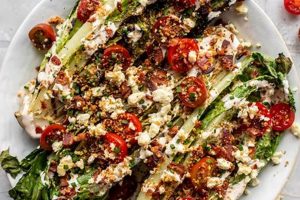
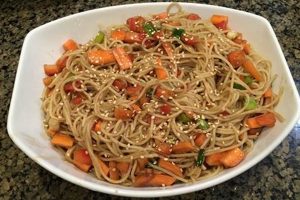
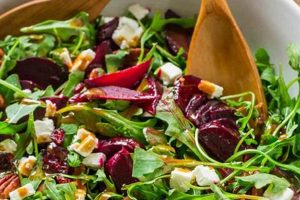
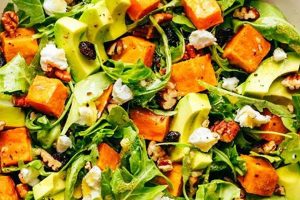
A culinary guide for a dish combining sliced tomatoes and onions, often enhanced with additional ingredients such as herbs, vinegar, and oil, represents a refreshing and flavorful complement to various meals. Variations exist, incorporating diverse components like cucumbers, peppers, or different seasonings to create unique flavor profiles.
This simple dish offers several advantages. It provides essential vitamins and nutrients from the core ingredients. Its adaptability allows for customization based on dietary needs and preferences. Furthermore, the quick preparation and readily available ingredients make it a convenient and economical culinary option. Historically, such salads have been a staple in numerous cultures, demonstrating the enduring appeal of fresh, simple combinations.
The following sections delve into specific variations, offering detailed instructions and exploring the nutritional value of this versatile dish.
Tips for a Perfect Tomato Onion Salad
Optimizing ingredient selection and preparation techniques elevates this simple salad to a culinary delight. Attention to detail ensures a balanced flavor profile and a visually appealing presentation.
Tip 1: Ingredient Selection: Opt for ripe, flavorful tomatoes. Consider heirloom varieties for a diverse range of colors and tastes. Sweet onions, such as Vidalia or Maui, complement the tomatoes without overpowering the flavor profile.
Tip 2: Knife Skills: Uniform slicing ensures even marinating and enhances presentation. A sharp knife creates clean cuts, preventing the vegetables from being crushed.
Tip 3: Marinating Time: Allowing the salad to marinate for at least 30 minutes, or even longer in the refrigerator, allows the flavors to meld. This enhances the overall taste experience.
Tip 4: Acid Balance: Achieving the right balance of acidity is crucial. Experiment with different types of vinegar, such as red wine vinegar, apple cider vinegar, or white balsamic vinegar. A squeeze of fresh lemon or lime juice can also enhance the brightness of the salad.
Tip 5: Oil Selection: High-quality extra virgin olive oil adds depth and richness. Consider flavored olive oils, such as basil or garlic-infused, for a more complex flavor profile.
Tip 6: Seasoning: Freshly ground black pepper and sea salt are essential seasonings. Experiment with additional herbs, such as fresh parsley, oregano, or dill, to enhance the flavor profile.
Tip 7: Serving Temperature: Serve the salad chilled for optimal enjoyment. The cool temperature enhances the refreshing qualities of the dish.
By following these guidelines, one can create a tomato onion salad that is both visually appealing and bursting with fresh, vibrant flavors. The simple techniques elevate this classic dish to a new level of culinary excellence.
These tips offer a pathway to crafting a truly exceptional salad experience. The following section concludes with suggestions for incorporating this versatile dish into various meal plans.
1. Fresh, Ripe Tomatoes

The foundation of a superior tomato onion salad rests upon the selection of fresh, ripe tomatoes. Their quality significantly influences the overall flavor, texture, and visual appeal of the final dish. Understanding the nuances of tomato selection is crucial for achieving optimal results.
- Ripeness Indicators
Visual and tactile cues signify optimal ripeness. A deep, vibrant color corresponding to the tomato variety (red, yellow, orange, etc.) indicates maturity. Slight yielding to gentle pressure, without excessive softness, suggests ideal ripeness. Avoid tomatoes with blemishes, bruises, or green spots near the stem, as these indicate underripe or damaged fruit. A ripe tomato will have a noticeably sweet aroma.
- Variety Selection
Different tomato varieties offer unique flavor profiles and textures, impacting the final salad. Heirloom tomatoes provide a diverse range of colors, flavors, and sizes, adding visual interest and complexity. Beefsteak tomatoes, known for their large size and meaty texture, contribute a substantial presence. Cherry or grape tomatoes, with their sweetness and burst of juice, introduce a contrasting element. Choosing a variety aligned with personal preference enhances the culinary experience.
- Storage and Handling
Proper storage maintains tomato quality. Storing ripe tomatoes at room temperature, away from direct sunlight, preserves their flavor and texture. Refrigeration can diminish flavor and alter texture; therefore, it’s best to refrigerate only after slicing or if not using immediately. Handle tomatoes gently to avoid bruising.
- Preparation Techniques
Careful preparation optimizes the tomato’s contribution to the salad. Washing and thoroughly drying the tomatoes prevents excess moisture from diluting the dressing. Consistent slicing ensures even marinating and enhances presentation. Coring and removing the seeds, especially for larger varieties, can improve texture and prevent excess liquid in the salad.
The careful consideration of these facets, from selection to preparation, ensures that the fresh, ripe tomatoes contribute optimally to the tomato onion salad, creating a vibrant and flavorful culinary experience. The quality of the tomatoes directly impacts the final dish, highlighting the importance of this key ingredient.
2. Mild, Sweet Onions

Mild, sweet onions play a crucial role in a tomato onion salad, providing a balanced flavor profile that complements the acidity of the tomatoes and the vinaigrette. Their sweetness offers a counterpoint to the tartness, creating a harmonious blend of flavors. Stronger onion varieties can overpower the delicate flavor of the tomatoes, whereas mild onions like Vidalia, Maui, or Walla Walla enhance the overall taste experience without dominating. The lower sulfur content in these varieties contributes to their mildness, preventing a pungent aftertaste. This characteristic makes them ideal for raw applications like salads, where their subtle sweetness can shine.
For example, a Vidalia onion, with its characteristic sweetness, pairs exceptionally well with ripe tomatoes and a simple vinaigrette. Its delicate flavor enhances the natural sweetness of the tomatoes without adding a sharp bite. Conversely, using a strong onion like a red onion in its raw state could overwhelm the salad, creating an imbalance. The choice of onion significantly influences the overall flavor profile. Consider the sweetness level and potential pungency when selecting onions for this type of salad.
Selecting the appropriate onion variety is paramount for achieving a balanced and flavorful tomato onion salad. Mild, sweet onions contribute essential sweetness and texture without overpowering the other ingredients. Understanding the nuances of onion varieties empowers culinary choices, leading to a more refined and enjoyable salad experience. Failing to consider the onion’s intensity can compromise the balance of flavors, underscoring the practical significance of selecting mild, sweet varieties for this specific application.
3. Balanced Vinaigrette
A balanced vinaigrette is essential for a successful tomato onion salad. It provides the acidic element that complements the sweetness of the tomatoes and onions, while the oil adds richness and helps to distribute the flavors evenly. A well-balanced vinaigrette enhances the overall flavor profile without overpowering the fresh ingredients.
- Acidity
The acidity in a vinaigrette, typically derived from vinegar or citrus juice, provides a bright, sharp counterpoint to the sweetness of the tomatoes and onions. Different types of vinegar, such as red wine vinegar, apple cider vinegar, or white balsamic vinegar, offer unique flavor profiles. Lemon or lime juice can also be used. The level of acidity should be carefully considered; too much can make the salad overly tart, while too little can result in a bland dish. For example, a robust red wine vinegar might pair well with ripe, flavorful tomatoes, while a milder apple cider vinegar might be preferred for sweeter onion varieties.
- Oil
Oil provides richness and body to the vinaigrette, coating the vegetables and carrying the flavors. Extra virgin olive oil is a popular choice for its flavor and health benefits. Other oils, such as avocado or grapeseed oil, can also be used. The ratio of oil to acid affects the texture and mouthfeel of the vinaigrette. A classic vinaigrette typically has a ratio of 3:1 oil to acid. Using a high-quality extra virgin olive oil adds depth of flavor, while a lighter oil like grapeseed allows the other flavors to shine through.
- Sweetness
While not always included, a touch of sweetness can balance the acidity and add complexity to the vinaigrette. A small amount of sugar, honey, or maple syrup can achieve this. The sweetness level should be subtle, enhancing the other flavors rather than dominating them. For instance, a touch of honey can complement the sweetness of balsamic vinegar and create a more nuanced vinaigrette for tomatoes and onions.
- Seasoning
Seasoning is crucial for enhancing the flavors of the vinaigrette and the salad as a whole. Salt and freshly ground black pepper are essential. Other seasonings, such as herbs, garlic, or mustard, can also be added to create more complex flavor profiles. Fresh herbs like dill or parsley can add brightness, while a pinch of dried oregano can provide an earthy note. The key is to use seasonings judiciously, allowing the fresh flavors of the tomatoes and onions to remain prominent. For a tomato onion salad, a simple vinaigrette with salt, pepper, and a touch of Dijon mustard might be all that is needed.
These elements work together to create a balanced and flavorful vinaigrette that enhances the tomato onion salad. Careful consideration of each componentacidity, oil, sweetness, and seasoningensures a harmonious blend that complements the fresh ingredients. The vinaigrette acts as a unifying element, bringing the flavors of the tomatoes and onions together in a cohesive and delicious whole. A well-crafted vinaigrette elevates a simple tomato onion salad from a basic side dish to a culinary highlight.
4. Precise slicing technique

Precise slicing technique significantly influences the final quality of a tomato onion salad. Uniformity in cuts ensures even marinating, contributing to a balanced flavor profile. Furthermore, precise slicing enhances the aesthetic appeal of the salad, elevating it from a simple dish to a visually appealing culinary creation. Consistent cuts also affect the texture of the salad, providing a more enjoyable eating experience.
- Uniformity of Pieces
Consistent slice thickness ensures that all ingredients marinate evenly in the vinaigrette. This leads to a balanced flavor distribution throughout the salad. Inconsistent sizes can result in some pieces being overly marinated while others remain under-seasoned. For example, thinly sliced onions will absorb the marinade more quickly than thick chunks, leading to a disparity in flavor intensity.
- Aesthetics and Presentation
Precisely sliced vegetables enhance the visual appeal of the salad. Uniformity in size and shape creates a more professional and attractive presentation. This elevates the dish from a simple side to a more visually refined component of a meal. A salad with evenly sliced tomatoes and onions presents a more appealing image than one with haphazardly chopped ingredients, influencing the perceived quality of the dish.
- Texture and Mouthfeel
The slicing technique influences the texture of the salad. Evenly sliced pieces provide a consistent mouthfeel, enhancing enjoyment. Thick slices can be crunchy, while thin slices offer a more delicate texture. Consider the desired texture when determining the appropriate slicing technique. Thinly sliced onions provide a delicate crunch, while thicker slices offer a more robust texture, each contributing differently to the overall sensory experience.
- Preventing Bruising and Damage
A sharp knife and proper cutting technique minimize bruising and damage to the delicate vegetables. This preserves their structural integrity and prevents the release of excess moisture, which can dilute the vinaigrette and create a watery salad. Using a dull knife can crush the tomatoes and onions, compromising both their visual appeal and their textural integrity. This also leads to faster oxidation and a less appealing final product.
The application of precise slicing techniques elevates the tomato onion salad from a simple combination of ingredients to a carefully constructed dish with balanced flavor, appealing aesthetics, and desirable texture. Attention to these details demonstrates culinary skill and enhances the overall dining experience, highlighting the importance of proper knife skills in even the simplest of preparations. This seemingly minor detail has a significant impact on the final result, emphasizing the crucial role of technique in culinary arts.
5. Appropriate Chilling Time

Appropriate chilling time plays a crucial role in the final quality of a tomato onion salad. Chilling allows the flavors of the various componentstomatoes, onions, and vinaigretteto meld, creating a more cohesive and balanced flavor profile. Furthermore, chilling enhances the crispness of the vegetables and the refreshing nature of the salad, making it a more enjoyable culinary experience. Understanding the impact of chilling time is essential for optimizing this simple yet flavorful dish.
- Flavor Development
Chilling allows the flavors of the tomatoes, onions, and vinaigrette to meld and deepen. The time spent in the refrigerator allows the acidic components of the vinaigrette to subtly soften the sharpness of the raw onions, while simultaneously enhancing the sweetness of the tomatoes. This fusion of flavors creates a more complex and harmonious taste profile. For example, a freshly made salad might taste slightly disjointed, with the individual flavors of the ingredients standing apart. After chilling, the flavors integrate, creating a unified and more enjoyable taste experience.
- Texture Enhancement
Chilling enhances the crispness of the vegetables, making the salad more refreshing. The cold temperature firms the cell walls of the tomatoes and onions, creating a satisfying textural contrast to the vinaigrette. A warm salad can have a less appealing, wilted texture, while a chilled salad offers a crisp, refreshing bite. This difference in texture significantly impacts the overall enjoyment of the dish. A chilled salad provides a crisp, refreshing counterpoint to heavier dishes in a meal, while a warm salad might feel less invigorating.
- Temperature and Palatability
Serving the salad at a cool temperature enhances its palatability, especially during warmer weather. The refreshing chill provides a welcome contrast to heat, making the salad more appealing and enjoyable to consume. A cold salad is more refreshing on a hot day, while a room-temperature salad might feel less appealing. This consideration demonstrates the impact of temperature on sensory perception and overall enjoyment. Serving a chilled tomato onion salad alongside grilled meats or hearty dishes offers a refreshing contrast, balancing the meal’s overall temperature profile.
- Optimal Chilling Duration
The ideal chilling time for a tomato onion salad depends on various factors, including the thickness of the vegetable slices and the intensity of the vinaigrette. A general guideline is to chill the salad for at least 30 minutes to allow the flavors to meld. However, chilling for longer, up to a few hours, can further enhance the flavor and texture. Over-chilling, however, can lead to the vegetables becoming overly soft and losing their desirable crispness. Thus, finding the right balance is key to optimizing the final product. A thinly sliced salad with a light vinaigrette might require less chilling time compared to a salad with thicker slices and a more robust vinaigrette. Experimentation and personal preference play a role in determining the optimal duration.
Therefore, appropriate chilling time is an essential step in preparing a truly delicious tomato onion salad. It allows the flavors to meld, enhances the texture, and optimizes the temperature for consumption. By understanding the impact of chilling time, one can elevate this simple dish to a refreshing and flavorful culinary experience. Failing to properly chill the salad can compromise its overall quality, demonstrating the practical significance of this often overlooked step in the preparation process. This reinforces the importance of considering time as an ingredient in itself, contributing to the final flavor profile and overall enjoyment of the dish.
Frequently Asked Questions
This section addresses common inquiries regarding tomato onion salads, offering practical guidance and clarifying potential uncertainties.
Question 1: How can one prevent a watery tomato onion salad?
Excess moisture can result from several factors, including using overly ripe tomatoes, insufficiently drying the vegetables after washing, or not salting the tomatoes and onions separately before combining them. Salting draws out excess moisture; discard this liquid before adding the vinaigrette. Using firmer tomato varieties and ensuring all ingredients are thoroughly dried also helps maintain the desired texture.
Question 2: What are suitable alternatives for individuals with onion sensitivities?
Shallots or scallions offer milder alternatives to onions while still contributing flavor and texture. Soaking sliced onions in cold water for 10-15 minutes can also mellow their flavor. Alternatively, incorporating other aromatic vegetables like bell peppers or cucumbers adds complexity without relying solely on onions.
Question 3: Can other herbs be added to a tomato onion salad?
Fresh herbs such as parsley, dill, mint, or oregano can enhance the flavor profile. Consider the herb’s flavor intensity when determining the quantity to ensure a balanced taste. Adding herbs complements the existing flavors without overpowering the core ingredients.
Question 4: How long can a tomato onion salad be stored?
Ideally, consume the salad within 24 hours for optimal flavor and texture. Store leftover salad in an airtight container in the refrigerator. However, recognize that the texture may change slightly upon storage due to the continued marinating process.
Question 5: How can one adjust the flavor profile of the vinaigrette?
Adjusting the vinaigrette’s components allows for customized flavor profiles. Increasing the vinegar content elevates the tartness, while adding a touch of sweetness, such as honey or maple syrup, balances the acidity. Experimenting with different oils, such as avocado or flavored olive oils, introduces new dimensions of taste.
Question 6: Can this salad be served as a main course?
While typically served as a side dish, adding protein-rich ingredients such as grilled chicken, chickpeas, or feta cheese transforms the salad into a satisfying main course. This adaptability makes it a versatile culinary option.
Addressing these common queries provides practical guidance for preparing a successful tomato onion salad. Understanding these nuances empowers individuals to refine their approach, maximizing flavor and enjoyment. Careful consideration of these factors ensures a consistently delicious and refreshing culinary experience.
This concludes the FAQ section. The following section offers additional recipe variations for exploration.
Tomato Onion Salad
This exploration has provided a comprehensive overview of crafting a successful tomato onion salad. Key elements highlighted include the importance of selecting ripe, flavorful tomatoes, choosing mild, sweet onions, creating a balanced vinaigrette, employing precise slicing techniques, and allowing appropriate chilling time. Each step contributes significantly to the final flavor profile, texture, and overall enjoyment of the dish. The seemingly simple combination of ingredients transforms into a refreshing and flavorful culinary experience through careful attention to these details.
The versatility of the tomato onion salad allows for endless variations and adaptations. Experimentation with different ingredients, seasonings, and vinaigrettes offers opportunities for personalized culinary expression. This adaptability ensures its continued presence in culinary traditions, highlighting its enduring appeal as a refreshing and customizable dish. The principles discussed herein provide a foundation for crafting a consistently delicious and satisfying tomato onion salad, encouraging culinary exploration and a deeper appreciation for the nuances of flavor and technique.