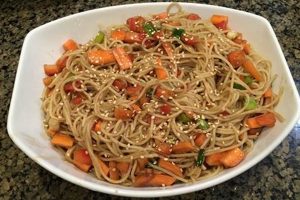
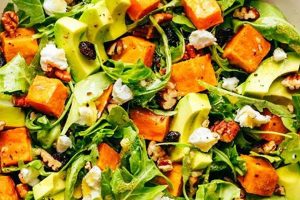
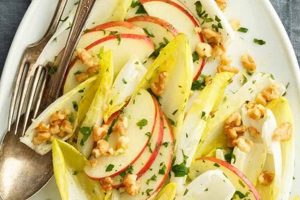
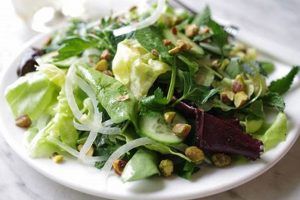
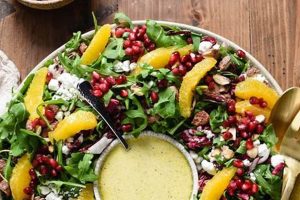
Preparing this vibrant dish involves boiling or roasting beets until tender, then combining them with complementary ingredients. A simple version might include vinaigrette, orange segments, and crumbled goat cheese. Variations can incorporate diverse flavors and textures, ranging from earthy walnuts and pungent blue cheese to sweet apples and tangy citrus fruits.
This culinary approach offers several advantages. Cooking softens the beets’ texture, making them easier to chew and digest, while also mellowing their earthy flavor. This method allows for greater versatility in flavor pairings, opening doors to warm, comforting salads suitable for cooler weather. Furthermore, cooking beets intensifies their vibrant hues, contributing to an aesthetically pleasing dish. Historically, beets have been valued for their nutritional benefits, being rich in essential vitamins and minerals. Cooking them, while potentially diminishing some heat-sensitive nutrients, retains many of their valuable properties.
Further exploration will delve into the selection and preparation of beets, explore various cooking methods and their effects, and showcase a range of flavor combinations to inspire culinary creativity. Detailed instructions, tips, and variations will be provided to equip readers with the knowledge and confidence to create their own delectable beet salads.
Tips for Preparing Beet Salads with Cooked Beets
Achieving optimal flavor and texture requires attention to detail throughout the preparation process. The following tips offer guidance for creating exceptional salads featuring cooked beets.
Tip 1: Select beets carefully. Smaller, uniformly shaped beets tend to cook more evenly and possess a sweeter, more tender texture.
Tip 2: Handle beets thoughtfully. Avoid cutting off the root and stem ends before cooking to minimize bleeding of color and nutrients. Wear gloves to prevent staining hands.
Tip 3: Optimize the cooking method. Roasting intensifies the beets’ natural sweetness, while boiling allows for easier peeling. Steaming preserves nutrients effectively.
Tip 4: Master the art of peeling. Once cooked and cooled slightly, the skins should slip off easily. A gentle rub with a paper towel may assist.
Tip 5: Consider the cut. Dicing beets into uniform pieces ensures even cooking and creates a visually appealing salad. Alternative cuts, such as slicing or wedges, offer textural variation.
Tip 6: Balance flavors thoughtfully. The earthy sweetness of beets pairs well with contrasting flavors, such as tangy citrus, sharp cheeses, and crunchy nuts.
Tip 7: Time the dressing wisely. Adding the dressing just before serving prevents the beets from becoming overly saturated and maintains the salad’s fresh appearance.
By following these guidelines, one can elevate a simple beet salad to a culinary masterpiece. Attention to these details ensures a harmonious balance of flavor, texture, and visual appeal.
These tips provide a strong foundation for creating a variety of beet salads. Experimentation with different ingredients and flavor combinations allows for personalized culinary expression.
1. Beet selection
Beet selection significantly influences the final quality of a cooked beet salad. Choosing appropriately sized and conditioned beets ensures optimal flavor, texture, and visual appeal. Smaller beets generally offer a sweeter, more tender experience compared to larger, more mature beets, which can sometimes develop a woody texture. Uniformly shaped beets cook more evenly, simplifying preparation and presentation. Furthermore, beets with smooth, unblemished skins indicate freshness and minimize waste during preparation. For instance, a salad featuring small, sweet golden beets will possess a brighter, milder flavor profile compared to one using larger, more mature red beets. The former might pair well with delicate cheeses and citrus, while the latter might complement stronger flavors like blue cheese or balsamic vinegar.
Careful beet selection streamlines the cooking process. Uniformly sized beets reach optimal tenderness simultaneously, preventing overcooking or undercooking. This consistency simplifies recipe execution and ensures a pleasant dining experience. Choosing fresh, firm beets also minimizes prep time, as blemishes and soft spots often require extra trimming. For a salad intended for a visually striking presentation, uniformly sized and vibrantly colored beets enhance the aesthetic appeal. Conversely, using a mix of large and small beets might result in uneven cooking and a less visually harmonious dish. Consider a salad featuring chioggia beets, prized for their vibrant pink and white stripes. Careful selection ensures these striking patterns remain intact after cooking, adding a unique visual element to the salad.
In summary, thoughtful beet selection represents a crucial first step in crafting a successful cooked beet salad. Prioritizing smaller, uniformly shaped, and unblemished beets enhances flavor, simplifies preparation, and elevates presentation. This attention to detail ensures a more satisfying culinary outcome, transforming a simple beet salad into a refined and enjoyable dish. Overlooking beet selection, however, may lead to inconsistencies in flavor, texture, and appearance, ultimately detracting from the overall dining experience.
2. Cooking Method

Cooking method profoundly influences the flavor, texture, and color of beets, thereby shaping the final character of a cooked beet salad. Different techniques yield distinct results, offering a spectrum of possibilities for culinary exploration. Roasting, for instance, concentrates the beets’ natural sugars, resulting in a caramelized sweetness and tender texture. This method also intensifies their earthy notes, creating a robust flavor profile suitable for pairings with bold ingredients like goat cheese or toasted walnuts. Conversely, boiling produces a milder, more delicate flavor and a softer, more yielding texture. This approach lends itself to salads featuring lighter, brighter flavors, such as citrus vinaigrettes or fresh herbs. Steaming preserves the beets’ vibrant color and nutritional value while maintaining a tender texture and a subtle sweetness. This method is ideal for salads emphasizing freshness and nutritional integrity.
The choice of cooking method should align with the desired outcome and the overall composition of the salad. A salad featuring roasted beets, for example, might benefit from the inclusion of other roasted vegetables, creating a cohesive, earthy flavor profile. A salad highlighting the fresh, vibrant flavors of spring, however, might benefit from steamed or boiled beets, preserving their delicate sweetness and color. The cooking method’s impact extends beyond flavor and texture to encompass practical considerations such as preparation time and ease of peeling. Boiled beets, for example, are generally easier to peel than roasted beets. Understanding these nuances allows for informed decision-making and greater control over the final product. Consider a salad featuring thinly sliced roasted beets, candied pecans, and crumbled blue cheese. The roasting process intensifies the beets’ sweetness, creating a harmonious balance with the salty cheese and nutty pecans.
Mastery of various cooking methods empowers culinary creativity and allows for tailored results. The ability to select and execute the appropriate technique ensures that the cooked beets complement the other salad components, resulting in a balanced and harmonious dish. Careful consideration of the desired flavor profile, texture, and overall aesthetic informs the choice of cooking method, ultimately elevating the cooked beet salad from a simple dish to a culinary expression. Failure to appreciate these nuances, however, can result in a dish where the beets clash with other ingredients, detracting from the overall dining experience.
3. Flavor pairings

Flavor pairings constitute a critical element within cooked beet salad recipes, impacting the overall balance and complexity of the dish. The inherent earthy sweetness of cooked beets necessitates thoughtful consideration of complementary flavors. Acidity, for example, provides a crucial counterpoint, cutting through the sweetness and brightening the overall flavor profile. Ingredients such as citrus segments, vinegar-based dressings, or tangy cheeses like feta or goat cheese exemplify this principle. Similarly, incorporating contrasting textures enhances the sensory experience. Crunchy nuts, toasted seeds, or crisp vegetables like fennel or celery offer textural variation against the soft beets. Arugula, with its peppery bite, offers a contrasting flavor and textural element to the beets’ earthy sweetness. The interplay of these elements elevates the salad beyond a simple sum of its parts, transforming it into a multi-dimensional culinary experience. For instance, a salad featuring roasted beets, candied walnuts, crumbled goat cheese, and a citrus vinaigrette demonstrates a successful interplay of sweet, savory, tangy, and crunchy elements.
Effective flavor pairings in cooked beet salads often exploit contrasting flavor profiles. The earthiness of beets pairs well with the sharpness of certain cheeses, like blue cheese or gorgonzola, while the sweetness complements the bitterness of ingredients like radicchio or dandelion greens. Fatty components, such as avocado or toasted nuts, add richness and depth, further enhancing the overall flavor profile. The interplay of these contrasting elements creates a dynamic and satisfying sensory experience. Consider a salad combining cooked beets with smoked salmon, horseradish cream, and dill. The smokiness of the salmon, the sharp bite of the horseradish, and the fresh herbaceousness of the dill offer a complex counterpoint to the beets’ earthiness, creating a harmonious and flavorful dish.
Successful flavor pairings in cooked beet salads require a nuanced understanding of flavor interactions and balance. Overly assertive flavors can overwhelm the delicate sweetness of the beets, while insufficient contrast can result in a bland and uninteresting dish. Achieving a harmonious balance requires careful consideration of each ingredient’s contribution to the overall flavor profile. Attention to detail in flavor pairings elevates the cooked beet salad from a simple side dish to a culinary centerpiece. Failure to consider these nuances, however, risks compromising the dish’s potential, resulting in a less satisfying culinary outcome.
4. Texture contrast

Texture contrast plays a vital role in elevating cooked beet salads from simple to sophisticated culinary creations. The inherent softness of cooked beets benefits from the incorporation of contrasting textural elements, creating a more dynamic and engaging sensory experience. This interplay of textures adds depth and complexity to each bite, preventing the salad from feeling monotonous. Consider the addition of crunchy elements such as toasted nuts (walnuts, pecans, or pistachios), seeds (sunflower, pumpkin, or sesame), or croutons. These provide a satisfying counterpoint to the beets’ tenderness. Crisp vegetables, like thinly sliced fennel, shredded carrots, or chopped celery, introduce another layer of textural variation. Even the choice of greens contributes to the overall textural profile. A bed of peppery arugula offers a different experience compared to delicate baby spinach or robust kale. For example, a salad featuring soft, roasted beets alongside crunchy candied pecans, crumbled goat cheese, and crisp arugula demonstrates a well-executed textural balance.
The strategic use of texture contrast extends beyond simply adding crunchy or crisp elements. Different cooking methods for the beets themselves can influence texture. Roasting, for instance, yields a firmer texture compared to boiling. This allows for greater control over the final product, enabling chefs to tailor the dish to specific preferences or desired outcomes. Further textural complexity can be achieved through the incorporation of creamy elements, like a dollop of ricotta cheese or a drizzle of tahini dressing. These creamy components provide a smooth contrast to the other textures, adding another dimension to the sensory experience. Imagine a salad composed of roasted beets, whipped feta, toasted pine nuts, and chopped fresh mint. The interplay of creamy, crunchy, and soft textures creates a harmonious and delightful mouthfeel.
Ultimately, attention to texture contrast distinguishes a well-composed cooked beet salad from a mediocre one. It elevates the dish beyond mere sustenance, transforming it into a more engaging and satisfying culinary experience. Ignoring textural balance, however, risks a one-dimensional outcome, where the softness of the beets dominates, leading to a potentially less enjoyable sensory experience. Thoughtful incorporation of contrasting textures ensures a dynamic and memorable dish that appeals to a wider range of palates and elevates the simple beet to a star ingredient.
5. Presentation
Presentation significantly impacts the perceived value and enjoyment of a cooked beet salad. While flavor and texture remain paramount, visual appeal elevates the dining experience, transforming a simple dish into a culinary delight. Strategic presentation enhances the inherent beauty of cooked beets, showcasing their vibrant colors and diverse textures. Consideration of color, arrangement, plating, and garnishes contributes to a more appealing and appetizing final product.
- Color Palette
The vibrant hues of cooked beets, ranging from deep magenta to golden yellow, provide a natural starting point for an aesthetically pleasing presentation. Consider the color wheel and incorporate complementary or contrasting colors to enhance visual appeal. A salad featuring red beets might benefit from the inclusion of green herbs, orange segments, or creamy white goat cheese. Golden beets pair well with darker greens like spinach or arugula, and their subtle sweetness complements the vibrant green of pistachios. Thoughtful color combinations create a visually harmonious and appetizing dish.
- Arrangement
The arrangement of ingredients contributes significantly to a salad’s visual appeal. Avoid simply tossing all ingredients together; instead, consider strategic placement to create visual interest. Arrange components, such as beet slices, segments of orange, crumbled cheese, and toasted nuts, in distinct sections or layers to showcase their individual colors and textures. This intentional arrangement creates a more dynamic and visually engaging presentation, drawing the diner’s eye and stimulating appetite.
- Plating
The choice of plate or serving vessel impacts the overall presentation. A white plate provides a neutral backdrop that allows the vibrant colors of the salad to stand out. Alternatively, a rustic wooden bowl or platter can enhance the earthiness of the beets. Consider the shape and size of the plate in relation to the salad’s volume. Avoid overcrowding the plate, allowing for negative space to enhance visual appeal and prevent the dish from appearing cluttered. Proper plating elevates the perceived value of the salad.
- Garnishes
Garnishes provide a finishing touch, adding visual flair and enhancing flavor. Fresh herbs, such as dill, mint, or parsley, contribute color and aroma. A sprinkle of toasted nuts or seeds adds texture and visual interest. A drizzle of balsamic glaze or a dollop of crme frache provides a final flourish, enhancing both the visual appeal and flavor profile of the salad. Carefully chosen garnishes complete the presentation, transforming a simple beet salad into a restaurant-worthy dish.
These facets of presentation, when thoughtfully considered, elevate the cooked beet salad from a simple side dish to a visually stunning culinary creation. Attention to color, arrangement, plating, and garnishes enhances the inherent beauty of cooked beets, resulting in a more appealing and enjoyable dining experience. This holistic approach to presentation underscores the importance of visual appeal in appreciating the full potential of a cooked beet salad.
Frequently Asked Questions
This section addresses common inquiries regarding the preparation and enjoyment of cooked beet salads.
Question 1: How can one prevent beet stains during preparation?
Wearing gloves while handling beets minimizes staining. Additionally, using a cutting board designated specifically for beets helps prevent color transfer to other surfaces. Promptly cleaning any spills also helps avoid lasting stains.
Question 2: What is the optimal cooking time for beets?
Cooking time depends on the size of the beets and the chosen cooking method. Generally, roasting requires 45-60 minutes, boiling takes 30-45 minutes, and steaming requires approximately 40-50 minutes. Beets are cooked when easily pierced with a fork.
Question 3: Can cooked beets be stored for later use?
Cooked beets can be stored in an airtight container in the refrigerator for up to five days. Storing them peeled and whole preserves their color and flavor most effectively.
Question 4: What are suitable substitutes for common cooked beet salad ingredients?
Ingredient substitutions can be made based on dietary restrictions or personal preferences. Goat cheese can be replaced with feta, ricotta, or a plant-based alternative. Walnuts can be substituted with pecans, pistachios, or sunflower seeds. Citrus vinaigrette can be replaced with a balsamic or Dijon vinaigrette.
Question 5: How can one balance the earthiness of beets in a salad?
The earthiness of beets is often balanced with acidic elements like vinegar or citrus juice. Sweet components, such as fruit or candied nuts, also complement the earthy notes. A touch of sweetness and acid creates a balanced flavor profile.
Question 6: How does one prevent a cooked beet salad from becoming watery?
Adding the dressing just before serving prevents the salad from becoming watery. Ensuring the cooked beets are thoroughly dried before incorporating them into the salad also helps maintain the desired texture.
Understanding these key aspects of preparation and storage contributes to a more successful and enjoyable cooked beet salad experience.
Further exploration of specific recipes and variations will provide additional guidance for creating delectable beet salads.
Conclusion
Exploration of the elements contributing to successful preparation of dishes based on this root vegetable reveals the interplay of factors influencing the final outcome. Careful selection of beets, considering size and uniformity, contributes to optimal flavor and texture. Choice of cooking method, whether roasting, boiling, or steaming, further impacts the final result, influencing both taste and ease of preparation. Thoughtful consideration of flavor pairings, balancing the beets’ inherent earthiness with complementary ingredients like acidic dressings, creamy cheeses, or crunchy nuts, elevates the dish beyond simple fare. Attention to texture contrast, incorporating elements that counter the beets’ softness, creates a more dynamic and engaging sensory experience. Finally, artful presentation enhances visual appeal, transforming the salad into a culinary delight.
Mastery of these elements empowers culinary creativity, allowing for personalized variations and innovative expressions. From simple, everyday salads to elegant, composed plates, the potential of this versatile root vegetable remains vast. Continued exploration of flavor combinations and presentations promises further culinary discoveries, ensuring this vibrant dish remains a staple across diverse cuisines and palates.