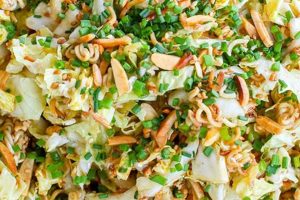
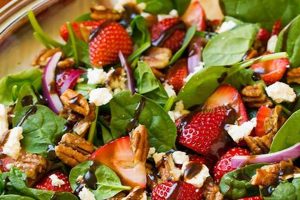
A meal served in a bowl, typically a crispy tortilla shell, and layered with seasoned ground meat (often beef or chicken), shredded cheese, lettuce, tomatoes, onions, and other desired toppings like sour cream, guacamole, or salsa, constitutes this popular dish. Variations might include different meats, beans, rice, corn, and various dressings. A sample combination could involve seasoned ground beef, shredded cheddar cheese, crisp romaine lettuce, diced tomatoes, black olives, and a dollop of sour cream served in a large, fried tortilla bowl.
This presentation offers a convenient and customizable dining experience, allowing individuals to tailor ingredients and portion sizes to personal preferences. Its popularity stems from the combination of familiar flavors, textural variety, and ease of preparation, making it suitable for casual meals, potlucks, and larger gatherings. The concept emerged alongside the growing popularity of Tex-Mex cuisine, offering a less structured alternative to traditional tacos while maintaining the core flavor profile.
This exploration will delve into variations on this culinary theme, including vegetarian and vegan options, as well as tips for achieving optimal flavor and texture combinations. Guidance on ingredient selection, preparation techniques, and creative presentation ideas will also be provided.
Tips for an Exceptional Taco Salad Bowl
Optimizing ingredient selection and preparation techniques elevates this dish from simple to extraordinary. Attention to detail ensures a balanced and flavorful experience.
Tip 1: Seasoning the Meat: Flavorful meat forms the foundation. Consider marinating the meat before cooking or incorporating spices directly into the cooking process. Chili powder, cumin, paprika, and oregano offer a classic flavor profile.
Tip 2: Building Layers for Texture: A successful presentation incorporates a variety of textures. Crispy tortilla chips or a fried tortilla bowl provide a base, followed by layers of seasoned meat, crisp lettuce, creamy elements like guacamole or sour cream, and crunchy toppings like chopped onions or bell peppers.
Tip 3: Freshness of Ingredients: Using the freshest ingredients possible enhances the overall flavor. Opt for ripe tomatoes, crisp lettuce, and freshly made salsa or guacamole.
Tip 4: Balancing Flavors: A harmonious blend of flavors is crucial. Balance the richness of the meat and cheese with the acidity of tomatoes, the freshness of herbs like cilantro, and the spice of jalapenos or other peppers.
Tip 5: Dressing Selection: The dressing plays a vital role. A classic ranch dressing or a vibrant vinaigrette complements the other flavors without overpowering them. Consider a lighter dressing to avoid a soggy salad.
Tip 6: Portion Control and Assembly: Proper portioning prevents a bowl that’s too heavy or difficult to eat. Layering ingredients allows each component to shine, rather than becoming a homogenous mixture.
Tip 7: Creative Variations: Don’t hesitate to experiment. Consider incorporating different beans, rice, corn, or alternative proteins like grilled chicken or fish for variety.
By following these guidelines, one can create a vibrant and satisfying culinary experience that showcases the versatility and deliciousness of this popular dish.
These techniques allow for the creation of a personalized and enjoyable dining experience, demonstrating the adaptability of this dish to individual preferences and dietary needs.
1. Bowl (crispy or traditional)

The bowl serves as the foundation of the taco salad experience, influencing both presentation and practicality. The choice between a crispy tortilla bowl and a traditional serving bowl significantly impacts the overall dining experience. A crispy tortilla bowl, created by frying a large tortilla into a bowl shape, offers an edible, integrated component that adds a satisfying crunch and complements the other ingredients. This choice contributes to a more contained presentation, minimizing spills and simplifying handling. Conversely, a traditional bowl, typically ceramic or glass, provides a neutral backdrop that emphasizes the vibrant colors and textures of the salad components. This option offers greater flexibility in portion size and accommodates larger salads more easily. Consider a scenario where a casual gathering necessitates easy handling and portion control the crispy tortilla bowl provides a convenient solution. A more formal setting or a larger portion, however, might benefit from the adaptability of a traditional bowl.
The choice of bowl also impacts the structural integrity of the salad over time. A crispy tortilla bowl, while initially providing a satisfying crunch, can become soggy as it absorbs moisture from the salad ingredients, particularly with dressings. This characteristic necessitates prompt consumption. Traditional bowls maintain their structural integrity regardless of the ingredients or timing, offering a more stable and consistent dining experience. Imagine a buffet setting where salads might sit for extended periods a traditional bowl would be a more practical choice to prevent sogginess. Conversely, a quickly consumed individual serving might benefit from the added textural element of a crispy tortilla bowl.
Ultimately, the choice between a crispy tortilla bowl and a traditional bowl depends on the specific context and desired outcome. The former contributes a textural element and convenient handling, while the latter offers greater flexibility and stability. Understanding these characteristics allows for informed decision-making when crafting a taco salad experience, catering to individual preferences and practical considerations.
2. Flavorful protein (beef, chicken, or vegetarian)

Protein selection significantly influences the overall character of a taco salad bowl. The chosen protein provides a foundational savory element, impacting not only the nutritional profile but also the flavor profile and textural complexity of the dish. Ground beef, a common choice, offers a rich, familiar flavor that pairs well with traditional taco seasonings. Chicken, often diced or shredded, provides a leaner alternative with a milder flavor that readily absorbs the flavors of accompanying spices and sauces. Vegetarian options, such as seasoned black beans, lentils, or crumbled tofu, contribute a different textural dimension and offer a plant-based alternative without sacrificing flavor complexity. The interplay between the protein and the other ingredients, such as the vegetables, toppings, and dressing, is crucial for a balanced and satisfying outcome. For instance, the robust flavor of ground beef might be balanced by the acidity of tomatoes and the coolness of sour cream, while the milder flavor of chicken benefits from a vibrant cilantro-lime dressing. A vegetarian option, like seasoned black beans, might be paired with a smoky chipotle dressing and corn salsa for added depth.
Consider a taco salad bowl featuring seasoned ground beef. The spices used in the beef’s preparation, such as cumin, chili powder, and paprika, permeate the dish, influencing the overall flavor profile. This robust flavor profile pairs well with a creamy, cooling dressing like ranch or a tangy salsa. In contrast, a taco salad featuring grilled chicken might benefit from a lighter, brighter dressing, such as a vinaigrette, to avoid overpowering the chicken’s more delicate flavor. The chicken’s texture, being less dense than ground beef, also interacts differently with the other ingredients, creating a lighter, less substantial overall experience. A vegetarian taco salad, featuring seasoned lentils, for example, introduces a unique earthy flavor and a slightly chewy texture. This variation might be complemented by a smoky chipotle dressing and roasted vegetables for a hearty and flavorful meal.
Understanding the impact of protein selection on the overall composition of a taco salad bowl allows for informed decision-making regarding ingredient pairings and flavor balancing. This knowledge allows one to craft a dish that not only satisfies individual dietary needs and preferences but also provides a harmonious blend of flavors and textures. The successful integration of the protein with the other components ensures a satisfying and well-rounded culinary experience.
3. Fresh, crisp vegetables

Fresh, crisp vegetables play a crucial role in a successful taco salad bowl recipe, contributing not only vital nutrients but also textural and flavor complexity. Their presence elevates the dish beyond a simple combination of ingredients, offering a refreshing counterpoint to richer elements like seasoned meat and creamy dressings. The incorporation of crisp vegetables introduces a contrasting textural element, enhancing the overall sensory experience. Imagine the satisfying crunch of romaine lettuce against seasoned ground beef or the juicy burst of diced tomatoes alongside creamy guacamole. This interplay of textures creates a more dynamic and enjoyable meal.
Beyond texture, fresh vegetables contribute a brightness and freshness that balances the overall flavor profile. The acidity of tomatoes, the subtle sweetness of bell peppers, and the peppery bite of red onions offer a refreshing contrast to the richness of the meat and cheese, preventing the dish from becoming overly heavy. For example, a taco salad featuring seasoned ground beef and cheddar cheese benefits significantly from the addition of diced tomatoes and shredded lettuce, which cut through the richness and add a refreshing element. Similarly, a vegetarian taco salad featuring black beans and corn gains vibrancy from the inclusion of chopped cilantro, red onion, and bell peppers. These elements not only enhance the flavor but also contribute to a more visually appealing presentation.
The selection and preparation of these vegetables significantly impact the final outcome. Opting for the freshest produce available ensures optimal flavor and texture. Proper storage and handling techniques, such as washing and drying vegetables thoroughly and storing them appropriately, maintain their crispness and prevent premature wilting. Consider the difference between a salad made with crisp, cold romaine lettuce and one made with wilted, room-temperature lettuce. The former contributes a refreshing crunch and a vibrant green hue, while the latter detracts from both the flavor and the aesthetic appeal of the dish. Careful attention to these details elevates the overall quality and enjoyment of the taco salad bowl. Ultimately, the inclusion of fresh, crisp vegetables transforms a simple combination of ingredients into a vibrant, balanced, and satisfying culinary experience.
4. Complementary Toppings (Salsa, Guacamole)
Complementary toppings, such as salsa and guacamole, represent essential components within a taco salad bowl recipe, significantly impacting the overall flavor profile and sensory experience. These additions move beyond mere garnishes, functioning as integral elements that contribute layers of flavor and textural complexity. Salsa, with its vibrant acidity and varying degrees of heat, provides a refreshing counterpoint to richer ingredients like seasoned meat and cheese. Guacamole, offering a creamy, cooling element derived from ripe avocados, balances the spicier components and contributes a healthy dose of monounsaturated fats. The strategic use of these toppings elevates the dish from a basic combination of ingredients to a multi-dimensional culinary experience. Consider a taco salad bowl featuring seasoned ground beef, shredded cheese, and crisp lettuce. The addition of a vibrant tomato salsa introduces a burst of acidity and a touch of heat, cutting through the richness of the meat and cheese. Incorporating guacamole adds a creamy coolness that further balances the flavors and enhances the overall textural complexity.
The versatility of these toppings allows for extensive customization and personalization. Salsas range from mild pico de gallo to fiery habanero blends, catering to individual preferences for heat and flavor intensity. Guacamole, while traditionally composed of mashed avocados, lime juice, onions, and cilantro, can also incorporate variations such as diced tomatoes, jalapeos, or other spices to further enhance its flavor profile. This adaptability allows individuals to tailor the toppings to complement the specific ingredients and overall flavor profile of their taco salad bowl. For example, a taco salad featuring grilled chicken might benefit from a mango salsa, adding a touch of sweetness and tropical flair. A vegetarian taco salad featuring black beans and corn could be enhanced with a roasted corn and poblano salsa, adding a smoky depth of flavor.
The successful integration of complementary toppings like salsa and guacamole requires careful consideration of flavor balance and textural interplay. Overuse of these toppings can overwhelm the other ingredients, while insufficient amounts can result in a less dynamic and satisfying experience. Achieving the right balance is crucial. Furthermore, the freshness and quality of these toppings significantly impact the overall outcome. Freshly made salsa and guacamole, utilizing ripe ingredients and proper preparation techniques, contribute superior flavor and texture compared to pre-made or processed alternatives. Attention to these details elevates the taco salad bowl from a simple meal to a vibrant and nuanced culinary creation, demonstrating the significant contribution of these seemingly simple additions.
5. Dressing (ranch, vinaigrette, or creamy cilantro)

Dressing selection significantly impacts the overall flavor profile and textural harmony of a taco salad bowl recipe. The chosen dressing acts as a unifying element, binding the diverse componentsprotein, vegetables, and toppingsinto a cohesive whole. It contributes not only flavor but also moisture and texture, influencing the overall palatability and enjoyment of the dish. A carefully selected dressing complements and enhances the existing flavors, rather than masking them. Ranch dressing, with its creamy, tangy profile, often complements the richness of ground beef and cheddar cheese. A vinaigrette, offering a lighter, brighter counterpoint, enhances the flavors of grilled chicken or fish. A creamy cilantro dressing, incorporating the fresh herb’s distinctive flavor, pairs well with vegetarian options such as black beans or lentils. The interplay between the dressing and other components is crucial; a heavy dressing can overwhelm delicate flavors and create a soggy salad, while a light dressing might not adequately coat the ingredients or provide sufficient flavor.
Consider a taco salad bowl featuring seasoned ground beef, cheddar cheese, lettuce, tomatoes, and black olives. A classic ranch dressing complements the richness of the beef and cheese, binding the ingredients together without overpowering the other flavors. However, the same dressing might overwhelm a lighter taco salad featuring grilled chicken or fish. In this case, a citrus vinaigrette would provide a brighter, more complementary flavor profile, enhancing the delicate flavors of the protein and vegetables. A creamy cilantro dressing, with its fresh, herbaceous notes, pairs well with a vegetarian taco salad featuring black beans, corn, and avocado, adding a layer of complexity without masking the other flavors. The texture of the dressing also plays a significant role. A creamy dressing adds richness and moisture, while a vinaigrette offers a lighter, more refreshing counterpoint. The choice depends on the desired outcome and the overall composition of the salad.
Understanding the role of dressing in a taco salad bowl recipe allows for informed decision-making and the creation of a well-balanced, flavorful, and texturally satisfying meal. The careful selection of a dressing that complements the chosen ingredients elevates the dish beyond a simple assemblage of components, transforming it into a cohesive and enjoyable culinary experience. Neglecting this crucial element can result in a disjointed and less satisfying outcome, highlighting the practical significance of understanding the interplay between dressing and other ingredients in achieving a harmonious and flavorful taco salad bowl.
Frequently Asked Questions
This section addresses common inquiries regarding the creation and enjoyment of taco salad bowls, providing concise and informative responses to facilitate a deeper understanding.
Question 1: What distinguishes a taco salad bowl from a traditional taco?
While both share core ingredients, a taco salad bowl emphasizes a layered presentation in a bowl, often utilizing a fried tortilla shell as the base. This contrasts with the folded or rolled structure of a traditional taco.
Question 2: Can alternative proteins be used in a taco salad bowl recipe?
Absolutely. Beyond ground beef and chicken, options like seasoned black beans, lentils, crumbled tofu, or even grilled fish or shrimp offer protein variety for diverse dietary preferences.
Question 3: How can sogginess in a taco salad bowl be prevented?
Sogginess can be mitigated by layering ingredients strategically. Place the dressing on the side or add it just before serving. Using a crispy tortilla bowl immediately after frying also helps maintain its structural integrity.
Question 4: What are some suitable dressing alternatives for those seeking lighter options?
Vinaigrettes, such as a citrus vinaigrette or a light cilantro-lime dressing, offer a refreshing alternative to heavier, cream-based dressings.
Question 5: How can a taco salad bowl be adapted for large gatherings or potlucks?
Prepare components separately and allow guests to customize their bowls. This facilitates portion control and accommodates dietary restrictions or preferences. Consider offering a variety of proteins, toppings, and dressings for a wider selection.
Question 6: What are some effective methods for enhancing the flavor profile of a taco salad bowl?
Marinating the protein before cooking, using freshly made salsa and guacamole, incorporating a variety of spices, and selecting a complementary dressing contribute significantly to a richer, more nuanced flavor experience.
Understanding these frequently asked questions empowers individuals to confidently create and adapt taco salad bowls to their preferences, ensuring a satisfying and enjoyable culinary experience.
This concludes the FAQ section. The following section will offer concluding remarks and summarize key takeaways regarding creating the optimal taco salad bowl experience.
Conclusion
Exploration of the taco salad bowl recipe reveals a dish offering significant adaptability and culinary potential. Emphasis on fresh ingredients, balanced flavors, and textural variety contributes to a satisfying dining experience. Careful consideration of protein choices, vegetable selection, complementary toppings, and appropriate dressing enhances the overall flavor profile and textural complexity. Understanding the interplay between these components allows for customization based on individual preferences and dietary considerations.
The taco salad bowl recipe, far from a static formula, represents a dynamic framework encouraging culinary creativity. Its adaptability extends beyond ingredient selection to encompass presentation and portioning, offering a versatile option for casual meals, larger gatherings, or even more formal settings. Further exploration of regional variations and flavor combinations promises continued evolution and enjoyment of this popular culinary concept.