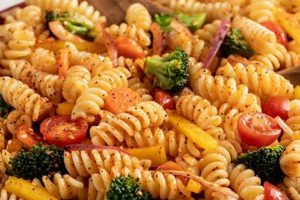
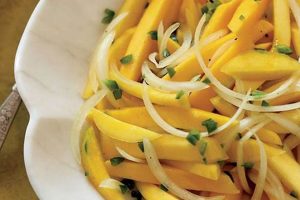
A guide to preparing som tum typically includes a list of ingredients such as shredded unripe papaya, tomatoes, long beans, garlic, chilies, fish sauce, lime juice, and palm sugar. These components are then combined, often using a mortar and pestle, to create a dish balancing sweet, sour, salty, spicy, and savory flavors. Variations exist, incorporating ingredients like dried shrimp, peanuts, or crab. A typical presentation involves a vibrant mix of colors and textures.
This dish offers more than just a flavorful experience. It represents a cornerstone of Thai cuisine, particularly in the northeastern Isaan region, reflecting cultural heritage and culinary traditions. The readily available ingredients and straightforward preparation make it a popular street food and home-cooked meal. Furthermore, the abundance of fresh vegetables and herbs contributes to its nutritional value. The balance of flavors makes it a refreshing and palate-cleansing element within a larger meal.
Detailed explorations of ingredient selection, preparation techniques, regional variations, and cultural significance will follow.
Tips for Authentic Thai Green Papaya Salad
Achieving an authentic and flavorful som tum experience relies on understanding key preparation techniques and ingredient nuances. The following tips offer guidance for optimal results.
Tip 1: Papaya Selection: Opt for firm, green papayas. Avoid overly ripe fruit, as it lacks the necessary crispness and can result in a mushy texture.
Tip 2: Balancing Flavors: The hallmark of this dish lies in the harmonious balance of sweet, sour, salty, and spicy. Adjust ingredient quantities based on personal preference, but maintain the core flavor profile. Start with smaller amounts of chili and gradually increase to reach desired heat levels.
Tip 3: The Mortar and Pestle: Traditional preparation involves using a mortar and pestle to bruise the ingredients, releasing their flavors and creating a unique texture. While alternative methods exist, the traditional approach yields the most authentic results. Gentle pounding, rather than grinding, is recommended.
Tip 4: Fresh Ingredients: Utilizing fresh, high-quality ingredients significantly impacts the final flavor. Source the best possible produce, including ripe tomatoes, crisp long beans, and fragrant herbs.
Tip 5: Lime Juice: Freshly squeezed lime juice provides superior flavor compared to bottled varieties. Adjust the quantity to achieve the desired level of tartness.
Tip 6: Fish Sauce: Fish sauce contributes a crucial salty and umami element. Experiment with different brands to find a preferred flavor profile.
Tip 7: Palm Sugar: Palm sugar provides sweetness and balances the other flavors. Adjust according to preference, considering the sweetness of the papaya itself.
By following these tips, one can achieve a truly authentic and flavorful Thai green papaya salad, capturing the essence of this iconic dish.
Armed with these insights, exploration of specific recipes and variations can begin.
1. Ingredients
The foundation of any successful Thai green papaya salad rests upon the careful selection and preparation of its ingredients. Each component contributes a distinct flavor and texture, creating a harmonious balance essential to the dish’s character. Understanding the role of each ingredient is crucial for achieving authentic results.
- Green Papaya
The star ingredient, providing the base flavor and textural element. Its firm, unripe nature offers a refreshing crispness and subtle vegetal sweetness. Selecting the right papaya is crucial; it should be firm to the touch with no soft spots.
- Flavoring Agents
Fish sauce, lime juice, palm sugar, and chilies form the core flavor profile, providing salty, sour, sweet, and spicy notes, respectively. Their precise balance distinguishes the dish, allowing for customization based on individual preferences. Authenticity relies on using quality fish sauce and freshly squeezed lime juice.
- Texture and Aroma
Tomatoes, long beans, garlic, and roasted peanuts contribute textural variety and aromatic complexity. Tomatoes offer bursts of juiciness, while long beans provide a satisfying snap. Garlic and peanuts introduce pungent and nutty notes. The interplay of these elements adds depth to the overall sensory experience.
- Regional Variations
Regional adaptations may incorporate ingredients like dried shrimp, salted crab, or fermented fish sauce (pla ra), introducing unique flavor profiles reflecting local culinary traditions. These variations demonstrate the dish’s adaptability and highlight the diverse culinary landscape of Thailand.
The interplay of these ingredients determines the final character of the salad. A successful outcome relies on sourcing fresh, high-quality components and understanding their respective contributions to the dish’s overall flavor profile. Mastery lies in achieving the delicate balance that defines authentic Thai green papaya salad.
2. Preparation

Preparation is the crucial bridge connecting the listed ingredients of a Thai green papaya salad recipe to the final, flavorful dish. It encompasses the techniques and processes that transform individual components into a cohesive, balanced culinary experience. The specific steps employed significantly influence the final texture, flavor release, and overall presentation.
- Bruising and Pounding
Employing a mortar and pestle is the traditional and arguably most effective method for preparing som tum. The pounding action bruises the ingredients, releasing their flavors and creating a unique, slightly softened yet still crisp texture. This method is essential for achieving the authentic character of the dish, as it allows the flavors to meld more effectively than simply chopping or mixing.
- Order of Operations
The sequence in which ingredients are added to the mortar is significant. Generally, harder ingredients like garlic and chilies are pounded first, followed by long beans and tomatoes. The papaya is typically added last to prevent over-bruising and maintain its desired texture. This methodical approach ensures even flavor distribution and optimal texture development.
- Balancing Flavors
Preparation involves not only combining ingredients but also actively balancing their flavors. Tasting and adjusting throughout the process is critical. The desired balance of sweet, sour, salty, spicy, and savory is achieved by carefully adding and integrating each component. This dynamic adjustment distinguishes an experienced preparation from a simple following of instructions.
- Visual Presentation
While flavor remains paramount, visual presentation also plays a role in the overall experience. The final arrangement of the salad in the serving dish contributes to its appeal. Garnishing with peanuts or fresh herbs enhances visual appeal and adds subtle aromatic notes.
Proper preparation elevates Thai green papaya salad from a simple mixture of ingredients to a vibrant and complex culinary creation. The techniques employed directly influence the final flavor profile, texture, and overall appeal, demonstrating the essential role of preparation in realizing the full potential of the recipe.
3. Balance

Balance forms the cornerstone of a successful Thai green papaya salad. This equilibrium isn’t merely a desirable characteristic; it’s the defining principle that elevates the dish from a collection of ingredients to a harmonious culinary experience. The balance in question refers to the interplay of five fundamental flavors: sweet, sour, salty, spicy, and savory (umami). Each flavor plays a distinct role, and their careful calibration determines the overall character of the salad. A recipe serves as a guide, offering proportions as a starting point, but true mastery lies in understanding how to adjust these proportions to achieve perfect harmony.
Consider the interplay of lime juice and palm sugar. Lime juice provides the sourness, acting as a refreshing counterpoint to the sweetness of palm sugar. The quantity of each must be adjusted according to the natural sweetness of the papaya itself, as variations in ripeness can influence the overall balance. Similarly, the level of spiciness from chilies should complement, not overwhelm, the other flavors. Fish sauce introduces the salty element and provides a depth of umami, binding the other flavors together. An excess of any single flavor can disrupt this delicate balance, resulting in a dish that is overly sweet, excessively sour, or unpleasantly spicy. Real-life examples abound, from street vendors expertly adjusting their ingredients based on customer preferences to home cooks carefully calibrating flavors to suit individual palates.
Understanding the concept of balance and its practical application is essential for anyone seeking to create an authentic and flavorful Thai green papaya salad. It underscores the dynamic nature of the recipe, emphasizing that precise measurements are less critical than the ability to taste, adjust, and refine throughout the preparation process. This understanding allows for adaptation based on available ingredients and personal preferences while maintaining the integrity of the dish’s core flavor profile. The pursuit of balance transforms a simple recipe into a nuanced exploration of flavor interaction.
4. Texture

Texture plays a critical role in the overall sensory experience of Thai green papaya salad. It is not merely a byproduct of the ingredients but a carefully orchestrated element contributing significantly to the dish’s appeal. The desired texture is a combination of crispness, juiciness, and a subtle chewiness, creating a dynamic interplay that elevates the dish beyond simple flavor. The recipe, through ingredient selection and preparation techniques, dictates this textural complexity.
- Papaya Preparation
The technique used to shred the papaya significantly influences the final texture. Traditionally, a special tool creates long, thin strands, providing a pleasant chewiness. Alternative methods, such as using a grater or knife, can result in shorter, less desirable pieces. The goal is to achieve a texture that offers resistance without being tough.
- Pounding Technique
The mortar and pestle are essential not only for flavor release but also for texture development. The pounding action softens the papaya and other vegetables without completely pulverizing them, maintaining a degree of crispness while allowing the flavors to meld. Over-pounding can lead to a mushy, undesirable texture.
- Ingredient Combination
The textural contrast between ingredients is crucial. The crisp papaya provides a foundation against which the crunch of peanuts, the snap of long beans, and the juiciness of tomatoes are highlighted. This interplay of textures creates a multi-dimensional sensory experience.
- Freshness of Ingredients
The texture of Thai green papaya salad is highly dependent on the freshness of its components. Using crisp, firm papaya and other fresh vegetables is paramount. Wilted or less-than-fresh ingredients will result in a compromised texture, detracting from the overall enjoyment of the dish.
The final texture of Thai green papaya salad is a testament to the careful balance between ingredient selection and preparation technique. Achieving the desired texture is an essential aspect of a successful recipe, highlighting the intricate relationship between process and outcome. It demonstrates that texture, like flavor, is a key component of the overall culinary experience, requiring attention and precision to fully realize the dish’s potential.
5. Variations

The seemingly simple “recipe for Thai green papaya salad” encompasses a surprising breadth of variations. These adaptations, far from being deviations, represent regional culinary traditions and individual preferences, demonstrating the dish’s adaptability and enduring appeal. Examining these variations provides insight into the dynamic nature of the recipe and its cultural significance.
- Regional Adaptations
Geographic location significantly influences ingredient selection and preparation methods. In Thailand’s Isaan region, pla ra (fermented fish sauce) is a common addition, contributing a pungent, umami richness. Coastal regions might incorporate salted crab or dried shrimp, reflecting the availability of seafood. These regional adaptations showcase the interplay between local ingredients and culinary traditions, demonstrating how a single recipe can evolve and diversify across different areas.
- Ingredient Substitutions
Variations extend beyond regional boundaries to include individual ingredient preferences and adaptations based on availability. Vegetarians might omit dried shrimp or fish sauce, compensating with additional lime juice or soy sauce. Green mango can sometimes substitute for green papaya, offering a similar textural profile with a slightly different flavor. These substitutions highlight the recipe’s flexibility and its capacity to accommodate dietary restrictions and ingredient availability.
- Balance Adjustments
While the core flavor profile remains consistent, the precise balance of sweet, sour, salty, and spicy can vary significantly. Some prefer a more pronounced sweetness, while others favor a fiery heat. These adjustments, often reflected in the quantity of chilies, lime juice, and palm sugar, personalize the dish, demonstrating that a single recipe can cater to a spectrum of individual palates. Street vendors, for example, often adjust the balance based on customer requests, showcasing the dynamic interplay between recipe and preference.
- Presentation Styles
Even the presentation of Thai green papaya salad can vary. While typically served as a standalone dish, it can also accompany grilled meats or sticky rice. Garnishes, such as roasted peanuts, dried chilies, or fresh herbs, can further enhance visual appeal and introduce subtle aromatic notes. These variations in presentation underscore the dish’s versatility and its ability to integrate into different culinary contexts.
Exploring these variations reveals the “recipe for Thai green papaya salad” as more than a fixed set of instructions; it represents a dynamic culinary framework adaptable to diverse ingredients, regional preferences, and individual tastes. These adaptations not only showcase the dish’s versatility but also offer a glimpse into the rich culinary tapestry of Thailand and its evolving food culture.
Frequently Asked Questions
This section addresses common inquiries regarding the preparation and enjoyment of Thai green papaya salad, providing clarification and guidance for both novice cooks and seasoned enthusiasts.
Question 1: Can ripe papaya be used in this salad?
Ripe papaya lacks the necessary firmness and possesses a sweetness unsuitable for this dish. Unripe, green papaya is essential for achieving the desired texture and flavor profile.
Question 2: Is a mortar and pestle required?
While alternative methods exist, a mortar and pestle is strongly recommended. It releases flavors and creates the authentic texture characteristic of the dish. Other methods may yield less desirable results.
Question 3: How can the level of spiciness be adjusted?
The quantity of chilies dictates the level of spiciness. Start with a small amount and gradually increase to achieve the desired heat. Fresh chilies offer more control over spiciness than dried chili flakes.
Question 4: What can be substituted for fish sauce in vegetarian preparations?
Soy sauce, or a vegetarian fish sauce alternative, can be used as a substitute. However, these substitutions will subtly alter the flavor profile. Adjust other seasonings accordingly.
Question 5: How long can the salad be stored?
It is best consumed immediately after preparation for optimal flavor and texture. Refrigeration can negatively impact the crispness of the papaya and dilute the flavors.
Question 6: Where can authentic ingredients be sourced?
Asian grocery stores typically offer a wider selection of ingredients, including specific types of fish sauce, palm sugar, and fresh produce essential for authentic flavors.
Understanding these common points of inquiry helps ensure a successful and enjoyable experience preparing and consuming Thai green papaya salad. Careful attention to ingredient selection, preparation techniques, and flavor balance yields optimal results.
Further exploration of Thai cuisine and its diverse culinary offerings will follow in subsequent sections.
Conclusion
Exploration of the components within a recipe for Thai green papaya salad reveals a dish deeply rooted in culinary tradition and cultural significance. From ingredient selection and preparation techniques to the delicate balance of flavors and textures, each aspect contributes to the dish’s unique character. Regional variations further demonstrate its adaptability and enduring appeal across diverse culinary landscapes. The seemingly simple act of combining shredded papaya, chilies, lime juice, and fish sauce transforms into a complex interplay of taste and texture, reflecting the rich heritage of Thai cuisine.
An understanding of the principles underlying this iconic dish empowers culinary exploration and appreciation for the nuanced artistry inherent within Thai gastronomy. Continued exploration of such culinary traditions promises deeper insights into the cultural narratives embedded within food preparation and consumption.