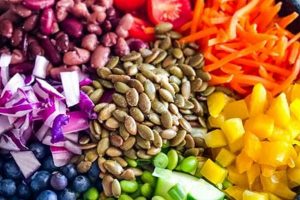
Refreshing and flavorful, salads inspired by Italian cuisine typically feature fresh, high-quality ingredients like crisp lettuce, ripe tomatoes, other seasonal vegetables, and often include cheeses such as mozzarella or provolone, olives, cured meats like salami or prosciutto, and a simple vinaigrette. An example might include romaine lettuce, cherry tomatoes, cucumber, red onion, bell pepper, artichoke hearts, Kalamata olives, fresh mozzarella, and a light lemon-herb dressing.
These salads offer a balance of nutrients, textures, and flavors, making them a versatile dish. Historically, Italian cuisine has emphasized fresh, local ingredients, and the salad reflects this tradition. They can be served as a light lunch, a starter course, or a side dish alongside grilled meats or pasta. The emphasis on fresh produce contributes to a healthy diet, and the customizable nature allows for catering to various dietary preferences.
Exploring specific regional variations, ingredient combinations, and dressing options will provide a deeper understanding of the art of crafting delicious and authentic Italian-inspired salads.
Tips for Crafting Excellent Italian-Inspired Salads
Creating a truly delicious Italian-style salad involves more than simply tossing ingredients together. Attention to detail, from ingredient selection to dressing preparation, elevates the final dish. These tips offer guidance for achieving optimal results.
Tip 1: Prioritize High-Quality Ingredients: The foundation of any good salad lies in fresh, flavorful produce. Opt for ripe, in-season vegetables and herbs whenever possible. Locally sourced ingredients often offer superior taste and support regional agriculture.
Tip 2: Balance Flavors and Textures: Strive for a harmonious blend of flavors and textures. Combine sweet and savory elements, crunchy and soft textures, and acidic and creamy components. Consider adding a variety of vegetables, cheeses, and a protein element.
Tip 3: Dress Lightly and Strategically: Avoid drowning the salad in dressing. A light coating enhances the flavors of the ingredients without overpowering them. Consider using high-quality olive oil and vinegar, and season the dressing appropriately.
Tip 4: Don’t Overcrowd the Bowl: Allow the ingredients room to breathe. Overcrowding the bowl can make the salad difficult to toss and serve. Consider using a larger bowl or serving the salad on individual plates.
Tip 5: Add Cheese and Cured Meats Sparingly: While cheese and cured meats add flavor and complexity, use them judiciously. Too much can overpower the other ingredients and make the salad heavy.
Tip 6: Time the Addition of Delicate Ingredients: Add delicate ingredients, such as fresh herbs or soft cheeses, just before serving to prevent them from wilting or becoming soggy.
Tip 7: Experiment with Regional Variations: Italian cuisine varies regionally. Research different regional salad styles for inspiration, exploring variations like Caprese salad or adding regional specialties.
By following these tips, one can consistently create delicious and authentic Italian-inspired salads that showcase the best of fresh, seasonal ingredients.
These guidelines provide a strong base for crafting delicious Italian-style salads. Further exploration into specific recipes and regional variations will enhance one’s culinary repertoire.
1. Fresh, Seasonal Ingredients
The cornerstone of authentic Italian salads lies in the utilization of fresh, seasonal ingredients. This emphasis on seasonality reflects a deep respect for natural flavors and optimal ripeness, resulting in salads that burst with flavor and nutritional value. Understanding this principle is fundamental to crafting truly exceptional Italian-inspired salads.
- Peak Season Produce:
Utilizing produce at its peak ripeness guarantees optimal flavor and texture. Tomatoes in the summer, for example, offer a sweetness and juiciness unmatched by those harvested out of season. This commitment to peak season produce allows the natural flavors of the ingredients to shine, minimizing the need for complex or heavy dressings. Examples include selecting ripe tomatoes during summer months, opting for winter greens like radicchio during colder seasons, and incorporating fresh basil when it is most fragrant.
- Local Sourcing:
Sourcing ingredients locally, when possible, further enhances the freshness and quality of the salad. Locally grown produce often travels shorter distances, resulting in less time between harvest and consumption. This translates to enhanced flavor and nutritional value. Supporting local farmers also strengthens community ties and promotes sustainable agricultural practices. Choosing produce from local farmers’ markets or community-supported agriculture programs offers access to the freshest, most flavorful options.
- Ingredient Pairing:
Selecting seasonal ingredients naturally lends itself to harmonious ingredient pairings. For instance, summer salads might feature ripe tomatoes, fresh mozzarella, and basil, a classic combination that celebrates the flavors of the season. Similarly, autumn salads could incorporate roasted root vegetables like beets and carrots alongside bitter greens like arugula. This mindful approach to ingredient selection ensures balanced and complementary flavors within the salad.
- Simplicity and Quality:
Fresh, seasonal ingredients require minimal manipulation. Their inherent flavors stand on their own, often requiring only a simple dressing of high-quality olive oil, vinegar, and a touch of seasoning. This emphasis on simplicity highlights the natural flavors of the ingredients and allows the quality of the produce to take center stage. This approach aligns with the core principles of Italian cuisine, which emphasizes fresh, high-quality ingredients prepared with minimal intervention.
By embracing the principle of seasonality and prioritizing fresh, locally sourced ingredients, one can elevate Italian salads from simple side dishes to vibrant culinary experiences that celebrate the bounty of nature. This approach allows for a deeper appreciation of the inherent flavors within each ingredient, showcasing the true essence of Italian culinary tradition.
2. Balanced Flavor Profiles

Balanced flavor profiles are essential to crafting exceptional Italian salads. The interplay of sweet, sour, salty, bitter, and umami elements creates a harmonious and satisfying culinary experience. Achieving this balance elevates the salad beyond a simple combination of ingredients, transforming it into a complex and nuanced dish.
- Sweetness and Acidity:
The interplay of sweetness and acidity provides a foundational balance in Italian salads. Ripe tomatoes offer natural sweetness, while acidic elements like vinegar or lemon juice provide brightness and cut through richness. This balance prevents the salad from being overly sweet or tart. A classic example is the Caprese salad, where the sweetness of ripe tomatoes is balanced by the acidity of fresh mozzarella and a balsamic glaze.
- Salty and Bitter Notes:
Salty and bitter notes add depth and complexity to the flavor profile. Ingredients like olives, cured meats, and cheeses contribute saltiness, while bitter greens such as arugula or radicchio offer a contrasting counterpoint. This interplay prevents the salad from being bland or one-dimensional. For example, a salad featuring prosciutto, olives, and arugula showcases this balance effectively.
- Umami Inclusion:
Umami, the savory fifth taste, adds a rich and satisfying element to Italian salads. Ingredients like Parmesan cheese, sun-dried tomatoes, or anchovies contribute umami notes, enhancing the overall flavor profile and adding depth. Incorporating even a small amount of an umami-rich ingredient can significantly elevate the salad’s complexity. A sprinkle of shaved Parmesan or the inclusion of a few finely chopped anchovies exemplifies this principle.
- Textural Considerations:
Texture plays a crucial role in balanced flavor profiles. A combination of crunchy, creamy, and chewy textures creates a more engaging and enjoyable eating experience. Crisp lettuce, creamy mozzarella, and crunchy croutons provide textural variation, enhancing the overall sensory experience. Attention to texture elevates the salad beyond simply taste, creating a multi-faceted culinary experience.
By carefully considering the interplay of these flavor elements and textures, one can create Italian salads that are not only delicious but also demonstrate a sophisticated understanding of balanced flavor profiles. This approach elevates the salad from a simple side dish to a complex and satisfying culinary creation, reflecting the core principles of Italian culinary artistry.
3. High-Quality Olive Oil
High-quality olive oil is an indispensable component of good Italian salad recipes. It serves not merely as a dressing ingredient, but as a flavor enhancer that elevates the overall sensory experience. The selection and use of olive oil significantly impact the final result, influencing both taste and texture. Understanding the nuances of olive oil quality is crucial for crafting truly exceptional Italian-inspired salads.
- Flavor Complexity:
High-quality olive oil offers a complex flavor profile, contributing fruity, peppery, or even herbaceous notes to the salad. These nuanced flavors enhance the taste of the other ingredients, adding depth and complexity. For instance, a robust Tuscan olive oil with peppery notes can complement the sweetness of ripe tomatoes, while a delicate Ligurian oil with fruity undertones might pair well with seafood salads. The chosen olive oil becomes an integral part of the overall flavor composition.
- Acidity and Freshness:
Acidity is a key indicator of olive oil quality. Lower acidity levels signify freshness and a higher concentration of antioxidants. Freshness translates to a brighter, more vibrant flavor that enhances the salad’s overall taste. Conversely, oxidized or rancid oil detracts from the culinary experience. Selecting an extra virgin olive oil with a low acidity level is essential for optimal flavor and health benefits.
- Texture and Mouthfeel:
Beyond flavor, high-quality olive oil contributes to the salad’s texture and mouthfeel. It provides a luxurious, velvety coating to the ingredients, enhancing their palatability. This textural element adds another dimension to the sensory experience, creating a more satisfying and enjoyable meal. The viscosity and mouthfeel of the olive oil contribute to the overall perception of quality.
- Health Benefits:
Beyond its culinary contributions, high-quality olive oil offers numerous health benefits. Rich in monounsaturated fats and antioxidants, it contributes to a healthy diet. These benefits align with the emphasis on fresh, wholesome ingredients characteristic of Italian cuisine. Choosing extra virgin olive oil maximizes these health advantages, further enhancing the value of the salad as a nutritious meal component.
The choice of olive oil directly impacts the overall quality and flavor profile of an Italian salad. Selecting a high-quality extra virgin olive oil elevates the dish, transforming it from a simple combination of ingredients into a nuanced culinary experience that showcases the best of Italian gastronomy. By understanding the importance of olive oil quality, one can truly appreciate its crucial role in crafting exceptional Italian-inspired salads.
4. Artful Ingredient Combinations

Artful ingredient combinations distinguish exceptional Italian salads from mere assemblages of components. The thoughtful interplay of flavors, textures, and colors elevates the salad to a culinary art form. This principle hinges on understanding the inherent properties of each ingredient and how they interact to create a harmonious and balanced whole. A well-composed Italian salad engages multiple senses, offering a complex and satisfying experience.
- Balancing Contrasting Flavors:
Italian salads often juxtapose contrasting flavors to create depth and complexity. The sweetness of ripe tomatoes might be balanced by the peppery bite of arugula, while the saltiness of prosciutto finds a counterpoint in the creamy richness of mozzarella. These contrasts stimulate the palate and prevent the salad from becoming monotonous. The interplay of these opposing flavors creates a dynamic and engaging culinary experience.
- Textural Variety:
A variety of textures contributes to a more enjoyable and satisfying salad. Crisp lettuce provides a foundation, while additions like crunchy croutons, creamy cheese, and chewy cured meats introduce textural contrasts. This interplay of textures elevates the sensory experience beyond mere taste, adding a tactile dimension to the enjoyment of the salad. The combination of contrasting textures creates a multi-faceted culinary experience.
- Visual Appeal:
The visual presentation of an Italian salad is as important as its flavor profile. Vibrant colors from fresh produce, like the deep red of tomatoes, the bright green of basil, and the stark white of mozzarella, create an aesthetically pleasing composition. This visual appeal enhances the dining experience, stimulating appetite and adding to the overall enjoyment of the meal. A well-composed salad is a feast for the eyes as well as the palate.
- Seasonality and Regionality:
Artful ingredient combinations often reflect the seasonality and regionality of Italian cuisine. A summer salad might feature fresh tomatoes, basil, and mozzarella, showcasing the bounty of the season. Conversely, an autumn salad could incorporate roasted root vegetables and hearty greens. These regional and seasonal variations highlight the diversity of Italian culinary traditions and the adaptability of the salad format. This approach celebrates the unique flavors of each season and region.
The art of combining ingredients in Italian salads transcends mere recipe following. It represents a deep understanding of flavor profiles, textures, and visual aesthetics. A well-composed Italian salad is a testament to the culinary creativity and respect for fresh, high-quality ingredients that define Italian cuisine. These artful combinations transform simple ingredients into a harmonious and satisfying culinary experience, showcasing the essence of Italian gastronomic artistry.
5. Simple, Complementary Dressings
In the realm of Italian cuisine, the concept of “simple, complementary dressings” plays a pivotal role in crafting exceptional salads. These dressings are not intended to mask the flavors of fresh, high-quality ingredients but rather to enhance and harmonize them. The simplicity of these dressings allows the natural flavors of the produce to shine through, creating a balanced and refreshing culinary experience. A deep dive into the components and implications of such dressings reveals their significance in achieving truly authentic and delicious Italian salads.
- High-Quality Olive Oil as a Base:
Extra virgin olive oil serves as the foundation of most Italian salad dressings. Its rich flavor and smooth texture provide a coating that enhances the palatability of the ingredients. The quality of the olive oil directly impacts the overall flavor of the dressing, making the selection of a premium extra virgin olive oil paramount. For instance, a Tuscan olive oil with robust peppery notes can complement a salad featuring hearty greens and cured meats, while a milder Ligurian olive oil with fruity undertones might pair well with a delicate seafood salad. The olive oil itself becomes an integral flavor component, not merely a vehicle for other ingredients.
- Emphasis on Freshly Squeezed Citrus:
Freshly squeezed lemon or orange juice contributes brightness and acidity to Italian salad dressings. This acidity balances the richness of the olive oil and other ingredients, creating a refreshing contrast. The use of fresh citrus juice, as opposed to bottled varieties, ensures a vibrant and authentic flavor profile. Lemon juice, for example, pairs well with seafood and vegetables, while orange juice can complement salads featuring bitter greens or sweeter fruits. This emphasis on fresh citrus highlights the importance of simplicity and natural flavors in Italian cuisine.
- Subtle Use of Herbs and Spices:
Herbs and spices are used judiciously in Italian salad dressings, enhancing the overall flavor profile without overpowering the primary ingredients. Fresh basil, oregano, or a pinch of red pepper flakes can add depth and complexity to the dressing. These additions are carefully chosen to complement the other flavors in the salad, creating a harmonious blend. A Caprese salad, for instance, might benefit from a few fresh basil leaves, while a salad featuring roasted vegetables could be enhanced with a sprinkle of oregano. The subtle use of herbs and spices demonstrates the Italian culinary principle of allowing the natural flavors of the ingredients to shine through.
- Minimalist Approach to Other Ingredients:
Italian salad dressings often eschew complex ingredients or elaborate techniques. A simple vinaigrette consisting of olive oil, citrus juice, salt, and pepper can be remarkably effective in enhancing the flavors of a fresh salad. This minimalist approach reflects the Italian culinary philosophy of prioritizing high-quality ingredients and allowing their natural flavors to take center stage. Resisting the temptation to add excessive ingredients or complex flavor combinations ensures that the focus remains on the freshness and quality of the produce.
The synergy between simple, complementary dressings and high-quality, seasonal ingredients forms the foundation of exceptional Italian salads. These dressings, far from being mere afterthoughts, play a crucial role in elevating the overall dining experience. By adhering to the principles of simplicity, balance, and freshness, one can create Italian-inspired salads that showcase the true essence of Italian culinary artistry. This approach emphasizes the harmonious interplay of flavors, textures, and aromas, resulting in a dish that is both refreshing and deeply satisfying. The simplicity of the dressing allows the quality of the ingredients to shine through, creating a truly authentic and memorable culinary experience.
Frequently Asked Questions
This section addresses common inquiries regarding the creation of authentic and flavorful Italian-inspired salads.
Question 1: What type of lettuce is best suited for Italian salads?
While romaine is a popular choice, various lettuces, including butter lettuce, radicchio, and arugula, can be incorporated depending on the desired flavor profile. Arugula offers a peppery bite, while butter lettuce provides a delicate sweetness. The choice of lettuce contributes significantly to the overall taste and texture of the salad.
Question 2: Can one substitute other cheeses for mozzarella in Italian salads?
Mozzarella is traditional, but other Italian cheeses, such as provolone, ricotta salata, or gorgonzola, offer interesting flavor variations. Consider the overall flavor profile of the salad when selecting a cheese. Provolone adds a sharper, more savory note, while ricotta salata contributes a salty, crumbly texture. Gorgonzola offers a pungent and creamy element.
Question 3: What is the best way to prevent a salad from becoming soggy?
Dress the salad just before serving. Adding the dressing too early can cause the lettuce to wilt and become soggy. Additionally, ensure the lettuce is thoroughly dried after washing to prevent excess moisture. Storing the dressing separately and tossing the salad immediately before serving helps maintain its crispness.
Question 4: Are there vegetarian options for Italian salads?
Numerous vegetarian options exist. Focus on incorporating a variety of fresh vegetables, cheeses, and perhaps some beans or nuts for added protein and texture. Roasted vegetables, such as bell peppers, zucchini, or eggplant, can add depth of flavor. A simple vinaigrette complements the fresh ingredients without the need for meat-based additions.
Question 5: How can one adapt Italian salad recipes for different dietary restrictions?
Adapting recipes is straightforward. Gluten-free versions can omit croutons or use gluten-free bread alternatives. Vegan options can replace cheese with plant-based alternatives or omit it altogether, focusing on the vegetables and a flavorful vinaigrette. Adjustments can be made to accommodate various dietary needs while preserving the essence of Italian flavors.
Question 6: What are some common mistakes to avoid when making Italian salads?
Common mistakes include using low-quality olive oil, overdressing the salad, and neglecting the balance of flavors. Prioritizing fresh, high-quality ingredients and employing a light hand with the dressing are crucial for a successful outcome. Attention to the balance of sweet, sour, salty, and bitter elements ensures a complex and satisfying flavor profile.
Understanding these fundamental principles enables the creation of delicious and authentic Italian salads that showcase the best of fresh, seasonal ingredients. Proper technique and attention to detail elevate the salad from a simple side dish to a star component of any meal.
Further exploration of specific regional variations and ingredient combinations will enhance one’s understanding and appreciation of Italian culinary traditions.
Crafting Authentic Italian Salads
Exploration of optimal Italian salad construction reveals the importance of fresh, seasonal ingredients, balanced flavor profiles, high-quality olive oil, artful ingredient combinations, and simple, complementary dressings. Each element contributes significantly to the overall sensory experience, transforming a basic salad into a culinary expression of Italian gastronomic principles. Emphasis on ingredient quality and a minimalist approach to preparation allows the natural flavors to shine through, resulting in a dish that is both refreshing and deeply satisfying. The balance of sweet, sour, salty, bitter, and umami notes creates complexity, while the interplay of textures adds another dimension to the culinary experience.
Mastery of these fundamental principles unlocks the potential for crafting truly exceptional Italian salads. Continued exploration of regional variations and seasonal adaptations offers opportunities for culinary creativity and a deeper appreciation of Italian culinary traditions. The pursuit of excellence in Italian salad preparation represents a commitment to quality, freshness, and the celebration of simple, yet profound, culinary principles. By embracing these principles, one can elevate the simple salad to an art form, showcasing the essence of Italian gastronomy.