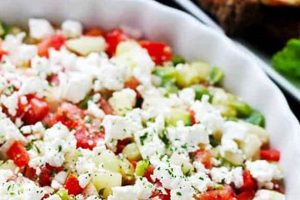
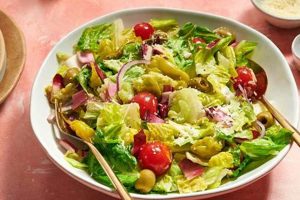
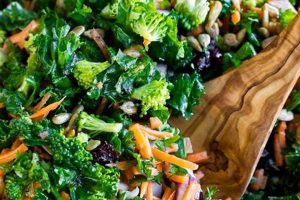
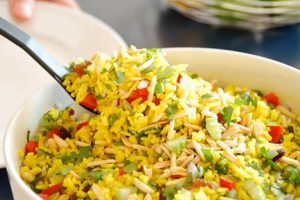
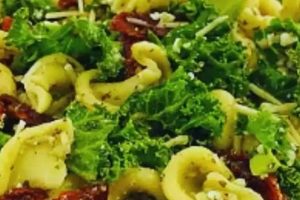
A dish featuring small steamed granules of semolina wheat as its base, combined with various ingredients like vegetables, herbs, spices, and often a protein source such as chickpeas, grilled chicken, or fish. A simple preparation might include chopped cucumber, tomatoes, parsley, mint, lemon juice, and olive oil, while more complex versions can incorporate dried fruits, nuts, roasted vegetables, or different vinaigrettes.
This type of dish offers a nutritious and versatile meal option. It is a good source of complex carbohydrates, fiber, and plant-based protein. Its adaptability to diverse flavors and ingredients allows for customization to suit various dietary preferences and regional cuisines. Historically, couscous originated in North Africa and remains a staple food in many countries. Its ease of preparation and combination with readily available fresh produce contribute to its enduring popularity.
Further exploration of this culinary topic will cover variations, preparation methods, nutritional information, and tips for creating flavorful combinations.
Tips for Couscous Salad Preparation
Achieving optimal flavor and texture requires attention to key preparation details. The following tips offer guidance for creating successful dishes.
Tip 1: Toast the Couscous: Briefly toasting the couscous in a dry pan before adding liquid enhances its nutty flavor and prevents a mushy texture.
Tip 2: Use the Correct Liquid Ratio: Follow package instructions for the precise liquid-to-couscous ratio. Too much liquid results in a sticky consistency, while too little leads to dryness.
Tip 3: Fluff with a Fork: Once cooked, fluff the couscous with a fork to separate the granules and prevent clumping. This allows for even distribution of ingredients and dressing.
Tip 4: Incorporate Fresh Ingredients: Fresh vegetables, herbs, and fruits contribute vibrant flavors and textures. Consider seasonal produce for optimal taste and quality.
Tip 5: Balance Flavors: Combine sweet, savory, acidic, and herbaceous elements for a well-rounded flavor profile. A touch of sweetness from dried fruits or a squeeze of citrus can brighten the dish.
Tip 6: Dress Lightly: Avoid overdressing the salad, as this can make it soggy. Start with a small amount of dressing and add more as needed.
Tip 7: Chill Before Serving (Optional): Chilling the salad allows the flavors to meld and enhances the refreshing qualities, particularly beneficial in warmer weather.
Attention to these details ensures a flavorful, well-textured dish. These techniques elevate a simple preparation to a satisfying culinary experience.
By following these guidelines, one can consistently create delicious and satisfying couscous salads.
1. Couscous (ingredient)

Couscous, derived from durum wheat semolina, forms the foundational element of a couscous salad recipe. Its preparation, involving steaming rather than boiling, yields a light, fluffy texture distinct from other grains. This characteristic significantly influences the overall composition and palate of the salad, contributing a delicate, slightly nutty flavor that complements a wide array of ingredients. The absorptive nature of couscous allows it to readily soak up dressings and the flavors of accompanying vegetables, herbs, and proteins, creating a cohesive and flavorful dish. For instance, a lemon-herb vinaigrette enhances the subtle nuttiness of couscous, while a harissa-based dressing infuses it with warmth and spice. This foundational role distinguishes couscous from other grains like rice or quinoa, which possess stronger inherent flavors and textures.
The size and shape of couscous granules further impact the recipe. Their small, round form provides a pleasant mouthfeel and facilitates even distribution of ingredients throughout the salad. This granular consistency contrasts with the larger, more distinct textures of other grains, making couscous particularly suitable for salads where a cohesive blend of flavors and textures is desired. Consider a Mediterranean salad with chopped cucumbers, tomatoes, feta cheese, and olives; the couscous provides a neutral backdrop, allowing the vibrant flavors of the other ingredients to shine. This textural aspect also distinguishes couscous salads from pasta salads, which typically feature larger, more substantial pasta shapes.
Understanding couscous’s neutral flavor profile and unique textural contribution is crucial for creating a well-balanced and appealing salad. It allows for a versatile canvas upon which to build diverse flavor profiles, ranging from light and refreshing to rich and savory. Successfully leveraging these inherent qualities of couscous distinguishes a simple mixture of ingredients from a carefully composed and flavorful culinary creation. Further exploration of couscous varieties, such as pearl or Israeli couscous, can broaden culinary possibilities and add depth to recipe development.
2. Vegetables (inclusion)

The inclusion of vegetables in a couscous salad recipe is paramount, contributing not only essential nutrients but also vibrant colors, diverse textures, and nuanced flavors. Vegetables transform couscous from a simple grain base into a complex and satisfying culinary experience. Their presence elevates the nutritional value and provides a refreshing counterpoint to the delicate flavor of the couscous.
- Textural Variety
Vegetables introduce a range of textures, enhancing the overall sensory experience. Crisp cucumbers and bell peppers contrast with softer roasted vegetables like zucchini or eggplant. This interplay of textures creates a more dynamic and appealing salad, preventing monotony and stimulating the palate. For example, the crunch of raw carrots complements the soft texture of cooked chickpeas and the fluffy couscous.
- Nutritional Enhancement
Vegetables enrich the couscous salad with essential vitamins, minerals, and dietary fiber. Leafy greens like spinach or kale provide folate and vitamin K, while colorful bell peppers offer vitamin C and antioxidants. Incorporating a variety of vegetables ensures a broader spectrum of nutrients, contributing to a more healthful and balanced meal. A salad with roasted sweet potatoes, for example, adds vitamin A and complex carbohydrates.
- Flavor Dimensions
Vegetables contribute a wide array of flavors, complementing the subtle nuttiness of couscous. Sweet tomatoes, pungent red onions, and earthy mushrooms add depth and complexity to the overall flavor profile. These diverse flavors create a more nuanced and satisfying culinary experience, moving beyond basic tastes to a more sophisticated interplay of savory, sweet, and sometimes even slightly bitter notes. The peppery bite of arugula, for instance, contrasts beautifully with the sweetness of roasted butternut squash.
- Visual Appeal
The vibrant colors of vegetables enhance the visual appeal of the couscous salad. Deep green spinach, bright red tomatoes, and sunny yellow corn create a visually stimulating dish that is as appealing to the eye as it is to the palate. This visual appeal plays a crucial role in the overall dining experience, making the salad more enticing and enjoyable. A salad featuring a rainbow of colorful vegetables is inherently more attractive than one with limited color variation.
The strategic inclusion of vegetables is thus integral to a successful couscous salad recipe. Their contributions extend beyond mere additions; they are crucial components that elevate the dish from basic sustenance to a vibrant and nutritious culinary creation. By thoughtfully selecting and preparing vegetables, one can create a couscous salad that is both delicious and beneficial to overall well-being, highlighting the synergistic relationship between flavor, texture, nutrition, and visual presentation.
3. Dressing (flavor)

Dressing plays a crucial role in a couscous salad recipe, acting as the unifying element that binds the diverse ingredients and elevates the overall flavor profile. It provides the essential bridge between the subtle taste of couscous and the often-varied flavors of the added vegetables, herbs, and proteins. The choice of dressing significantly impacts the final character of the salad, influencing whether it leans towards bright and citrusy, rich and savory, or subtly spiced. A lemon-herb vinaigrette, for example, imparts a refreshing tang, while a tahini-based dressing adds creamy richness and nutty depth.
The effectiveness of a dressing hinges on its ability to complement and enhance, rather than overpower, the other components of the salad. A delicate balance of acidity, sweetness, and savory notes is key. Overly acidic dressings can mask the subtle flavors of the vegetables, while excessively sweet dressings can create an unbalanced profile. The viscosity of the dressing also plays a role; a lighter vinaigrette coats the couscous and vegetables evenly, allowing their individual flavors to shine through, whereas a thicker, creamier dressing adds a richer mouthfeel and can bind the ingredients more cohesively. Consider a Greek salad with couscous; a light lemon-oregano vinaigrette allows the flavors of the feta, olives, and cucumbers to stand out, whereas a thicker yogurt-based dressing might overwhelm these delicate flavors.
Understanding the interplay between dressing and the other ingredients is fundamental to creating a well-balanced and flavorful couscous salad. Careful consideration of acidity, sweetness, and texture ensures the dressing complements rather than competes with the other elements. This harmonious integration of flavors transforms a simple assemblage of ingredients into a cohesive and satisfying culinary creation. The dressing acts as the conductor, orchestrating the individual flavors into a harmonious whole, demonstrating the crucial role of a well-chosen dressing in elevating a couscous salad from basic to exceptional.
4. Herbs & Spices (enhancement)
Herbs and spices play a transformative role in couscous salad recipes, elevating them from simple to complex culinary creations. They infuse the dish with aromatic depth, adding layers of flavor that complement the subtle taste of couscous and the other ingredients. Strategic use of herbs and spices can transport a couscous salad to different culinary landscapes, evoking regional cuisines and adding a touch of culinary artistry. A Moroccan-inspired salad might feature the warm spice of cumin and the fragrant earthiness of coriander, while a Mediterranean version could incorporate the bright, herbaceous notes of oregano and mint.
- Fresh Herbs: Brightness and Vibrancy
Fresh herbs contribute a vibrant and refreshing element to couscous salads. Parsley, mint, cilantro, and dill inject a burst of flavor and aroma, enhancing the overall sensory experience. Their delicate nature requires careful handling; adding them towards the end of preparation preserves their vibrant flavors and prevents wilting. Chopped fresh mint, for example, adds a cooling element to a salad with grilled chicken and cucumber, while cilantro provides a zesty touch to a dish featuring black beans and corn.
- Dried Spices: Depth and Complexity
Dried spices introduce deeper, more complex flavors to couscous salads. Cumin, coriander, paprika, and turmeric add warmth and earthiness, creating a more robust flavor profile. Toasting spices before grinding them further intensifies their aromatic qualities. A pinch of smoked paprika, for example, lends a smoky depth to a salad with roasted vegetables, while cumin adds a warm, earthy note to a dish with chickpeas and dried apricots.
- Spice Blends: Cultural Influence
Pre-mixed spice blends offer a convenient way to incorporate complex flavor profiles inspired by various culinary traditions. Ras el hanout, a North African blend, introduces a warm, aromatic complexity, while za’atar, a Middle Eastern blend, adds a herbaceous and slightly tangy dimension. These blends offer a shortcut to achieving authentic flavors without the need to source individual spices. Incorporating ras el hanout into a couscous salad with lamb and dried fruit creates a distinctly Moroccan flavor profile.
- Balancing Flavors: Harmony and Contrast
Achieving a harmonious balance of flavors is essential when incorporating herbs and spices. The goal is to enhance, not overpower, the other ingredients. Consider the interplay between the herbs, spices, and the other components of the salad. A salad featuring delicate vegetables might benefit from subtle herbs like dill or chives, while a more robust salad with roasted meats could handle bolder spices like cumin or paprika. Balancing the intensity of the herbs and spices ensures a cohesive and enjoyable culinary experience.
The judicious use of herbs and spices transforms a basic couscous salad into a multi-dimensional culinary experience. They contribute not only flavor and aroma but also visual appeal, adding depth and complexity to the dish. By understanding the nuances of various herbs and spices and their interplay with other ingredients, one can create couscous salads that are as flavorful as they are visually appealing, demonstrating the power of these aromatic additions to elevate a simple dish to a culinary masterpiece.
5. Preparation method (technique)

Preparation method significantly influences the final outcome of a couscous salad recipe. Proper technique ensures optimal texture, flavor absorption, and overall palatability. Understanding the nuances of couscous preparation, from hydrating the grains to incorporating ingredients, is crucial for achieving a successful dish. Different approaches yield varied results, impacting the salad’s overall quality and sensory experience.
- Couscous Hydration
Proper couscous hydration is fundamental. The method employed, whether using boiling water or broth, impacts the grain’s texture and flavor absorption. Boiling water yields a lighter, fluffier texture, while broth infuses the couscous with subtle savory notes. The liquid-to-couscous ratio is also crucial, influencing the final consistency. Too much liquid results in a mushy texture, while too little leads to dry, separated grains. Precise measurements and attention to detail during this initial stage significantly impact the final result.
- Ingredient Incorporation
The timing and method of ingredient incorporation affect both flavor and texture. Adding delicate ingredients like fresh herbs towards the end preserves their vibrancy, while incorporating heartier vegetables earlier allows them to meld with the other flavors. The order of addition influences how flavors interact and develop within the salad. For example, adding roasted vegetables while still warm allows their flavors to permeate the couscous, creating a more cohesive flavor profile.
- Dressing Emulsification and Incorporation
Proper emulsification of the dressing, if applicable, ensures a stable and evenly distributed flavor throughout the salad. Whisking or blending the dressing ingredients thoroughly combines the oil and acidic components, creating a smooth and cohesive texture. The timing of dressing incorporation also matters; adding the dressing too early can lead to a soggy salad, while adding it just before serving maintains the individual textures of the ingredients. A light coating of dressing enhances the flavors without overwhelming the other components.
- Chilling and Resting
Chilling the couscous salad allows the flavors to meld and develop greater complexity. Resting the salad for a period after preparation, whether chilled or at room temperature, allows the ingredients to harmonize and the flavors to deepen. This step is particularly beneficial for salads with complex flavor profiles, allowing the nuances of the herbs, spices, and other ingredients to fully integrate. Chilling also enhances the refreshing qualities of the salad, making it particularly enjoyable in warmer weather.
Mastering these preparation techniques elevates a couscous salad from a simple mixture of ingredients to a carefully composed dish with balanced flavors and optimal texture. Attention to detail in each stage, from couscous hydration to ingredient incorporation, is crucial for achieving a successful and satisfying culinary outcome. These methods, when executed correctly, enhance the sensory experience and demonstrate the crucial role of proper technique in maximizing the potential of a couscous salad recipe.
6. Serving suggestions (presentation)
Serving suggestions significantly impact the overall enjoyment of a couscous salad recipe. Presentation elevates the dining experience, transforming a simple dish into a visually appealing and appetizing meal. Consideration of serving temperature, accompanying dishes, and plating techniques enhances the sensory experience and reflects the care taken in preparation. Thoughtful presentation demonstrates attention to detail and elevates the perceived value of the dish.
- Temperature Considerations
Serving temperature significantly influences the flavor profile and textural nuances of a couscous salad. A chilled salad offers a refreshing contrast in warm weather, highlighting the bright flavors of fresh vegetables and herbs. Room temperature service allows the subtle nuttiness of the couscous and the individual flavors of the ingredients to shine through. Consider the specific ingredients and the desired sensory experience when determining the optimal serving temperature. A salad with grilled vegetables, for example, might be best served warm or at room temperature to enhance the smoky flavors, while a salad with fresh cucumbers and mint benefits from being chilled.
- Complementary Dishes
Pairing a couscous salad with complementary dishes creates a balanced and satisfying meal. Grilled meats, roasted vegetables, or simple proteins like grilled fish or chicken enhance the overall dining experience. Consider the flavor profile of the salad when selecting accompanying dishes. A Moroccan-inspired couscous salad with dried apricots and harissa paste might pair well with grilled lamb, while a Mediterranean version with feta and olives complements grilled fish or chicken. The combination of flavors and textures creates a more complete and satisfying culinary experience.
- Plating Techniques
Plating techniques enhance the visual appeal and perceived value of the couscous salad. Using a mold to shape the salad adds an element of elegance, while garnishing with fresh herbs or a sprinkle of spices provides a finishing touch. Consider the overall aesthetic and the desired impression when selecting plating techniques. A simple scattering of chopped herbs adds a touch of freshness, while a more elaborate arrangement using a mold and edible flowers creates a visually stunning presentation. Thoughtful plating elevates the dining experience and demonstrates attention to detail.
- Portioning and Serving Style
Portioning and serving style contribute to the practicality and enjoyment of the meal. Individual portions in small bowls or glasses offer a convenient and elegant presentation, particularly for larger gatherings or buffet-style meals. Family-style service in a larger bowl encourages sharing and creates a communal dining experience. Consider the context and the number of diners when determining portioning and serving style. Individual portions offer greater control over portion size and presentation, while family-style service encourages interaction and a shared dining experience.
Serving suggestions are integral to the overall enjoyment of a couscous salad. Careful consideration of temperature, accompaniments, plating, and portioning elevates the dining experience, transforming a simple dish into a memorable culinary creation. These elements, when thoughtfully executed, demonstrate an appreciation for detail and enhance the sensory appeal of the couscous salad, making it as visually appealing as it is flavorful. By attending to these aspects of presentation, one can elevate a simple couscous salad from a basic meal to a truly satisfying and enjoyable culinary experience.
Frequently Asked Questions
This section addresses common inquiries regarding couscous salad recipes, providing concise and informative responses to clarify potential uncertainties and enhance understanding of this versatile dish.
Question 1: What is the ideal liquid-to-couscous ratio?
The ideal liquid-to-couscous ratio depends on the specific couscous variety. Generally, a 1:1 ratio, or slightly more liquid, is recommended. Consulting package instructions provides the most accurate guidance for specific products. Using the correct ratio ensures proper hydration and optimal texture.
Question 2: Can couscous be prepared in advance?
Couscous can be prepared several days in advance. Store cooked and cooled couscous in an airtight container in the refrigerator. Fluff with a fork before incorporating into the salad. This allows for convenient meal preparation and enhances flavor development as the couscous absorbs the dressing and other ingredients.
Question 3: How can one prevent a mushy texture?
Preventing mushy couscous requires precise liquid measurement and proper cooking technique. Use the correct liquid-to-couscous ratio as indicated on the package instructions. Avoid overcooking; once the liquid is absorbed, remove from heat and fluff with a fork. Allowing the couscous to steam rather than continuing to cook prevents excessive moisture absorption and maintains a light, fluffy texture.
Question 4: What are suitable protein additions?
Numerous protein sources complement couscous salads. Grilled chicken, fish, chickpeas, lentils, and feta cheese are popular choices. The chosen protein should complement the other flavors in the salad. Consider the overall flavor profile and dietary preferences when selecting a protein source. Grilled halloumi, for instance, adds a salty and slightly chewy texture, while roasted tofu provides a plant-based protein option.
Question 5: How long does couscous salad stay fresh?
Properly stored, couscous salad remains fresh for three to five days in the refrigerator. Store in an airtight container to prevent moisture loss and maintain optimal texture and flavor. Consume within this timeframe for the best quality and food safety.
Question 6: Can other grains be substituted for couscous?
While other grains like quinoa or farro can be used, they possess distinct textures and flavors that will alter the final dish. These grains may require different cooking methods and liquid ratios. Substitution is possible, but the outcome will differ from a traditional couscous salad. Understanding these differences allows for informed substitutions and adjustments to the recipe.
Understanding these key aspects of couscous salad preparation contributes to a successful culinary outcome. Careful attention to detail, from ingredient selection to preparation techniques, enhances the flavor and enjoyment of this versatile dish.
This concludes the frequently asked questions section. The following segment offers further exploration of related culinary concepts.
Cous Cous Salad Recipe
Exploration of couscous salad recipes reveals a dish adaptable to diverse culinary preferences and nutritional needs. From the foundational ingredient couscous to the nuanced inclusion of vegetables, dressings, herbs, and spices, each component contributes to the final product’s character. Proper preparation techniques, including couscous hydration and ingredient incorporation, ensure optimal texture and flavor. Serving suggestions, encompassing temperature considerations and complementary pairings, enhance the overall dining experience.
Couscous salad recipes offer a versatile and nutritious culinary canvas. Continued exploration of flavor combinations and regional variations promises further culinary discoveries. Understanding the interplay of ingredients and techniques empowers creation of dishes tailored to individual tastes and dietary requirements, solidifying the enduring appeal of the couscous salad within the global culinary landscape.