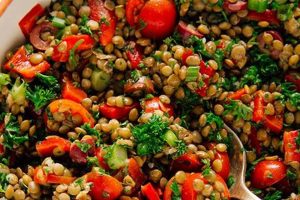
Dishes featuring this leafy chicory as a primary ingredient offer a range of flavors and textures, from the slightly bitter and peppery bite of the radicchio itself to the complementary additions of other vegetables, fruits, nuts, cheeses, and dressings. Examples include pairings with roasted butternut squash and walnuts, combinations with citrus fruits and goat cheese, or simple preparations with a light vinaigrette.
The vibrant color and unique flavor profile of this Italian chicory make it a desirable addition to salads, contributing both visual appeal and a complex taste dimension. Its nutritional value, rich in antioxidants and vitamins, further enhances its appeal as a healthy dietary choice. Cultivated since Roman times, this versatile vegetable has long been appreciated for its culinary and potential health benefits.
Further exploration will delve into specific preparation methods, ingredient combinations, and variations to create diverse and flavorful salads highlighting this distinctive chicory.
Tips for Preparing Radicchio Salads
Achieving optimal flavor and texture requires attention to preparation techniques and ingredient selection. The following tips offer guidance for creating flavorful and visually appealing dishes.
Tip 1: Selecting Radicchio: Choose heads that are firm and vibrant in color, avoiding those with wilted or bruised leaves. Smaller heads often offer a less bitter flavor.
Tip 2: Balancing Bitterness: The inherent bitterness can be balanced by incorporating sweet or creamy elements such as roasted vegetables, fruits like pears or oranges, or cheeses like goat cheese or gorgonzola.
Tip 3: Taming the Bite: Briefly soaking the leaves in ice water can help mellow the bitterness and crisp the texture.
Tip 4: Enhancing Flavor with Complementary Ingredients: Nuts like walnuts or pecans, dried cranberries, or crumbled bacon add textural and flavor complexity.
Tip 5: Dressing Considerations: Opt for dressings that complement the bitterness, such as a light vinaigrette with balsamic vinegar, citrus juice, or a creamy dressing with a touch of sweetness.
Tip 6: Proper Storage: Store unwashed radicchio in a perforated plastic bag in the refrigerator for up to a week.
Tip 7: Timing of Dressing: Dress the salad just before serving to prevent the leaves from wilting.
By following these guidelines, one can elevate a simple salad into a culinary masterpiece, showcasing the unique qualities of this versatile ingredient.
These tips provide a foundation for creating diverse and delectable dishes, encouraging culinary exploration and enjoyment.
1. Fresh, vibrant radicchio

Fresh, vibrant radicchio forms the foundation of any successful radicchio salad. Quality directly impacts flavor and texture. Choosing heads with crisp, deeply colored leaves, free from blemishes or wilting, ensures optimal bitterness and pleasant crunch. Compromised quality leads to a less appealing salad, potentially exhibiting undesirable bitterness or a limp texture. A salad featuring fresh radicchio offers a vibrant visual appeal and a satisfying culinary experience. Conversely, using subpar radicchio can result in a dull, unappetizing dish. For instance, a salad composed of fresh, crisp radicchio, sliced apples, and toasted walnuts, dressed with a light vinaigrette, delivers a balanced interplay of flavors and textures. However, using wilted or bruised radicchio in the same recipe would diminish the overall quality, resulting in a less enjoyable experience.
The importance of selecting high-quality radicchio extends beyond mere aesthetics. Freshness indicates optimal nutritional value, ensuring the retention of vitamins and antioxidants. The crisp texture contributes to a more satisfying eating experience. Selecting vibrant, unblemished heads demonstrates an attention to detail that elevates the entire dish. Practical applications include careful inspection at the point of purchase, proper storage techniques to maintain freshness, and prompt utilization after purchase. Consider the origin and handling of the radicchio. Locally sourced, responsibly grown produce often yields superior quality.
Ultimately, prioritizing fresh, vibrant radicchio elevates radicchio salads from simple meals to culinary highlights. The connection between ingredient quality and final product cannot be overstated. Careful selection ensures an optimal balance of flavor, texture, and visual appeal, maximizing the culinary potential of this versatile ingredient. This attention to detail translates to a more satisfying and enjoyable dining experience. Challenges include seasonal availability and potential price fluctuations. However, the benefits of using high-quality radicchio far outweigh these considerations, contributing significantly to a more flavorful and satisfying salad.
2. Complementary Ingredients

The distinctive, slightly bitter flavor of radicchio provides a versatile base for diverse flavor combinations in salads. Strategic selection of complementary ingredients enhances the overall sensory experience, balancing bitterness, introducing contrasting textures, and creating a harmonious blend of tastes. Exploring these complementary elements reveals the culinary potential of radicchio.
- Sweet and Fruity Elements
Incorporating sweetness counteracts radicchio’s bitterness. Fruits like sliced pears, oranges, or grapes offer a refreshing contrast and introduce a juicy texture. Dried fruits, such as cranberries or chopped dates, provide concentrated sweetness and a chewy texture. The interplay of sweet and bitter creates a dynamic flavor profile.
- Textural Contrasts with Nuts and Seeds
Nuts and seeds contribute a satisfying crunch, contrasting with the leafy texture of radicchio. Toasted walnuts, pecans, or pumpkin seeds add complexity and richness. Their inherent oils complement the bitterness, creating a more rounded flavor profile. These additions transform a simple salad into a multi-dimensional culinary experience.
- Creamy and Tangy Cheeses
Creamy cheeses, such as goat cheese, gorgonzola, or feta, offer a textural contrast and introduce tangy or salty notes that complement the bitterness of radicchio. The creamy texture coats the palate, softening the bitterness and enhancing the overall mouthfeel.
- Savory Additions
Roasted vegetables, such as butternut squash or sweet potatoes, enhance the earthy notes of radicchio while adding a caramelized sweetness. Crumbled bacon or pancetta introduce a smoky, salty dimension, further balancing the bitterness and adding a textural contrast. These savory elements create depth and complexity.
Understanding the interplay between radicchio and these complementary ingredients allows for the creation of balanced and flavorful salads. The possibilities are vast, ranging from simple combinations to more complex creations. Thoughtful ingredient selection elevates radicchio from a supporting role to a star ingredient, showcasing its versatility and culinary potential. This nuanced approach transforms the simple salad into a sophisticated culinary experience.
3. Balanced Bitterness

Balanced bitterness stands as a cornerstone of successful radicchio salad recipes. The inherent bitterness of radicchio, while contributing to its distinctive character, requires careful management to avoid overwhelming the palate. Unbalanced bitterness can render a salad unpleasantly astringent, overshadowing other flavors and diminishing enjoyment. Conversely, properly balanced bitterness adds depth and complexity, enhancing the overall sensory experience. The objective is not to eliminate bitterness entirely, but rather to integrate it harmoniously within the flavor profile. This balance allows the nuanced flavors of other ingredients to shine while retaining the characteristic bite of radicchio.
Several culinary strategies effectively balance the bitterness in radicchio salads. Incorporating sweet elements, such as fruits like sliced pears or segments of orange, provides a direct counterpoint to the bitterness. The sweetness interacts with the bitter compounds, creating a more rounded and palatable flavor profile. Similarly, creamy cheeses, such as goat cheese or gorgonzola, offer a textural contrast and introduce tangy or savory notes that temper the bitterness. The richness of the cheese coats the palate, mitigating the intensity of the bitter compounds. Additionally, acidic components, like a balsamic vinaigrette, can cut through the bitterness, adding brightness and complexity. For example, a salad combining radicchio with roasted butternut squash, candied pecans, and crumbled gorgonzola, dressed with a balsamic vinaigrette, demonstrates a successful balance of bitterness, sweetness, richness, and acidity.
Understanding the interplay of these contrasting flavors allows for precise control over the final taste profile. The level of desired bitterness can be adjusted by varying the proportions of sweet, creamy, and acidic ingredients. This control empowers culinary creativity, enabling the development of unique and balanced flavor combinations. The practical significance of this understanding lies in the ability to transform potentially challenging bitterness into a desirable characteristic. A well-balanced radicchio salad showcases the versatility of this ingredient, demonstrating its capacity to contribute depth and complexity to a dish. Failure to address bitterness adequately can result in a one-dimensional and potentially unpleasant culinary experience. Therefore, mastering the art of balancing bitterness is crucial for unlocking the full culinary potential of radicchio in salad preparations.
4. Textural Variation

Textural variation plays a crucial role in elevating radicchio salad recipes beyond simple combinations of ingredients. A dynamic interplay of textures enhances the sensory experience, adding depth and complexity to each bite. The inherent texture of radicchio, with its crisp leaves and slightly fibrous core, serves as a foundation upon which a variety of textural contrasts can be built. This exploration delves into the diverse ways textural variation contributes to a more satisfying and engaging culinary experience.
- Crunchy Elements
Crunchy elements provide a stark contrast to the leafy texture of radicchio. Nuts, such as toasted walnuts, pecans, or almonds, offer a satisfying snap. Seeds, like sunflower or pumpkin seeds, introduce a lighter crunch. Croutons, either homemade or store-bought, contribute a crisp, airy texture. These additions create a dynamic interplay, stimulating the palate and enhancing the overall enjoyment.
- Creamy Components
Creamy components introduce a smooth, luxurious texture that offsets the slight bitterness and fibrous nature of radicchio. Soft cheeses, such as goat cheese, ricotta, or gorgonzola, provide a melt-in-your-mouth sensation. Avocado, with its buttery texture, adds richness and a smooth counterpoint to the crisp radicchio. These creamy additions create a more balanced and satisfying mouthfeel.
- Chewy Textures
Introducing chewy textures adds another layer of complexity. Dried fruits, like cranberries, raisins, or chopped dates, offer a pleasant chewiness. Roasted chickpeas, with their slightly crisp exterior and tender interior, introduce a unique textural element. These additions create a more dynamic and engaging sensory experience.
- Varied Vegetable Textures
Incorporating vegetables with contrasting textures enhances the overall composition of the salad. Roasted vegetables, like butternut squash or sweet potatoes, offer a tender, slightly caramelized texture. Raw vegetables, such as thinly sliced fennel or julienned carrots, contribute a crisp, refreshing element. These additions diversify the textural landscape, creating a more engaging and satisfying salad.
The strategic combination of these diverse textures transforms a simple radicchio salad into a multi-dimensional culinary experience. The interplay of crunchy, creamy, chewy, and varied vegetable textures elevates the dish, making it more satisfying and memorable. This attention to textural detail demonstrates a nuanced approach to salad preparation, showcasing the versatility of radicchio and its ability to harmonize with a wide range of textural components. A well-composed radicchio salad demonstrates that texture, as much as flavor, plays a crucial role in creating a truly exceptional culinary experience.
5. Appropriate Dressings

Appropriate dressings play a crucial role in enhancing the flavor profile of radicchio salads, complementing the inherent bitterness and creating a balanced, harmonious taste experience. The choice of dressing significantly impacts the overall success of the dish, either elevating the flavors or clashing with the delicate balance of ingredients. An informed selection ensures the dressing complements, rather than overpowers, the other components of the salad.
- Vinaigrettes
Vinaigrettes, with their bright acidity, offer a refreshing counterpoint to the bitterness of radicchio. A classic balsamic vinaigrette, with its sweet and tangy notes, provides a balanced contrast. Citrus-based vinaigrettes, such as lemon or orange, add a zesty brightness and complement the earthy flavors of radicchio. The lightness of vinaigrettes prevents the salad from becoming heavy or soggy, allowing the textures and flavors of the other ingredients to shine through. For example, a simple lemon vinaigrette with a touch of Dijon mustard enhances the peppery notes of radicchio without masking its inherent bitterness.
- Creamy Dressings
Creamy dressings offer a textural contrast and introduce richness that complements the crispness of radicchio. Dressings based on yogurt, buttermilk, or sour cream provide a tangy counterpoint to the bitterness. Adding herbs, such as chives or dill, further enhances the flavor profile. However, creamy dressings should be used judiciously to avoid overpowering the delicate flavors of the salad. For example, a buttermilk dressing with fresh dill and a hint of lemon zest adds a creamy richness without masking the other flavors.
- Warm Dressings
Warm dressings, particularly those with bacon or pancetta, add a savory dimension to radicchio salads. The rendered fat creates a rich, smoky flavor that complements the bitterness of radicchio. Warm bacon dressings can wilt the radicchio slightly, adding a textural variation. These dressings are particularly suitable for autumn or winter salads, adding a comforting warmth. For instance, a warm bacon vinaigrette with crumbled blue cheese offers a robust flavor profile that complements the bitterness of radicchio.
- Considerations for Balance
The intensity of the dressing should be carefully considered in relation to the other ingredients. A robust dressing might overwhelm a delicate salad, while a bland dressing might fail to enhance the flavors. The balance of sweet, sour, salty, and bitter elements in the dressing should complement the overall flavor profile of the salad. For example, a salad with sweeter components, such as roasted butternut squash or dried cranberries, might benefit from a more acidic dressing. Conversely, a salad with savory elements, such as bacon or toasted nuts, might pair well with a creamy dressing.
Selecting an appropriate dressing involves considering the other ingredients, the desired flavor profile, and the overall balance of the salad. A well-chosen dressing elevates the dish, creating a harmonious interplay of flavors and textures. Conversely, an inappropriate dressing can detract from the overall experience, masking the delicate nuances of the radicchio and other components. Therefore, careful consideration of dressing choices is essential for crafting a successful and satisfying radicchio salad.
6. Proper Preparation Techniques
Proper preparation techniques are essential for maximizing the flavor, texture, and visual appeal of radicchio salads. These techniques ensure that the radicchio’s inherent qualities are showcased effectively, contributing to a more satisfying culinary experience. From selecting and storing the radicchio to specific cutting and handling methods, each step plays a vital role in the final outcome. Overlooking these techniques can compromise the quality of the salad, resulting in a less enjoyable dish.
- Selecting and Storing
Selecting fresh, vibrant radicchio heads is the first crucial step. Look for firm heads with crisp, deeply colored leaves free from blemishes or wilting. Smaller heads often possess a less intense bitterness. Proper storage maintains the radicchio’s freshness. Unwashed radicchio should be stored in a perforated plastic bag in the refrigerator crisper drawer for up to a week. Proper storage prevents premature wilting and preserves the desired texture and flavor.
- Cleaning and Handling
Gentle handling preserves the delicate leaves of radicchio. Washing should be done just before preparation to avoid premature wilting. Soaking the leaves briefly in ice water can help crisp the texture and reduce bitterness. Avoid over-handling, as this can bruise the leaves and compromise their appearance and texture. Thorough drying after washing prevents the dressing from becoming diluted and ensures the salad retains its crispness.
- Cutting Techniques
Appropriate cutting techniques enhance both the visual appeal and the eating experience. Slicing radicchio thinly creates a delicate texture, while tearing the leaves into bite-sized pieces offers a more rustic presentation. The core can be removed to reduce bitterness, depending on preference. Uniform cutting ensures even distribution of flavor and texture throughout the salad.
- Timing of Dressing
Dressing the salad just before serving prevents the leaves from wilting and becoming soggy. This preserves the crisp texture and prevents the dressing from overpowering the delicate flavors of the radicchio and other ingredients. Premature dressing can also lead to discoloration and a less appealing presentation.
These proper preparation techniques, when applied consistently, elevate radicchio from a simple ingredient to a star component of a well-crafted salad. Attention to detail in each step, from selection to final presentation, maximizes the flavor, texture, and visual appeal of the dish. Mastery of these techniques allows for the creation of radicchio salads that are both visually stunning and exceptionally flavorful, demonstrating a commitment to culinary excellence.
7. Seasonal Considerations

Seasonal considerations significantly influence radicchio salad recipes, impacting both ingredient availability and flavor profiles. Aligning recipes with seasonal produce maximizes freshness, optimizes flavor, and allows for creative variations throughout the year. Radicchio, while available year-round, reaches peak flavor during cooler months. Acknowledging seasonality allows for informed ingredient pairings that complement radicchio’s inherent bitterness and enhance its unique characteristics. For instance, during autumn, pairing radicchio with roasted butternut squash, toasted pecans, and a maple-balsamic vinaigrette reflects the season’s bounty and creates a harmonious blend of flavors. Conversely, a summer radicchio salad might incorporate fresh berries, cucumbers, and a light citrus vinaigrette, capitalizing on the season’s vibrant produce and offering a refreshing counterpoint to radicchio’s slight bitterness. Ignoring seasonal considerations can result in bland, uninspired salads that fail to capture the essence of peak-season produce.
This understanding has practical applications for recipe development and menu planning. Seasonal awareness allows chefs and home cooks to create dishes that showcase the best of each season, resulting in more flavorful and dynamic salads. Fall and winter recipes might leverage radicchio’s affinity for richer flavors, incorporating ingredients like roasted root vegetables, cheeses, and warm dressings. Spring and summer recipes can highlight radicchio’s refreshing qualities, pairing it with lighter ingredients and brighter dressings. Furthermore, seasonal considerations promote sustainability by encouraging the consumption of locally sourced produce, reducing transportation costs and environmental impact. Farmers markets offer opportunities to discover unique radicchio varieties and other seasonal ingredients, fostering a deeper connection to the food system and supporting local agriculture.
Prioritizing seasonality in radicchio salad recipes yields several key benefits. Flavor optimization occurs naturally through the selection of ingredients at their peak ripeness. Recipe diversity expands as seasonal variations offer opportunities for culinary exploration and creativity. Economic advantages can be realized by utilizing readily available, in-season produce, often at lower prices. Enhanced nutritional value stems from consuming produce at its peak nutritional density. Challenges may include limited availability of certain ingredients during specific seasons and the need for adaptable recipes. However, the advantages of incorporating seasonal considerations far outweigh these challenges, leading to more dynamic, flavorful, and sustainable radicchio salad creations.
Frequently Asked Questions
Addressing common inquiries regarding the preparation and enjoyment of radicchio salads provides clarity and facilitates culinary exploration. These responses aim to offer practical guidance and dispel potential misconceptions.
Question 1: How can the bitterness of radicchio be mitigated in salads?
Soaking radicchio leaves in ice water for a short period can mellow the bitterness. Additionally, incorporating sweet or creamy ingredients, such as fruits, roasted vegetables, or cheeses, helps balance the flavor profile.
Question 2: What are suitable dressings for radicchio salads?
Light vinaigrettes with balsamic vinegar, citrus juice, or a touch of sweetness complement radicchio’s bitterness. Creamy dressings, used sparingly, also offer a textural and flavor contrast.
Question 3: How should radicchio be stored to maintain freshness?
Unwashed radicchio should be stored in a perforated plastic bag in the refrigerator crisper drawer for up to a week. Washing should occur immediately prior to preparation.
Question 4: What ingredients pair well with radicchio in salads?
Complementary ingredients include fruits (pears, oranges, grapes), nuts (walnuts, pecans), cheeses (goat cheese, gorgonzola), and roasted vegetables (butternut squash, sweet potatoes).
Question 5: Can radicchio be cooked and added to salads?
Grilling or roasting radicchio mellows its bitterness and adds a smoky char. Grilled or roasted radicchio can be incorporated into salads for a warm element and a nuanced flavor profile.
Question 6: How can one prevent radicchio salads from becoming soggy?
Dressing the salad immediately before serving prevents the leaves from wilting. Thoroughly drying the leaves after washing also helps maintain crispness.
Understanding these key aspects of preparation and ingredient selection ensures a more enjoyable and successful culinary experience with radicchio salads.
Further exploration might include specific recipe examples and variations to showcase the versatility of radicchio.
Culinary Applications and Potential of Radicchio Salad Recipes
Exploration of radicchio salad recipes reveals a versatile culinary landscape. Emphasis on ingredient quality, balanced bitterness, textural variation, appropriate dressings, proper preparation techniques, and seasonal considerations underscores the potential of this distinctive leafy chicory. Successful preparation hinges on a nuanced understanding of these elements, transforming simple salads into complex culinary experiences. From the selection of crisp, vibrant leaves to the careful balance of complementary flavors and textures, each step contributes to the final product’s overall appeal. The interplay of bitterness, sweetness, acidity, and richness defines the character of these salads, offering a diverse range of flavor profiles to suit various palates.
Radicchio’s unique characteristics invite continued culinary exploration. Its adaptability across seasons and compatibility with diverse ingredients encourage experimentation and innovation within the culinary arts. Further investigation into regional variations and cultural influences promises to unveil additional dimensions of radicchio’s culinary potential, enriching gastronomic experiences and broadening culinary horizons. The integration of sustainable practices and locally sourced ingredients further elevates the value and significance of these culinary creations.