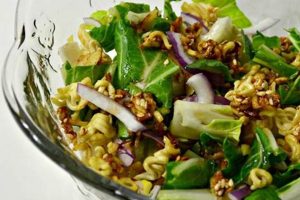
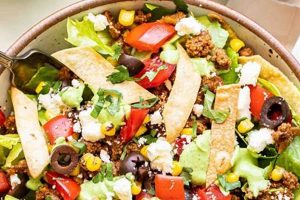
Festive salads served during Thanksgiving celebrations offer a refreshing counterpoint to the richness of traditional dishes. These salads can range from simple combinations of greens and vegetables to more complex creations incorporating fruits, nuts, cheeses, and unique dressings. A cranberry and walnut salad with a citrus vinaigrette, for instance, embodies the flavors of the season.
Beyond providing a palate cleanser, these seasonal salads contribute valuable nutrients and textural variety to the Thanksgiving meal. Historically, incorporating fresh produce into holiday feasts signified abundance and celebrated the harvest. Today, these dishes continue to brighten the table and offer a welcome contrast to heavier fare. They also provide an opportunity to showcase seasonal ingredients and culinary creativity.
This exploration will delve into a variety of autumnal salad recipes suitable for Thanksgiving, from classic preparations to innovative combinations. Consideration will be given to diverse dietary needs and preferences, along with practical tips for preparation and presentation.
Tips for Thanksgiving Salads
Creating memorable and flavorful salads for Thanksgiving requires thoughtful planning and execution. The following tips offer guidance for crafting dishes that complement the holiday feast.
Tip 1: Embrace Seasonal Ingredients: Feature autumnal produce like butternut squash, pomegranates, Brussels sprouts, and apples. These ingredients offer peak flavor and vibrant colors.
Tip 2: Balance Flavors and Textures: Combine sweet, savory, crunchy, and creamy elements for a more dynamic salad experience. Consider toasted nuts, dried cranberries, or crumbled cheese.
Tip 3: Dress Strategically: Opt for vinaigrettes with complementary flavors like maple-balsamic, apple cider, or cranberry-orange. Avoid heavy, creamy dressings that might clash with other dishes.
Tip 4: Prepare Components in Advance: Wash and chop vegetables, toast nuts, and prepare dressings a day or two ahead to streamline Thanksgiving Day preparations.
Tip 5: Consider Dietary Restrictions: Offer gluten-free and vegan options to accommodate guests with specific dietary needs. This can often be achieved with simple substitutions.
Tip 6: Present Salads Attractively: Arrange salads on beautiful serving platters and garnish with fresh herbs or edible flowers for an elegant presentation.
Tip 7: Don’t Overdress: Add dressing just before serving to prevent the salad from becoming soggy. Provide extra dressing on the side for guests who prefer a more intense flavor.
By following these suggestions, one can elevate Thanksgiving salads from simple side dishes to memorable culinary experiences that enhance the entire meal.
With these tips in mind, exploration of specific recipes can begin.
1. Seasonal Ingredients

Seasonal ingredients form the cornerstone of compelling Thanksgiving salads. Utilizing produce at its peak ripeness guarantees optimal flavor and nutritional value. The autumn harvest offers a bounty of options, including root vegetables like butternut squash and sweet potatoes, cruciferous vegetables such as Brussels sprouts and kale, and fruits like apples, pears, and cranberries. These ingredients inherently reflect the flavors of the holiday and contribute to the festive atmosphere. For instance, a salad featuring roasted butternut squash, pecans, and cranberries embodies the warmth and earthiness of the season.
The emphasis on seasonal ingredients extends beyond flavor to encompass broader culinary considerations. Sourcing locally grown produce reduces environmental impact and supports regional agriculture. Furthermore, the vibrant colors and textures of seasonal ingredients enhance the visual appeal of the salad, contributing to an aesthetically pleasing Thanksgiving table. Choosing ingredients like red and green cabbage, orange segments, and deep green kale creates a visually striking dish that reflects the autumnal palette. This connection to the natural world underscores the celebratory nature of the harvest season.
Successfully incorporating seasonal ingredients requires an understanding of their individual characteristics. Some vegetables, like butternut squash, benefit from roasting to enhance their sweetness and texture. Leafy greens, on the other hand, are best served fresh and lightly dressed. Balancing these elements creates a dynamic and satisfying salad experience. The practical application of this knowledge translates to a more flavorful and visually appealing Thanksgiving meal, enriching the culinary experience for all.
2. Balanced Flavors

Balanced flavors are essential for successful holiday salad recipes, particularly during Thanksgiving. The richness of the main course necessitates lighter, brighter accompaniments that cleanse the palate without clashing with the overall meal. A well-balanced salad provides a refreshing counterpoint to heavier dishes, enhancing the dining experience.
- Sweet and Savory:
The interplay of sweet and savory elements creates a dynamic flavor profile. Dried cranberries or pomegranate seeds offer sweetness, while toasted pecans or crumbled goat cheese provide savory notes. This balance prevents the salad from being overly sweet or one-dimensional, complementing the diverse flavors of the Thanksgiving meal.
- Acidity and Richness:
A bright vinaigrette, often incorporating citrus or vinegar, cuts through the richness of the main course and other side dishes. The acidity also balances the sweetness of fruits or other ingredients, creating a harmonious flavor profile. A citrus vinaigrette paired with roasted root vegetables exemplifies this balance.
- Earthiness and Brightness:
Earthy ingredients like roasted root vegetables, kale, or mushrooms provide a grounding element. These flavors are balanced by brighter notes from fresh herbs, citrus zest, or crisp apples. This interplay of earthy and bright flavors adds complexity and depth to the salad.
- Texture and Flavor:
Textural variety enhances the overall sensory experience. Crunchy elements like toasted nuts or seeds contrast with softer ingredients like roasted vegetables or cheese. This textural variation adds another layer of complexity to the flavor profile, preventing the salad from feeling monotonous.
By carefully considering these elements of balance, holiday salads become more than just a side dish; they contribute significantly to the overall harmony and enjoyment of the Thanksgiving meal. A well-balanced salad enhances the flavors of the other dishes, creating a cohesive and satisfying culinary experience.
3. Complementary Textures

Textural diversity elevates holiday salad recipes from simple accompaniments to engaging culinary experiences. During Thanksgiving, when rich and often homogenous textures dominate the main course and sides, salads offer an opportunity to introduce contrasting elements that stimulate the palate and enhance the overall meal.
- Crunchy Elements:
Crunchy components provide a satisfying contrast to softer ingredients. Toasted nuts like pecans or walnuts, seeds like pepitas or sunflower seeds, and croutons offer textural complexity. Raw vegetables such as carrots, celery, or jicama also contribute a refreshing crunch. In a Thanksgiving salad featuring roasted sweet potatoes, the addition of toasted pecans provides a welcome textural counterpoint.
- Soft and Tender Components:
Roasted vegetables, such as butternut squash or sweet potatoes, offer a melt-in-your-mouth tenderness. Delicate greens like spinach or butter lettuce provide a soft backdrop for other ingredients. Cheese, such as crumbled goat cheese or feta, can introduce a creamy texture. These softer elements complement the crunchier components, creating a balanced textural profile.
- Chewy Textures:
Dried fruits like cranberries or apricots introduce a chewy texture that contrasts with both crunchy and soft elements. Grains like quinoa or farro can also contribute a satisfying chewiness. These textures add another layer of complexity, preventing the salad from becoming one-dimensional.
- Creamy Components:
Creamy elements, often introduced through cheese or avocado, bind the other ingredients together and provide a rich mouthfeel. A dollop of Greek yogurt or a sprinkle of crumbled blue cheese adds a creamy counterpoint to crunchy and chewy textures. This interplay of textures creates a more satisfying and dynamic salad experience.
The strategic combination of these textural elements transforms Thanksgiving salads into dynamic and engaging dishes. The interplay of crunchy, soft, chewy, and creamy textures elevates the sensory experience, offering a welcome contrast to the richer, denser dishes typically served during the holiday. This attention to textural detail contributes significantly to a more enjoyable and memorable Thanksgiving meal.
4. Creative Dressings

Creative dressings are essential for elevating holiday salad recipes, especially during Thanksgiving. While the foundational ingredients provide a base of flavor and texture, the dressing acts as the unifying element, tying the components together and adding depth and complexity. A thoughtfully crafted dressing transforms a simple salad into a memorable culinary experience. For Thanksgiving, dressings offer an opportunity to showcase seasonal flavors and complement the richness of the main course.
- Flavor Profiles Beyond the Ordinary
Moving beyond basic vinaigrettes opens a world of flavor possibilities. Maple-balsamic infusions, cranberry-orange reductions, and spiced pear purees offer unique and seasonally appropriate flavor profiles. These dressings complement the traditional flavors of Thanksgiving while adding a touch of originality. A maple-balsamic vinaigrette, for instance, pairs beautifully with roasted root vegetables and toasted pecans, enhancing their inherent sweetness and earthiness.
- Incorporating Fresh Herbs and Spices
Fresh herbs and spices add depth and complexity to salad dressings. Sage, thyme, and rosemary evoke the warmth of the season, while cinnamon and nutmeg provide subtle spice notes. These additions create a more nuanced flavor profile that complements the overall Thanksgiving meal. A cranberry vinaigrette infused with fresh rosemary, for example, adds a fragrant, herbaceous element that balances the tartness of the cranberries.
- Balancing Acidity and Sweetness
The balance of acidity and sweetness is crucial for a successful Thanksgiving salad dressing. The acidity cuts through the richness of the meal, while the sweetness complements the savory flavors of the main course and other side dishes. Apple cider vinegar, citrus juices, and maple syrup offer opportunities to achieve this balance. An apple cider vinaigrette with a touch of maple syrup provides both tartness and sweetness, creating a harmonious flavor profile.
- Emulsions and Textural Considerations
The texture of the dressing also plays a significant role in the overall salad experience. Creamy emulsions, achieved with ingredients like Greek yogurt or pureed avocado, offer a richer mouthfeel and coat the salad ingredients more evenly. These dressings provide a textural counterpoint to crunchy elements like nuts or seeds. A creamy avocado dressing, for instance, complements a salad with roasted vegetables and toasted pepitas, adding a smooth and velvety texture.
Creative dressings are an integral part of crafting memorable Thanksgiving salads. By exploring unique flavor combinations, incorporating fresh herbs and spices, balancing acidity and sweetness, and considering textural elements, one can elevate a simple salad to a culinary centerpiece. These dressings not only enhance the flavors of the salad ingredients but also complement the overall Thanksgiving meal, contributing to a more harmonious and enjoyable dining experience.
5. Dietary Considerations

Dietary considerations are paramount when planning holiday salad recipes for Thanksgiving, ensuring inclusivity and a positive dining experience for all guests. The diverse nature of modern dietary needs, ranging from allergies and intolerances to lifestyle choices like veganism and vegetarianism, necessitates careful planning and ingredient selection. Neglecting these considerations can lead to exclusion and discomfort for guests, detracting from the celebratory atmosphere.
Common dietary restrictions encountered during Thanksgiving include gluten intolerance, nut allergies, dairy sensitivities, and vegan/vegetarian preferences. Addressing these needs requires careful recipe adaptation and ingredient substitution. For instance, a traditional crouton-topped salad can be modified for gluten-free diets by using gluten-free bread or substituting roasted chickpeas for added crunch. Similarly, maple syrup or agave nectar can replace honey in dressings for vegan guests. Providing nut-free options is crucial for individuals with nut allergies; sunflower seeds or pumpkin seeds offer suitable alternatives to nuts in salads. When dairy is a concern, plant-based cheeses or creamy avocado dressings can provide similar textures and flavors without compromising dietary needs. Clearly labeling dishes with allergen information or providing a separate buffet area for allergen-free options promotes transparency and allows guests to make informed choices.
Understanding and accommodating dietary restrictions transforms the Thanksgiving meal into a truly inclusive and welcoming experience. By thoughtfully adapting recipes and offering alternative ingredients, hosts demonstrate consideration and respect for their guests’ well-being. This proactive approach fosters a positive and celebratory atmosphere where everyone can partake in the festivities without compromise. Successfully navigating dietary considerations strengthens the communal aspect of Thanksgiving, emphasizing shared enjoyment and gratitude.
6. Attractive Presentation

Attractive presentation elevates holiday salad recipes, particularly during Thanksgiving, from mere sustenance to a visual feast that enhances the overall dining experience. Visual appeal significantly influences perception of flavor and enjoyment. A thoughtfully presented salad signals care and attention to detail, contributing to the festive atmosphere. The impact extends beyond aesthetics; an appealing presentation encourages consumption, ensuring guests appreciate the nutritional and textural diversity the salad brings to the often rich and heavy Thanksgiving meal. For example, a salad composed of vibrant autumnal huesdeep green kale, bright orange butternut squash, and crimson cranberriesarranged artfully on a platter generates greater anticipation and enjoyment than the same ingredients tossed haphazardly in a bowl.
Practical application of presentation principles transforms a simple salad into a visually compelling dish. Consider the use of white space on the serving platter, allowing each element to stand out. Varying heights and textures create visual interest. A composed salad, with ingredients arranged intentionally rather than tossed, allows for greater control over the final presentation. Garnishes, used judiciously, provide finishing touches. A sprinkle of toasted pecans, a scattering of pomegranate seeds, or a drizzle of balsamic glaze adds visual flair without overwhelming the salad. These techniques demonstrate a conscious effort to create an aesthetically pleasing dish, enhancing the perceived value and enjoyment of the meal. The contrast between a vibrant, composed salad and a homogenous, carelessly plated one underscores the significance of presentation in elevating the dining experience.
Attractive presentation, therefore, represents a crucial element in successful holiday salad recipes for Thanksgiving. It complements flavor and texture, contributing significantly to the overall enjoyment and appreciation of the meal. By understanding and applying these presentation principles, one transforms a simple salad into a visually captivating dish that enhances the festive atmosphere and encourages consumption. This attention to detail elevates the entire dining experience, reflecting the care and consideration invested in creating a memorable Thanksgiving feast.
Frequently Asked Questions
This section addresses common inquiries regarding the creation and incorporation of salads into the Thanksgiving meal.
Question 1: How far in advance can Thanksgiving salads be prepared?
Components such as dressings, roasted vegetables, and toasted nuts can be prepared 1-2 days in advance. Leafy greens should be washed and stored separately, then combined with other ingredients just before serving to prevent wilting.
Question 2: What are suitable alternatives to traditional lettuce-based salads for Thanksgiving?
Roasted vegetable salads, grain-based salads, or salads featuring hearty greens like kale or Brussels sprouts offer robust alternatives to delicate lettuces. These options often hold up better to advance preparation and provide textural variety.
Question 3: How can one ensure a Thanksgiving salad complements the main course without overpowering it?
Opt for lighter vinaigrettes rather than heavy, creamy dressings. Balance sweet and savory elements, and incorporate acidic components to cut through the richness of other dishes. Prioritize fresh, seasonal ingredients that align with the overall flavor profile of the meal.
Question 4: What are some strategies for accommodating guests with dietary restrictions?
Clearly label salads with ingredient information, particularly noting common allergens like nuts and gluten. Offer separate gluten-free and vegan options when possible. Provide dressing on the side to allow guests to customize according to their preferences and dietary needs.
Question 5: How can one elevate the presentation of Thanksgiving salads?
Utilize attractive serving platters and consider the arrangement of ingredients. Garnish strategically with fresh herbs, edible flowers, or a sprinkle of toasted nuts or seeds. Create visual interest through variations in height, color, and texture.
Question 6: What are some key ingredients to avoid when creating Thanksgiving salads?
Overly strong or pungent ingredients like raw red onion or certain cheeses, such as blue cheese, might clash with the traditional flavors of Thanksgiving. Heavy, mayonnaise-based dressings can also overwhelm the palate. Prioritize lighter, brighter flavors that complement, rather than compete with, the main course.
Successful integration of salads into the Thanksgiving meal hinges on thoughtful planning, ingredient selection, and attention to presentation. These considerations ensure that salads contribute positively to the overall dining experience.
The following section will provide specific recipe examples incorporating these principles.
Holiday Salad Recipes Thanksgiving
Exploration of holiday salad recipes suitable for Thanksgiving reveals the significant contribution these dishes make to the overall dining experience. Careful consideration of seasonal ingredients, balanced flavors, complementary textures, creative dressings, dietary considerations, and attractive presentation elevates salads beyond simple accompaniments to integral components of the feast. Seasonal produce, at its peak flavor and nutritional value, forms the foundation of these recipes. Balancing sweet, savory, acidic, and earthy flavors, alongside a variety of textures, ensures a dynamic and satisfying culinary experience. Creative dressings, incorporating seasonal flavors and fresh herbs, further enhance the salads, while attention to dietary restrictions ensures inclusivity for all guests. Finally, thoughtful presentation transforms these dishes into visually appealing centerpieces, reflecting the care and attention invested in crafting a memorable Thanksgiving meal.
Thoughtful preparation of Thanksgiving salads allows these dishes to shine as vibrant and essential elements of the holiday feast. They provide a refreshing counterpoint to richer dishes, offer nutritional balance, and showcase the bounty of the autumn harvest. Embracing these principles transforms the Thanksgiving table into a celebration of both culinary excellence and shared enjoyment.