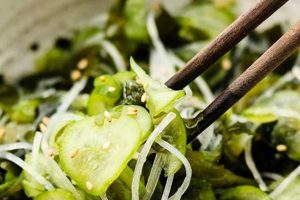
Chilled noodle salads featuring Asian-inspired flavors represent a diverse and refreshing culinary category. These dishes typically combine cooked and cooled noodles, such as rice noodles, ramen, or soba, with a vibrant array of vegetables, proteins (like tofu, shrimp, or chicken), and a flavorful dressing. An example might include rice noodles tossed with shredded carrots, cucumber, edamame, and a sesame-ginger vinaigrette.
These salads offer several advantages. Their refreshing nature makes them ideal for warm weather or light meals. The variety of ingredients provides nutritional benefits, and the customizable nature of the dishes allows for catering to dietary restrictions and preferences. Culturally, chilled noodle salads hold significance in many Asian cuisines, often served as part of celebratory meals or everyday fare. Their adaptability has led to widespread popularity in other culinary traditions.
This article will explore variations within this culinary category, including specific regional examples, ingredient selection guidelines, dressing preparation techniques, and tips for achieving optimal flavor and texture. Further discussion will cover nutritional information and potential health benefits.
Tips for Creating Exceptional Chilled Asian Noodle Salads
Achieving optimal flavor and texture in a cold Asian noodle salad requires attention to detail. The following tips offer guidance for creating a successful dish.
Tip 1: Noodle Selection: Choose noodles appropriate for cold salads. Rice noodles, soba noodles, and ramen noodles work well. Avoid thicker wheat noodles, which can become dense when chilled.
Tip 2: Proper Cooking & Cooling: Cook noodles according to package directions, ensuring they are not overcooked. Rinse cooked noodles under cold water to stop the cooking process and achieve a desirable texture.
Tip 3: Vegetable Variety and Preparation: Incorporate a variety of colorful vegetables for visual appeal and nutritional value. Consider textures; julienned carrots, shredded cabbage, and sliced bell peppers offer contrasting crispness.
Tip 4: Protein Choices: Complement the noodles and vegetables with protein. Grilled chicken or shrimp, pan-fried tofu, or edamame provide substantial additions.
Tip 5: Balancing Flavors in Dressings: A well-balanced dressing is essential. Combine savory elements (soy sauce, fish sauce, sesame oil) with acidic components (rice vinegar, lime juice) and a touch of sweetness (honey, maple syrup).
Tip 6: Fresh Herbs and Aromatics: Elevate the salad with fresh herbs like cilantro, mint, or basil. Incorporate aromatics such as ginger, garlic, and chili for depth of flavor.
Tip 7: Timing and Storage: For optimal flavor, toss the salad with the dressing shortly before serving. If preparing in advance, store the noodles, vegetables, protein, and dressing separately and combine just before consumption.
By following these guidelines, one can create a refreshing and flavorful cold Asian noodle salad that balances textures, colors, and tastes. Careful ingredient selection, proper cooking techniques, and attention to dressing preparation contribute significantly to the overall culinary experience.
This exploration of essential tips concludes the practical advice section of this article. The following section offers a brief summary and concluding remarks.
1. Noodles (type, preparation)

Noodle selection and preparation are fundamental to a successful cold Asian noodle salad. The type of noodle influences the dish’s overall texture and flavor profile, while proper cooking techniques ensure optimal results. Different noodle varieties offer unique characteristics that complement specific flavor combinations and ingredients.
- Noodle Variety:
Various noodles are suitable for cold salads, each contributing distinct qualities. Rice noodles offer a neutral flavor and delicate texture, absorbing dressings effectively. Soba noodles, made from buckwheat, provide a slightly nutty flavor and firmer texture. Ramen noodles, typically made from wheat, offer a chewier texture and readily absorb bolder flavors. The choice of noodle should harmonize with the intended flavor profile of the salad.
- Cooking Method:
Proper cooking ensures the noodles reach the desired texture without becoming mushy. Cooking times vary depending on the noodle type; following package instructions is crucial. Slightly undercooking can be beneficial, as the noodles will continue to soften slightly after rinsing.
- Cooling and Rinsing:
Rinsing cooked noodles under cold water stops the cooking process and removes excess starch, preventing a sticky texture. Thorough draining is essential to avoid a watery salad. This process contributes to the refreshing quality characteristic of cold noodle salads.
- Pre-Soaking (for certain noodles):
Some noodles, such as rice noodles, may benefit from pre-soaking in warm water before cooking. This helps to separate the strands and ensures even cooking. The soaking time varies depending on the noodle type, and should be done according to package instructions.
Careful consideration of noodle type, proper cooking, and thorough rinsing are integral to creating a successful cold Asian noodle salad. These factors contribute significantly to the dish’s final texture, flavor absorption, and overall enjoyment. Selecting the appropriate noodle and employing correct preparation techniques elevate the culinary experience.
2. Vegetables (variety, texture)

Vegetables play a crucial role in cold Asian noodle salads, contributing significantly to nutritional value, textural complexity, and visual appeal. The selection and preparation of vegetables directly influence the overall balance and enjoyment of the dish. A thoughtful combination of textures and flavors enhances the sensory experience.
Variety ensures a broad spectrum of nutrients and offers diverse flavors and colors. Crisp vegetables, such as shredded carrots, sliced bell peppers, and julienned cucumbers, provide a refreshing contrast to the soft noodles. Adding ingredients like shredded cabbage, bean sprouts, or chopped scallions introduces further textural nuances. Blanched or steamed vegetables, such as broccoli florets or edamame, offer a softer texture and contribute additional nutrients. This interplay of textures creates a more dynamic and satisfying culinary experience. For example, a Vietnamese-inspired salad might incorporate crisp shredded carrots and daikon radish with fresh cilantro and mint, while a Thai-inspired salad might feature blanched green beans and shredded cabbage with peanuts and lime.
The practical significance of vegetable selection lies in achieving a balanced and appealing salad. Overly soft or mushy vegetables can detract from the desired freshness, while an absence of crisp elements can result in a monotonous texture. Careful consideration of vegetable variety and preparation techniques ensures a vibrant, flavorful, and nutritionally rich cold Asian noodle salad. This understanding allows for greater culinary creativity and the ability to tailor the salad to individual preferences and dietary needs. The strategic incorporation of vegetables elevates the dish beyond a simple combination of ingredients to a well-rounded and satisfying meal.
3. Protein (optional, complementary)
Protein, while optional, serves as a complementary component in cold Asian noodle salads, contributing to nutritional value and creating a more substantial meal. The choice of protein influences the overall flavor profile and can enhance the textural complexity of the salad. Understanding the role of protein in these dishes allows for a more informed approach to ingredient selection and recipe development.
The inclusion of protein transforms a light side dish into a complete meal. Lean protein sources, such as grilled chicken, shrimp, or tofu, offer satiety and contribute essential amino acids. These options readily absorb the flavors of the dressing and complement the other ingredients. For example, shredded cooked chicken pairs well with sesame-ginger dressings and adds a savory element, while pan-fried tofu provides a textural contrast and complements peanut-based dressings. Other protein options include cooked and cooled salmon flakes, thinly sliced beef, or edamame for a plant-based alternative. The choice of protein should align with the overall flavor profile of the salad and any dietary preferences. For instance, a Thai-inspired salad might benefit from the addition of shrimp or tofu, while a Japanese-inspired salad could incorporate grilled chicken or salmon.
The judicious use of protein enhances the nutritional balance and culinary appeal of cold Asian noodle salads. While not strictly necessary, protein adds depth and complexity to the dish, contributing to a more satisfying and complete meal. Consideration of protein options and their compatibility with other ingredients allows for customization and optimization of flavor and texture. This understanding expands the possibilities for recipe development and enhances the overall dining experience.
4. Dressing (flavor balance)

The dressing is a critical component of a cold Asian noodle salad, acting as the unifying element that binds the ingredients and imparts the dominant flavor profile. A well-balanced dressing elevates the dish beyond a simple assembly of components, creating a harmonious blend of tastes and textures. The interplay of sweet, sour, salty, spicy, and umami elements is crucial for achieving a dressing that complements the other ingredients without overpowering them.
- Sweetness:
Sweetness provides a counterpoint to other flavors, balancing acidity and spiciness. Common sources of sweetness in Asian dressings include sugar, honey, maple syrup, or fruit juices. The level of sweetness should be carefully calibrated to avoid an overly saccharine taste. For example, a touch of honey can mellow the sharpness of lime juice in a Thai-inspired dressing.
- Acidity:
Acidity introduces brightness and complexity to the dressing, cutting through richness and enhancing the freshness of the other ingredients. Rice vinegar, lime juice, lemon juice, and tamarind paste are common sources of acidity. The level of acidity should be balanced with other flavors to avoid an overly tart taste. For instance, rice vinegar provides a milder acidity compared to lime juice, making it suitable for dressings with delicate flavors.
- Saltiness:
Salt enhances the overall flavor profile and balances the other taste components. Soy sauce, fish sauce, and salt are typical sources of saltiness in Asian dressings. The level of salt should be carefully controlled to avoid overwhelming the other ingredients. Fish sauce, while salty, also contributes umami notes, adding depth to the dressing.
- Spiciness (optional):
Spiciness adds a layer of complexity and warmth to the dressing. Chili garlic sauce, sriracha, or fresh chilies are common sources of heat. The level of spiciness should be adjusted to individual preferences, ranging from a subtle warmth to a fiery kick. Fresh ginger can also contribute a subtle spiciness and aromatic complexity.
The harmonious interplay of these flavor components defines a successful cold Asian noodle salad dressing. A well-balanced dressing enhances the individual flavors of the noodles, vegetables, and protein, creating a cohesive and flavorful dish. The careful consideration of sweetness, acidity, saltiness, and optional spiciness is crucial for achieving the desired balance and maximizing the culinary experience. The dressing’s flavor profile should complement, not overpower, the other ingredients, resulting in a refreshing and flavorful salad.
5. Aromatics (herbs, spices)
Aromatics play a vital role in cold Asian noodle salads, contributing layers of flavor and complexity that enhance the overall sensory experience. The judicious use of fresh herbs and spices elevates these dishes beyond simple combinations of ingredients, creating a more nuanced and satisfying culinary experience. These aromatic elements contribute not only to the taste but also to the aroma and overall freshness of the salad.
- Fresh Herbs:
Fresh herbs provide brightness and a refreshing counterpoint to the other ingredients. Cilantro, mint, basil, and Thai basil are frequently used, each offering a distinct aroma and flavor profile. For example, cilantro adds a citrusy note to Vietnamese-inspired salads, while mint contributes a cooling element to Thai-inspired dishes. The delicate nature of fresh herbs necessitates adding them just before serving to preserve their vibrancy and prevent wilting.
- Spices:
Spices introduce warmth and depth of flavor. Ground ginger, garlic, and chili flakes are common additions, contributing subtle heat and aromatic complexity. The careful balance of spices prevents overpowering the other flavors while adding a nuanced dimension to the salad. For example, a pinch of chili flakes can add a pleasant warmth to a sesame-ginger dressing, while grated ginger contributes a subtle spiciness and fresh aroma.
- Aromatic Vegetables:
Certain vegetables, such as finely diced red onion, grated ginger, or minced garlic, contribute both aromatic and flavor dimensions. These ingredients infuse the salad with subtle pungency and complexity. For instance, the sharp bite of red onion complements the richness of a peanut dressing, while grated ginger adds a refreshing warmth to a soy-based vinaigrette.
- Citrus Zest:
Citrus zest, such as lime or lemon zest, adds a burst of fresh, vibrant aroma and flavor. The zest provides a concentrated citrus essence without adding excessive juice, which could make the salad watery. Lime zest complements the flavors of a Thai-inspired salad, while lemon zest pairs well with seafood-based noodle salads.
The strategic incorporation of aromatics elevates cold Asian noodle salads from simple to sophisticated. Fresh herbs, spices, aromatic vegetables, and citrus zest contribute layers of flavor and aroma, creating a more dynamic and enjoyable culinary experience. The careful balance of these elements ensures that the aromatics enhance, rather than overpower, the other ingredients, resulting in a harmonious and refreshing dish. Understanding the role of aromatics allows for greater culinary creativity and customization, enabling the creation of unique and flavorful salads tailored to individual preferences.
6. Temperature (chilled, refreshing)

The temperature of an Asian noodle salad significantly impacts the overall sensory experience. “Cold,” as indicated in the keyword phrase “Asian noodle salad recipe cold,” is not merely a descriptor but a defining characteristic. The chilled temperature enhances the refreshing qualities of the dish, making it particularly appealing in warmer climates or as a light meal. This section explores the multifaceted implications of temperature in relation to the overall composition and enjoyment of cold Asian noodle salads.
- Enhanced Palatability:
The cool temperature of the noodles and vegetables provides a refreshing contrast to the often rich and flavorful dressings. This contrast enhances the palatability of the dish, making it more appealing, especially during hot weather. The chilled temperature also helps to mute any overly strong flavors, creating a more balanced and harmonious taste profile.
- Texture Preservation:
Chilling helps maintain the crispness of vegetables, preventing them from becoming wilted or soggy. This is crucial for maintaining the desired textural contrast between the soft noodles and the crunchy vegetables. A cold temperature also firms the noodles slightly, contributing to a more pleasant mouthfeel.
- Food Safety:
Maintaining a cold temperature is essential for food safety, especially when incorporating protein elements like cooked chicken, shrimp, or tofu. Proper chilling inhibits bacterial growth and ensures the salad remains safe for consumption. Adhering to food safety guidelines regarding temperature control is crucial for preventing foodborne illnesses.
- Sensory Perception:
The cool temperature stimulates sensory receptors in the mouth differently than warm temperatures, enhancing the perception of certain flavors and textures. This contributes to the overall refreshing sensation associated with cold Asian noodle salads. The chilled temperature also provides a cooling effect, which can be particularly welcome in warm climates or after physical activity.
The emphasis on “cold” in the context of Asian noodle salads highlights its importance beyond a mere temperature descriptor. It signifies a crucial element that contributes significantly to the dish’s appeal, texture, food safety, and overall sensory experience. The chilled nature of these salads distinguishes them from their warm counterparts and underscores their refreshing quality, making them a popular choice for light meals and warm-weather dining.
Frequently Asked Questions
This section addresses common inquiries regarding cold Asian noodle salads, providing concise and informative responses to facilitate a deeper understanding of these dishes and their preparation.
Question 1: What is the best type of noodle to use in a cold Asian noodle salad?
Several noodle varieties are suitable, including rice noodles, soba noodles, and ramen noodles. The optimal choice depends on the desired texture and flavor profile. Rice noodles offer a neutral base, while soba noodles contribute a nutty flavor, and ramen noodles provide a chewier texture.
Question 2: Can cold Asian noodle salads be prepared in advance?
Advance preparation is possible, but it’s recommended to store the noodles, vegetables, protein, and dressing separately to prevent the salad from becoming soggy. Combine all components just before serving for optimal texture and flavor.
Question 3: How long can a cold Asian noodle salad be stored in the refrigerator?
Properly stored in an airtight container, a cold Asian noodle salad can typically be refrigerated for up to three days. However, the quality and texture may begin to deteriorate after the first day, particularly if the salad contains fresh herbs or delicate vegetables.
Question 4: What are some common dietary adaptations that can be made to cold Asian noodle salads?
These salads are highly adaptable. Gluten-free versions can be created using rice noodles or kelp noodles. Vegetarian and vegan options are easily achieved by substituting tofu or tempeh for meat and using plant-based protein sources like edamame. Adjustments to the dressing can accommodate various dietary restrictions.
Question 5: Are there regional variations in cold Asian noodle salads?
Significant regional variations exist, reflecting diverse culinary traditions. For example, Vietnamese salads often feature rice noodles, fresh herbs, and a light fish sauce-based dressing, while Thai salads might incorporate peanut sauce, lime juice, and chili. Japanese salads may showcase soba noodles with a soy-based dressing and sesame seeds.
Question 6: What are some tips for achieving a well-balanced flavor profile in the dressing?
Balancing sweet, sour, salty, and spicy elements is key. Start with a base of soy sauce or fish sauce for saltiness, then add acidity with rice vinegar or citrus juice. Incorporate sweetness with honey or sugar, and adjust spiciness with chili garlic sauce or fresh chilies according to preference. Taste and adjust as needed to achieve the desired balance.
Understanding these frequently asked questions allows for a more informed approach to creating and enjoying cold Asian noodle salads. Careful consideration of ingredients, preparation techniques, and flavor profiles contributes to a successful culinary outcome.
This concludes the frequently asked questions section. The following section offers a comprehensive summary and concluding thoughts on cold Asian noodle salads.
Conclusion
Exploration of cold Asian noodle salad recipes reveals a diverse culinary landscape encompassing a spectrum of flavors, textures, and cultural influences. Key elements highlighted include the strategic selection of noodles, the importance of vegetable variety and texture, the optional inclusion of complementary proteins, the crucial role of balanced dressings, the nuanced contribution of aromatics, and the significance of maintaining a chilled temperature for optimal enjoyment and food safety. Understanding these interconnected components allows for informed recipe development and adaptation to individual preferences and dietary needs. Regional variations further showcase the adaptability and versatility of these dishes, offering a wide array of culinary possibilities within this refreshing category.
The versatility inherent in cold Asian noodle salads positions them as a canvas for culinary creativity. Continued exploration of regional adaptations and innovative flavor combinations promises an evolving culinary experience. Emphasis on fresh, high-quality ingredients and mindful preparation techniques ensures a consistently satisfying and refreshing dish, well-suited for diverse occasions and palates. This culinary exploration encourages further experimentation and appreciation for the nuanced interplay of flavors and textures characteristic of cold Asian noodle salads.