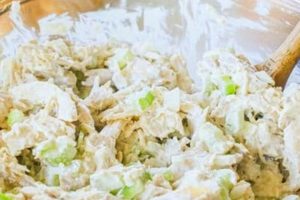
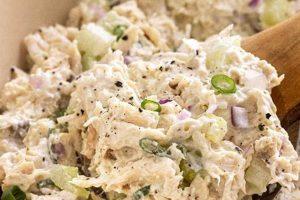
This dish typically features a blend of shredded chicken, dried cranberries, pecans, and a creamy mayonnaise-based dressing, often seasoned with celery and onion. Variations may include crumbled bacon, grapes, or poppy seeds. It’s a popular choice for sandwiches, wraps, salads, or as a standalone snack.
The combination of sweet cranberries, savory chicken, and crunchy pecans creates a balanced flavor profile that appeals to a broad audience. Its versatility allows it to be enjoyed in various settings, from casual lunches to more formal gatherings. This type of salad, while a relatively recent creation, draws inspiration from classic chicken salad preparations while incorporating modern ingredients and flavor combinations. Its popularity highlights the ongoing evolution of culinary traditions and the adaptation of classic recipes to contemporary tastes.
Further exploration will delve into specific ingredient selection, preparation methods, variations, and serving suggestions to maximize the enjoyment and culinary potential of this delightful dish. Nutritional information and potential allergen considerations will also be addressed.
Tips for a Superior Chicken Salad Experience
Achieving optimal flavor and texture requires attention to detail throughout the preparation process. The following tips offer guidance for elevating this classic dish.
Tip 1: Chicken Selection: Opting for high-quality, cooked chicken breast ensures a tender and flavorful base. Roasting or poaching the chicken yields the best results, allowing for greater control over moisture content and seasoning.
Tip 2: Cranberry Quality: Dried cranberries should be plump and flavorful. Avoid overly sweetened or excessively dry varieties, which can detract from the overall balance.
Tip 3: Nut Preparation: Toasting pecans enhances their natural sweetness and adds a desirable crunch. Ensure they are cooled completely before incorporating them into the salad.
Tip 4: Dressing Consistency: The mayonnaise-based dressing should be creamy and well-emulsified. Adjust the consistency to preference by adding small amounts of milk or buttermilk.
Tip 5: Freshness of Ingredients: Utilizing fresh celery and onion elevates the flavor profile. Finely dicing these ingredients ensures even distribution and a pleasant textural contrast.
Tip 6: Chilling Time: Allowing the salad to chill for at least 30 minutes before serving allows the flavors to meld and enhances the overall experience.
Tip 7: Serving Suggestions: Consider serving the salad on croissants, in lettuce wraps, or atop a bed of mixed greens. Crackers or baguette slices offer a simple yet elegant accompaniment.
By adhering to these guidelines, one can consistently create a chicken salad that delivers exceptional flavor, texture, and overall enjoyment. These simple yet effective techniques contribute significantly to the final product.
The following section will provide concluding remarks and a summary of key takeaways for creating a memorable culinary experience.
1. Chicken (cooked, shredded)

Cooked, shredded chicken forms the foundational element of this recipe, providing the primary protein source and influencing the overall texture and flavor profile. The cooking method employed significantly impacts the final result. Roasting or poaching yields moist, flavorful chicken suitable for shredding, while other methods, such as frying, might produce a drier, less desirable texture. The shredding process itself contributes to the salad’s ease of consumption and allows the dressing to coat the chicken evenly, maximizing flavor distribution.
Choosing the right type of chicken also plays a crucial role. Chicken breast, due to its lean nature and mild flavor, serves as an ideal canvas for the other ingredients. Darker meat, while flavorful, can possess a stronger taste that might overpower the delicate balance of sweet and savory elements within the salad. Furthermore, the shredded chicken’s consistency provides a textural contrast to the crunch of pecans and the chewiness of cranberries, creating a multi-dimensional sensory experience. A common pitfall is over-processing the chicken, resulting in a mushy texture. Aiming for a coarse shred maintains the integrity of the chicken while still allowing it to blend seamlessly with the other components.
The quality and preparation of the chicken directly correlate with the overall success of the dish. Overcooked or improperly shredded chicken can lead to a dry, less palatable salad, regardless of the quality of the other ingredients. Therefore, careful attention to the chicken’s preparation is paramount. This understanding emphasizes the importance of selecting and preparing the chicken correctly as a crucial step in achieving a well-balanced and enjoyable cranberry kelly chicken salad chick experience.
2. Cranberries (dried, sweet)

Dried cranberries contribute a crucial dimension of sweetness and tartness to the overall flavor profile of this chicken salad. Their inclusion offers not only a burst of flavor but also a textural counterpoint to the other ingredients. Understanding the role of cranberries within this recipe requires exploring various facets of their contribution.
- Flavor Balance:
The inherent tartness of cranberries offsets the richness of the mayonnaise and the savory notes of the chicken, creating a balanced and complex flavor profile. This interplay of contrasting flavors prevents the salad from becoming overly rich or monotonous. The sweetness of the dried cranberries, often enhanced through added sugar during processing, further contributes to this balance, creating a nuanced flavor experience.
- Textural Contrast:
The chewy texture of dried cranberries provides a textural contrast to the tender shredded chicken and the crunchy pecans. This interplay of textures adds depth and interest to each bite, preventing a uniform, potentially bland consistency. The slight chewiness also encourages more mindful consumption, enhancing the overall sensory experience.
- Visual Appeal:
The vibrant red color of dried cranberries adds a visual element to the salad, enhancing its overall appeal. This pop of color contrasts with the more neutral tones of the chicken and mayonnaise, making the dish more visually engaging and appetizing. The visual appeal contributes to the overall enjoyment of the dish, stimulating appetite and enhancing the dining experience.
- Nutritional Value:
Cranberries offer potential health benefits due to their antioxidant properties. While drying cranberries reduces some nutrient content, they still contribute dietary fiber and certain vitamins. The addition of cranberries subtly elevates the nutritional profile of the salad, offering more than just flavor and texture.
The interplay of these facets demonstrates the integral role dried cranberries play within the cranberry kelly chicken salad chick recipe.” The balanced sweetness, textural contrast, visual appeal, and subtle nutritional boost provided by cranberries contribute significantly to the recipe’s overall success. Carefully considering the quality and quantity of cranberries ensures a well-balanced and enjoyable culinary experience.
3. Pecans (chopped, toasted)

Pecans, specifically chopped and toasted, contribute a significant textural and flavor component to this chicken salad variation. Their presence elevates the dish beyond a simple combination of ingredients, adding a layer of complexity and sophistication. An exploration of the pecans’ role within this recipe reveals several key facets that contribute to its overall success.
- Textural Contrast:
Chopping and toasting the pecans creates a desirable textural contrast within the salad. The crispness of the toasted pecans juxtaposes the tender chicken and chewy cranberries, providing a satisfying mouthfeel. This interplay of textures elevates the sensory experience, preventing a monotonous consistency and adding depth to each bite. Without this textural element, the salad might feel overly soft and lack the dynamic interplay that contributes to its appeal.
- Enhanced Flavor:
Toasting pecans intensifies their inherent nutty flavor and aroma. The application of heat releases volatile aromatic compounds, resulting in a richer, more pronounced pecan taste. This amplified flavor complements the sweetness of the cranberries and the savory notes of the chicken, creating a harmonious balance. Untoasted pecans would offer a less intense flavor, potentially becoming lost amidst the other ingredients.
- Visual Interest:
The golden-brown color achieved through toasting enhances the pecans’ visual appeal, adding an element of warmth and richness to the salad’s presentation. The visual contrast between the toasted pecans and the lighter-colored chicken and mayonnaise makes the dish more visually appealing and appetizing. This visual aspect contributes to the overall enjoyment of the salad, stimulating appetite and enhancing the dining experience.
- Nutritional Contribution:
Pecans, while calorie-dense, offer valuable nutrients such as healthy fats, fiber, and antioxidants. Their inclusion contributes to the overall nutritional value of the salad, providing a source of healthy fats alongside the protein from the chicken. This nutritional aspect, while not the primary focus of the dish, adds another layer of value to the recipe.
The interplay of these facets underscores the vital role that chopped, toasted pecans play within the “cranberry kelly chicken salad chick recipe.” Their contribution extends beyond mere texture and flavor, impacting the visual appeal and nutritional profile of the dish. Omitting or substituting this ingredient would compromise the intended balance and complexity of the recipe, highlighting the importance of using properly prepared pecans for the optimal culinary experience.
4. Mayonnaise (base, creamy)

Mayonnaise serves as the unifying element within the “cranberry kelly chicken salad chick recipe,” binding the diverse ingredients and contributing significantly to the overall texture, flavor, and perceived quality of the dish. Its role extends beyond simply holding the components together; it influences the sensory experience and dictates the final product’s success. A thorough examination of mayonnaise’s function reveals its multifaceted contribution.
- Binding Agent:
Mayonnaise acts as the adhesive, binding the shredded chicken, cranberries, pecans, and seasonings into a cohesive mixture. Its emulsified nature allows it to coat the individual ingredients evenly, ensuring a consistent flavor distribution throughout the salad. Without a sufficient amount of mayonnaise, the salad would be dry, crumbly, and lack the characteristic creamy texture. The quality of the emulsification directly impacts the salad’s stability and prevents separation or weeping.
- Flavor Enhancement:
Mayonnaise contributes a subtle tanginess and richness that complements the other flavors within the salad. The creamy texture enhances the perception of flavor, providing a smooth backdrop for the sweet cranberries, savory chicken, and crunchy pecans. The quality of the mayonnaise itself influences the overall flavor profile; a high-quality mayonnaise made with fresh ingredients will contribute a more nuanced and desirable flavor compared to a processed alternative.
- Texture and Mouthfeel:
Mayonnaise is crucial in establishing the desired creamy texture of the chicken salad. It provides lubrication and moisture, ensuring a smooth and palatable mouthfeel. The amount of mayonnaise used directly affects the final consistency of the salad, ranging from a light and fluffy texture to a denser, richer one. Achieving the ideal texture relies on balancing the mayonnaise with the other ingredients to avoid an overly dry or excessively creamy result.
- Overall Quality Perception:
The quality of the mayonnaise significantly impacts the perceived quality of the entire dish. A high-quality mayonnaise, characterized by a smooth texture, balanced flavor, and stable emulsification, elevates the overall sensory experience. Conversely, a low-quality mayonnaise can detract from the other ingredients, resulting in a less satisfying and potentially unappetizing final product. The choice of mayonnaise underscores the importance of ingredient selection in achieving culinary excellence.
These facets collectively demonstrate the integral role of mayonnaise within the “cranberry kelly chicken salad chick recipe.” Its function extends beyond simply holding the ingredients together; it acts as a flavor enhancer, texture modifier, and overall quality determinant. A thorough understanding of mayonnaise’s contribution within this recipe underscores its importance in achieving the desired balance, consistency, and overall culinary experience.
5. Seasoning (celery, onion)

The inclusion of celery and onion as seasoning within the “cranberry kelly chicken salad chick recipe” contributes a crucial layer of flavor complexity and textural nuance. These aromatics, while often subtle in their presence, play a pivotal role in shaping the overall sensory experience. Their impact extends beyond mere flavoring, influencing the perceived freshness and balance of the dish.
Celery, with its slightly bitter and herbaceous notes, provides a refreshing counterpoint to the sweetness of the cranberries and the richness of the mayonnaise. Its crisp texture adds a subtle crunch, complementing the pecans while contrasting the tender chicken. Onion, whether incorporated raw or subtly sauted, introduces a pungent depth that enhances the savory dimension of the salad. The combination of these two aromatics creates a synergistic effect, amplifying their individual contributions and elevating the overall flavor profile. Omitting these seasonings would result in a flatter, less nuanced taste, highlighting their importance in achieving the desired complexity. For example, the slight bitterness of celery prevents the salad from becoming overly sweet, while the onion’s pungency adds a savory depth that balances the richness of the mayonnaise. This delicate balance is crucial for creating a harmonious flavor profile.
The careful balance of celery and onion within the recipe is paramount. Too much celery can introduce an overwhelming bitterness, while an excess of onion can overpower the other delicate flavors. Achieving the optimal balance requires careful consideration of ingredient proportions and individual palates. Understanding the role of these seasonings enables informed adjustments to cater to specific preferences and ensure a well-balanced and enjoyable final product. The practical significance of this understanding lies in the ability to manipulate the recipe to achieve desired flavor outcomes. By recognizing the individual contributions of celery and onion, one can adjust their quantities to create a customized flavor profile that perfectly complements the other ingredients within the “cranberry kelly chicken salad chick recipe.”
6. Bread/Crackers (serving option)

Bread and crackers function as crucial delivery vehicles for the “cranberry kelly chicken salad chick recipe,” significantly influencing the overall dining experience. Their selection impacts not only the ease of consumption but also the perceived flavor and textural complexity of the dish. This seemingly simple choice carries significant weight in the final culinary outcome.
The selection of bread or crackers introduces a new dimension of texture and flavor that interacts with the salad itself. A buttery croissant, for example, adds a layer of richness and flakiness that complements the creamy salad, while a crisp, seeded cracker offers a contrasting crunch. Consideration must be given to the interplay of flavors and textures. A strongly flavored bread, such as rye or sourdough, might overpower the delicate balance of the salad, while a bland cracker might fail to provide sufficient textural contrast. The serving vessel acts as a blank canvas or a flavor enhancer, depending on its characteristics. Practical implications involve the consideration of dietary restrictions and preferences; gluten-free options or whole-grain varieties can cater to specific needs without compromising enjoyment. Serving the salad in lettuce cups offers a low-carbohydrate alternative while retaining the intended flavor profile.
Beyond the practical considerations, the choice of bread or crackers contributes to the overall presentation and perceived value of the dish. Serving the salad on elegantly arranged crackers elevates the presentation, transforming a simple lunch into a more refined experience. Conversely, a hearty sandwich on crusty bread offers a more casual and satisfying meal. Ultimately, the choice of bread or crackers depends on the desired dining experience, the specific flavor profile of the salad variation, and individual preferences. Understanding this interplay allows for informed decisions that maximize the enjoyment of the “cranberry kelly chicken salad chick recipe.” Successfully pairing the salad with a complementary bread or cracker enhances the overall culinary experience, demonstrating the interconnectedness of seemingly disparate components in creating a satisfying and memorable meal.
Frequently Asked Questions
This section addresses common inquiries regarding the preparation and enjoyment of this dish, offering clarity and guidance for optimal results.
Question 1: What is the ideal storage duration for this type of chicken salad?
Refrigeration in an airtight container for up to three days is recommended for optimal quality and food safety. Beyond this timeframe, consumption is discouraged due to potential bacterial growth.
Question 2: Can alternative nuts be substituted for pecans?
Walnuts or almonds provide suitable alternatives, offering distinct flavor profiles and textures that complement the existing ingredients. Consideration of flavor compatibility is advised when selecting substitutes.
Question 3: What measures can be taken to reduce the overall calorie content?
Using Greek yogurt, light mayonnaise, or a combination thereof in place of full-fat mayonnaise effectively reduces the overall calorie and fat content. Adjusting ingredient ratios, such as reducing the amount of pecans or increasing the quantity of celery, further contributes to calorie management.
Question 4: Can this salad be prepared in advance for large gatherings?
Advance preparation is feasible. Combining all ingredients except the nuts and chilling separately is recommended. Incorporate the nuts shortly before serving to maintain their textural integrity. This approach prevents the nuts from becoming soggy and maintains their desirable crunch.
Question 5: Are there suitable vegan adaptations for this recipe?
Substituting the chicken with chickpeas or finely diced tofu offers a plant-based alternative. Vegan mayonnaise and ensuring other ingredients align with vegan dietary restrictions allow adaptation for those following a plant-based lifestyle.
Question 6: How can the salad’s sweetness be adjusted to individual preferences?
Modifying the quantity of dried cranberries influences the overall sweetness. Reducing the amount for a less sweet profile, or increasing it for heightened sweetness, caters to specific palates. Adding a touch of honey or maple syrup offers another avenue for sweetness adjustment.
Careful consideration of these frequently asked questions ensures successful preparation and enjoyment. Addressing these common concerns promotes a positive culinary experience.
The following section will offer concluding remarks and summarize key takeaways for creating a truly exceptional dish.
Conclusion
This exploration of the “cranberry kelly chicken salad chick recipe” has provided a comprehensive understanding of its individual components and their synergistic interplay. Analysis of the core ingredientschicken, cranberries, pecans, mayonnaise, and seasoningsrevealed their respective contributions to flavor, texture, and overall quality. Emphasis was placed on the importance of ingredient quality, preparation techniques, and balanced proportions in achieving optimal results. Furthermore, the significance of serving options, including bread and crackers, in enhancing the dining experience was highlighted. Addressing common inquiries regarding preparation, storage, and adaptation provided practical guidance for culinary success.
Culinary traditions evolve through creative exploration and adaptation. This recipe exemplifies the potential for innovative combinations to elevate classic dishes. Continued experimentation with ingredient variations and preparation methods promises further culinary discoveries and personalized interpretations of this versatile and satisfying recipe. Careful consideration of the principles outlined herein empowers culinary enthusiasts to create truly exceptional and personalized iterations of this delightful dish.