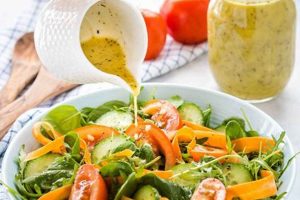
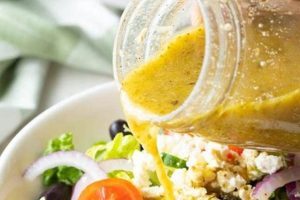
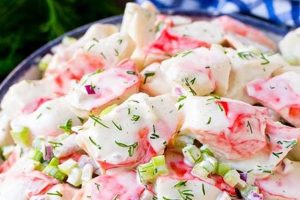
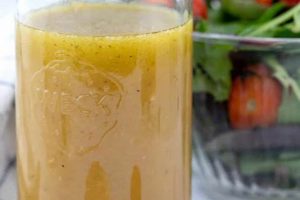
A vibrant and healthful culinary creation involves combining fresh, raw, or cooked vegetables, often with other ingredients like fruits, nuts, seeds, proteins, or cheeses. This mixture is then typically enhanced with a vinaigrette, a type of dressing emulsified from oil and vinegar, often seasoned with herbs, spices, or other flavoring agents. A classic example might include a bed of mixed greens, cherry tomatoes, cucumber, and crumbled feta, tossed with a lemon-herb vinaigrette.
Such dishes offer a versatile and nutritious meal option. They can be tailored to individual dietary needs and preferences, offering a spectrum of flavors and textures. The use of a vinaigrette, as opposed to heavier, cream-based dressings, contributes to a lighter, more refreshing experience and often provides beneficial antioxidants and healthy fats. Historically, simple vinegar-based dressings have been used for centuries, evolving alongside culinary traditions and the availability of diverse ingredients.
The following sections will delve deeper into the art of crafting these flavorful and nutritious meals. Topics to be covered include the selection of appropriate ingredients, vinaigrette variations, techniques for proper emulsification, and creative presentation ideas.
Tips for Creating Exceptional Salads with Vinaigrettes
Achieving optimal flavor and texture requires attention to detail throughout the preparation process. The following tips offer guidance for composing truly satisfying and healthful meals.
Tip 1: Ingredient Selection: Opt for fresh, seasonal produce whenever possible. Peak-season vegetables offer superior flavor and nutritional value. Consider a variety of textures and colors for visual appeal and a balanced sensory experience.
Tip 2: Vinaigrette Ratio: A standard vinaigrette typically employs a 3:1 ratio of oil to vinegar. This balance can be adjusted to suit individual preferences. Extra virgin olive oil provides a robust flavor, while lighter oils like grapeseed or avocado oil offer a more neutral base.
Tip 3: Emulsification Technique: Proper emulsification is crucial for a smooth and well-combined dressing. Whisk the vinegar and any seasonings together vigorously before slowly drizzling in the oil while continuing to whisk. This creates a stable emulsion that prevents separation.
Tip 4: Seasoning: Freshly ground black pepper and sea salt are essential seasonings. Enhance the vinaigrette further with herbs, spices, Dijon mustard, honey, or maple syrup. Taste and adjust seasonings as needed.
Tip 5: Proper Storage: Store prepared vinaigrette in an airtight container in the refrigerator. Shake well before serving, as some separation may occur over time.
Tip 6: Timing is Key: Dress the salad just before serving to prevent the leaves from wilting. Toss gently to ensure all ingredients are evenly coated.
Tip 7: Balance and Contrast: Consider incorporating elements of contrasting flavor and texture, such as crunchy nuts, creamy cheese, or sweet dried fruit, to create a more complex and satisfying culinary experience.
By following these guidelines, one can elevate simple ingredients into flavorful and nutritious meals. Careful consideration of each element, from ingredient selection to proper emulsification, contributes to a truly exceptional dining experience.
With a foundation in these fundamental principles, exploration of more complex recipes and techniques becomes readily accessible.
1. Fresh, Seasonal Ingredients
Fresh, seasonal ingredients are fundamental to a successful salad featuring a vinaigrette dressing. Seasonality dictates peak ripeness, resulting in produce bursting with flavor and optimal nutritional value. A vinaigrette, with its light and acidic nature, allows the natural flavors of these ingredients to shine. Imagine a summer salad showcasing ripe tomatoes, sweet corn, and fragrant basil, lightly dressed with a balsamic vinaigrette. The sweetness of the corn and tomatoes harmonizes with the tangy vinaigrette, creating a vibrant and refreshing dish. Conversely, using out-of-season tomatoes, often lacking flavor and texture, would diminish the overall quality of the salad, regardless of the dressing.
This principle extends to all seasonal produce. Spring salads might feature tender asparagus, peppery radishes, and fresh mint, while fall salads could incorporate earthy beets, crisp apples, and toasted walnuts. The selection of ingredients according to their seasonality not only maximizes flavor but also promotes sustainable agricultural practices and supports local farmers. Furthermore, the inherent variety offered by seasonal produce encourages culinary creativity and exploration of diverse flavor combinations. A winter citrus salad with fennel, pomegranate seeds, and a blood orange vinaigrette offers a refreshing contrast to heavier winter meals, showcasing the versatility of seasonal produce.
Utilizing fresh, seasonal ingredients is therefore not merely a culinary suggestion but a crucial factor impacting the overall quality and enjoyment of a salad with vinaigrette dressing. This approach prioritizes flavor, supports sustainable practices, and fosters culinary creativity. The inherent connection between seasonality and flavor underscores the importance of selecting ingredients at their peak ripeness to fully realize the potential of this simple yet versatile dish.
2. Balanced Vinaigrette Ratios
The success of a salad with vinaigrette dressing hinges significantly on the balance of ingredients within the vinaigrette itself. A well-executed vinaigrette elevates the flavors of the salad components without overpowering them. Understanding the interplay of oil, vinegar, and additional flavoring agents is essential for achieving a harmonious and palatable result.
- The Classic 3:1 Ratio
The standard vinaigrette ratio of three parts oil to one part vinegar provides a balanced foundation. This proportion allows the richness of the oil to complement the sharpness of the vinegar without either element dominating. For example, a simple vinaigrette might combine three tablespoons of olive oil with one tablespoon of balsamic vinegar. This ratio can be adjusted slightly to accommodate personal preferences or the specific characteristics of the chosen oil and vinegar. A milder vinegar might benefit from a slightly higher proportion in the mix, while a particularly robust oil might require a slight reduction.
- Oil Selection
The choice of oil significantly impacts the vinaigrette’s flavor and texture. Extra virgin olive oil lends a peppery, fruity note, while avocado oil offers a creamy texture and neutral flavor. Lighter oils like grapeseed or sunflower oil provide a subtle backdrop for other ingredients. The oil’s flavor profile should complement the other salad components. For instance, a delicate salad with fresh herbs and spring vegetables might benefit from a light and neutral oil, whereas a more robust salad with roasted vegetables could pair well with a heartier olive oil.
- Vinegar Variation
Vinegar contributes brightness and acidity, balancing the richness of the oil. Options range from classic red wine vinegar and apple cider vinegar to white wine vinegar, balsamic vinegar, and specialty vinegars like champagne or sherry vinegar. Each type imparts unique flavor characteristics, impacting the overall profile of the vinaigrette. A balsamic vinaigrette lends a sweet and tangy complexity, while a red wine vinaigrette provides a sharper, more robust flavor. Matching the vinegar to the other salad ingredients is crucial for creating a cohesive and flavorful dish. A light and fruity vinegar might complement a summer salad with berries and feta, whereas a more robust vinegar might pair well with a hearty winter salad.
- Emulsification and Additional Flavors
Achieving a stable emulsion, where the oil and vinegar are thoroughly combined, is crucial for a smooth and well-distributed dressing. Whisking constantly while slowly drizzling the oil into the vinegar helps create a stable emulsion. Additional flavoring agents, such as Dijon mustard, honey, maple syrup, herbs, spices, garlic, and shallots, further enhance the complexity of the vinaigrette. These additions should be incorporated judiciously, ensuring they complement the overall flavor profile without overwhelming the core balance of oil and vinegar. A touch of Dijon mustard adds a subtle tang and helps stabilize the emulsion, while a drizzle of honey can balance the acidity and add a touch of sweetness.
A well-balanced vinaigrette enhances the overall enjoyment of a salad by complementing, not masking, the flavors of its components. The careful consideration of oil and vinegar types, their ratio, and the judicious use of additional flavorings contributes to a cohesive and delicious culinary experience. A properly balanced vinaigrette transforms a simple assortment of ingredients into a sophisticated and satisfying dish.
3. Proper Emulsification

Proper emulsification is crucial for the creation of a successful vinaigrette, the defining element of many salads. Emulsification refers to the process of combining two immiscible liquids, in this context, oil and vinegar, into a stable mixture. A properly emulsified vinaigrette exhibits a smooth, creamy texture and a cohesive flavor profile, where the oil and vinegar do not separate. This stability ensures that the dressing coats the salad ingredients evenly, delivering a consistent flavor experience in each bite. Failure to achieve proper emulsification results in a broken dressing, where the oil and vinegar separate, leading to an uneven distribution of flavor and a less appealing, oily mouthfeel. Consider a simple lemon vinaigrette: when properly emulsified, the tartness of the lemon juice is balanced by the richness of the olive oil, creating a harmonious dressing that clings lightly to the salad greens. However, a broken vinaigrette will result in pockets of oil and isolated bursts of acidity, compromising the overall balance and enjoyment of the salad.
The practical significance of proper emulsification extends beyond immediate sensory appeal. A stable emulsion ensures a more even distribution of flavor across the salad, preventing localized concentrations of oil or vinegar. This is particularly important when incorporating delicate ingredients like fresh herbs or leafy greens, which can be overwhelmed by an excess of oil or wilted by undiluted vinegar. Furthermore, a well-emulsified vinaigrette contributes to a more visually appealing presentation. A broken, separated dressing detracts from the overall aesthetic of the salad, whereas a smooth, creamy vinaigrette enhances its visual appeal. For example, a salad featuring grilled chicken, avocado, and cherry tomatoes benefits from a creamy cilantro-lime vinaigrette that coats the ingredients evenly, enhancing both flavor and presentation. A separated dressing, on the other hand, would create an unappetizing visual and deliver inconsistent flavor.
Achieving proper emulsification requires a specific technique. Whisking the vinegar and any emulsifying agents, such as Dijon mustard or honey, together first creates a base for the emulsion. The oil should then be added slowly, in a thin stream, while whisking constantly. This continuous agitation disperses the oil droplets evenly throughout the vinegar, creating a stable emulsion. Understanding and applying this technique ensures the creation of a high-quality vinaigrette, significantly contributing to the overall success and enjoyment of the salad. Mastering this fundamental technique allows for greater control over flavor, texture, and presentation, elevating a simple salad into a culinary accomplishment.
4. Complementary Flavor Profiles

The success of a salad with vinaigrette dressing hinges significantly on the interplay of flavors. A thoughtfully constructed salad considers the balance between the individual componentsgreens, vegetables, proteins, cheeses, and other additionsand how these elements interact with the vinaigrette itself. Complementary flavor profiles enhance the overall dining experience, creating a harmonious and satisfying dish where each element contributes to a cohesive whole. Without this careful consideration, a salad can become a disjointed collection of ingredients, lacking depth and complexity.
- Balancing Acidity and Richness
Vinaigrettes, inherently acidic due to their vinegar base, require a counterpoint of richness or sweetness to achieve balance. This can be achieved through the incorporation of ingredients like creamy cheeses (goat cheese, feta), avocado, nuts (walnuts, pecans), or sweet fruits (berries, apples). For example, the sharpness of a lemon vinaigrette is balanced by the creamy richness of avocado in a California-style salad. The interplay of these contrasting yet complementary flavors creates a more nuanced and enjoyable culinary experience. Conversely, pairing a highly acidic vinaigrette with equally tart ingredients, such as cranberries or grapefruit segments, might result in an excessively sharp flavor profile.
- Enhancing Flavor Profiles with Herbs and Spices
Fresh herbs and spices play a vital role in enhancing and complementing the flavors of both the salad components and the vinaigrette. The herbal notes of a basil vinaigrette, for instance, can amplify the sweetness of ripe tomatoes while simultaneously providing a refreshing counterpoint to creamy mozzarella. Similarly, a vinaigrette infused with warm spices like cumin or coriander can complement the earthy flavors of roasted vegetables like sweet potatoes or butternut squash. The selection of herbs and spices should consider the overall flavor profile desired and the specific ingredients within the salad.
- Textural Considerations
While not strictly a flavor element, texture plays a significant role in how flavors are perceived and experienced. A salad composed solely of soft ingredients, such as lettuce and tomatoes, might benefit from the addition of crunchy elements like toasted nuts, croutons, or seeds to provide textural contrast. This variety not only adds interest but also enhances the overall sensory experience, making the salad more engaging and satisfying. For example, the soft texture of roasted beets is complemented by the crunch of toasted walnuts in a salad with goat cheese and a balsamic vinaigrette. This interplay of textures makes each bite more dynamic and prevents the salad from becoming monotonous.
- Seasonal Considerations
Flavor profiles often benefit from seasonal synergy. Utilizing ingredients at their peak ripeness ensures optimal flavor and allows for the creation of salads that reflect the nuances of each season. A spring salad might feature fresh peas, asparagus, and mint, complemented by a light lemon vinaigrette, showcasing the bright, fresh flavors of the season. In contrast, a fall salad might incorporate roasted root vegetables, apples, and pecans, paired with a maple-Dijon vinaigrette, reflecting the warmer, earthier flavors of autumn. This alignment of flavors with seasonal ingredients enhances the overall harmony and creates a more cohesive culinary narrative.
The creation of a well-balanced and flavorful salad with vinaigrette dressing requires careful consideration of complementary flavor profiles. The interplay between the vinaigrette and the other salad components, the judicious use of herbs and spices, attention to textural variety, and an awareness of seasonal influences all contribute to a more nuanced and satisfying culinary experience. A thoughtfully constructed salad is more than the sum of its parts; it’s a harmonious blend of flavors and textures that delights the palate and elevates a simple dish into a culinary masterpiece.
5. Textural Variety

Textural variety represents a crucial element within salads featuring vinaigrette dressings. Beyond mere flavor, the interplay of textures significantly impacts the overall dining experience. A successful salad engages the palate with a range of sensations, preventing monotony and enhancing enjoyment. The vinaigrette, while contributing flavor, does not inherently address textural considerations; therefore, the intentional incorporation of diverse textures becomes essential.
- Crunchy Elements
Crunchy elements provide a counterpoint to softer ingredients, adding a satisfying contrast. Nuts, seeds, croutons, raw vegetables like carrots or celery, and crispy fried onions offer varying degrees of crunch. Consider a salad with roasted butternut squash, crumbled goat cheese, and candied pecans. The pecans introduce a welcome textural disruption to the softer squash and cheese. This interplay of textures prevents the salad from becoming overly homogenous and adds a dynamic element to each bite.
- Soft and Tender Components
Leafy greens, roasted vegetables, cooked grains, or beans contribute softness, creating a foundation for other textures to build upon. These elements often absorb the vinaigrette, ensuring flavor distribution throughout the salad. Delicate greens like butter lettuce or spinach provide a soft backdrop for heartier components like grilled chicken or roasted chickpeas. Their tenderness complements the vinaigrette, allowing the flavors to meld harmoniously.
- Creamy Textures
Creamy textures often come from ingredients like avocado, cheese, or a creamy dressing element (although less common with vinaigrettes). These elements add richness and a smooth mouthfeel, contrasting with crunchy or crisp components. A salad featuring avocado, cherry tomatoes, and crumbled feta offers a pleasant contrast between the creamy avocado, juicy tomatoes, and crumbly feta. The creamy element binds the other textures together, creating a more cohesive and satisfying experience.
- Chewy Textures
Dried fruits like cranberries or raisins, or chewy grains like farro or quinoa, introduce a chewy texture that contrasts with other elements. This chewiness adds another dimension to the sensory experience, preventing the salad from becoming one-dimensional. A quinoa salad with black beans, corn, bell peppers, and a lime vinaigrette benefits from the chewiness of the quinoa, which contrasts with the crispness of the vegetables. This textural interplay adds complexity and keeps the palate engaged.
The strategic combination of these textural elements elevates a salad with vinaigrette dressing from a simple dish to a more complex and satisfying culinary experience. The interplay of textures adds depth and interest, ensuring that each bite offers a dynamic and engaging combination of sensations. A well-composed salad considers not only the flavors but also the textures of its components, resulting in a more complete and enjoyable meal.
6. Creative Presentation
Creative presentation elevates a salad with vinaigrette dressing from a simple meal to a visually appealing and engaging culinary experience. While flavor and texture remain paramount, visual appeal significantly influences perception and enjoyment. Thoughtful presentation enhances the dining experience, enticing the appetite and adding a touch of elegance, even to everyday meals. The way a salad is composed and served impacts its perceived value and can transform a basic recipe into a restaurant-quality dish.
- Plating Techniques
Moving beyond simply tossing ingredients in a bowl, strategic plating techniques can significantly enhance visual appeal. Consider building the salad vertically, layering ingredients on a flat plate rather than in a bowl, or using a ring mold to create a composed, structured presentation. For example, a Caprese salad can be elevated by arranging slices of tomato, mozzarella, and basil in an overlapping circular pattern rather than simply piling them on a plate. This intentional arrangement transforms a classic salad into a visually striking dish.
- Color and Contrast
Vibrant colors stimulate the appetite and create visual interest. Incorporating a variety of colorful ingredientsred tomatoes, orange carrots, green spinach, purple cabbageenhances the salad’s aesthetic appeal. Furthermore, contrasting colors create visual dynamism. A salad featuring dark leafy greens, bright red berries, and creamy white goat cheese offers a visually appealing contrast that enhances its overall presentation. Thoughtful color combinations contribute significantly to the overall aesthetic of the dish.
- Garnishes and Finishing Touches
A simple garnish can elevate a salad’s presentation significantly. A sprinkle of chopped fresh herbs, a drizzle of extra virgin olive oil, a scattering of toasted nuts or seeds, or a few edible flowers adds a finishing touch that enhances both visual appeal and flavor. A garnish should complement the existing flavors and colors of the salad without overpowering them. A sprinkle of toasted sesame seeds complements an Asian-inspired salad with a ginger-soy vinaigrette, adding both visual appeal and a subtle nutty flavor. Such details demonstrate attention to detail and elevate the perceived quality of the dish.
- Serving Vessels
The choice of serving vessel also contributes to the overall presentation. While a traditional bowl serves its purpose, consider alternative options like shallow plates, individual ramekins, or even serving the salad on a platter for a family-style meal. The serving vessel should complement the style of the salad and the overall dining experience. A composed salad might be best served on a flat plate to showcase its layered construction, while a rustic salad could be served in a wooden bowl for a more informal presentation.
By focusing on creative presentation, a salad with vinaigrette dressing transcends its functional purpose and becomes a visually engaging culinary creation. The interplay of plating techniques, color contrast, thoughtful garnishes, and appropriate serving vessels enhances the dining experience, transforming a simple salad into a feast for both the eyes and the palate. This attention to detail elevates even the most basic salad, demonstrating care and consideration in its preparation and presentation.
7. Nutritional Considerations
Nutritional considerations are integral to the creation of healthful and balanced salads with vinaigrette dressings. Such dishes offer an opportunity to incorporate a variety of nutrient-rich ingredients, contributing to overall dietary well-being. Careful selection of components and mindful preparation methods maximize the nutritional value inherent in these versatile culinary creations. Understanding the nutritional implications of various ingredients and preparation techniques allows for the creation of salads that not only satisfy the palate but also support optimal health.
- Micronutrient Density
Salads offer a platform for incorporating a wide array of micronutrient-rich vegetables, fruits, and other ingredients. Dark leafy greens, colorful vegetables like bell peppers and carrots, and fruits such as berries provide essential vitamins, minerals, and antioxidants. These micronutrients play crucial roles in various bodily functions, supporting immune health, cellular function, and overall well-being. A spinach salad with strawberries, blueberries, and a balsamic vinaigrette, for instance, delivers a significant dose of Vitamin C, Vitamin K, and antioxidants. Strategic ingredient selection maximizes the micronutrient density of these dishes, contributing to a balanced and nutritious meal.
- Healthy Fats and Fiber
Vinaigrettes, typically composed of oil and vinegar, provide an opportunity to incorporate healthy fats into the diet. Olive oil, avocado oil, and nut oils are rich in monounsaturated and polyunsaturated fats, which offer various health benefits, including supporting cardiovascular health and reducing inflammation. Furthermore, the inclusion of ingredients like nuts, seeds, and whole grains increases the fiber content of the salad. Fiber aids digestion, promotes satiety, and contributes to overall gut health. A salad featuring avocado, walnuts, and quinoa, dressed with an olive oil-based vinaigrette, provides a substantial source of both healthy fats and dietary fiber.
- Calorie Control and Portion Management
Salads, when prepared mindfully, can be a valuable tool for calorie control and portion management. Focusing on nutrient-dense ingredients and utilizing a vinaigrette, as opposed to heavier, calorie-rich dressings, contributes to a lower overall calorie intake. Portion control also plays a crucial role. While salads are generally considered healthful, excessive portions of high-calorie ingredients like cheese or nuts can negate the potential health benefits. A balanced approach, incorporating a variety of nutrient-rich ingredients in appropriate portions, allows for the creation of satisfying and calorie-conscious meals. A large salad featuring grilled chicken, mixed greens, and a variety of vegetables, dressed with a light vinaigrette, can be a substantial yet calorie-controlled meal.
- Nutrient Bioavailability
The inclusion of healthy fats in vinaigrettes plays a crucial role in nutrient bioavailability. Fat-soluble vitamins, such as vitamins A, D, E, and K, require dietary fat for absorption. The presence of oil in the vinaigrette facilitates the absorption of these essential nutrients from the other salad ingredients. For example, a salad containing carrots, rich in beta-carotene (a precursor to Vitamin A), benefits from the presence of oil in the vinaigrette, which enhances the body’s ability to absorb and utilize this important nutrient. Understanding this interplay between dietary fat and nutrient absorption underscores the importance of incorporating healthy fats into salad dressings.
Nutritional considerations should inform the construction of any salad featuring a vinaigrette dressing. By prioritizing nutrient-dense ingredients, incorporating healthy fats, practicing portion control, and understanding the role of nutrient bioavailability, individuals can create salads that are not only delicious but also contribute to a balanced and healthful diet. These considerations elevate the salad from a simple side dish to a central component of a nutritionally sound meal plan, promoting overall well-being and supporting long-term health goals. The versatility of salads allows for endless variations, accommodating diverse dietary needs and preferences while consistently delivering a wealth of nutritional benefits.
Frequently Asked Questions
This section addresses common inquiries regarding the creation and enjoyment of salads featuring vinaigrette dressings.
Question 1: How can one prevent a vinaigrette from separating?
Proper emulsification is key. Whisk the vinegar and any emulsifying agents (e.g., Dijon mustard, honey) vigorously before slowly drizzling in the oil while continuing to whisk. This creates a stable emulsion that resists separation. If separation occurs, re-whisk before serving.
Question 2: What is the ideal ratio of oil to vinegar in a vinaigrette?
A standard vinaigrette typically uses a 3:1 ratio of oil to vinegar. This balance can be adjusted according to personal preference. Milder vinegars may benefit from a slightly higher proportion, while robust oils may require a slight reduction.
Question 3: Can vinaigrettes be made ahead of time?
Vinaigrettes can be prepared in advance and stored in an airtight container in the refrigerator. Some separation may occur over time; shake well before serving.
Question 4: When should a salad be dressed?
Dress the salad immediately before serving to prevent the leaves from wilting. Toss gently to ensure all ingredients are evenly coated.
Question 5: What types of oils are best suited for vinaigrettes?
Extra virgin olive oil, avocado oil, grapeseed oil, and sunflower oil are all suitable choices. The selection depends on the desired flavor profile and the other salad ingredients. Extra virgin olive oil provides a robust flavor, while avocado oil offers a creamy texture and neutral taste. Lighter oils like grapeseed or sunflower oil offer subtle backgrounds for other ingredients.
Question 6: How can one enhance the flavor of a basic vinaigrette?
Fresh herbs, spices, Dijon mustard, honey, maple syrup, minced garlic, or shallots can enhance a vinaigrette’s complexity. These additions should complement the overall flavor profile.
Understanding these fundamental aspects of vinaigrette preparation and salad composition contributes to the creation of more enjoyable and flavorful dining experiences.
The following section will explore specific salad recipes incorporating a variety of vinaigrettes and seasonal ingredients.
Salad Recipe with Vinaigrette Dressing
Exploration of this culinary subject reveals the multifaceted nature of a seemingly simple dish. Careful consideration of ingredient selection, vinaigrette composition, textural interplay, and presentation elevates the final product. Fresh, seasonal produce forms the foundation, while a properly balanced and emulsified vinaigrette enhances, rather than masks, the natural flavors. Attention to textural variety adds complexity and visual appeal contributes to a more engaging dining experience. Nutritional value remains a key consideration, with opportunities to incorporate a wealth of vitamins, minerals, healthy fats, and fiber.
Culinary exploration extends beyond mere sustenance; it represents a continuous process of discovery and refinement. The potential for creativity within the realm of salad creation remains vast. Continued experimentation with diverse ingredients, flavor combinations, and presentation techniques promises further evolution and enjoyment of this versatile culinary form.