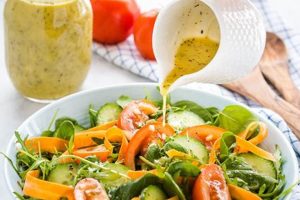
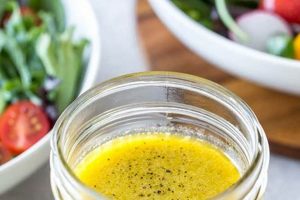
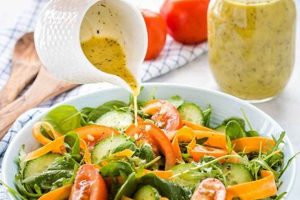
A vibrant and flavorful condiment, typically composed of chipotle peppers, lime juice, oil, and seasonings, enhances salads and other dishes with smoky, tangy, and subtly spicy notes. Variations often include ingredients such as honey, cilantro, or yogurt for added complexity and sweetness.
This style of dressing offers a versatile way to add depth and excitement to a range of cuisines. The combination of smoky heat and citrus brightness creates a balanced flavor profile that complements everything from leafy greens and grilled vegetables to tacos and grain bowls. Its popularity stems from a growing appreciation for bold, global flavors and the increasing accessibility of key ingredients. This type of dressing also provides a healthy way to incorporate flavorful spices and antioxidants into meals.
Exploring the nuances of this dressing reveals a wide spectrum of possible flavor combinations and applications. From the selection of chipotle peppers to the balance of acidity and sweetness, crafting the ideal dressing offers opportunities for culinary creativity. Further exploration will delve into specific ingredient choices, preparation methods, and suggested pairings to unlock the full potential of this dynamic culinary asset.
Tips for Crafting Exceptional Chipotle Lime Salad Dressing
Creating a balanced and flavorful chipotle lime dressing involves careful consideration of ingredient selection and preparation techniques. The following tips offer guidance for achieving optimal results.
Tip 1: Chipotle Selection: Canned chipotles in adobo sauce provide a convenient and flavorful option. For a smoother dressing, remove the seeds and finely chop the peppers. Adjust the quantity according to desired heat levels.
Tip 2: Lime Juice: Freshly squeezed lime juice is essential for optimal brightness and acidity. Bottled juice often lacks the same vibrant flavor.
Tip 3: Oil Selection: Neutral oils, such as avocado or grapeseed, allow the other flavors to shine. Extra virgin olive oil can be used for a more robust flavor profile.
Tip 4: Balancing Flavors: Achieve harmony by balancing the smoky heat of the chipotles with the tanginess of the lime juice and a touch of sweetness from honey or agave nectar.
Tip 5: Emulsification: Whisking the ingredients vigorously creates a stable emulsion, preventing separation and ensuring a creamy texture.
Tip 6: Customization: Tailor the dressing to individual preferences by incorporating additional ingredients like cilantro, cumin, garlic, or Greek yogurt.
Tip 7: Taste and Adjust: Taste the dressing throughout the preparation process and adjust seasonings as needed to achieve the desired balance of flavors.
By following these tips, one can create a chipotle lime dressing that elevates any dish with its vibrant flavor and complexity.
The provided guidance equips individuals with the knowledge and techniques to confidently create a dressing tailored to specific preferences and culinary needs.
1. Ingredients

Ingredient selection significantly impacts the final flavor profile and quality of a chipotle lime salad dressing. Careful consideration of each component ensures a balanced and desirable outcome. The following facets explore key ingredient categories and their contributions to the overall recipe.
- Chipotle Peppers:
Chipotle peppers, smoked and dried jalapeos, provide the characteristic smoky heat. Canned chipotles packed in adobo sauce offer convenience and concentrated flavor. The quantity used dictates the level of spiciness, allowing for customization based on individual preferences. The adobo sauce itself contributes a complex depth of flavor, incorporating elements of smokiness, sweetness, and tanginess.
- Lime Juice:
Freshly squeezed lime juice introduces a bright, acidic counterpoint to the smoky heat of the chipotles. This acidity balances the richness of the oil and enhances the overall flavor profile. Freshly squeezed juice is preferred over bottled varieties due to its superior flavor and aroma, which contribute significantly to the dressing’s vibrancy.
- Oil:
The oil serves as the base of the dressing, providing texture and mouthfeel. Neutral oils, such as avocado or grapeseed oil, allow the other flavors to take center stage. Alternatively, extra virgin olive oil offers a more robust flavor profile, which can complement the other ingredients while adding its own distinct character.
- Sweetener:
A touch of sweetness balances the heat and acidity, creating a more harmonious flavor profile. Honey or agave nectar are common choices, each contributing subtle nuances to the final product. The level of sweetness can be adjusted to personal preference, further enhancing the customization potential of the recipe.
The interplay of these key ingredients defines the character of a chipotle lime salad dressing. The careful selection and proportioning of each component contribute to the overall balance and complexity of flavors, resulting in a versatile and flavorful condiment.
2. Preparation

Proper preparation techniques are essential for maximizing the flavor and texture of chipotle lime salad dressing. These methods ensure the ingredients combine effectively, resulting in a harmonious and emulsified dressing.
- Blending:
Blending combines the ingredients into a smooth and homogenous mixture. A high-powered blender effectively incorporates the chipotle peppers, creating a consistent texture and distributing the flavor evenly throughout the dressing. This method is particularly useful for achieving a creamy, emulsified dressing.
- Whisking:
Whisking offers a more hands-on approach, allowing for gradual incorporation of ingredients and control over the final texture. This method is suitable for dressings with a slightly coarser texture, where small pieces of chipotle peppers are desired. Whisking also promotes emulsification, helping to bind the oil and lime juice together.
- Order of Addition:
The order in which ingredients are added can impact the emulsification and overall texture. Generally, starting with the lime juice, sweetener, and spices, followed by the gradual addition of oil while whisking, creates a stable emulsion. This methodical approach prevents separation and ensures a cohesive dressing.
- Resting and Adjusting:
Allowing the dressing to rest after preparation allows the flavors to meld and deepen. This resting period also provides an opportunity to reassess the flavor profile and make adjustments as needed. Additional lime juice, sweetener, or spices can be added to fine-tune the balance and achieve the desired taste.
These preparation methods are crucial for optimizing the flavor, texture, and stability of chipotle lime salad dressing. By understanding and implementing these techniques, one can consistently create a high-quality dressing that complements a variety of dishes.
3. Flavor Profile

The flavor profile of a chipotle lime salad dressing hinges on a dynamic interplay of key taste elements. Smokiness, derived from the chipotle peppers, forms the foundational layer, lending a depth and complexity often associated with grilling or roasting. This smokiness is balanced by the bright acidity of lime juice, which cuts through the richness and adds a refreshing tang. Spiciness, also contributed by the chipotles, introduces a warming sensation and varying degrees of heat depending on the pepper quantity and preparation. Sweetness, often incorporated through honey or agave nectar, rounds out the profile, harmonizing the other elements and adding a touch of complexity. These core flavors intertwine to create a vibrant and balanced sensory experience.
The careful calibration of these elements is crucial. A dressing overly reliant on chipotle can become overwhelmingly smoky and spicy, obscuring the other nuances. Insufficient lime juice might result in a flat, unbalanced profile lacking the necessary brightness. The interplay of these flavors allows for a spectrum of variations. For example, a dressing emphasizing lime and sweetness with a subtle hint of chipotle offers a refreshing, mildly spicy option, while a dressing with a pronounced smoky and spicy character, balanced by a touch of sweetness, delivers a bolder, more intense experience. Understanding these dynamics empowers culinary exploration and customization based on individual preferences and intended pairings.
Mastery of the flavor profile unlocks the dressing’s versatility. Its complexity allows it to complement a wide array of dishes, from simple green salads to grilled proteins and roasted vegetables. The balance of smoky, spicy, tangy, and sweet notes creates a dynamic flavor foundation that enhances rather than overwhelms the accompanying ingredients. Achieving this balance requires careful attention to ingredient selection, preparation methods, and a nuanced understanding of how each component contributes to the overall sensory experience. This understanding is fundamental to crafting a successful chipotle lime salad dressing that elevates and complements a diverse range of culinary creations.
4. Versatility

The versatility of chipotle lime salad dressing stems from its balanced flavor profile and adaptable nature, allowing integration into a wide range of culinary applications. This adaptability transcends traditional salad usage, extending to marinades, sauces, and dips. Understanding this versatility unlocks the dressing’s full potential, transforming it from a simple condiment to a dynamic culinary tool.
- Salads:
As its name suggests, the dressing excels as a salad enhancer. Its vibrant flavors complement various greens, vegetables, and proteins, from delicate spring mixes to hearty roasted vegetables. The dressing’s balanced acidity and subtle sweetness create a harmonious counterpoint to the bitterness of certain greens and the earthiness of roasted vegetables, resulting in a well-rounded flavor experience.
- Marinades:
The robust flavors of chipotle lime dressing make it an excellent marinade for various proteins, including chicken, fish, and tofu. The acidity of the lime juice helps tenderize the protein, while the chipotle peppers infuse a smoky depth. This marinade adds complexity and enhances the overall flavor profile of grilled, baked, or pan-fried dishes.
- Sauces and Dips:
With slight modifications, chipotle lime dressing easily transforms into a sauce or dip. Adding ingredients like Greek yogurt or sour cream creates a creamy texture ideal for dipping vegetables, chips, or spreading on sandwiches and wraps. This adaptability offers a convenient way to incorporate the dressing’s vibrant flavors into a broader range of snacks and meals.
- Tacos and Mexican Cuisine:
Chipotle lime dressing naturally complements the flavors of Mexican cuisine. It serves as a vibrant topping for tacos, burritos, and bowls, adding a layer of smoky heat and tangy brightness that enhances the overall culinary experience. Its compatibility with common Mexican ingredients like cilantro, avocado, and corn further solidifies its place in this culinary context.
The multifaceted nature of chipotle lime salad dressing extends beyond these examples. Its adaptability makes it a valuable asset in diverse culinary scenarios, limited only by creativity and experimentation. By understanding its core flavor profile and potential applications, one can fully appreciate the dressing’s true versatility and integrate it into a wide array of dishes, expanding its role from a simple condiment to a dynamic and essential culinary ingredient.
5. Nutritional Value

Nutritional value within the context of chipotle lime salad dressing recipes refers to the beneficial nutrients and compounds contributed by the ingredients. While the primary purpose of this dressing is to enhance flavor, understanding its nutritional contributions provides a more complete picture of its role in a balanced diet. The specific nutritional profile varies depending on the chosen ingredients and their proportions, but several key components consistently offer health benefits.
- Vitamins and Minerals from Lime Juice:
Fresh lime juice is a significant source of Vitamin C, a potent antioxidant that supports immune function and collagen production. It also contributes smaller amounts of other vitamins and minerals, such as potassium and folate. These micronutrients play essential roles in various bodily functions, from maintaining electrolyte balance to supporting cell growth and development. The inclusion of fresh lime juice in the dressing thus offers a flavorful way to boost the intake of these essential nutrients.
- Antioxidants from Chipotle Peppers:
Chipotle peppers, despite their processed nature, retain some of the antioxidant properties found in jalapeo peppers. These antioxidants, including vitamin A and various carotenoids, help protect cells against oxidative stress, a contributing factor to chronic diseases. While the levels of these compounds may be lower than in fresh jalapeos, their presence still contributes to the overall antioxidant capacity of the dressing.
- Healthy Fats from Oil:
The oil used in the dressing, particularly if avocado or olive oil is chosen, contributes healthy monounsaturated and polyunsaturated fats. These fats support cardiovascular health, help regulate cholesterol levels, and provide essential fatty acids necessary for various bodily functions. The type and quantity of oil influence the overall fat content and fatty acid profile of the dressing, offering opportunities to tailor the recipe for specific dietary needs.
- Potential Prebiotic Benefits:
Some recipes incorporate ingredients like honey or agave nectar, which contain small amounts of prebiotics. Prebiotics are non-digestible fibers that promote the growth of beneficial bacteria in the gut. A healthy gut microbiome supports digestion, immune function, and overall well-being. While the prebiotic content in the dressing might not be substantial, it can contribute to a diet that supports gut health.
While chipotle lime salad dressing is not a primary source of nutrients, its ingredients offer various health benefits. The combined contributions of vitamins, minerals, antioxidants, and healthy fats make this dressing more than just a flavorful addition to meals; it represents a conscious choice to incorporate ingredients with beneficial properties. Understanding these nutritional aspects allows for a more holistic appreciation of its role in a balanced and health-conscious dietary approach.
Frequently Asked Questions
This section addresses common inquiries regarding chipotle lime salad dressing, providing concise and informative responses to facilitate a deeper understanding of its preparation and usage.
Question 1: How can the spiciness of the dressing be adjusted?
Spiciness is primarily determined by the quantity of chipotle peppers used. Start with a smaller amount and gradually increase to achieve the desired heat level. Removing the seeds and membranes from the peppers also reduces spiciness.
Question 2: What is the best way to store leftover dressing?
Store leftover dressing in an airtight container in the refrigerator for up to one week. Allow the dressing to come to room temperature before serving to enhance flavor and texture.
Question 3: Can bottled lime juice be substituted for fresh?
While bottled lime juice can be used, fresh lime juice is strongly recommended for its superior flavor and aroma. Bottled juice often contains additives and lacks the same brightness and complexity.
Question 4: What type of oil is best suited for this dressing?
Neutral oils like avocado or grapeseed oil allow the other flavors to shine. Extra virgin olive oil can be used for a more robust flavor, while other oils like canola or vegetable oil are also suitable.
Question 5: How can separation in the dressing be prevented?
Proper emulsification is key to preventing separation. Vigorously whisking the ingredients, or using a blender, creates a stable emulsion. Adding the oil slowly while whisking also promotes a cohesive mixture.
Question 6: Can this dressing be used for purposes other than salads?
Absolutely. Its versatility extends to marinades, sauces, dips, and as a topping for grilled proteins, tacos, and other dishes. Its adaptability makes it a valuable culinary tool.
Careful consideration of these frequently asked questions provides a deeper understanding of the nuances involved in preparing and utilizing chipotle lime salad dressing. This knowledge empowers individuals to confidently create and incorporate this versatile condiment into a variety of culinary applications.
By understanding these aspects, culinary enthusiasts can maximize the potential of this versatile dressing and elevate their culinary creations.
Conclusion
Exploration of chipotle lime salad dressing recipes reveals a versatile condiment adaptable to various culinary applications. Careful ingredient selection, including fresh lime juice and chipotle peppers, forms the foundation for a balanced flavor profile characterized by smokiness, acidity, and subtle heat. Proper emulsification techniques ensure a desirable texture and prevent separation. Beyond salads, its utility extends to marinades, sauces, and dips, highlighting its adaptable nature. Nutritional benefits, derived from vitamins, minerals, antioxidants, and healthy fats, further enhance its value.
Culinary exploration of this dynamic dressing provides opportunities for creative expression and flavor customization. Its adaptable nature encourages experimentation and integration into diverse culinary contexts. Further investigation into regional variations and innovative applications promises to unlock even greater culinary potential. Mastery of this recipe empowers culinary creativity and enhances appreciation for balanced flavor profiles.